Overview
A short detour along Mauna Loa Road delivers a quirky slice of geology: tree molds—vertical, trunk-shaped cavities left behind when a lava flow engulfed a forest and the wood burned away. It’s a compact stop that shows how living forests and fresh pāhoehoe interact, without a long hike or big crowds.
What You’ll See
- A cluster of fenced molds you peer into, some preserving the round shape and even bark-like textures of former trees.
- A short, easy loop walk around the features (stay outside the railings).
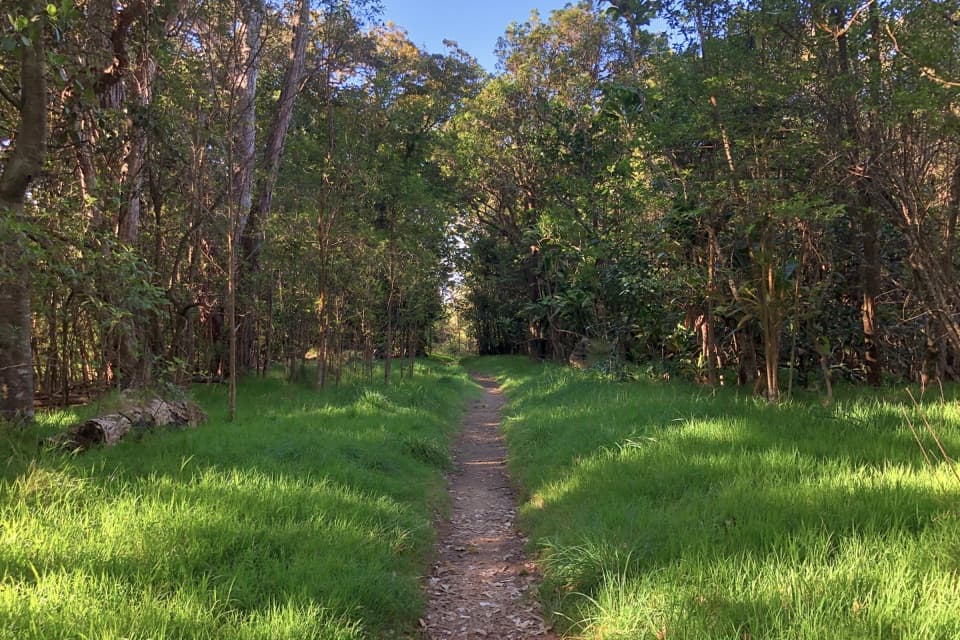
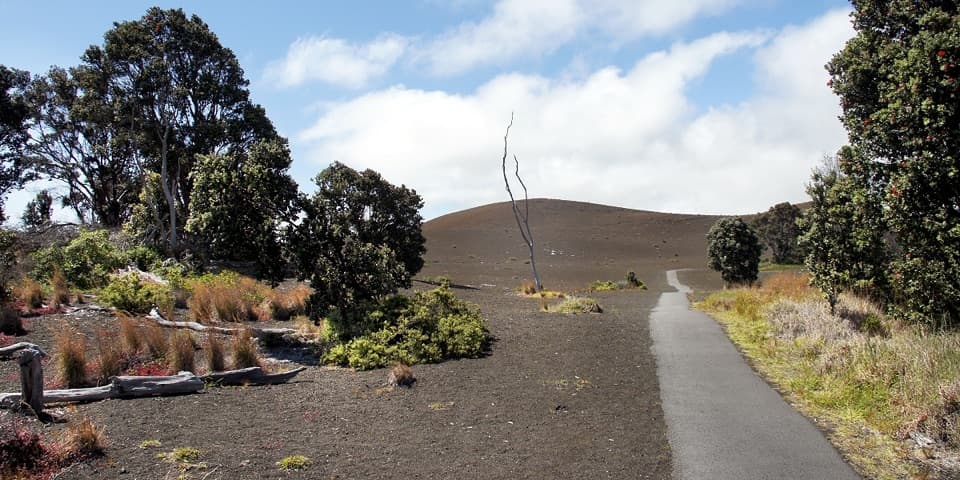
- A young forest reclaiming old lava—proof that the landscape keeps renewing itself.
Why It’s Interesting
Tree molds are essentially plant trace fossils: the lava hardened around standing trunks, the trees burned out, and you’re left with their negative space in stone. It’s a vivid, memorable way to understand lava flows beyond the usual overlooks.
Logistics & Safety
- Access is from Mauna Loa Road near Highway 11; look for the signed turnoff and small loop.
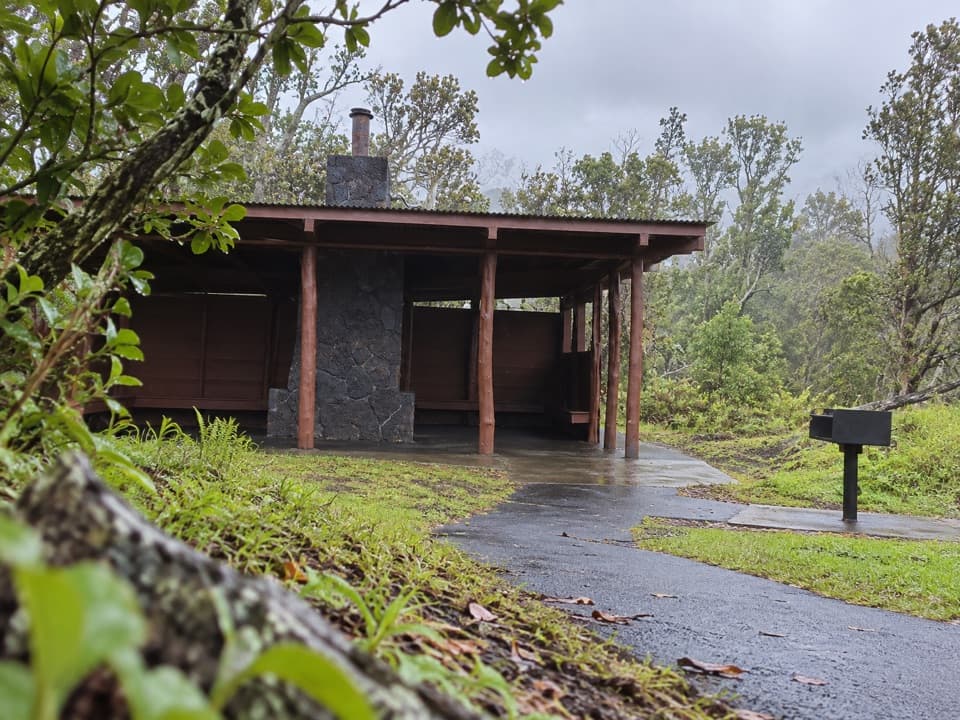
- Parking is very limited (roughly two spaces). No restrooms or services on-site.
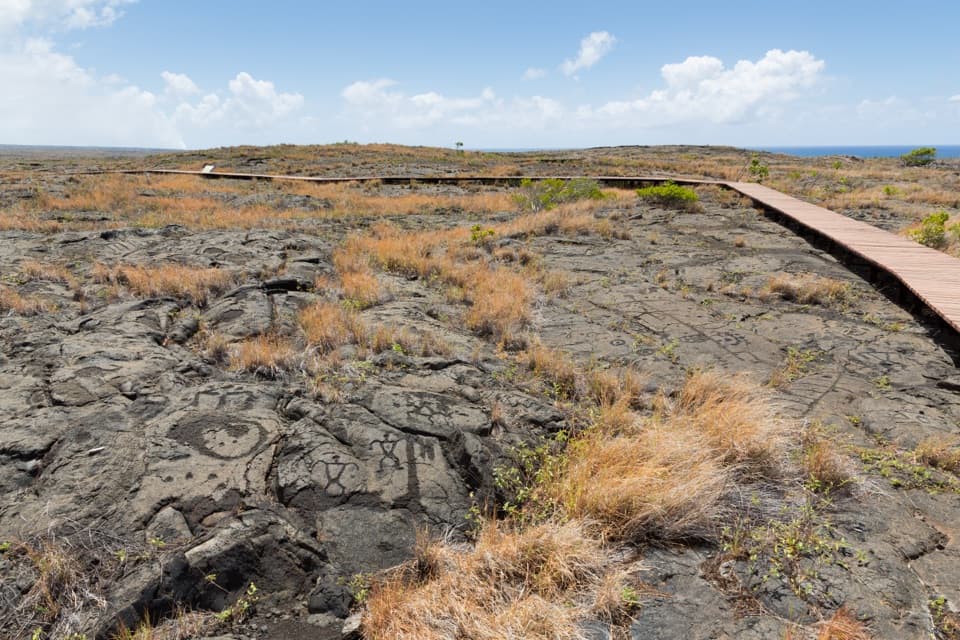
- Surfaces are uneven lava; mind your footing and keep behind railings—some molds are deep.
- Occasional vehicle closures of the small access road have occurred; check current park alerts before you go.
Is It Worth the Stop?
Yes, if you’re already driving Mauna Loa Road or have 10–15 minutes to spare. It’s not a marquee attraction and the area is small, but the geology is unusual and photogenic. If you’re expecting dramatic columns like those found outside the park, temper expectations—this is a quieter, teachable moment.
Best Time to Visit
- Anytime during daylight works; morning or late afternoon gives softer, angled light into the molds for photos.
- Weekdays see fewer cars, which helps given the tiny parking area.
- Pair it with other nearby Mauna Loa Road stops to make the most of the detour.