
Place · 0 mi away
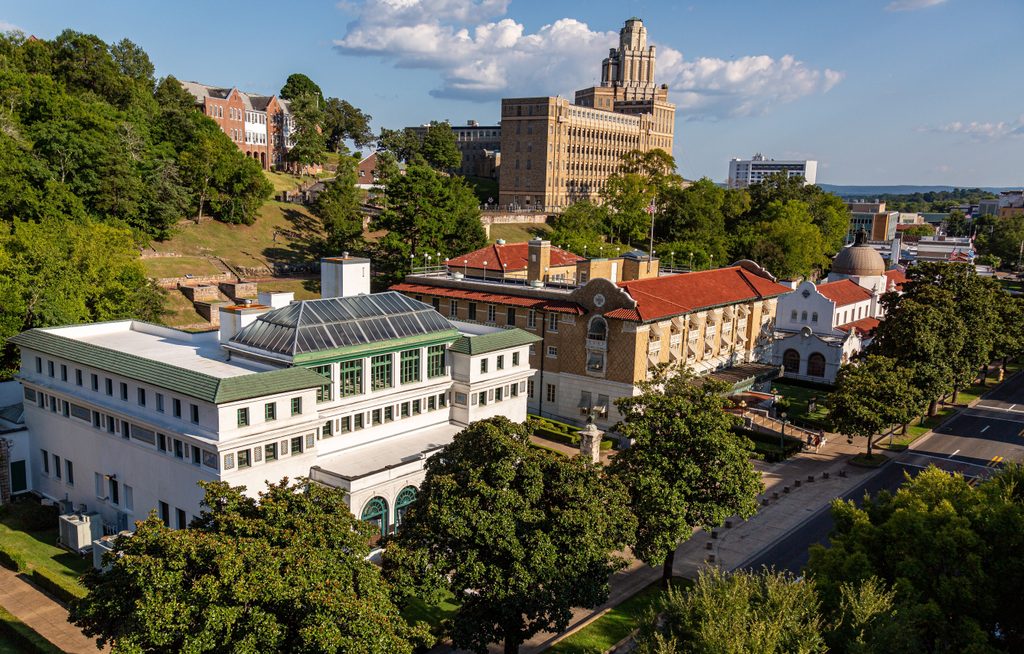
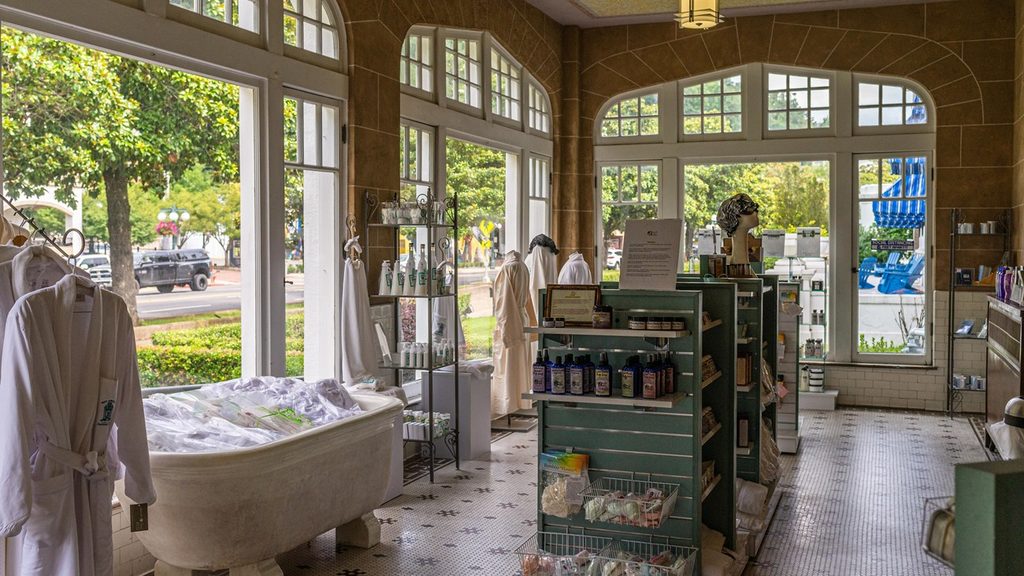
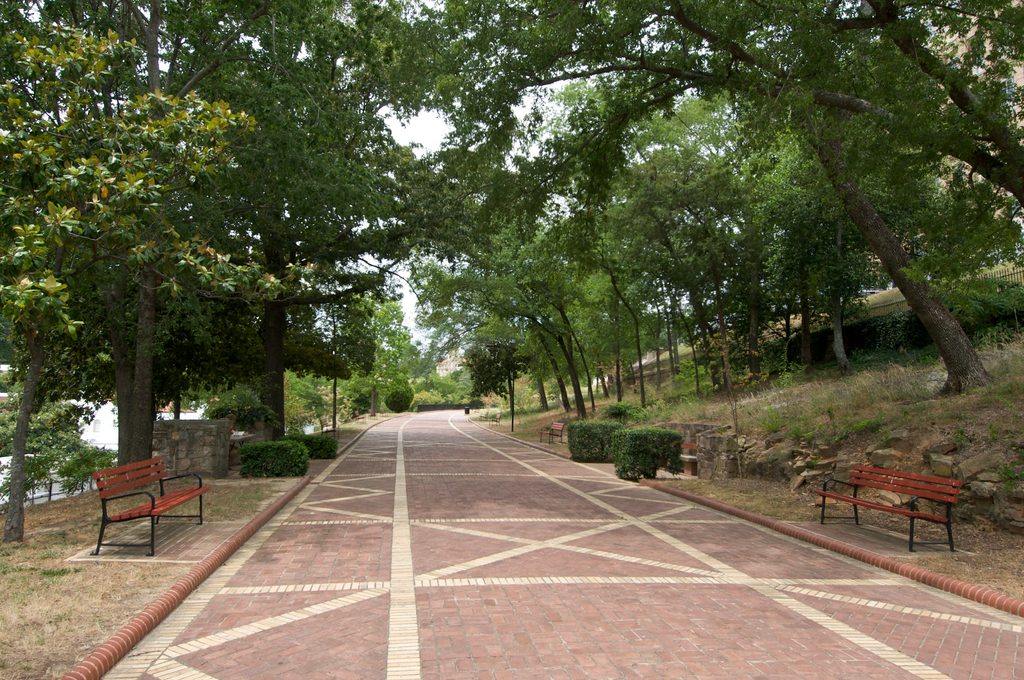
Bathhouse Row is the historic spine of the park: eight ornate bathhouses built between the 1890s and 1920s, lined up along Central Avenue with the Grand Promenade just uphill. It’s the best one-stop walk for history, architecture, and a modern taste of the mineral springs.
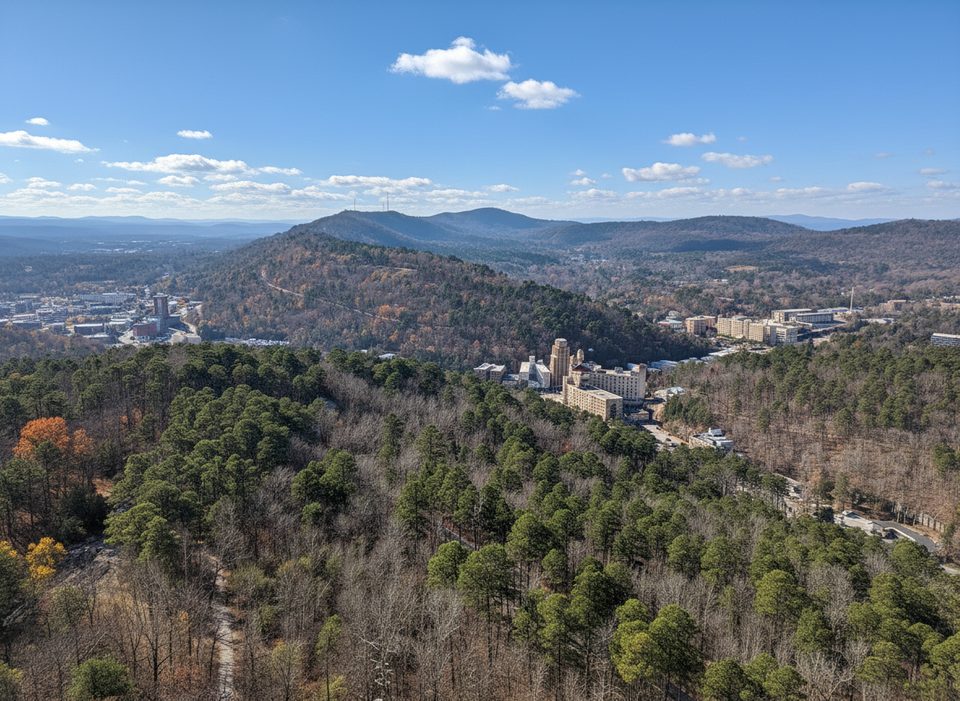
The springs aren’t volcanic. Rainwater sinks deep into fractured rock in the Ouachita Mountains, warms along the normal geothermal gradient, and rises back up along faults at about 143°F. Because it’s scalding and protected, soaking is limited to managed bathhouses—so don’t expect outdoor pools or creekside bathing.
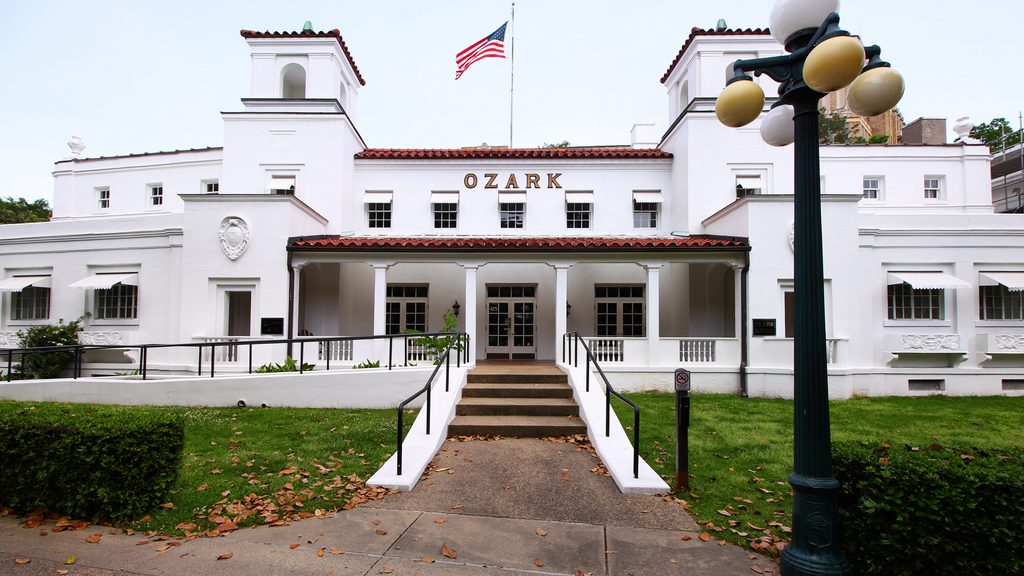
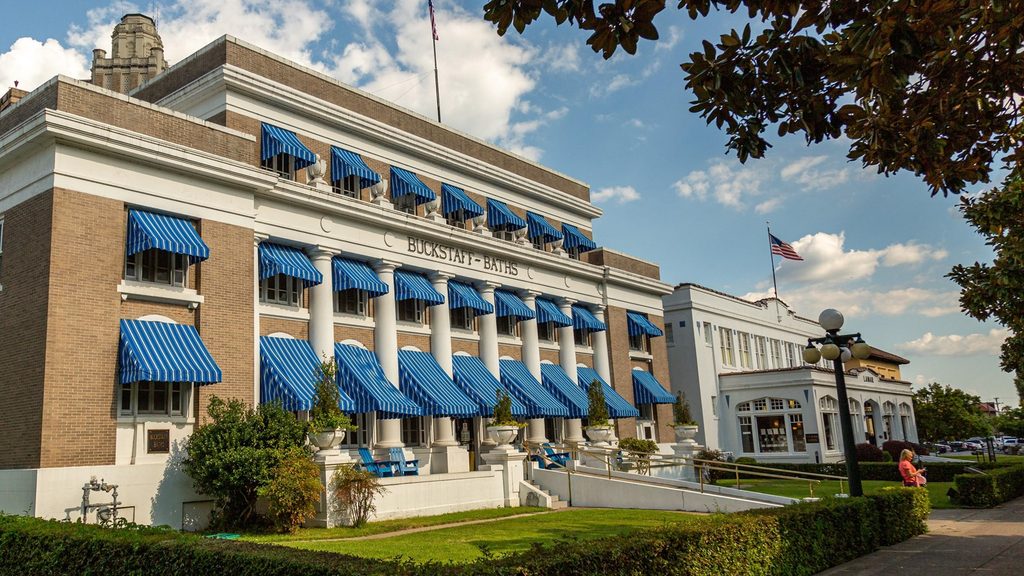
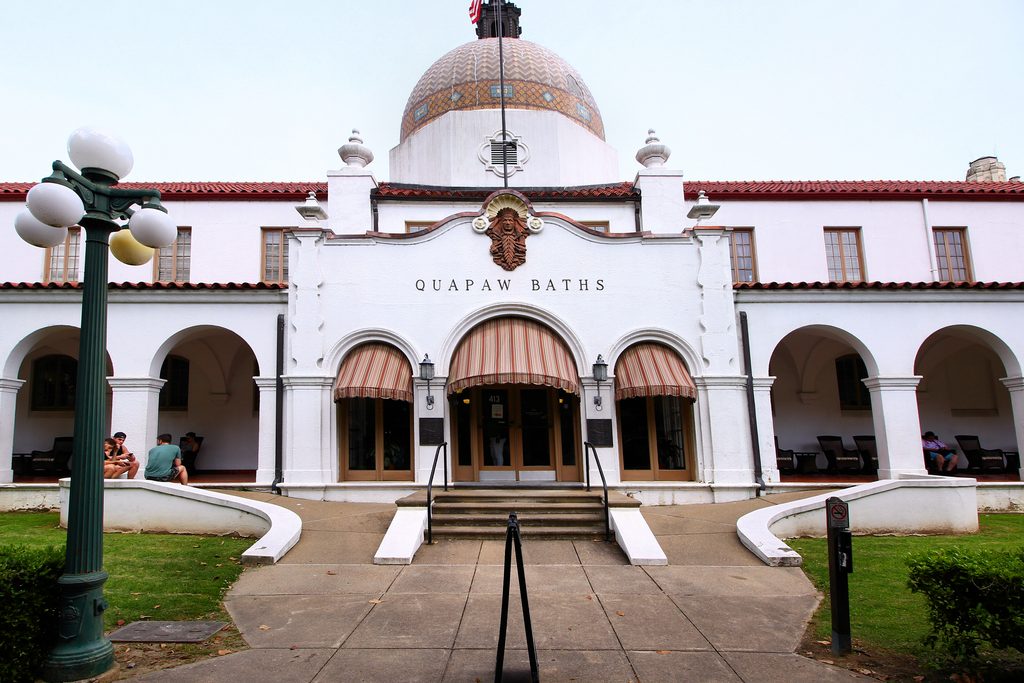
Each building tried to outshine its neighbors during the golden age of spa culture. Fordyce went all-in on luxury (marble, stained glass). Buckstaff leans classical with its colonnade. Quapaw stands out with its dome and American Indian motif. Superior shows a compact, early 20th‑century commercial/classical blend. Hale is the oldest survivor, later remodeled in Mission Style. Ozark, Lamar, and Maurice each add their own flourish, making this one of the most eclectic historic streets in the national park system.
You can feel the heat at the Display Spring behind the Maurice and at the Hot Water Cascade on Arlington Lawn. For bottles and jugs, use the public spring-water fountains around downtown—thermal and cold taps are available at several locations like the Noble Fountain, Shell Fountain, Happy Hollow, and more.
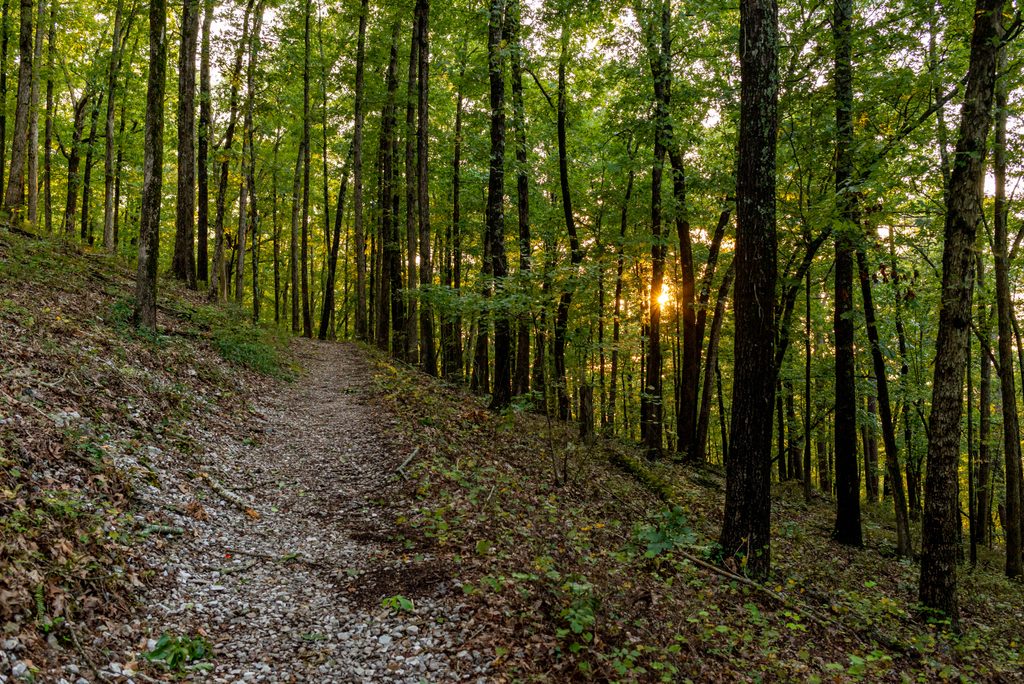
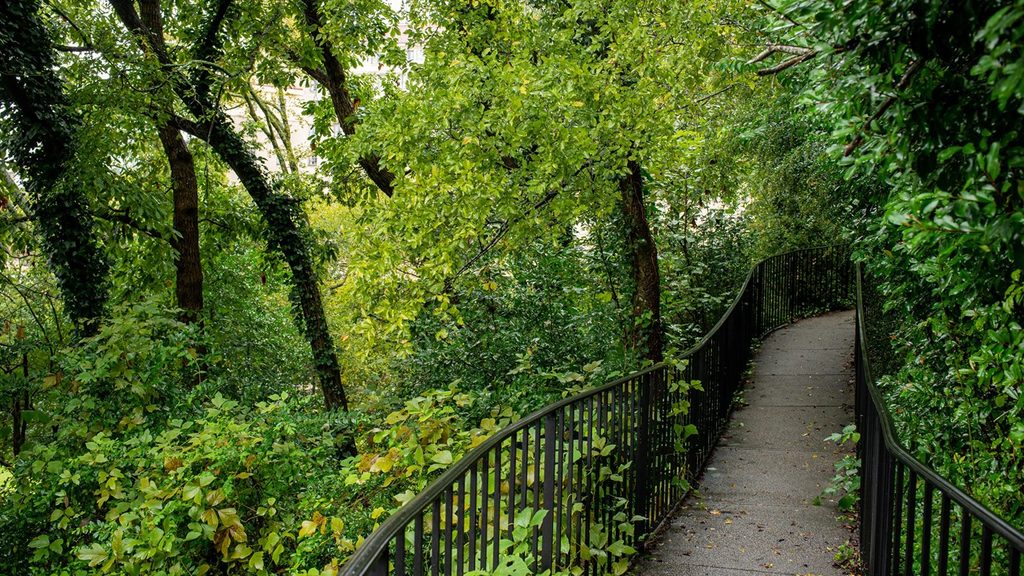
Downtown edges blend quickly into wooded hills, so you may spot deer, squirrels, and plenty of songbirds and woodpeckers. Snakes (including copperheads) occur in the area—watch your step on trails and the Promenade, give wildlife space, and do tick checks after hikes.
Place · 0 mi away
Place · 0 mi away
Place · 0 mi away
Place · 0 mi away
Easy · 0.1 mi away
Challenging · 0.1 mi away
Moderate · 0.1 mi away
Easy · 0.2 mi away

Parkwolf Tour Guide
