1 active Hot Springs alert
- InfoBurn ban in parkA burn ban is in effect because of high fire danger. - In the campground and picnic areas, only gas and charcoal grills are currently allowed; the ban was enacted August 15, 2026.Official details

Sight · Hot Springs National Park
A hands-on look at thermal water, built for curious kids.
Overview
Map
Plan your stop
The highest, rockiest slopes around here are a summer buffet for grizzly bears.
Hot Springs Tour Guide
Parkwolf is a GPS audio tour guide for Hot Springs National Park. As you drive, it chimes in with what’s ahead: hidden gems, upcoming stops, history, geology, and wildlife, right through your car’s speakers.
Recorded for this place
Fordyce Bathhouse: Beyond the Baths“You're approaching Fordyce Bathhouse, now the visitor center and a free museum. I'd start here to see what a bathhouse visit used to involve.”
Plays as you drive up to Ozark Bathhouse in the Parkwolf Hot Springs Tour Guide.
More stories near here in the app
“Fantastic app with many points of information… It’s great to just turn on while you’re driving and it gives you an audio tour of the national Park. We love it!!!!”


Guide
The Ozark Bathhouse is a compact 1922 bathhouse on Hot Springs’ Bathhouse Row. Today the restored building holds Mystic Ozark, an interactive museum about the area’s thermal water and legends. I’d prioritize it with curious young kids; the hands-on activities are the main draw.
Mystic Ozark is arranged in four themed spaces with flowing water, changing light and sound, hands-on science and digital storytelling. Families often describe a short visit, though younger kids who want to try each activity can stay longer. It’s a small attraction, so teens and adults looking for a full museum may find it slight for the admission.
Admission is ticketed, so check current hours and prices before you go. Street parking around downtown is metered, and the Exchange Street garage is another option. The bathhouse has an elevator, restroom and wheelchair access.
Little Rock architects Mann and Stern designed the building in Spanish Colonial Revival style; it was completed in summer 1922. The 14,000-square-foot bathhouse held 27 tubs and was aimed at middle-income bathers who wanted the springs without expensive frills. It closed as a bathhouse in 1977.
The low square towers, red tile roof and receding tower windows give the building a distinct Spanish Colonial look, with a hint of early Art Deco. Its plaster-cast window boxes are unique on Bathhouse Row. The front cartouches carry a tree motif associated with health and life. From the public walkway, step back to fit both towers and the roofline, then move closer to see the sculpted details.
The Mid-America Science Museum developed Mystic Ozark through a historic building lease after more than five years of planning. Its water, light and sound exhibits give the former bathhouse a new way to tell stories about the springs while keeping the visit inside one of Bathhouse Row’s historic buildings.
Wildlife
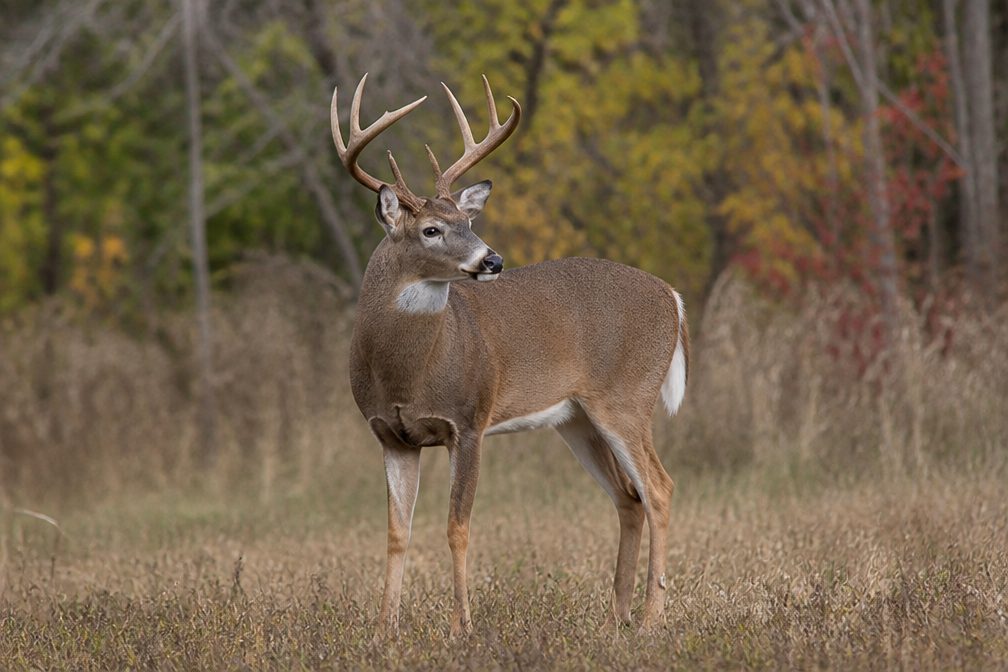 71 sightingsWhite-tailed DeerMost seen around 6 PMSighting map
 11 sightingsGroundhogMost seen around 7 AMSighting map
 12 sightingsMexican Long-nosed ArmadilloMost seen around 8 PMSighting map
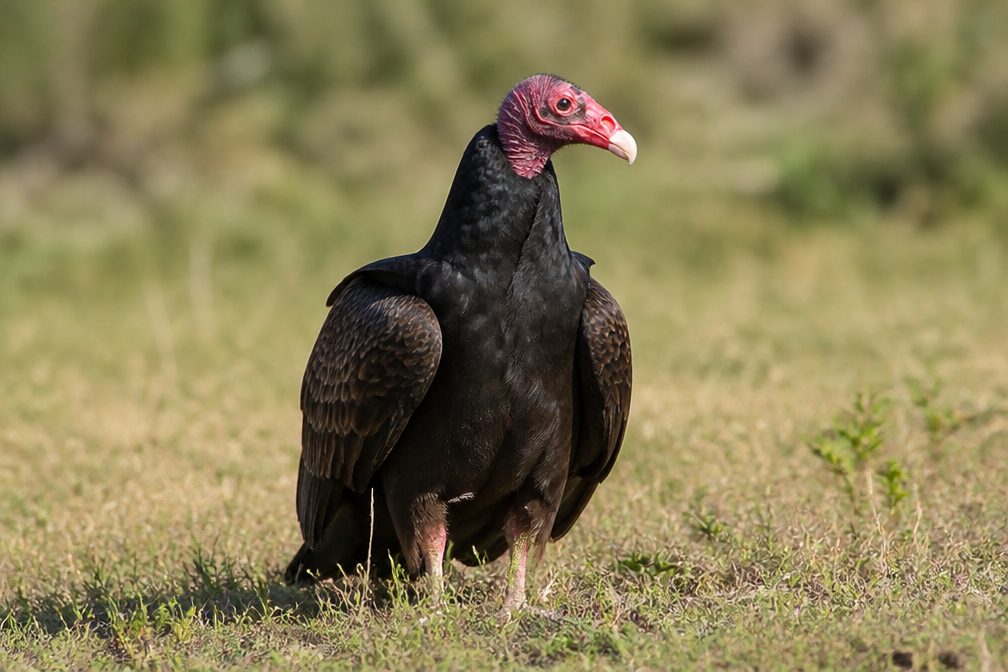 16 sightingsTurkey VultureMost seen around noonSighting map
 41 sightingsCardinalMost seen around 7 AMSighting map
 27 sightingsSummer TanagerMost seen around 7 AMSighting map
Sighting maps show where each species has been reported across Hot Springs. Wildlife moves, so no sighting is guaranteed.
Keep exploring
 ModerateOertel Trail1.4 mi · 45 min · 0.1 mi awayA steep, bumpy gravel climb links downtown with mountain trails.
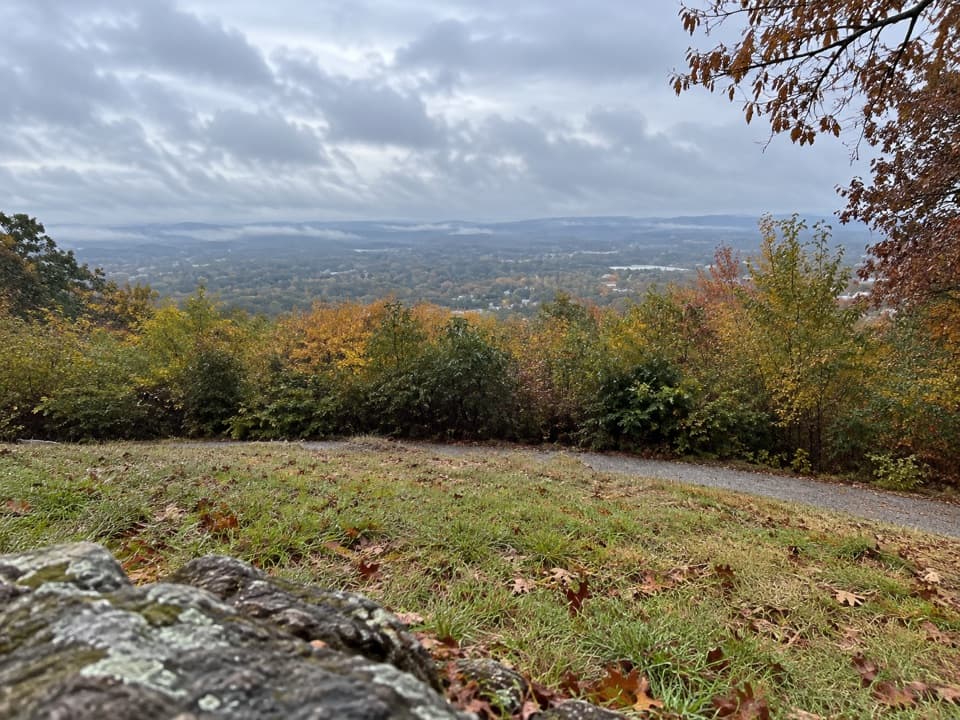 ModeratePeak Trail1.2 mi · 40 min · 0.1 mi awayA 400-foot climb rewards you with summit overlooks and a tower.
 EasyTufa Terrace Trail0.3 mi · 24 min · 0.2 mi awayA short paved climb to pale tufa beside the thermal cascade
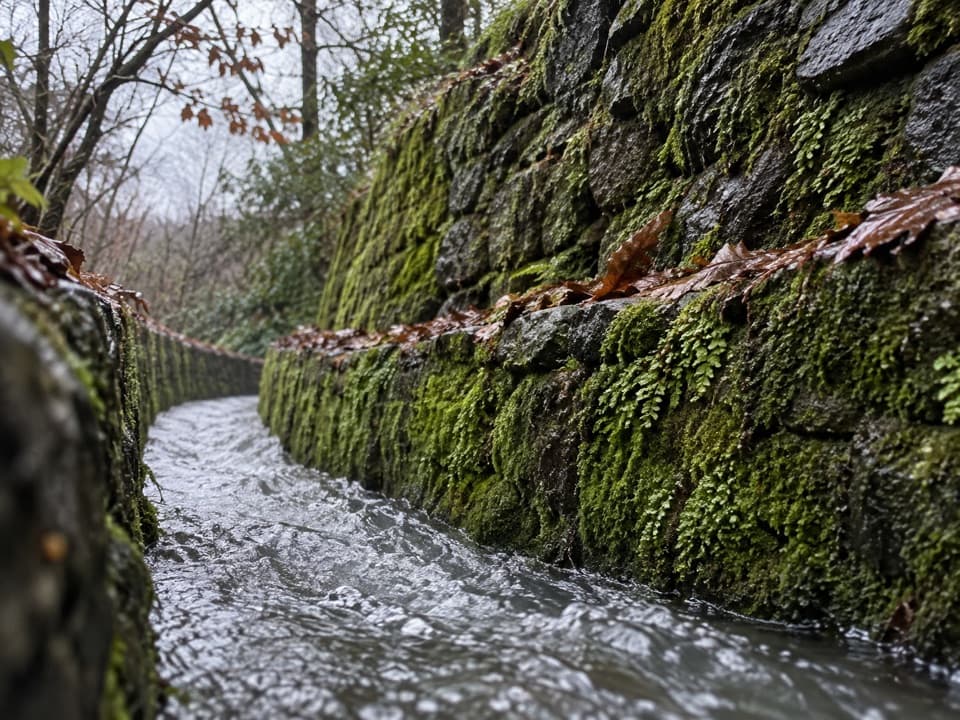 ModerateOak Trail1 mi · 35 min · 0.3 mi awayA short dirt climb from Bathhouse Row into West Mountain’s trails.
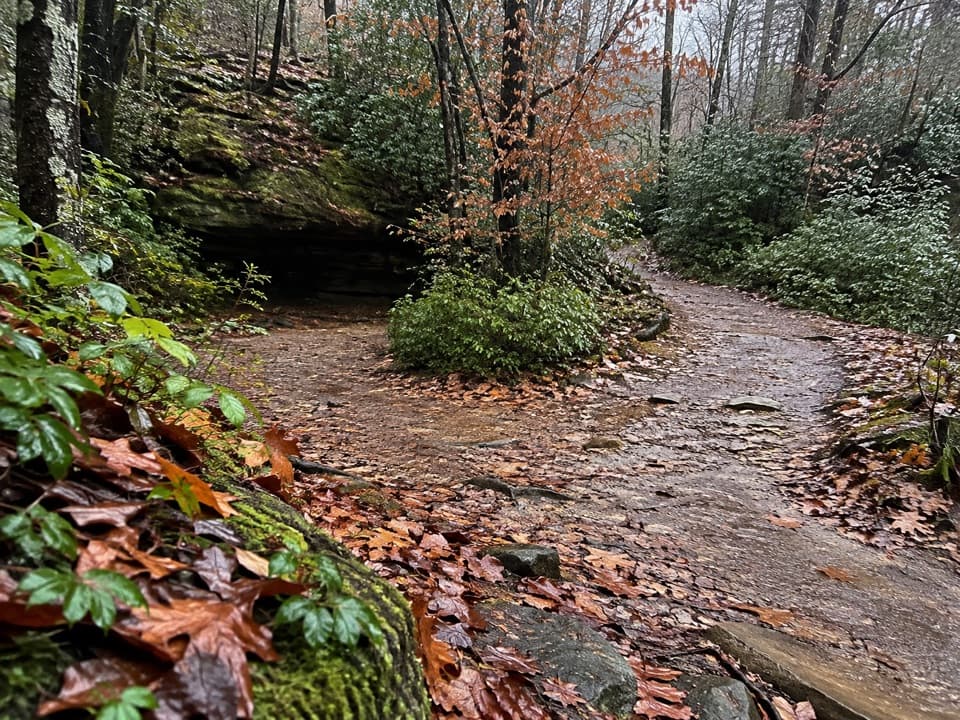 ModerateCanyon Trail0.7 mi · 36 min · 0.3 mi awayA short downtown climb that gets steep on the mountain side.
 EasyGrand Promenade0.5 mi · 45 min · 0.4 mi awayBenches, spring views, and bathhouses on an easy half-mile walk.
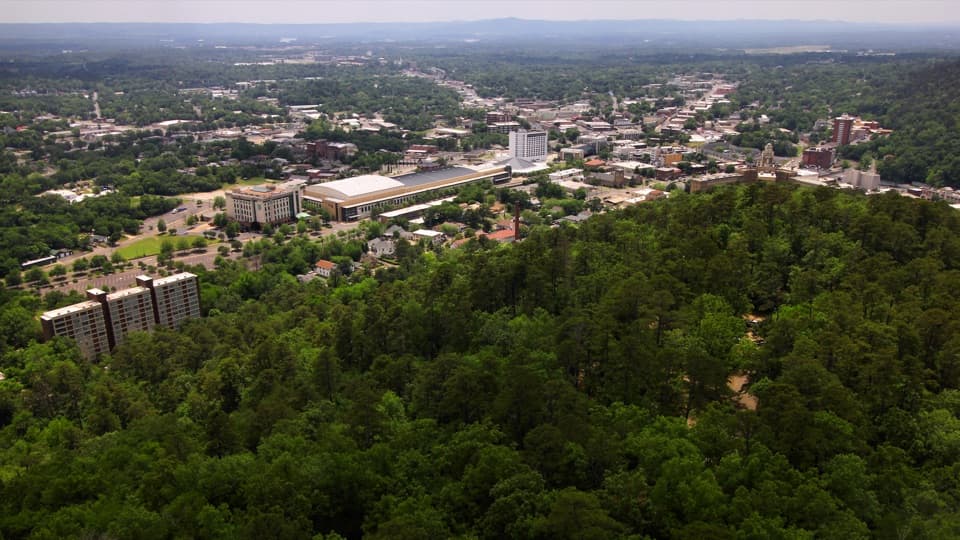 EasyHot Springs Mountain Trail1.7 mi · 1 hr · 0.4 mi awayAn easy loop above Hot Springs, with a view between the trees.
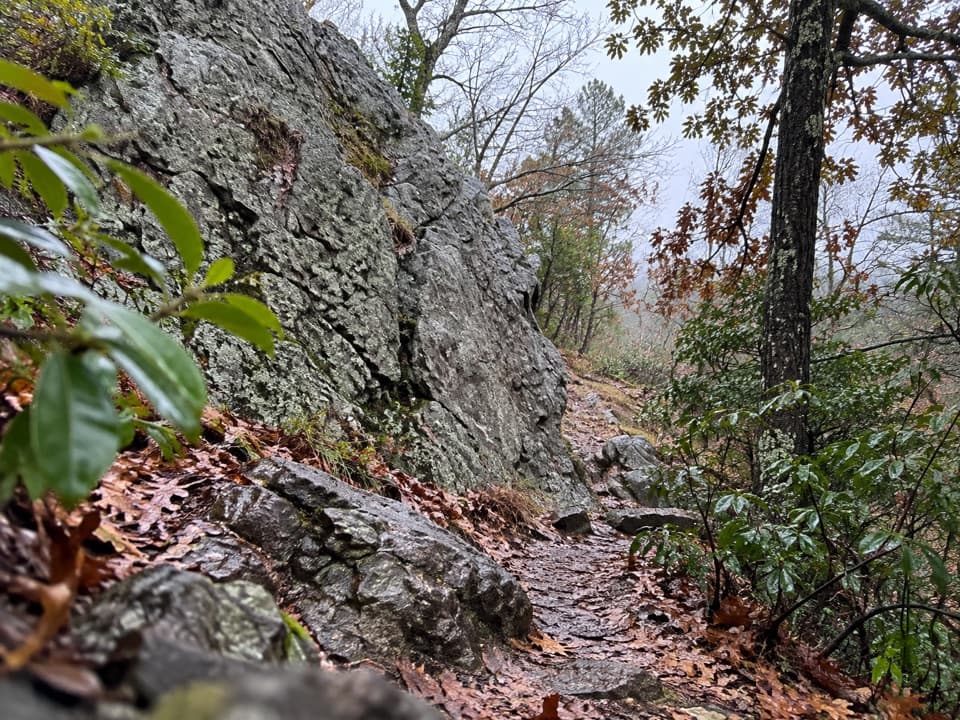 ModerateLower Dogwood Trail0.7 mi · 30 min · 0.4 mi awayBoulders mark a brief mountain climb before the loop drops downhill.
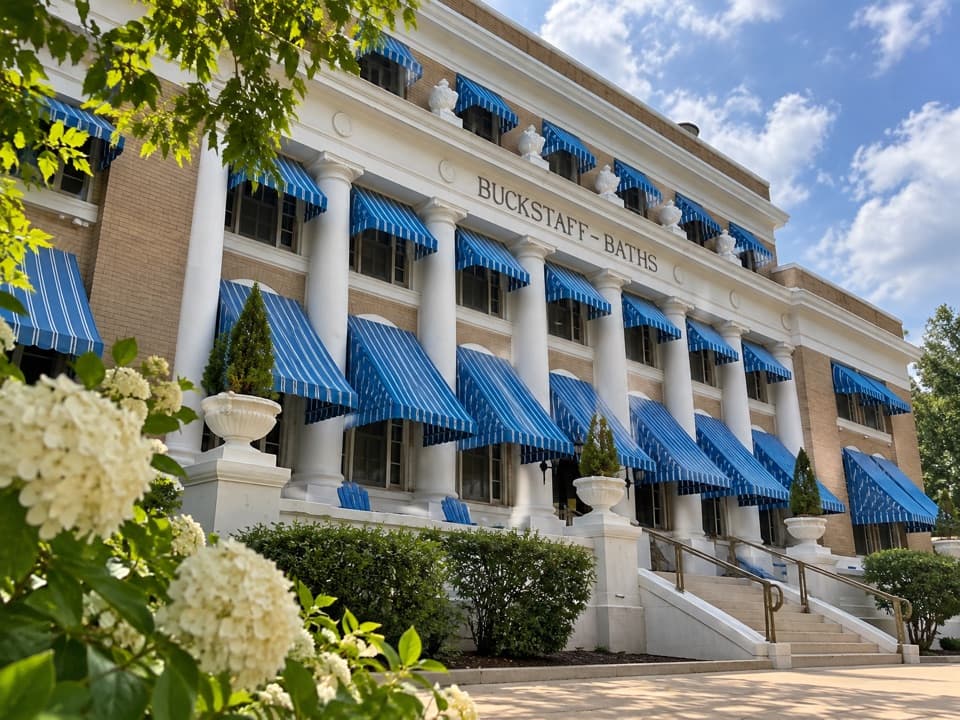 Sight · At the trailheadBuckstaff BathhouseTake a guided thermal bath inside a 1912 Bathhouse Row landmark.
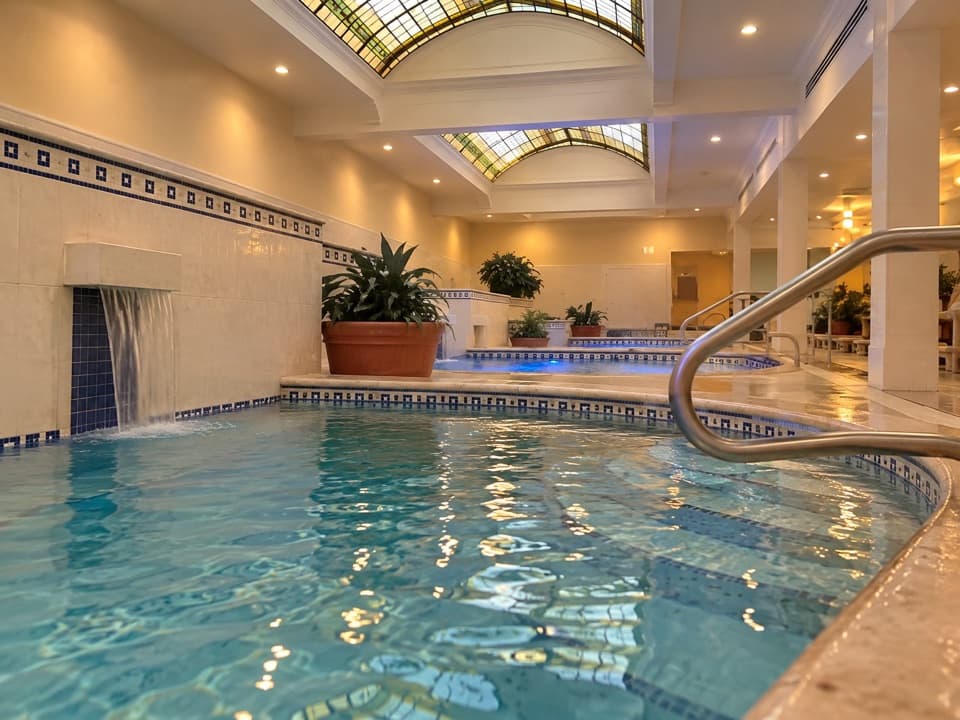 Sight · At the trailheadQuapaw Baths & SpaThermal pools under stained glass in a 1922 bathhouse.
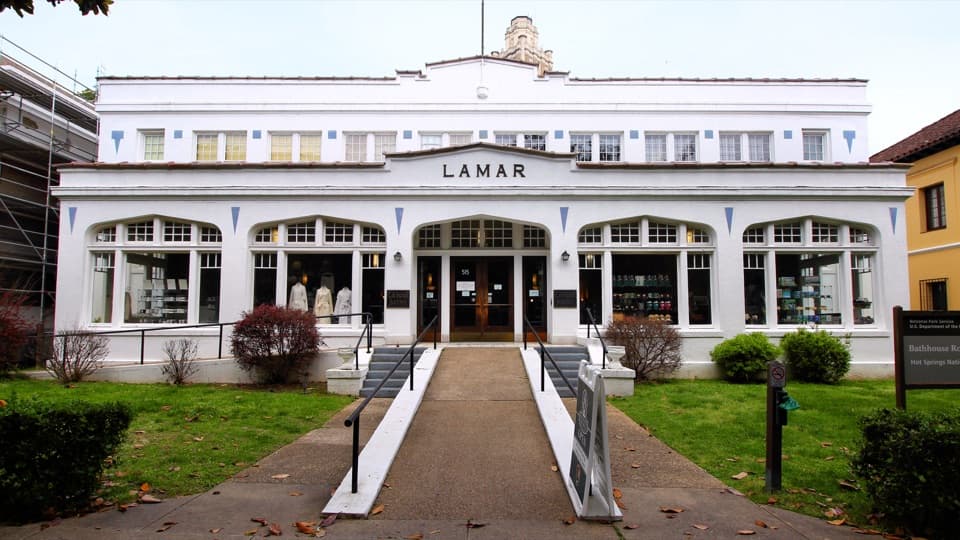 Store · At the trailheadLamar Bathhouse and Bathhouse Row EmporiumShop for park books inside a bathhouse built in 1923.
 Sight · 0.1 mi awayFordyce Bathhouse Visitor Center and MuseumA free tour from marble lobby to the basement spring.
 Sight · 0.1 mi awayReserve Street Thermal Water FountainsFill a jug at the thermal fountain and spot a 1936 landmark.
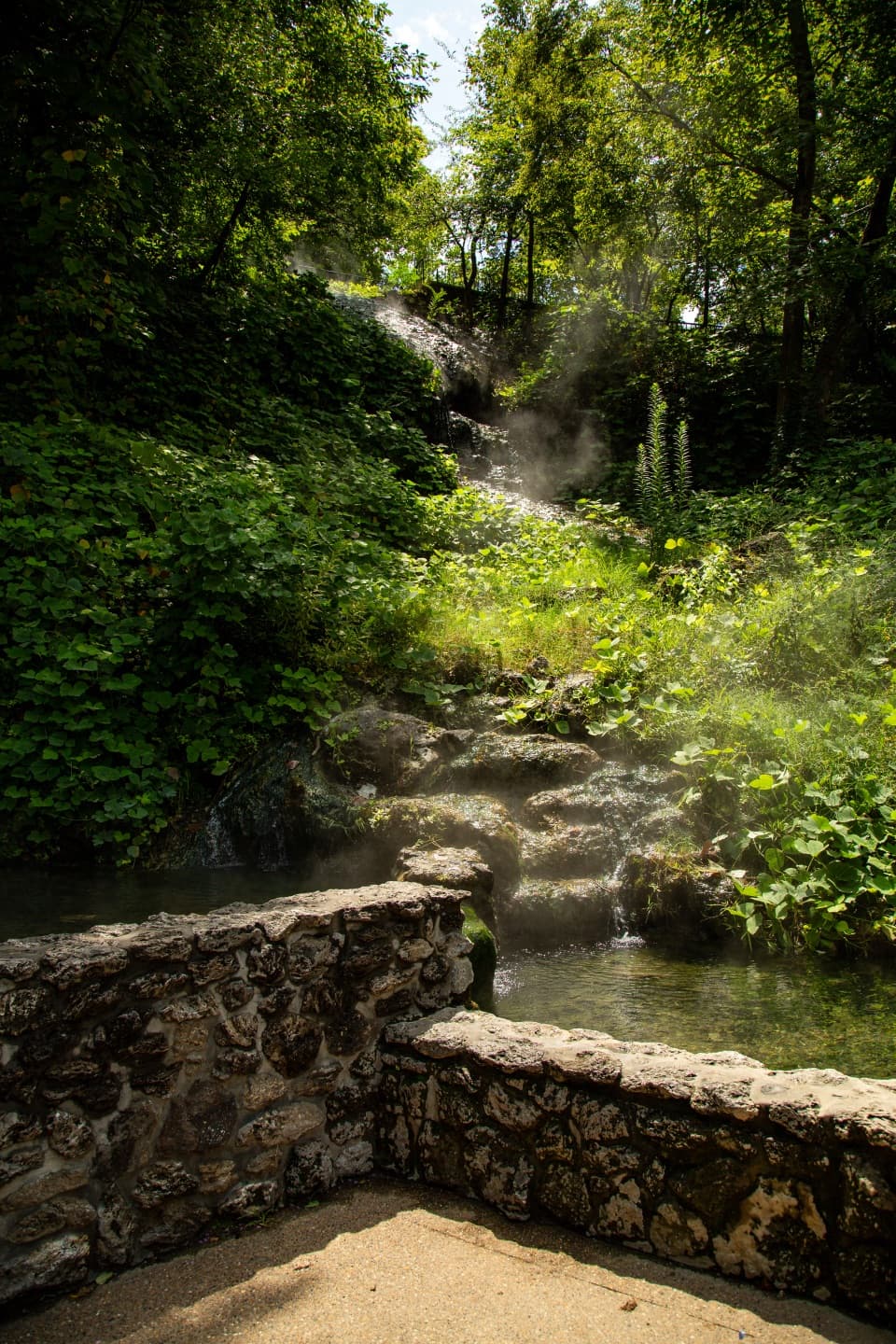
 Sight · 0.1 mi awayDisplay SpringWatch thermal water spill into a shaded shallow pool.
 Sight · 0.1 mi awayMaurice BathhouseA historic bathhouse built for 650 daily bathers.
 Sight · 0.1 mi awayMaurice Historic Spring AreaA tiny spring display with a long Bathhouse Row history.
Parkwolf’s Hot Springs ranking

The audio tour guide for the drive, plus offline maps, trails, and wildlife heatmaps for when the signal drops.