Overview
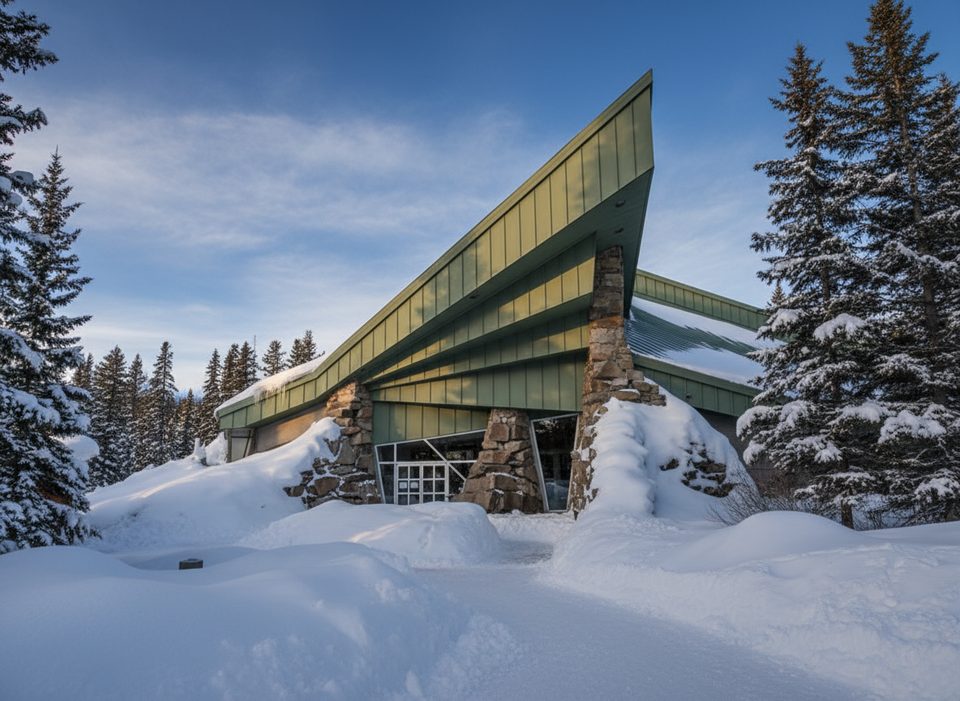
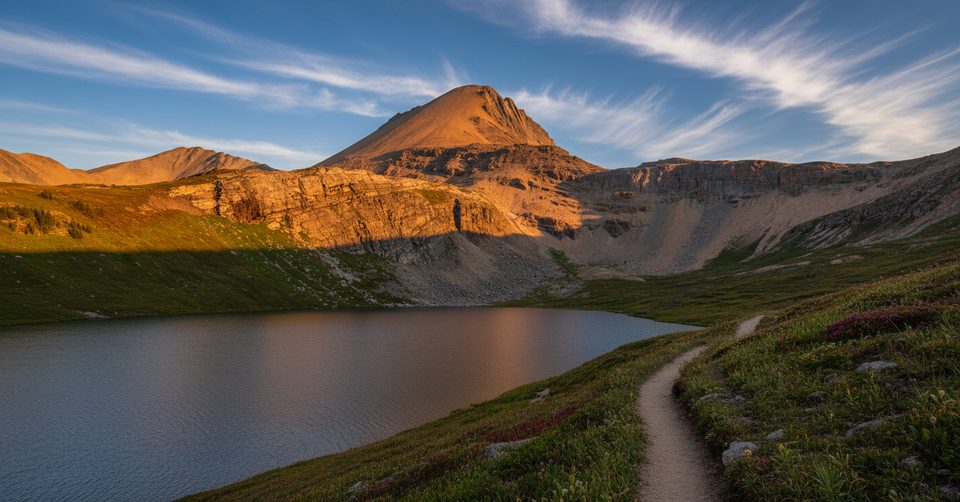
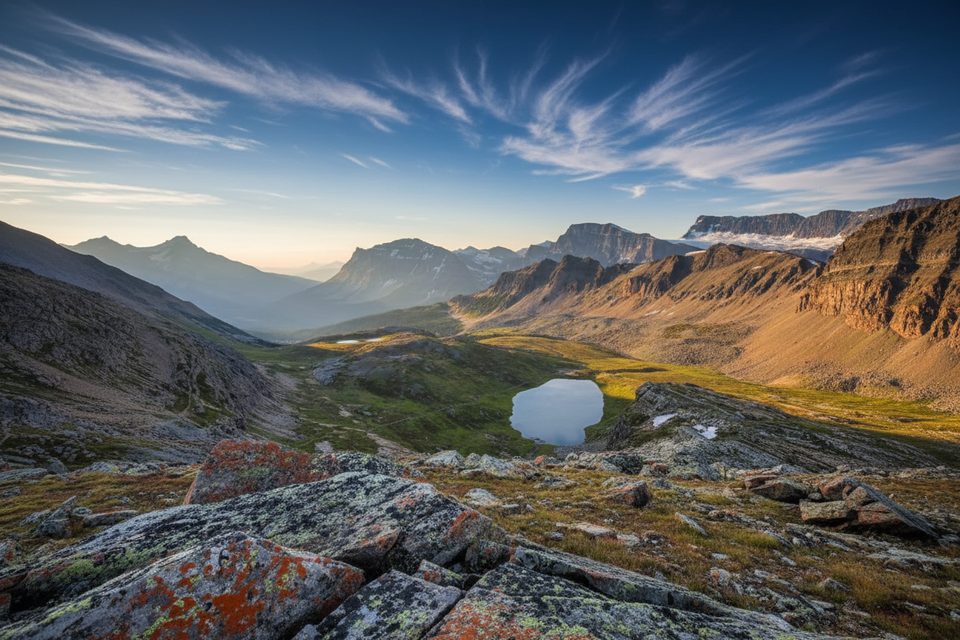
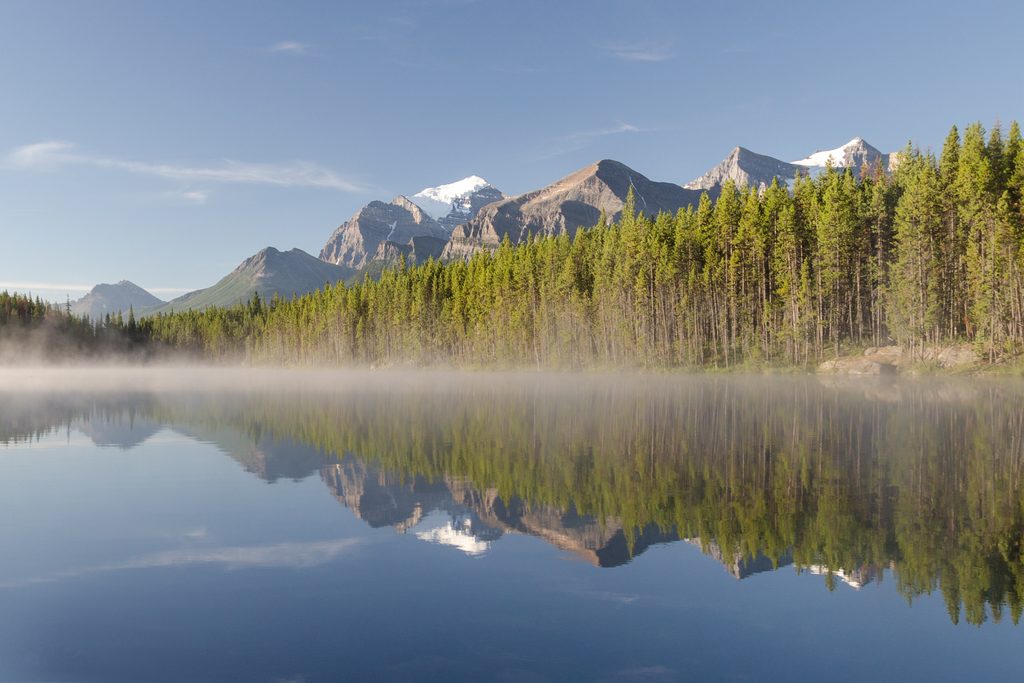
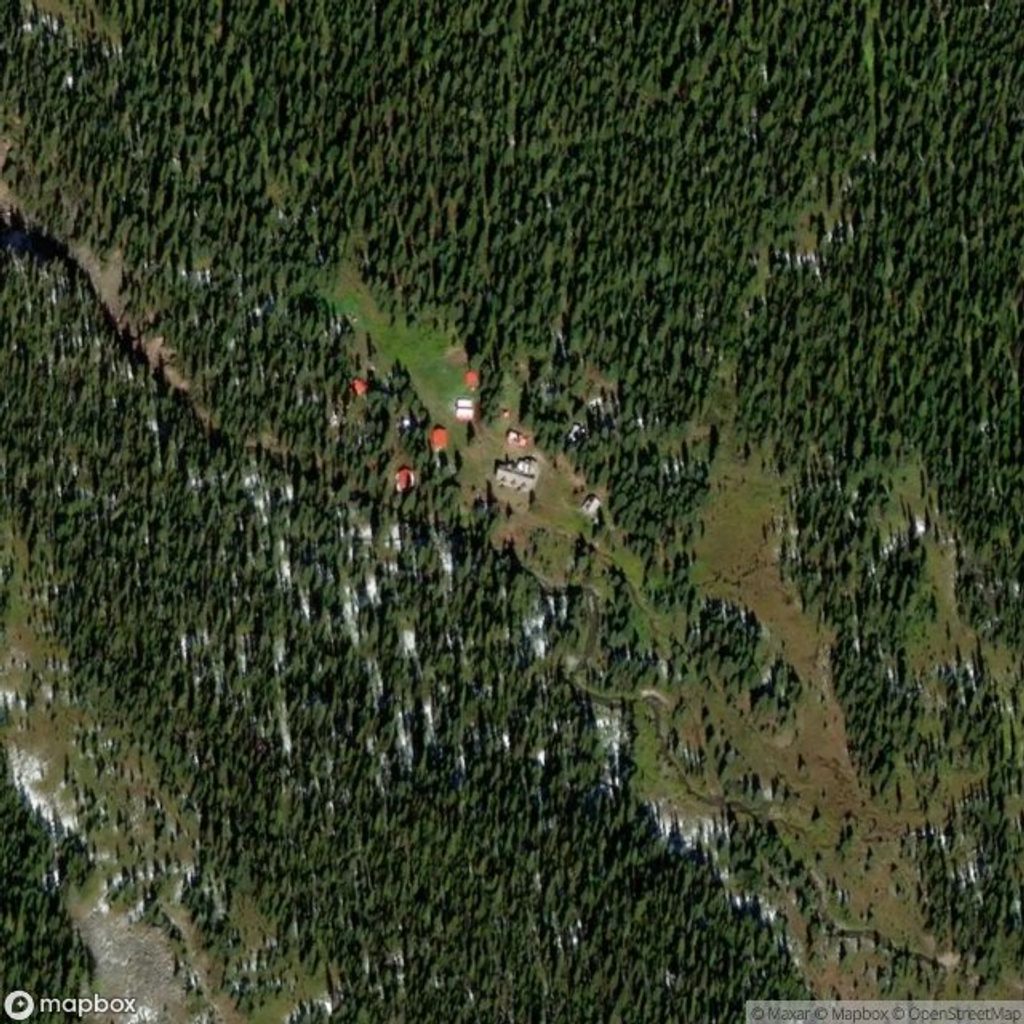
Skoki Ski Lodge is a remote, off‑grid National Historic Site tucked into Skoki Valley, north of Lake Louise. Built in the 1930s for ski tourism, it’s one of Canada’s earliest purpose‑built ski lodges and still feels like stepping into a living museum. Expect kerosene lamps, wood/propane heat, and that rare, satisfying quiet you only get deep in the backcountry.
What Makes It Special
- National Historic Site (designated 1992) recognized for its role in early mountain tourism and classic rustic architecture.
- Interiors and outbuildings preserve an old‑school alpine vibe, with vintage ski memorabilia and log craftsmanship.
- The experience is intentionally unplugged—no electricity, no running water—so the “lodge life” (stove heat, candlelight, shared meals) takes center stage.
Getting There
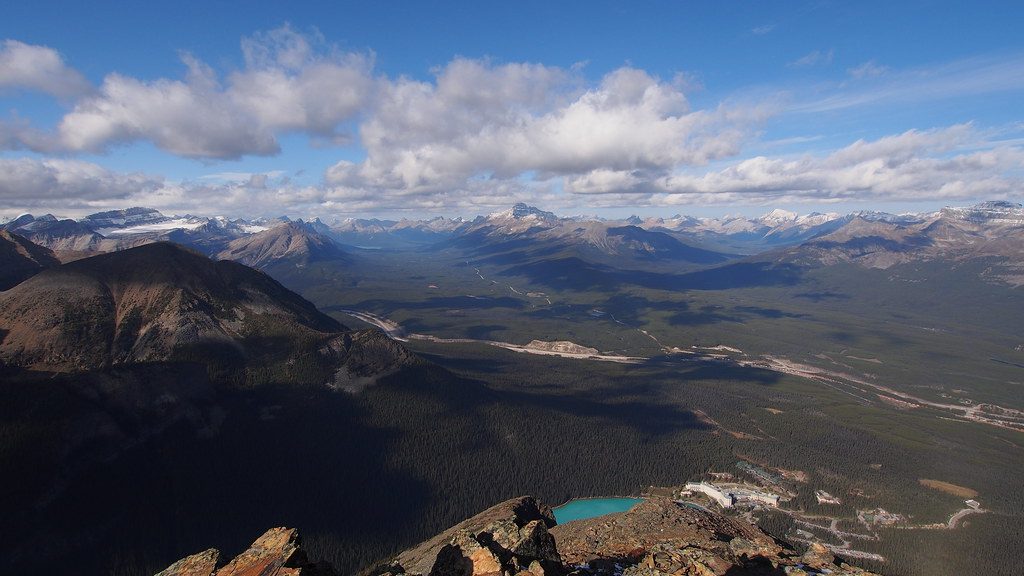
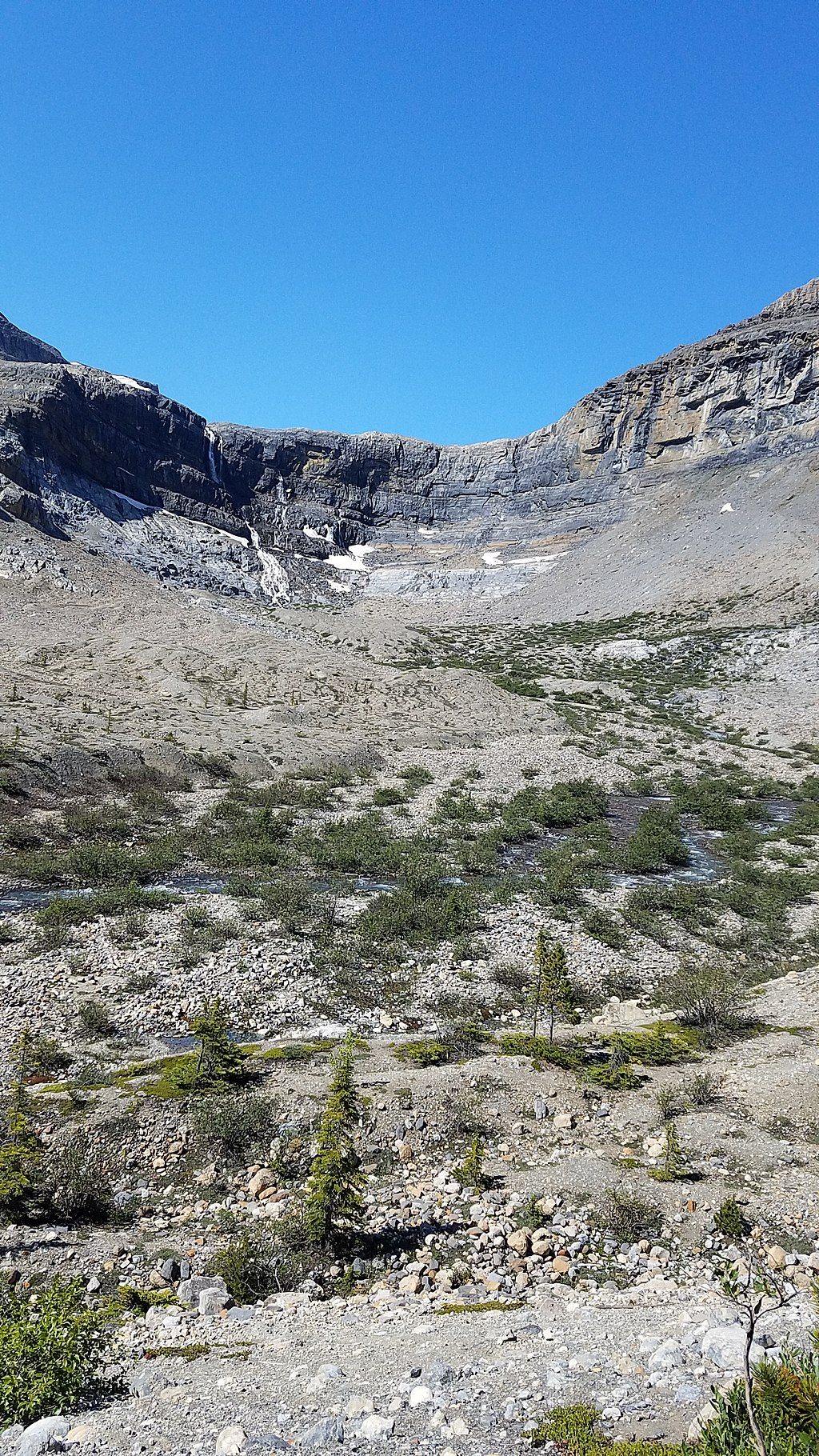
There’s no road. You earn it via an 11 km trail from the Lake Louise area (commonly from the ski resort/Temple Lodge side). In winter, guests ski or snowshoe; in summer, you’ll hike. Plan for a steady climb and mountain weather—this is true backcountry travel.
The Experience
- Meals are a highlight: welcoming tea/juice with baked goods on arrival, daily fresh‑baked bread, and buffet‑style breakfasts and dinners. You’ll pack your own trail lunch after breakfast. Alcohol is available for purchase.
- Capacity is small (about 22 guests), so it stays intimate and social—many visitors rave about the camaraderie around the wood stove.
- Expect rustic comforts: outhouses for toilets, warm wash water, kerosene or candle lighting, and simple, cozy rooms or cabins.
Wildlife
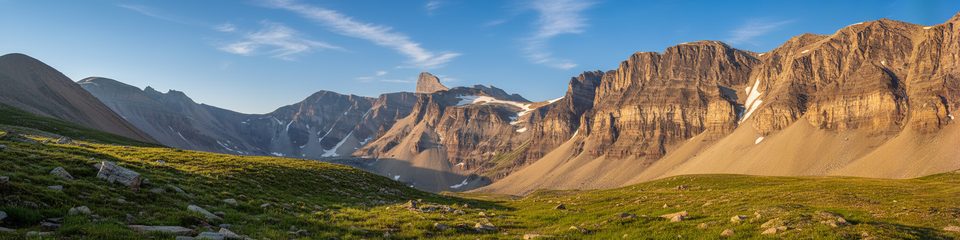
You’re in prime Banff backcountry habitat. Grizzly and black bears, elk, mountain goats, marmots, and a variety of birds are all possible in the broader area. Carry bear spray, know the protocols, and stay current on advisories.
Is It For You?
If a historic, unplugged stay after a rewarding approach sounds dreamy, Skoki is a bucket‑list pick. If you need modern amenities or dislike outhouses, it likely won’t land. Be honest about fitness and comfort with backcountry conditions.
Best Time to Visit
- Year‑round: hiking in summer; ski touring and snowshoeing in winter.
- Aim to arrive by mid‑afternoon to settle in and enjoy the snacks/charcuterie before dinner.
- Limited capacity keeps crowds low regardless of day of week; bookings fill far in advance.
Practical Tips
- Pack like you mean it: layers for alpine weather, a headlamp, and personal toiletries.
- Plan your approach timing conservatively; conditions can slow travel.
- Expect thin walls in the historic buildings—earplugs help.
- Bears are part of the landscape; carry spray and store food properly.