
Place · 0 mi away
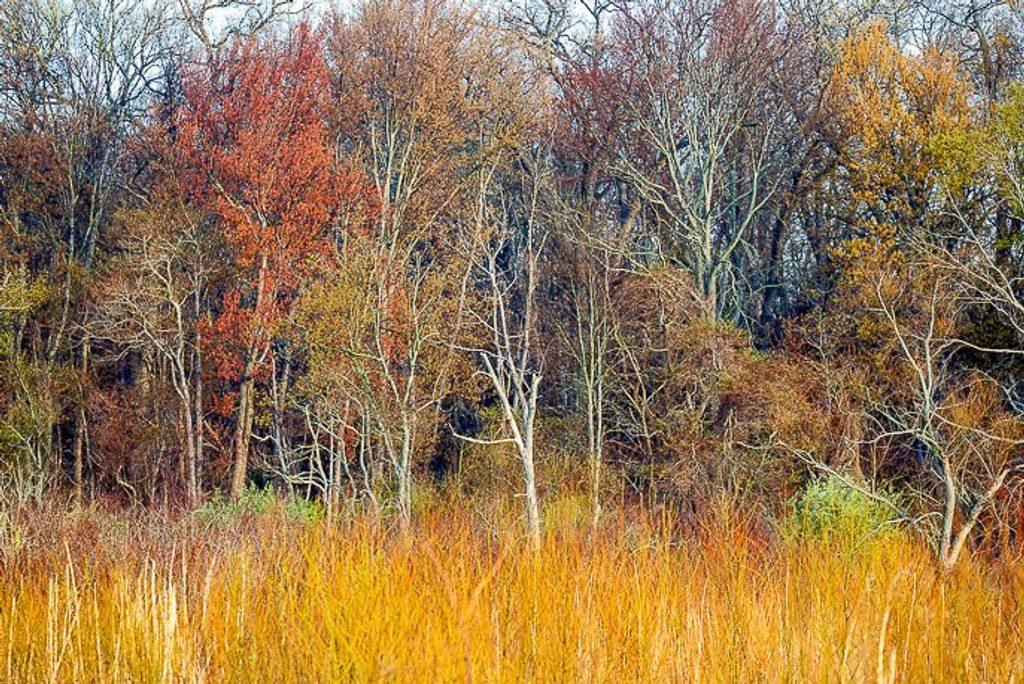
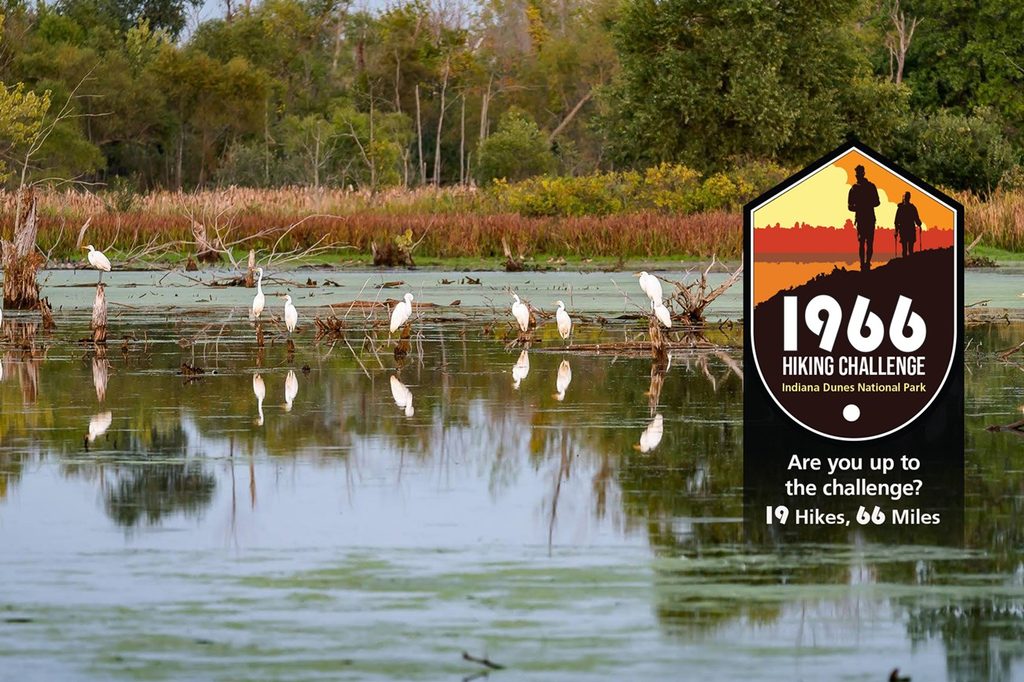
The Great Marsh is the park’s comeback story—once drained, now steadily restored into the largest interdunal wetland in the Lake Michigan watershed. It’s a mellow walk with big sky views, an observation deck, and a real chance to slow down and watch the marsh come alive.
Expect wide‑open wetlands framed by dune ridges, with cattails, sedges, and wet‑prairie plants swaying around you. The 1.2–1.4 mile loop is flat and simple to follow, with an overlook that gives you a sweeping view of the marsh.
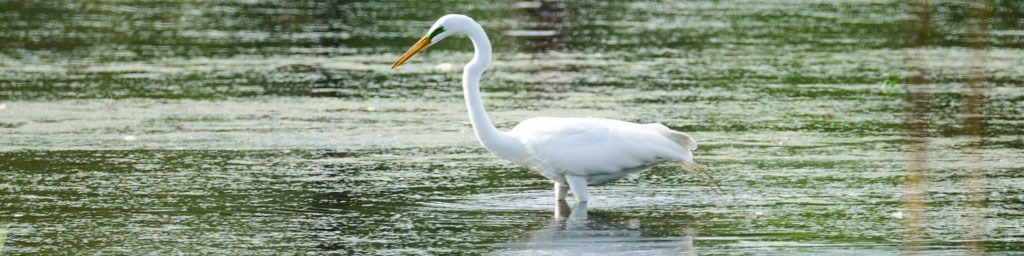
This is bird country. Keep an eye out for great blue herons, egrets, sandhill cranes, ducks, swallows, kingfishers, warblers, and the ever‑present red‑winged blackbirds. Turtles (painted and snapping) are common, and you may spot signs of beavers and muskrats. In summer, butterflies and other pollinators work the wildflower patches near the trail.
The path is mostly packed dirt and grass with some gravel—easy going but it can get muddy after rains or during spring and fall. Mosquitoes can be fierce when it’s warm, and tall vegetation can make parts feel brushy mid‑summer.
This marsh once stretched for miles before much of it was drained in the early 1900s. Since 1998, restoration has been bringing back fens, sedge meadows, and wet prairies—along with the birds and water‑cleaning power that come with them.
There’s a small trailhead parking area and an observation deck near the start. No restrooms, no potable water—come prepared. Pets are welcome on a short leash.
If you’re into birds, quiet, and subtle wetland beauty, this is an easy yes. It’s not a dune‑climb spectacle—it’s a slow burn that rewards patience and a good pair of binoculars.
Place · 0 mi away
Place · 0.1 mi away
Place · 0.3 mi away

Place · 0.9 mi away
Easy · 0 mi away
Moderate · 1.2 mi away
Easy · 1.4 mi away
Moderate · 2.4 mi away

Parkwolf Tour Guide
