
Place · 0.3 mi away
Tucked into the heart of the dunes, Dunes Learning Center is where the park turns into an overnight outdoor classroom. It’s a nonprofit education campus that partners with the park to run residential programs—think hands‑on science by day and camp‑style community by night. If you’re picturing a public visitor center, this isn’t that; it’s a dedicated program hub for schools and summer campers.
If you’re here with a registered program, expect guided hikes on nearby trails, field investigations, and plenty of time outside. The campus sits among forests, wetlands, and prairies, so the learning happens in the landscape, not just a classroom. Campers bunk in modern cabins and spend days exploring the park’s famously rich biodiversity.
There are ten modern group cabins, each set up for seven campers plus an adult cabin leader. Cabins have bunk beds, heat and air conditioning, and private toilets and showers. Campers are grouped in separate cabins and supervised by adults in the cabins and during activities. Meals are served as part of the program (this isn’t a public restaurant), and the campus is encircled by scenic trails and historic sites.
This place shines for school groups and youth summer camps. It’s structured, mission‑driven, and accredited—ideal if you want a guided, residential dive into the dunes rather than a DIY day visit. Scholarships are a big part of how they operate, making overnight experiences possible for many campers.
The campus stands on the former Good Fellow Club Youth Camp site and was created to bring residential environmental education into the park. That partnership focus still drives the programming today.
You’re in one of the country’s most biologically diverse national parks, with a mix of dune, forest, wetland, and prairie habitats all around. Expect birdlife, amphibians, and a rotating cast of seasonal highlights—your instructors will usually tailor outings to what’s active.
For casual parkgoers, this isn’t a spontaneous stop. But for families or schools eyeing an overnight, it’s a standout, education‑first way to experience the dunes—more substance than sizzle, and that’s the point.
Place · 0.3 mi away
Place · 0.3 mi away
Place · 0.5 mi away
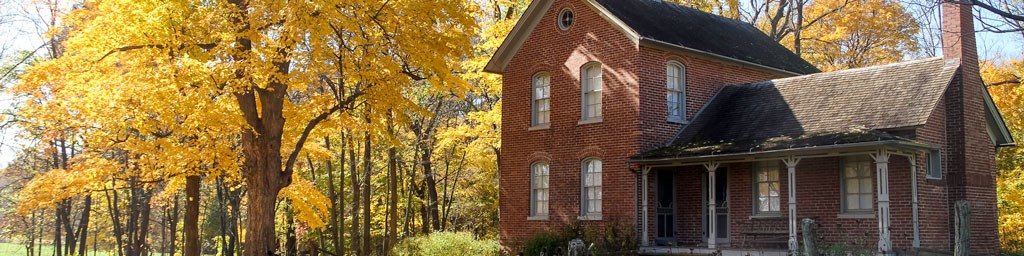
Place · 0.5 mi away
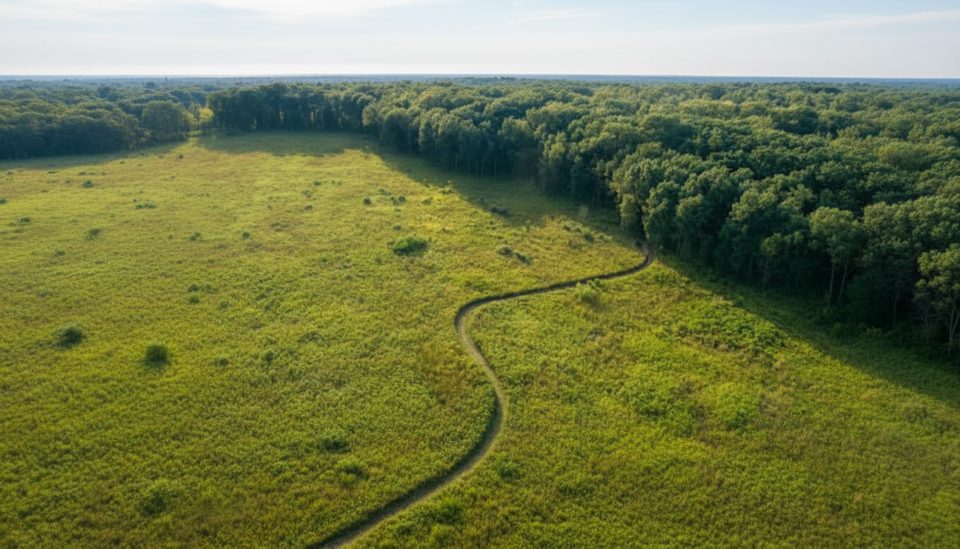
Moderate · 0.5 mi away
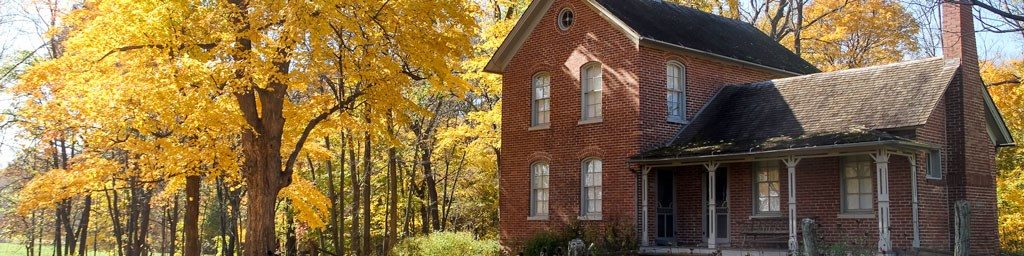
Easy · 0.5 mi away
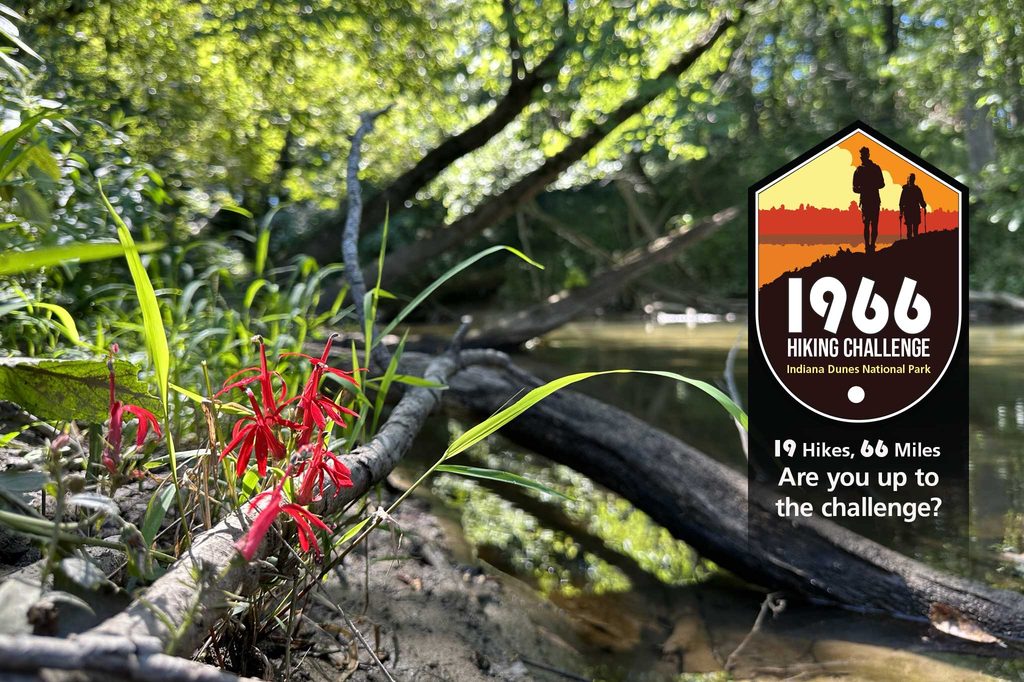
Moderate · 0.5 mi away
Easy · 0.5 mi away

Parkwolf Tour Guide
