
Place · 0 mi away
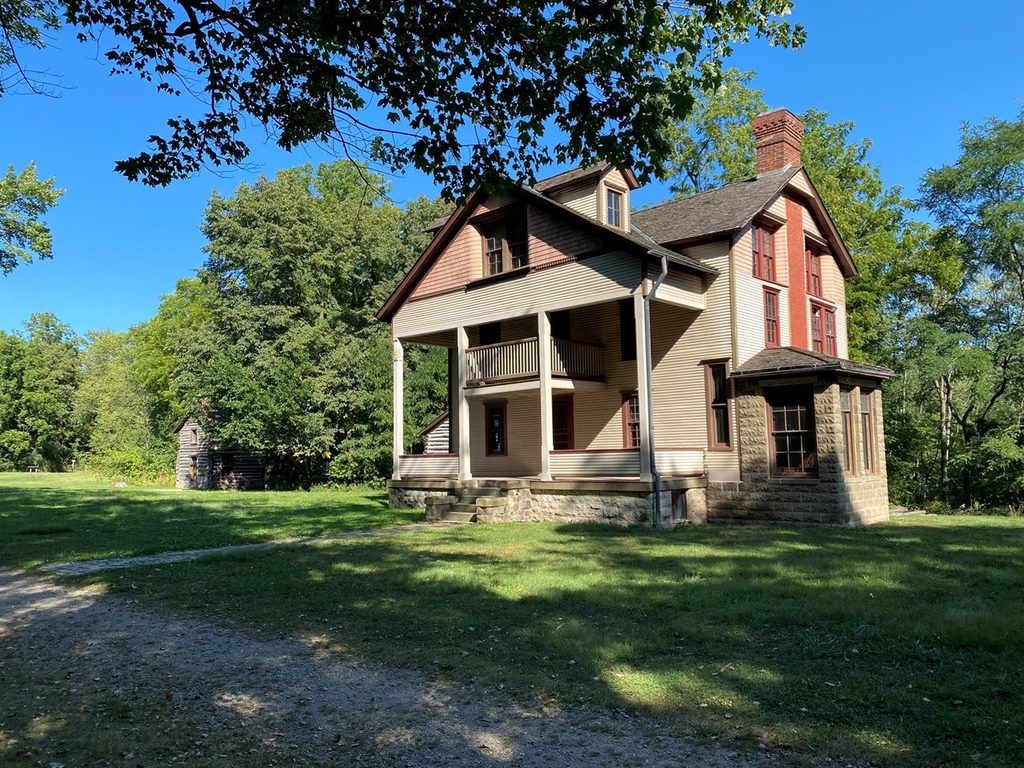
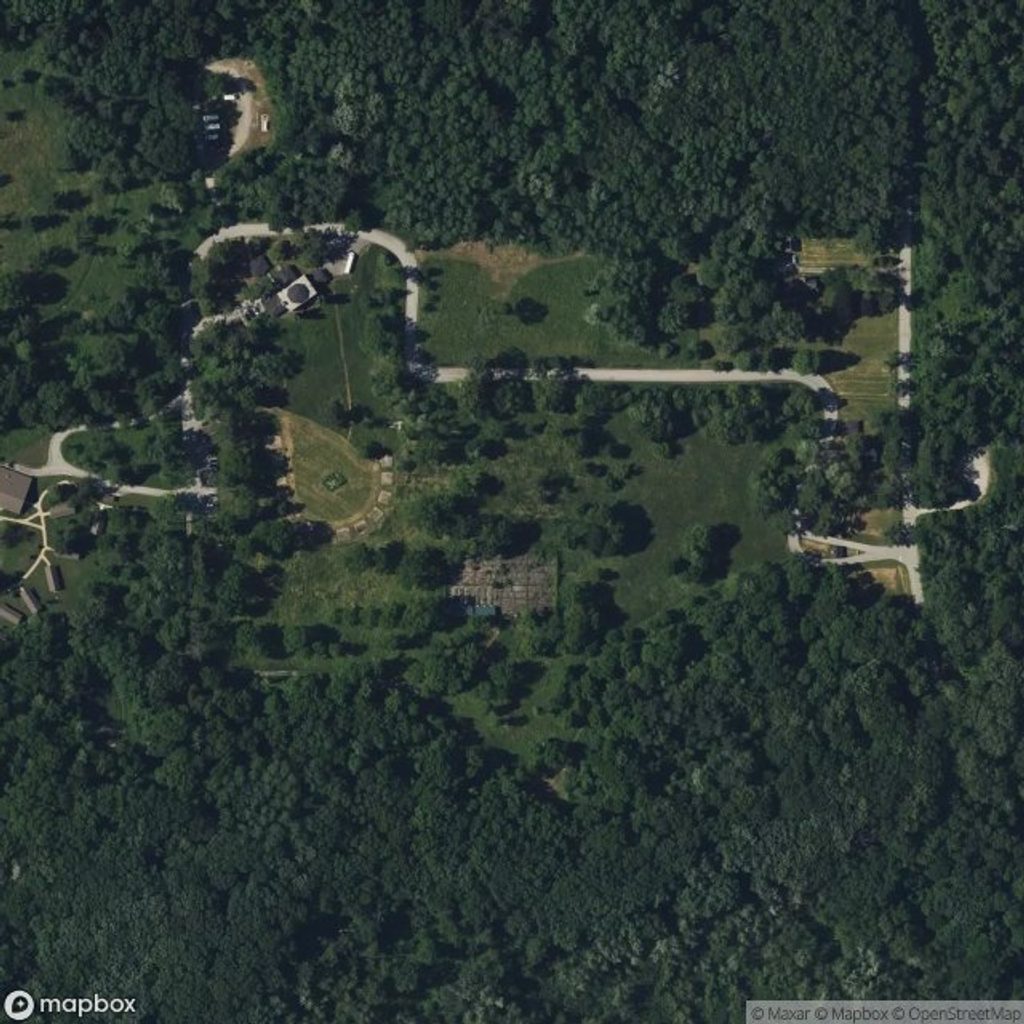
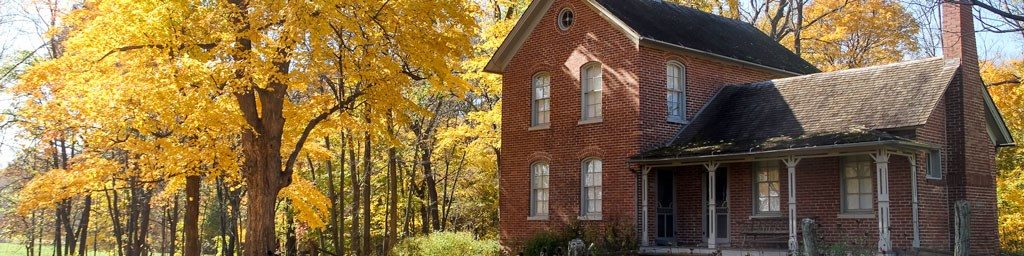
A National Historic Landmark tucked into quiet woods near the Little Calumet River, the Joseph Bailly Homestead blends French‑Canadian fur‑trade roots with later American pioneer life. The cluster includes the weatherboarded main house, a log Chapel just south of it, a 19th‑century brick house, and several outbuildings. It’s one of the region’s rare surviving fur‑trade sites and is sometimes referred to as the Bailly‑Howe Home.
Fur trader Joseph Bailly established his homestead here in the early 1800s; the property passed through the family for generations (hence the Bailly‑Howe name) before the National Park Service acquired it in 1971. The main house gained late‑19th‑century Victorian details over its pioneer core, reflecting changing tastes and eras. The site carries both settler and Native histories through its artifacts, stories, and setting.
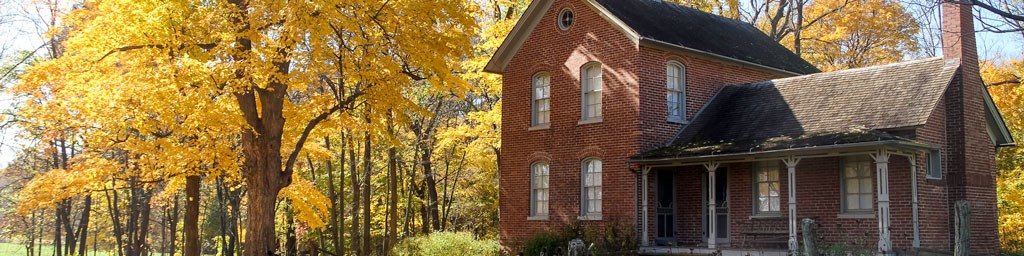
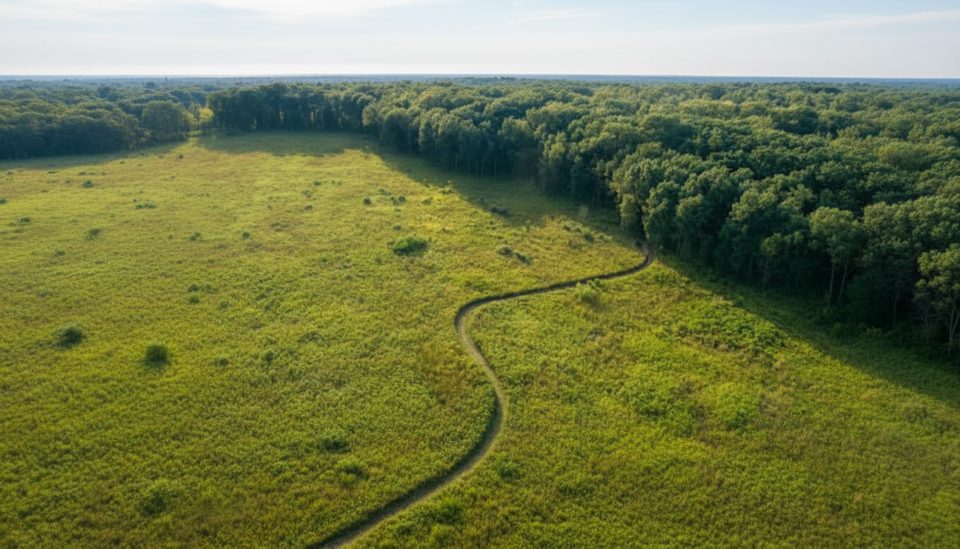
The homestead sits in a pocket of woods and prairie connected by boardwalks, bridges, and dirt paths. Expect birds, deer, and small mammals in the river corridor and prairie edges—nice excuses to bring binoculars. The Chellberg Farm connection makes this an easy half‑day blend of history, nature, and light hiking.
You’ll find parking, restrooms, picnic tables, and interpretive exhibits at the Bailly/Chellberg trailhead that serves the homestead. There’s no food, store, or campground here, and there’s no entrance fee. Bring water and snacks, especially if you plan to walk the full loop to the cemetery and farm.
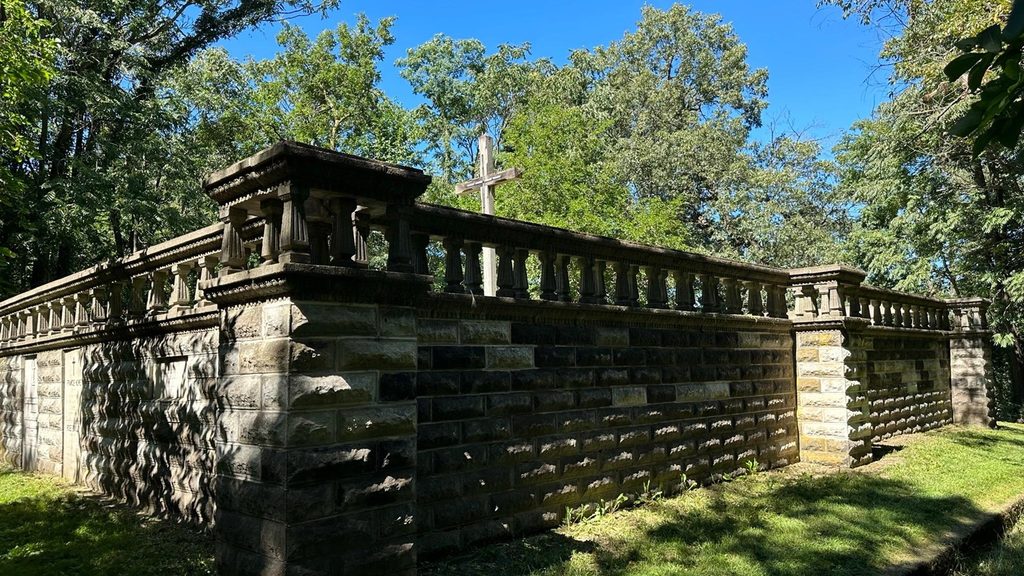
Mornings and weekdays are the calmest. Summer can be buggy and muddy after storms; spring often brings special programming at nearby Chellberg Farm, which adds interest (and sometimes crowds). For photos, aim for softer light early or late in the day, and check on‑site staffing if you hope to peek inside smaller structures.
If you’re into history—or just want a quieter, woodsy counterpoint to the beaches—this is an underrated stop. The blend of preserved buildings, thoughtful signage, and mellow trails makes it a rewarding, low‑key slice of the park.
Place · 0 mi away
Place · 0.2 mi away
Place · 0.3 mi away
Place · 0.3 mi away
Moderate · 0.2 mi away
Easy · 0.3 mi away
Moderate · 0.3 mi away
Easy · 0.3 mi away

Parkwolf Tour Guide
