
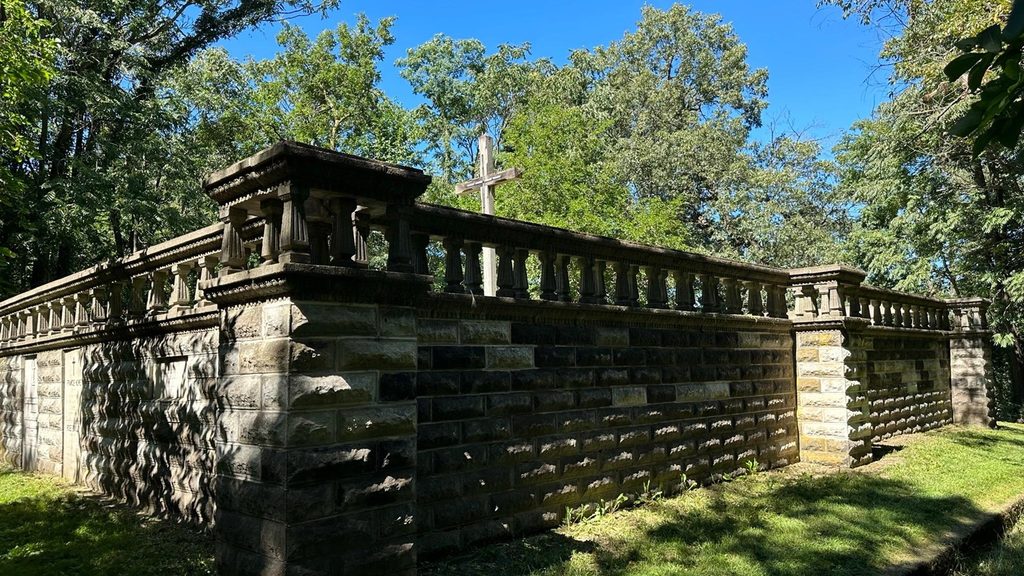
Place · 0.2 mi away

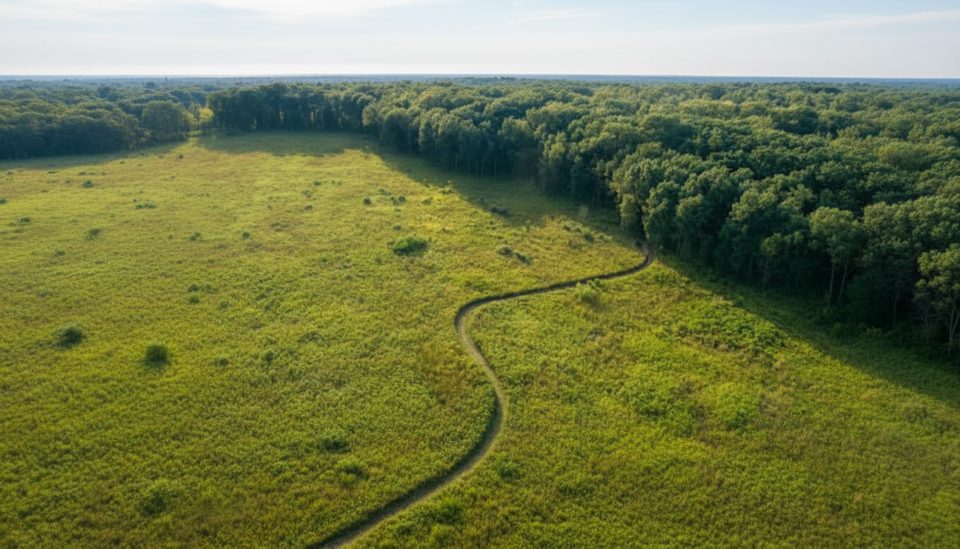
Mnoké Prairie (pronounced muh-NO-kay, Potawatomi for “good earth”) is a restored tallgrass prairie woven into the Bailly Homestead–Chellberg Farm–Little Calumet River trail network. It’s an easy-to-love patch of open sky and grasses that feels blissfully removed from the park’s busier beaches.
Expect swaying grasses, wildflowers in late spring and summer, and broad horizons perfect for skywatching. Birding is a highlight—songbirds and hawks work the prairie and edges—and you may spot butterflies, deer, and other small mammals. Seasonal moods are strong here: spring bloom, lush summer growth, burnished fall colors, and stark winter beauty.
Mnoké Prairie sits on natural-surface paths within an interconnected trail system that links prairie, woods, river crossings, and nearby historic sites. Surfaces range from packed soil to occasional boardwalk sections with gentle grades. Amenities—parking, restrooms, potable water (bottle filling), and a picnic area/shelter—are clustered at the main trailhead serving this area; once you’re out in the prairie, there are no services.
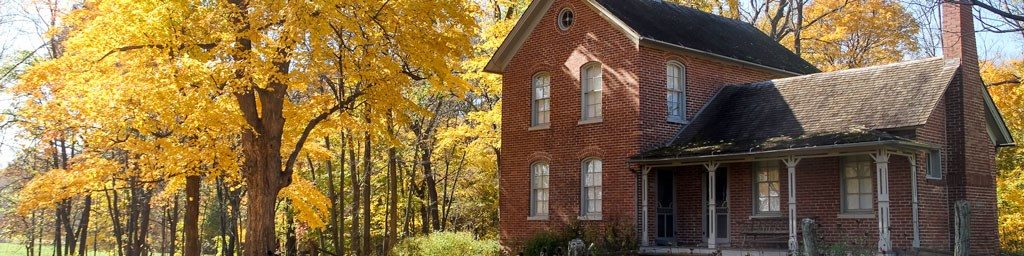
This landscape restoration unfolds beside two of the park’s signature historic sites: Bailly Homestead and Chellberg Farm. Walks here pair nature with history, and when operating, Chellberg Farm demonstrates maple-syrup production—this is the only U.S. national park that makes maple syrup.
For wildlife and soft light, aim for early morning or late afternoon. Spring and early summer bring peak wildflowers and active birdlife; fall lights the prairie with tawny reds and golds. Weekdays are typically quieter; weekends can see more foot traffic near trailheads, but the prairie remains a calm escape compared to the lakeshore. Trails in this complex are open daily from early morning to late evening.
Place · 0.2 mi away
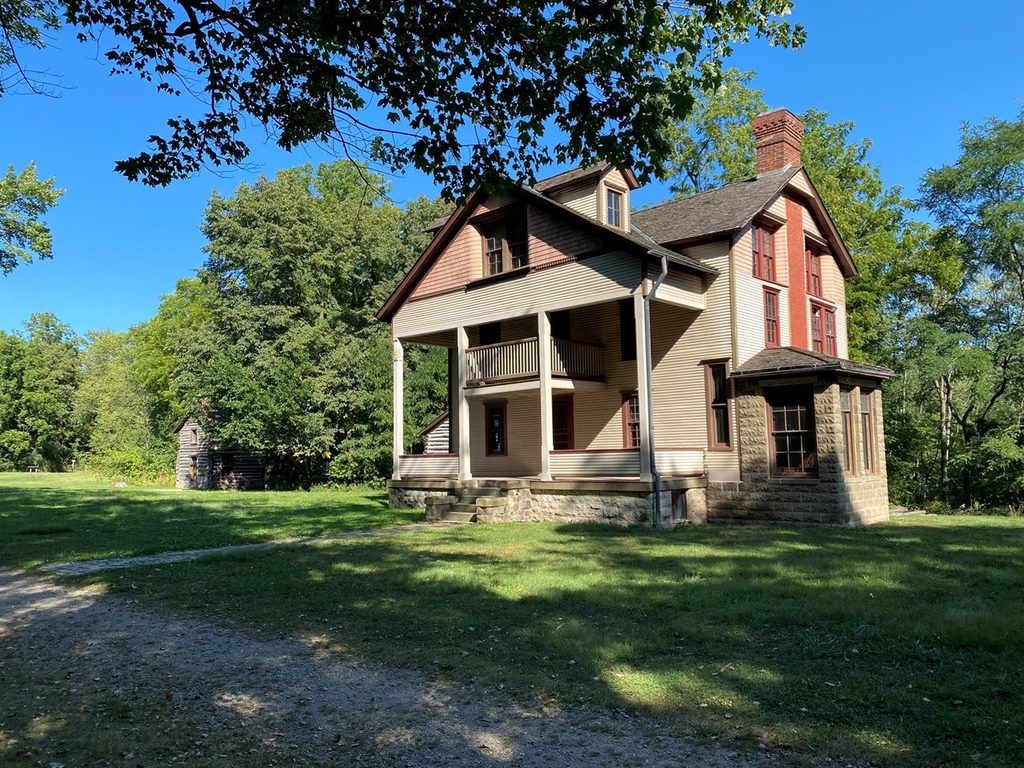
Place · 0.2 mi away
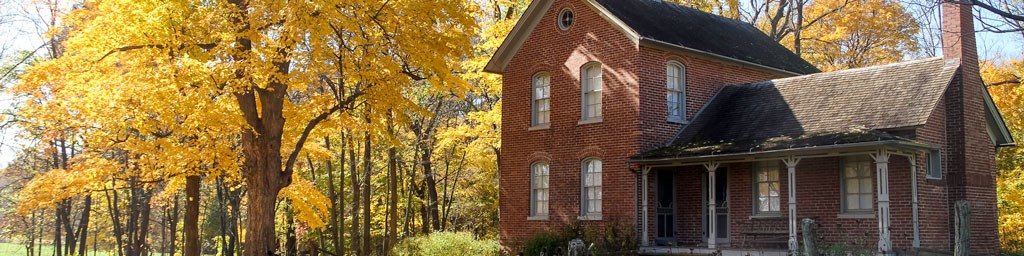
Place · 0.4 mi away
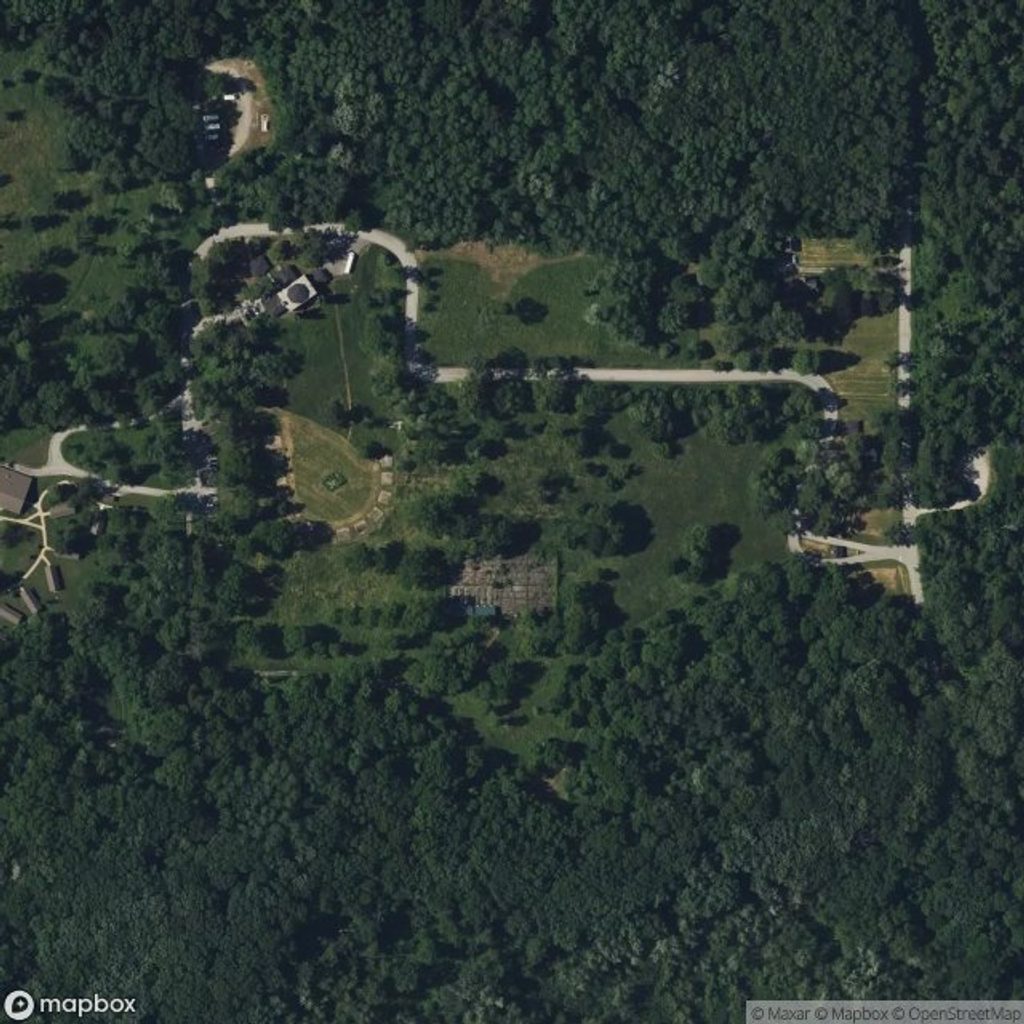
Place · 0.5 mi away
Moderate · 0 mi away
Easy · 0.4 mi away
Moderate · 0.4 mi away
Easy · 0.4 mi away

Parkwolf Tour Guide
