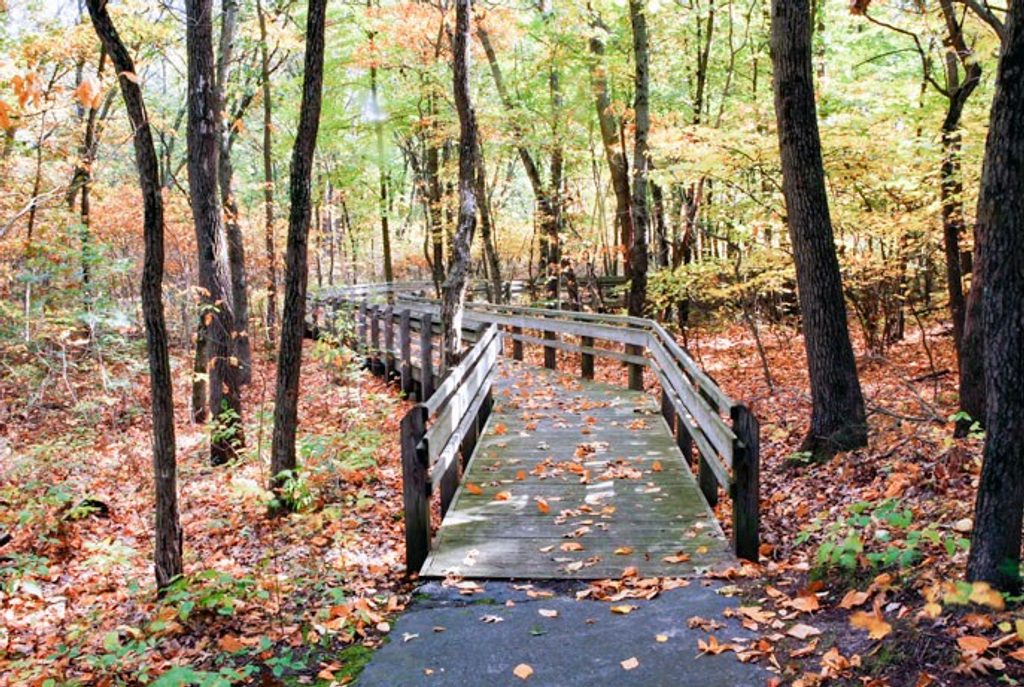
Overview
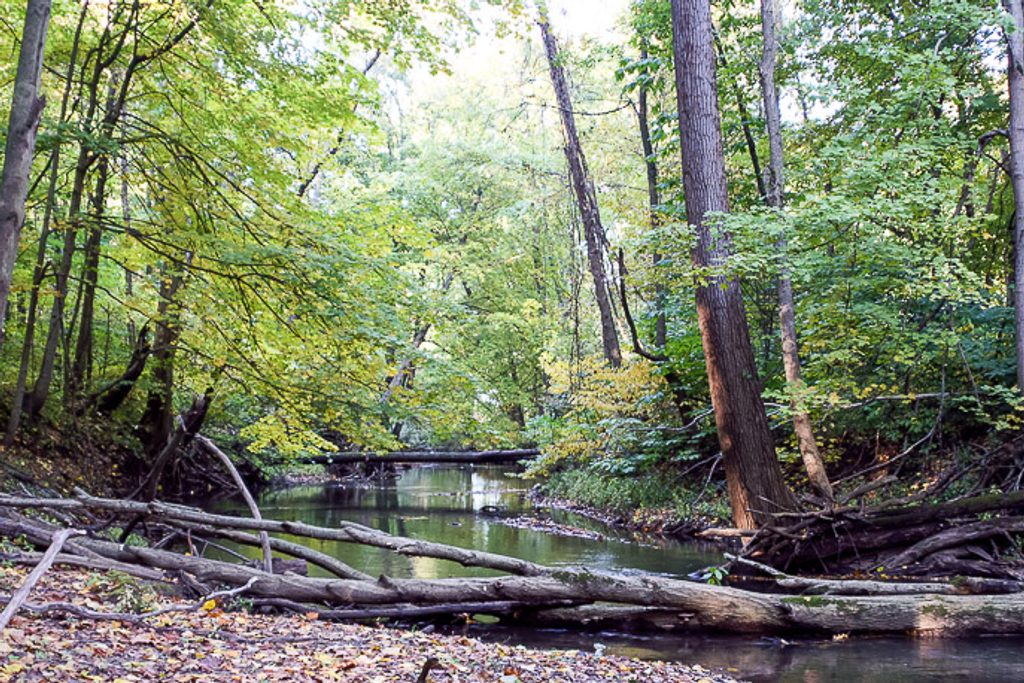
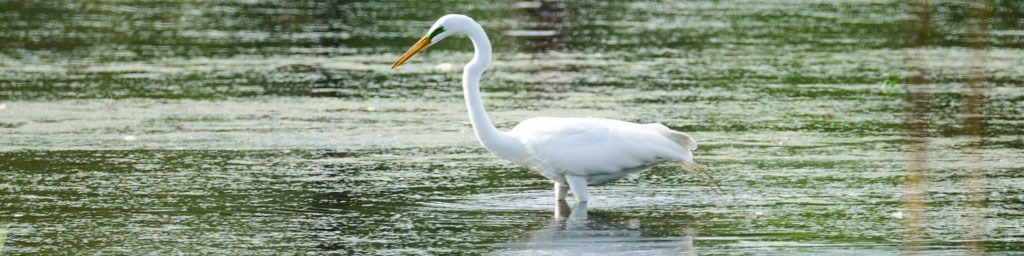
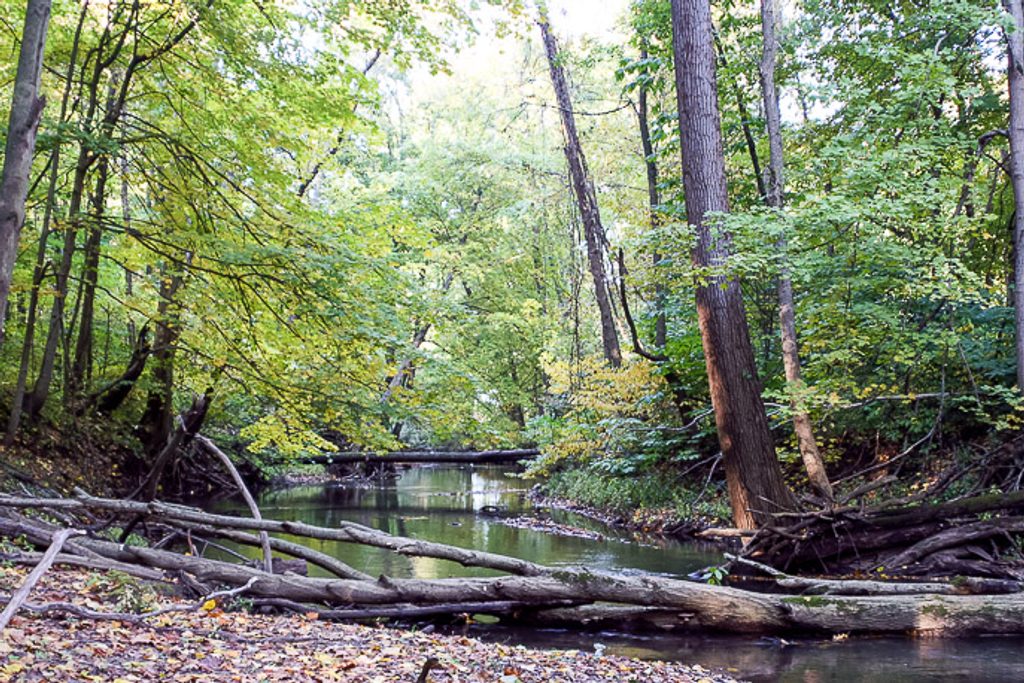
A quiet, inland escape along the Little Calumet River, the Heron Rookery delivers one of the park’s best spring wildflower displays and reliably good birding, far from the busy lakeshore. The name comes from a historic heron nesting colony that has moved on, but the corridor still draws herons and plenty of riparian and woodland birds.
Trail at a Glance
- Route: Easy, mostly flat out-and-back following the river
- Distance: About 3.3–3.4 miles round-trip with minimal elevation
- Surface: Natural tread that can be soft or muddy after rain
- Uses: Hiking, birding, easy running; dogs allowed on leash
What You'll See
- Spring ephemerals steal the show mid‑April to early May—think carpets of woodland blooms under mature beech‑maple forest.
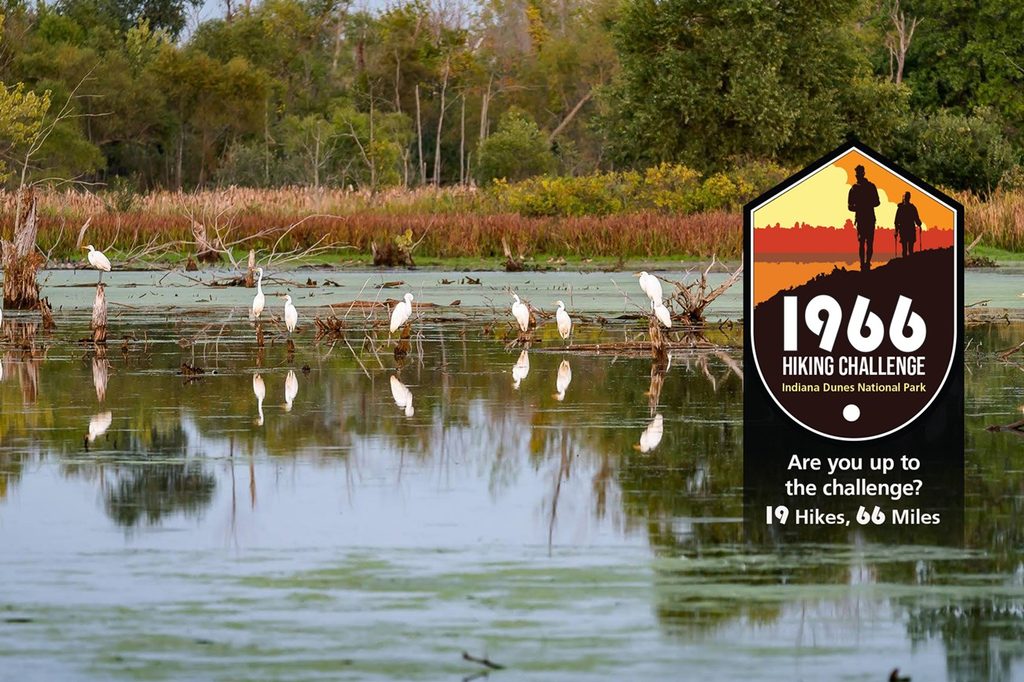
- A peaceful river corridor with frequent songbird activity; heron sightings are possible along the water even though the active rookery is gone.
- A shady floodplain forest that stays pleasant even on warmer days.
Best Time to Visit
- Wildflowers peak in mid‑April to early May. Go early morning for birds and calmer trails.
- Weekends around midday are the busiest; aim for early or late in the day for parking ease and solitude.
- The area keeps simple day-use hours; dawn and golden hour light work nicely under the canopy for photos.
Practical Notes
- No facilities: no toilets, no water, no picnic tables. Come prepared and self‑sufficient.
- Expect mud after rain; waterproof or quick‑dry footwear helps. In late spring and summer, bring bug spray and do a tick check.
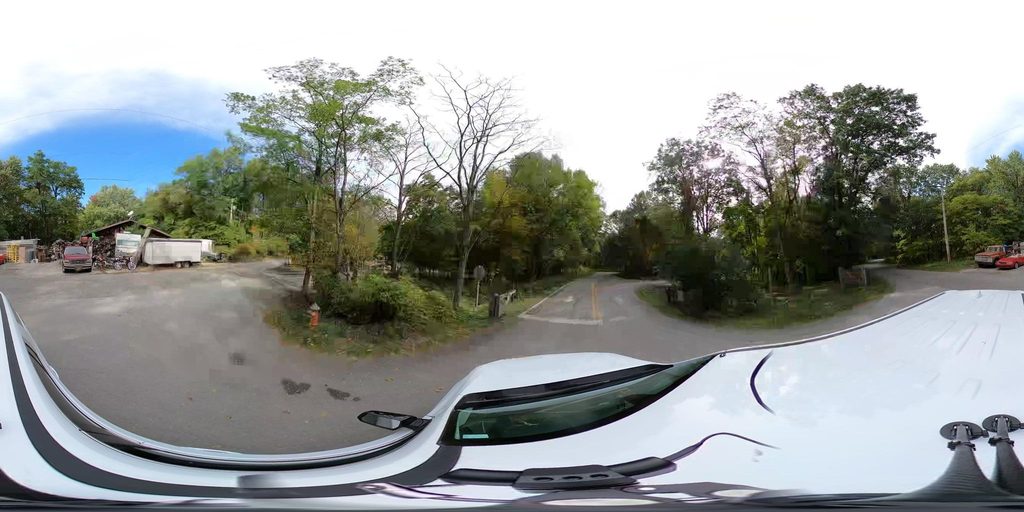
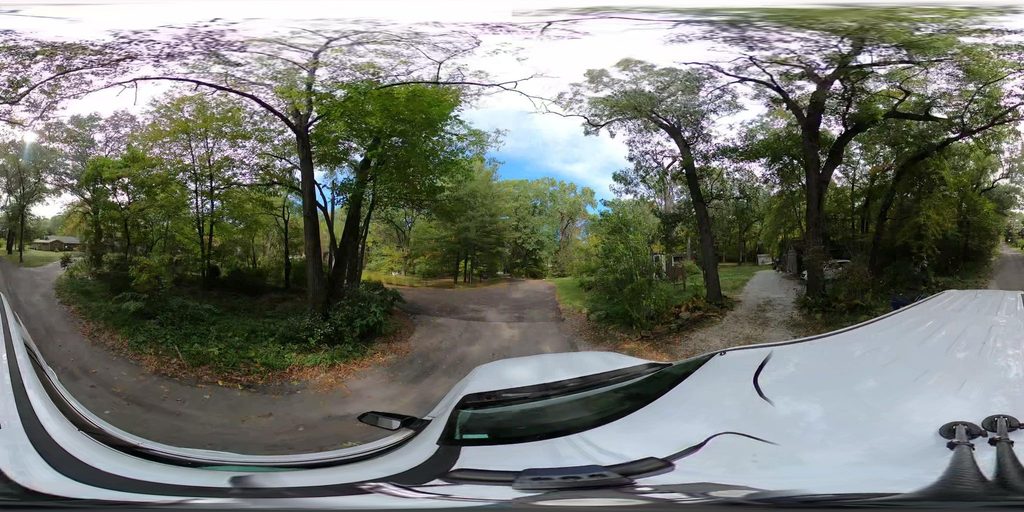
- Small parking lots at each end; the east lot typically has more spaces, while the west end is quite limited.
Orientation
- Access from both ends of the linear corridor: an east trailhead on N 600 E and a small west-end lot. The path parallels the river between them.
Why It’s Worth Your Time
If you like tranquil forest walks, spring ephemerals, and birdsong, this is one of the park’s most rewarding inland strolls. It’s simple, scenic, and underrated compared to the dunes—just plan for bugs and the lack of amenities.