
Place · 0.6 mi away
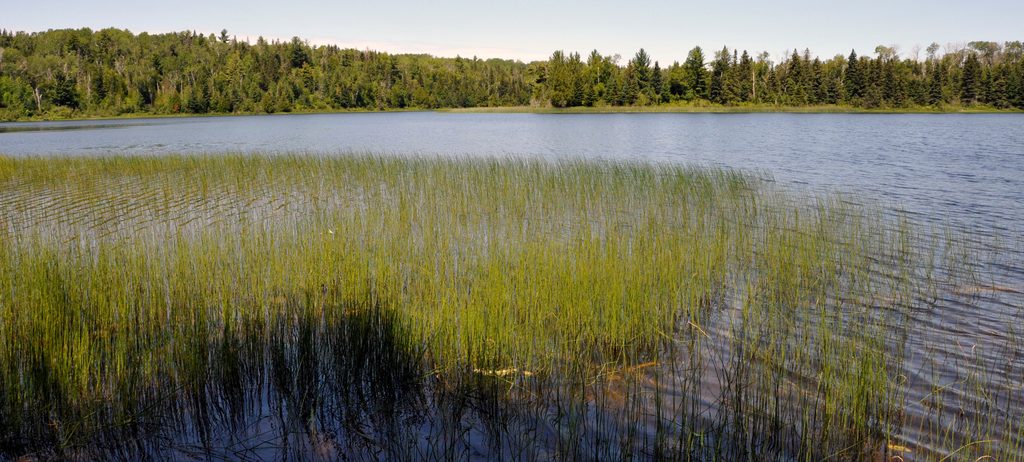
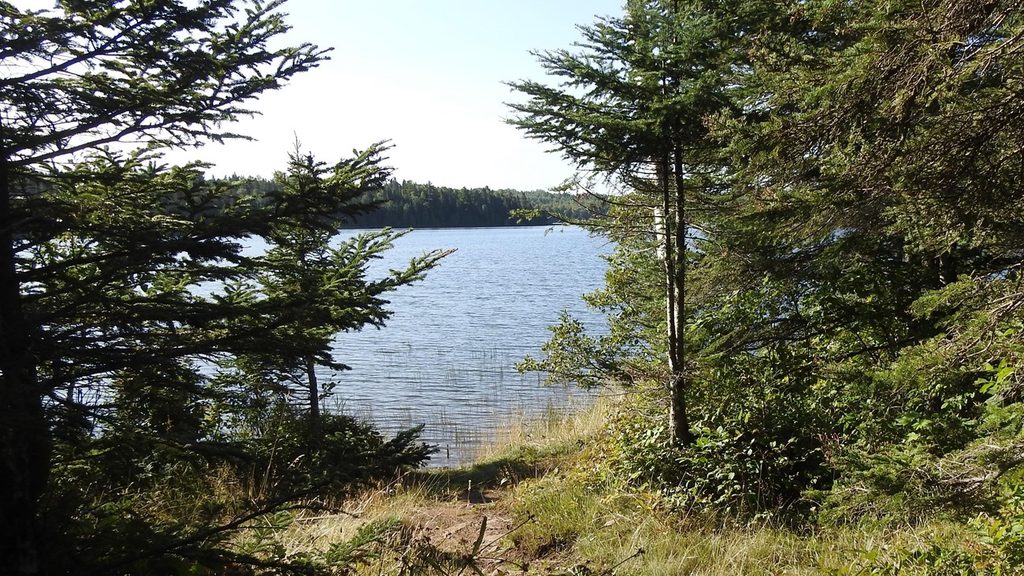
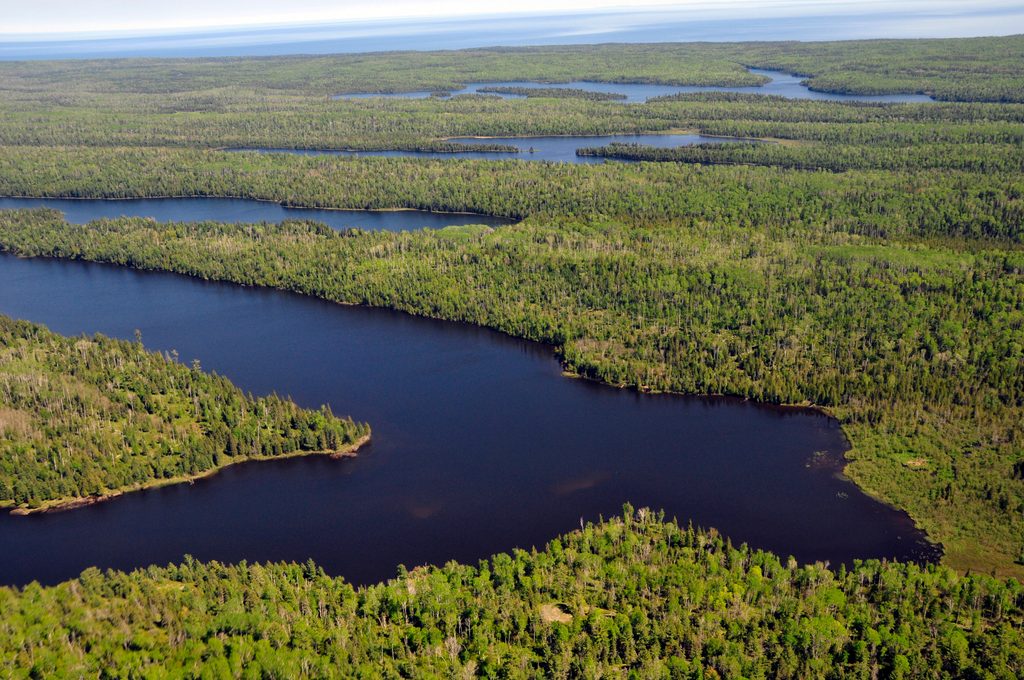
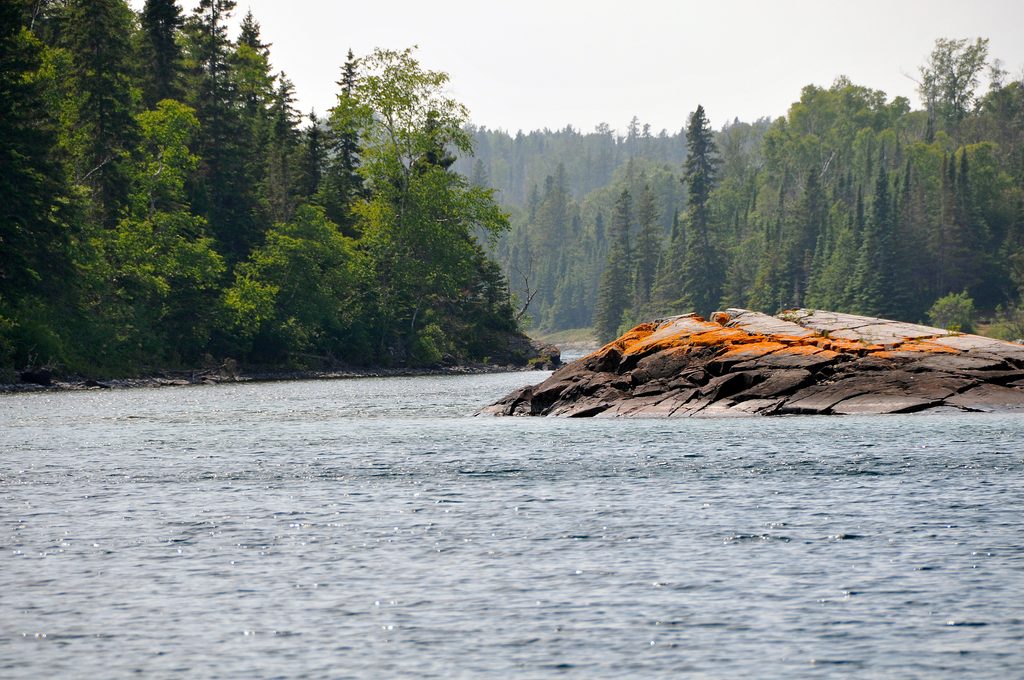
Chickenbone Lake is a quiet inland stretch of water along the park’s central corridor, ringed by forest and used mostly by backpackers and paddlers moving between Greenstone Ridge destinations. It’s a backcountry stop through and through—no roads, no services—just a lake, trails, and two simple campgrounds.
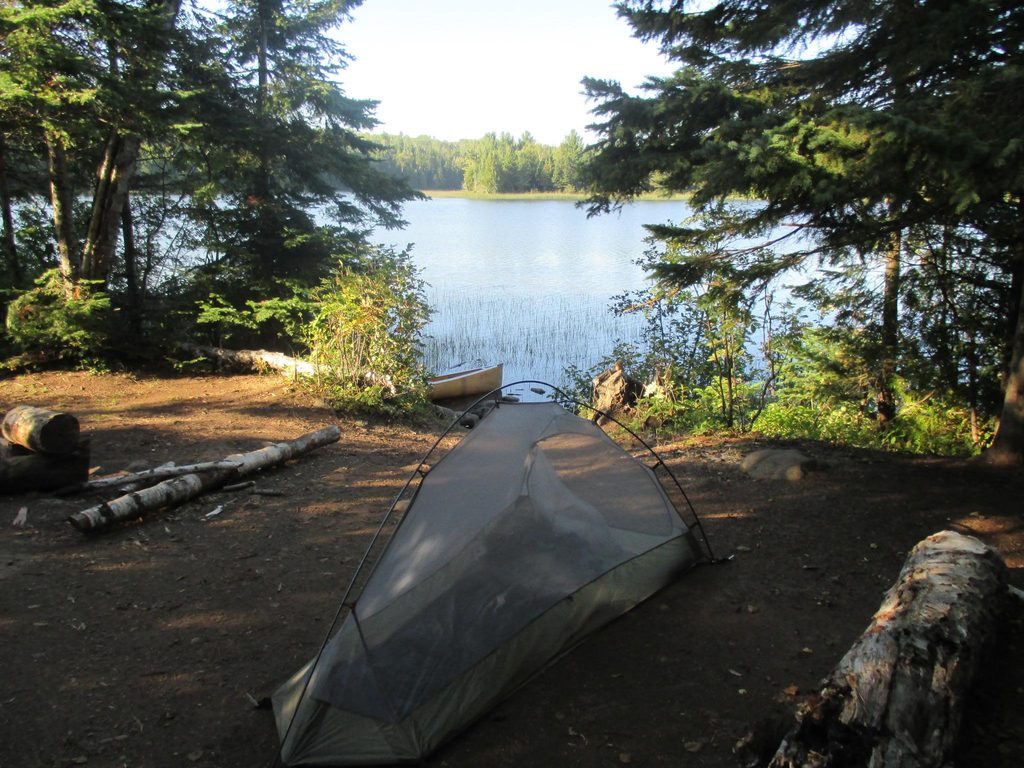
You’ve got two camping options tied to the lake. West Chickenbone sits at the lake’s west end off the Indian Portage Trail, with some sites close to the water. East Chickenbone is set up on higher ground and isn’t on the shoreline; plan on a walk down to the lake for water. The two campgrounds are roughly 1.6 miles apart, handy for route planning.
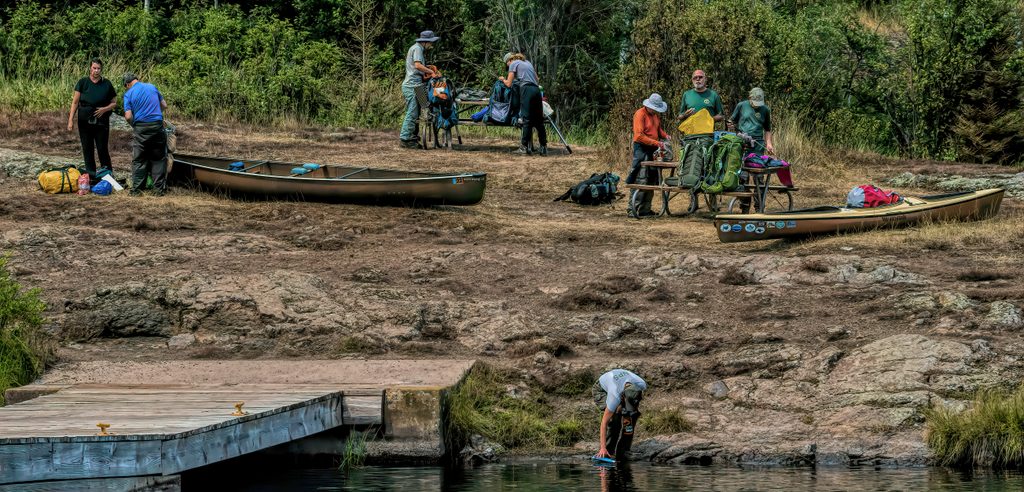
Paddlers can reach the area by portaging: about 1.2 miles from McCargoe Cove or just 0.2 miles from Lake Livermore. West Chickenbone is a natural fit if you’re moving through by canoe or kayak. In peak season, a stay limit applies, so plan your itinerary accordingly.
The Greenstone section between Mount Ojibway and Chickenbone doesn’t offer much water en route, so carry plenty and top up (and purify) at Daisy Farm or at Chickenbone Lake when you get there. Expect no services or connectivity and a simple, backcountry vibe. West Chickenbone can draw a crowd, yet many hikers still describe the lake as calm and quiet overall; note that true lakeside tent pads at the west end are limited.
Moose sightings are a real possibility around Chickenbone—hikers regularly report seeing them near the shoreline. Beneath the surface, the lake is ecologically special for its dense native freshwater mussel population, a sign of a very healthy inland lake. Treat the shoreline gently to protect this fragile habitat.
If you’re backpacking the Greenstone, time your day so you reach Chickenbone before late afternoon—water is scarce on the approach, and arriving earlier improves your chances of snagging one of the better sites at West Chickenbone. Summer is the busiest stretch, and the mid‑season stay limit is in effect then.
Place · 0.6 mi away
Place · 1 mi away
Place · 1.2 mi away
Place · 1.4 mi away
Moderate · 1.4 mi away
Easy · 1.4 mi away
Moderate · 1.4 mi away
Moderate · 3.9 mi away

Parkwolf Tour Guide
