Place · 0.6 mi away

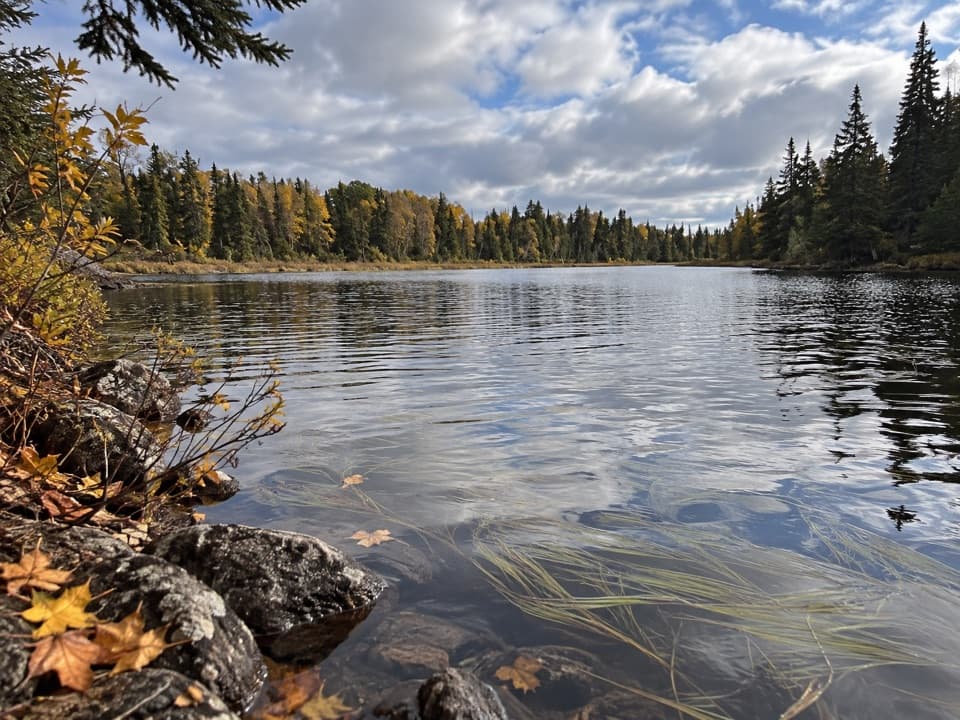
A classic backcountry stop, West Chickenbone sits on the west end of Chickenbone Lake and serves hikers moving along the island’s interior. It’s a primitive, hike‑in/paddle‑in campground off the Indian Portage Trail and a logical overnight on the Mount Ojibway–to–Chickenbone Lake section of the Greenstone Ridge. East and West Chickenbone are 1.6 miles apart, giving you flexibility when planning miles and water.
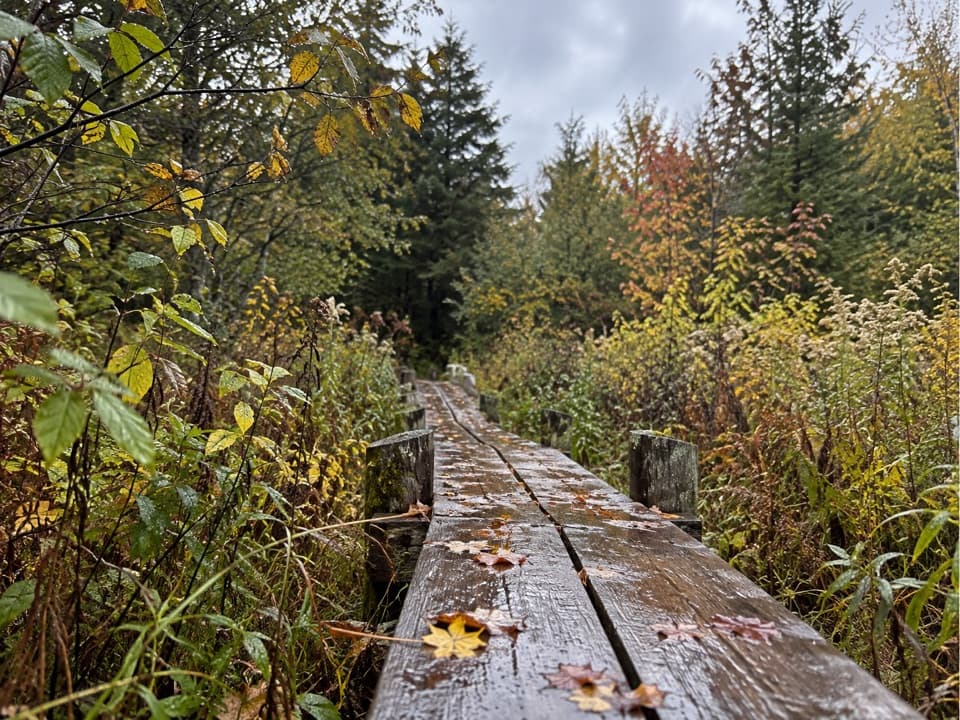
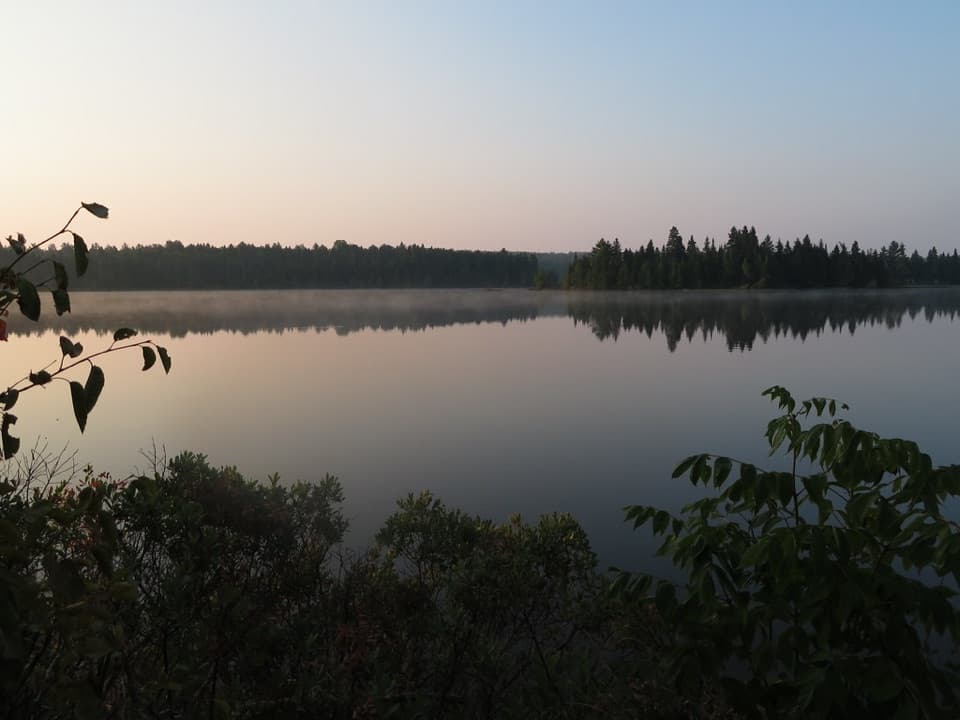
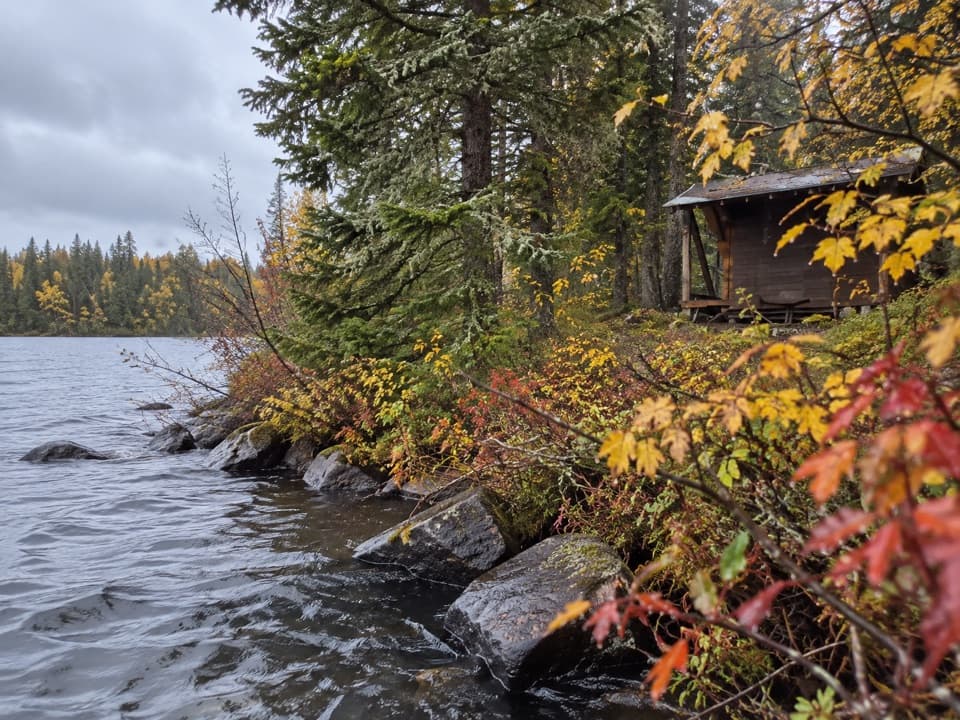
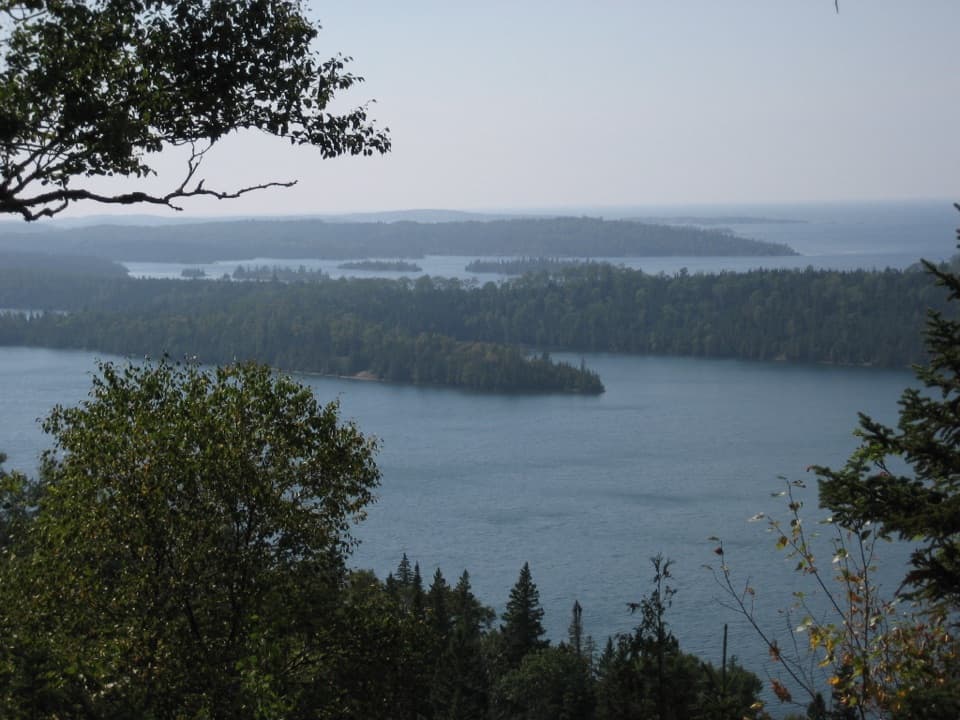
Expect tent‑only, wooded sites tucked just off the lakeshore with filtered views across Chickenbone Lake. Some individual sites sit right on the water, while designated group sites are set a bit higher. The spur down from the Greenstone is short but noticeably steep, and several campers note a steep path from group sites to the lake. There are no coastal-style shelters here—bring a tent. Facilities are minimal and backcountry‑basic, with pit toilets and no potable water, store, or services.
Plan your water carefully on this stretch. Official guidance emphasizes scarce sources along the ridge—carry enough for the day and purify at Chickenbone Lake (or Daisy Farm if your itinerary passes through). Shoreline access is easy, but the immediate lake edge can be mucky; look for clearer intake points and always filter or treat. Camp is first‑come, first‑served, with typical summer stay limits to spread use.
You get here on foot via interior trails, or by paddle with short portages between interior lakes. There’s no road access and no on‑site services or connectivity—this is fully off‑grid.
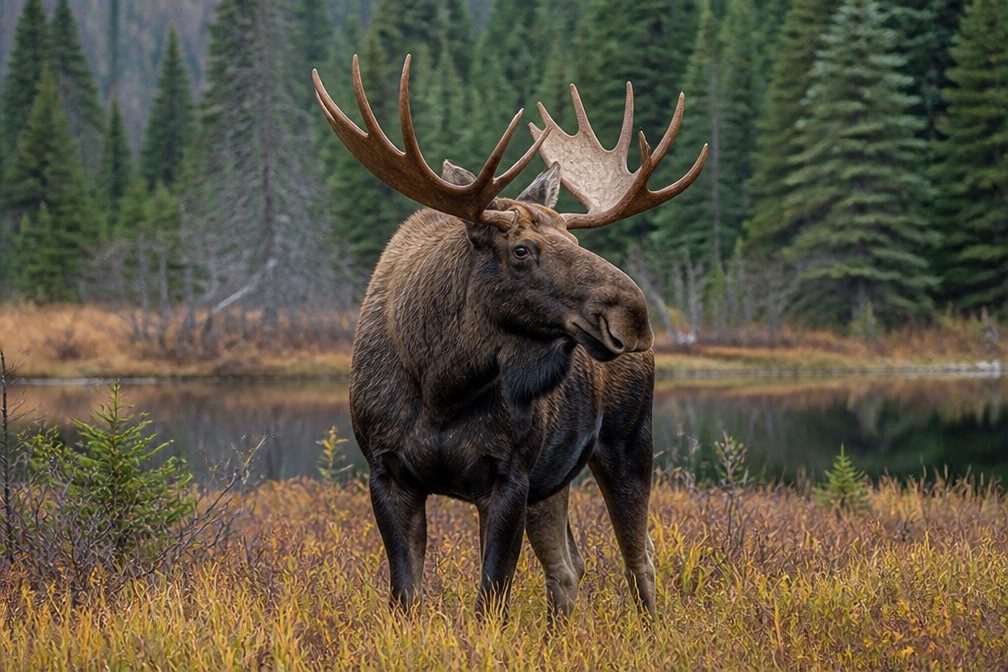
This is solid moose country. Hikers commonly see moose sign around camp and occasionally spot animals along the opposite shore or moving through at night. Smaller residents—rabbits, painted turtles, and garter snakes—are also around. Enjoy the wildlife, but give moose a wide berth if they appear.
Despite its interior setting, West Chickenbone is popular with through‑hikers. In peak summer (especially August), expect company and the possibility of sharing a group site. On shoulder-season weekdays, it tends to feel quieter.
Arrive by early afternoon to snag a lakeside spot before peak evening arrivals. Dawn and dusk bring the best light on the lake—and your best shot at moose activity. Weekdays are typically calmer than weekends mid‑season.