
Place · 1.9 mi away
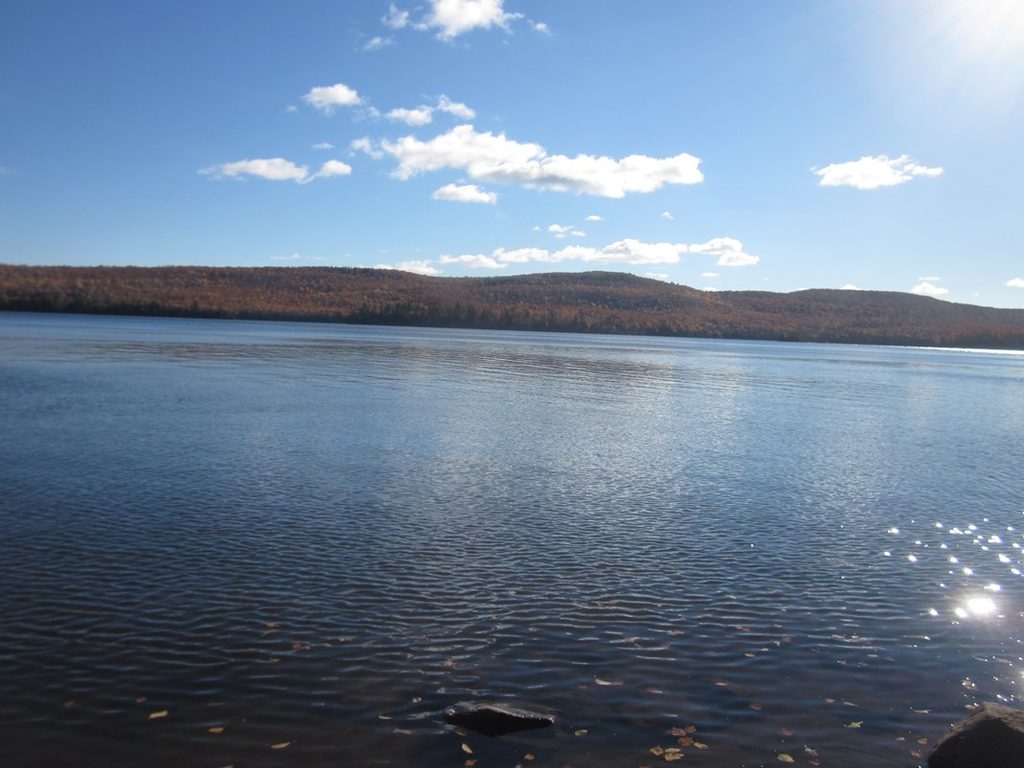
Little Todd Harbor Campground is a primitive, hike-in backcountry spot tucked on the island’s north shore along the Minong Ridge corridor. With just four tent sites and a rugged, rocky shoreline, it’s built for backpackers who want real solitude and big-water scenery. There’s a two-night limit between June 1 and Labor Day, which keeps turnover steady and the vibe quiet.
You reach Little Todd by foot via the Minong Ridge Trail and a short access spur. There’s no road, no parking, and notably no public dock here—unlike nearby Todd Harbor—so plan on hiking in or paddling and landing carefully along the natural shoreline. Expect forest cover, ancient volcanic rock underfoot, and a front-row seat to Lake Superior.
Heading east from Little Todd toward North Desor is under six miles on paper, but the terrain is slow and typically takes hikers most of the day. There’s also no easy water on that stretch. In other words, Little Todd is your strategic refill point: treat lake water here and leave camp topped off so you’re not rationing on the ridge.
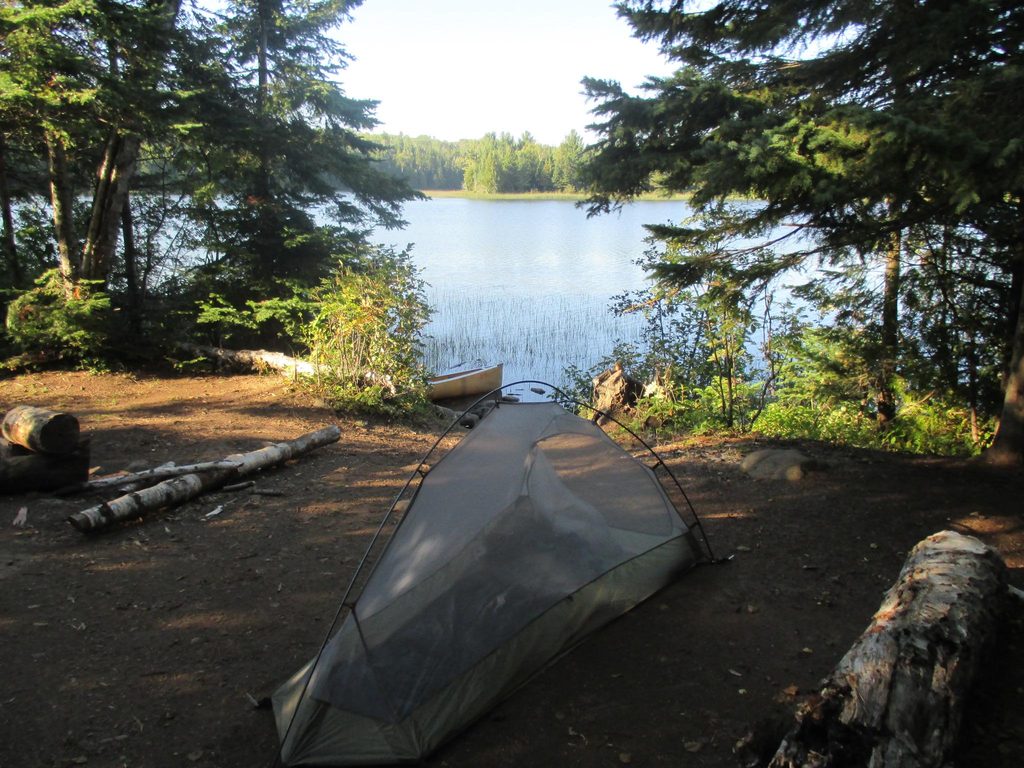
Facilities are minimal by design: pit toilet, designated fire ring(s), and four primitive tent pads. There’s no potable water, showers, picnic tables, stores, or power. You’ll be filtering from the lake, packing out your trash, and relying on your own kit—exactly what many Minong hikers come for.
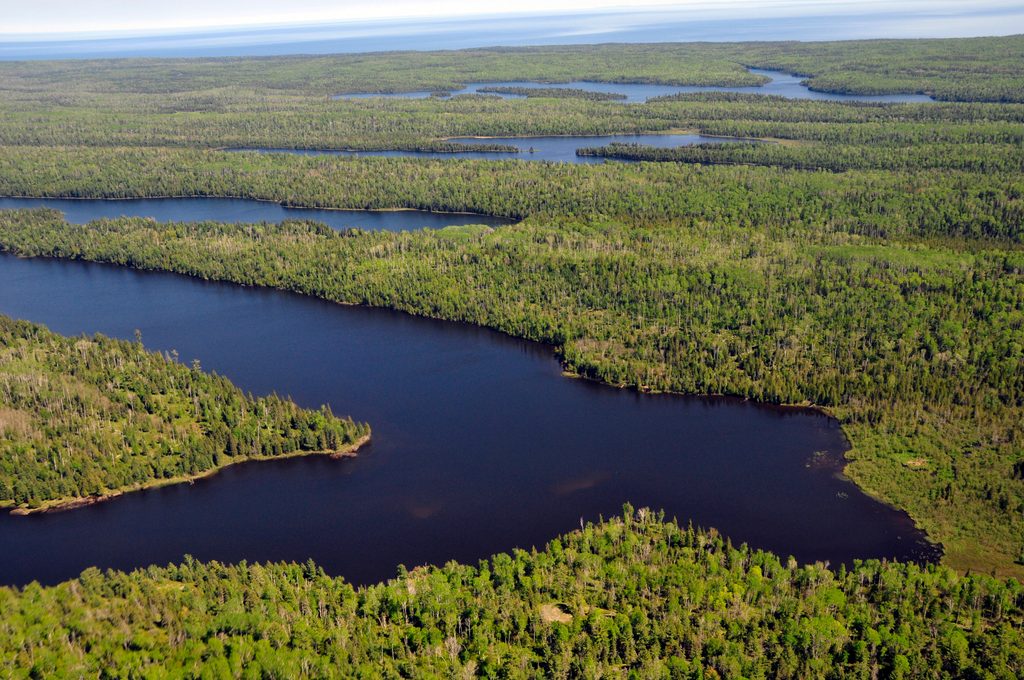
The payoff is a classic north-shore panorama: cold-blue Superior, wave-polished rock, and a dark spruce–fir backdrop. The remoteness pays dividends after sunset too—starry skies are a regular feature on clear nights. Wildlife is possible around camp and along the trail (think moose, foxes, hares, and plenty of birdlife), so keep your distance and store food properly.
Backpackers time this stop to their Minong itinerary rather than a specific hour, but a few patterns help: mornings are calmer for shoreline water collection and an early start on the ridge; evenings bring soft light and quieter conditions for camp. Summer offers the warmest temperatures—and the most biting insects—while shoulder-season nights can turn chilly on the lake. Crowds are naturally light due to the effort required to get here.
Place · 1.9 mi away
Place · 1.9 mi away
Place · 3.7 mi away
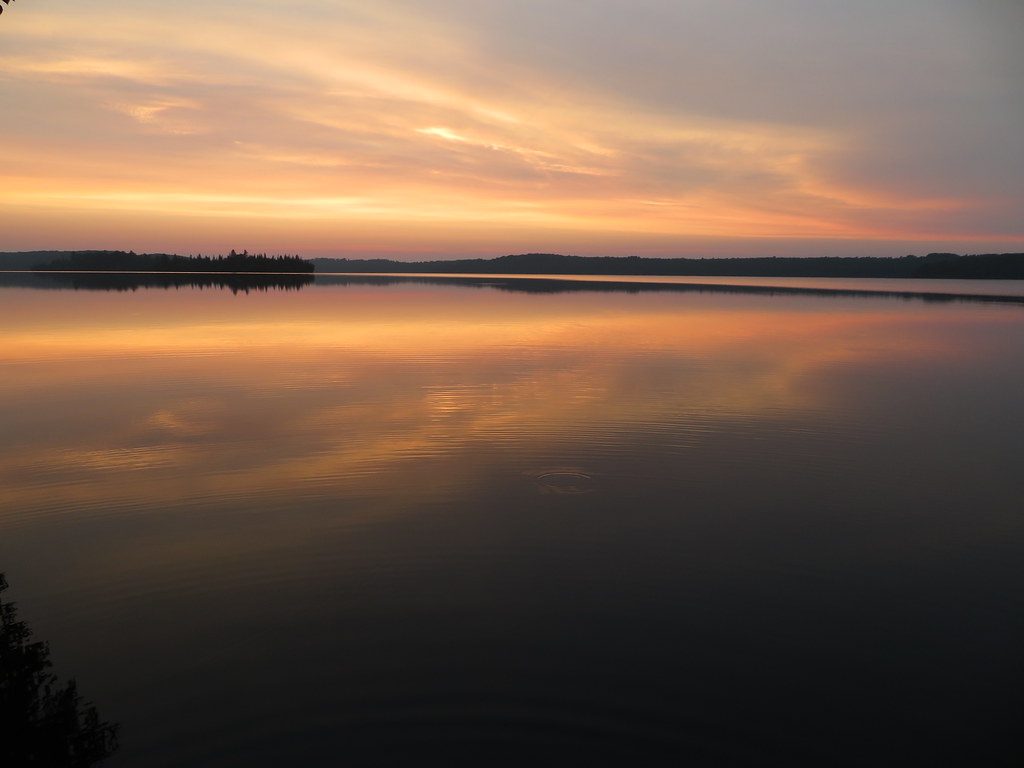
Place · 4 mi away
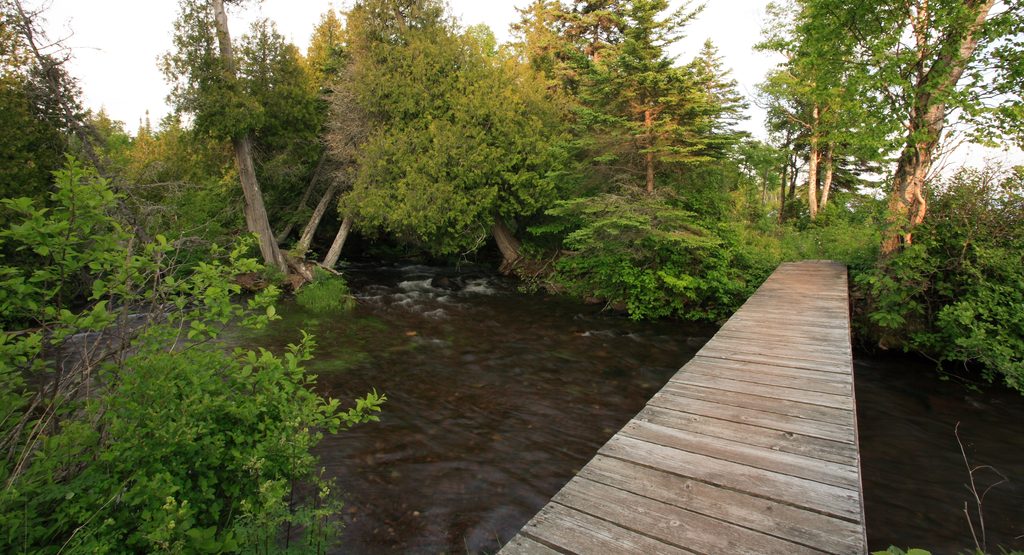
Challenging · 6.1 mi away
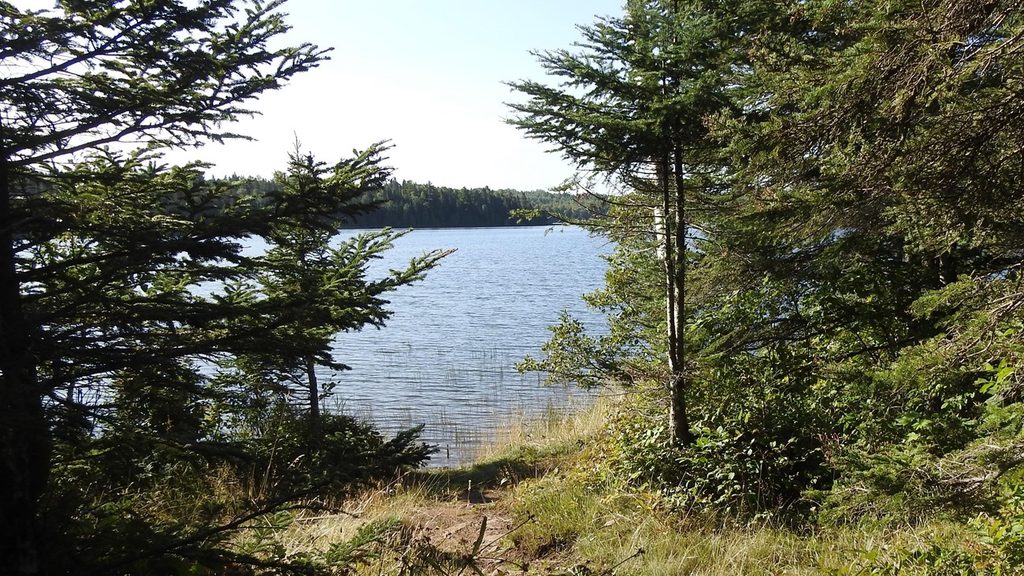
Moderate · 11.1 mi away
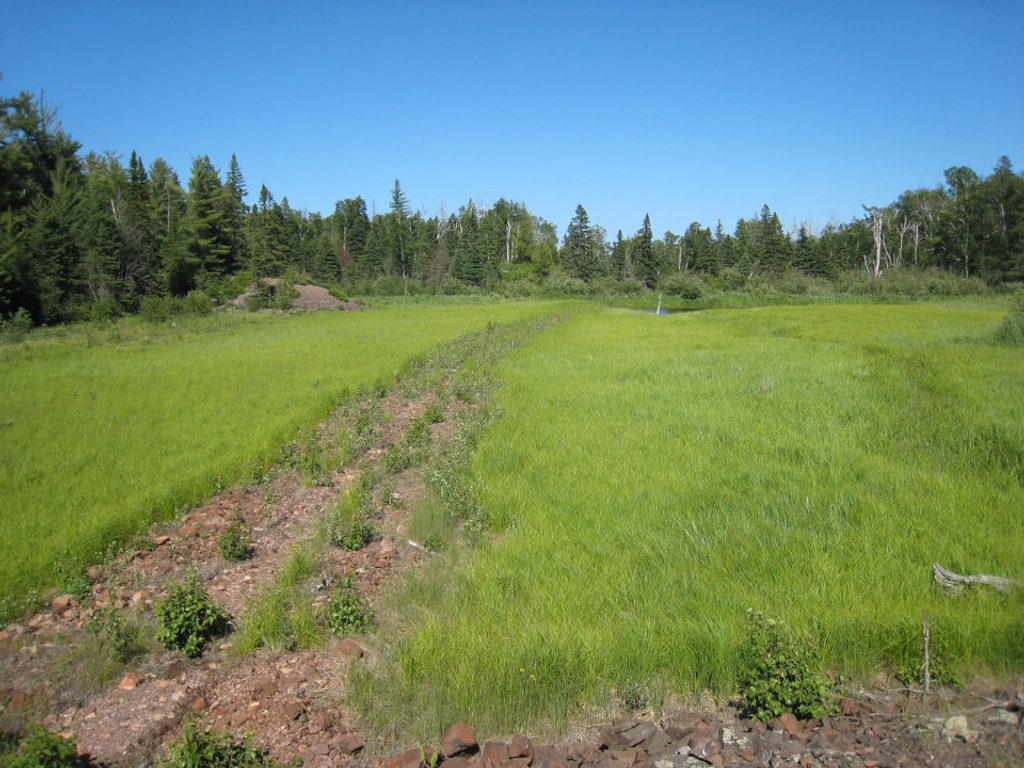
Easy · 11.1 mi away
Moderate · 11.1 mi away

Parkwolf Tour Guide
