Jacques Lake

Low-effort backcountry lake with solitude and a lakeside campground
Jacques Lake, Jasper National Park
InsideJasper National Park

Overview

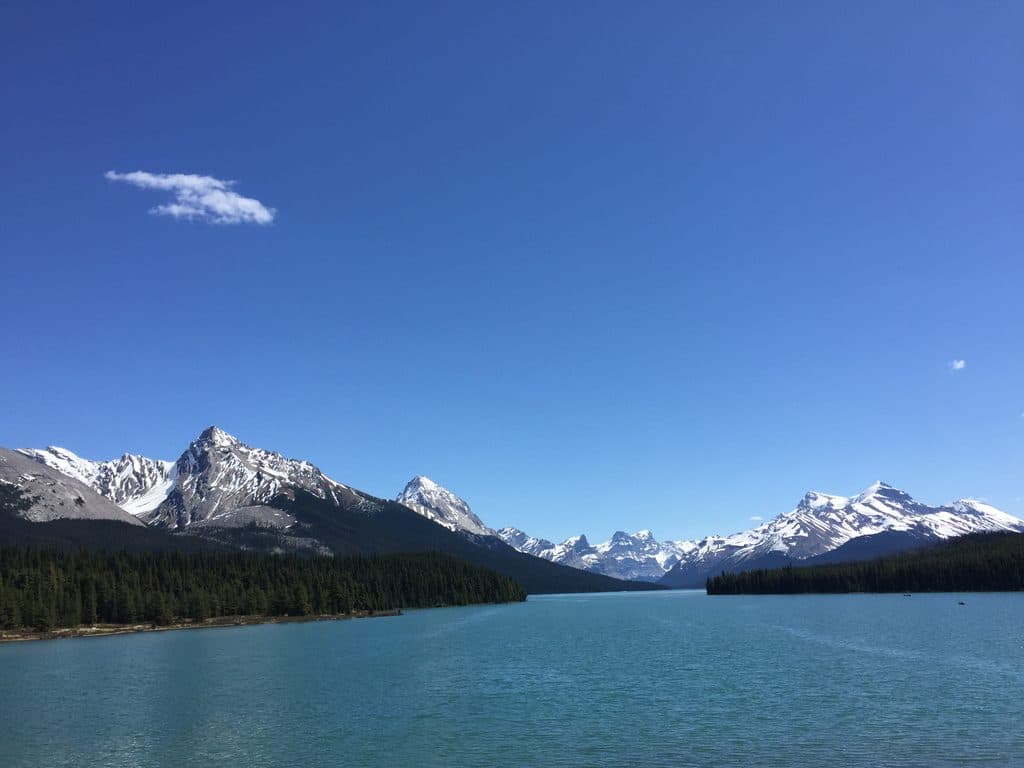
Jacques Lake is the mellow backcountry escape everyone asks for but rarely finds: a clear, blue lake in a hushed valley, ringed by forest and peaks, without the punishing climb. It’s a straightforward hike that feels surprisingly remote once you reach the shore.

The Hike In

Expect about 12.2 km one-way with roughly 150 m of total elevation gain—mostly gentle grades. The route rolls through forest and meadows, passing Beaver Lake and the Summit Lakes before delivering you to Jacques Lake. Early sections can be wet or muddy, and you may need to step through shallow flows crossing the path, so waterproof footwear helps.

Why It’s Special

This is one of the park’s rare low-effort, high-reward overnights: multiple lakes, mountain views, and a genuine sense of solitude compared to Jasper’s headline trails. On clear nights, the Dark Sky Preserve status pays off—stargazing here can be outstanding if you overnight.

Wildlife

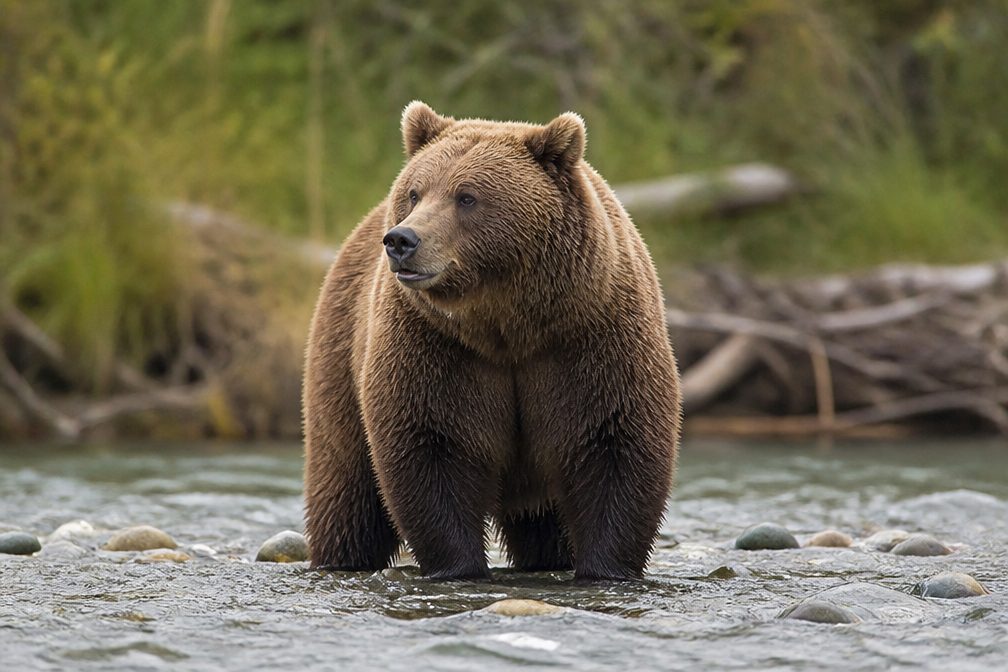
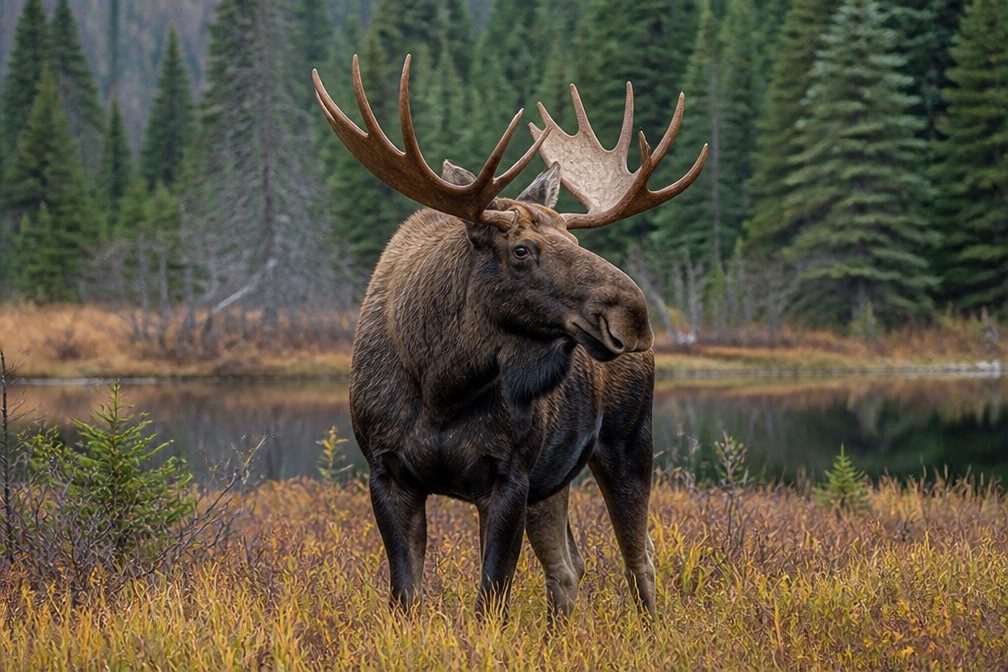
The valley is known for moose habitat and various waterfowl. Keep your distance and give wildlife the right-of-way, especially around dawn and dusk. The drive in along Maligne Lake Road is also a classic wildlife-spotting corridor.

Camping and Facilities

The Jacques Lake backcountry campground sits right by the water with level tent pads and a shared common area; visitors have noted picnic tables by the lake. There are no services—treat lake or spring water before drinking and pack out everything you bring. Campfires are allowed only at designated sites when permitted; always check current fire regulations.

A Note on the Area

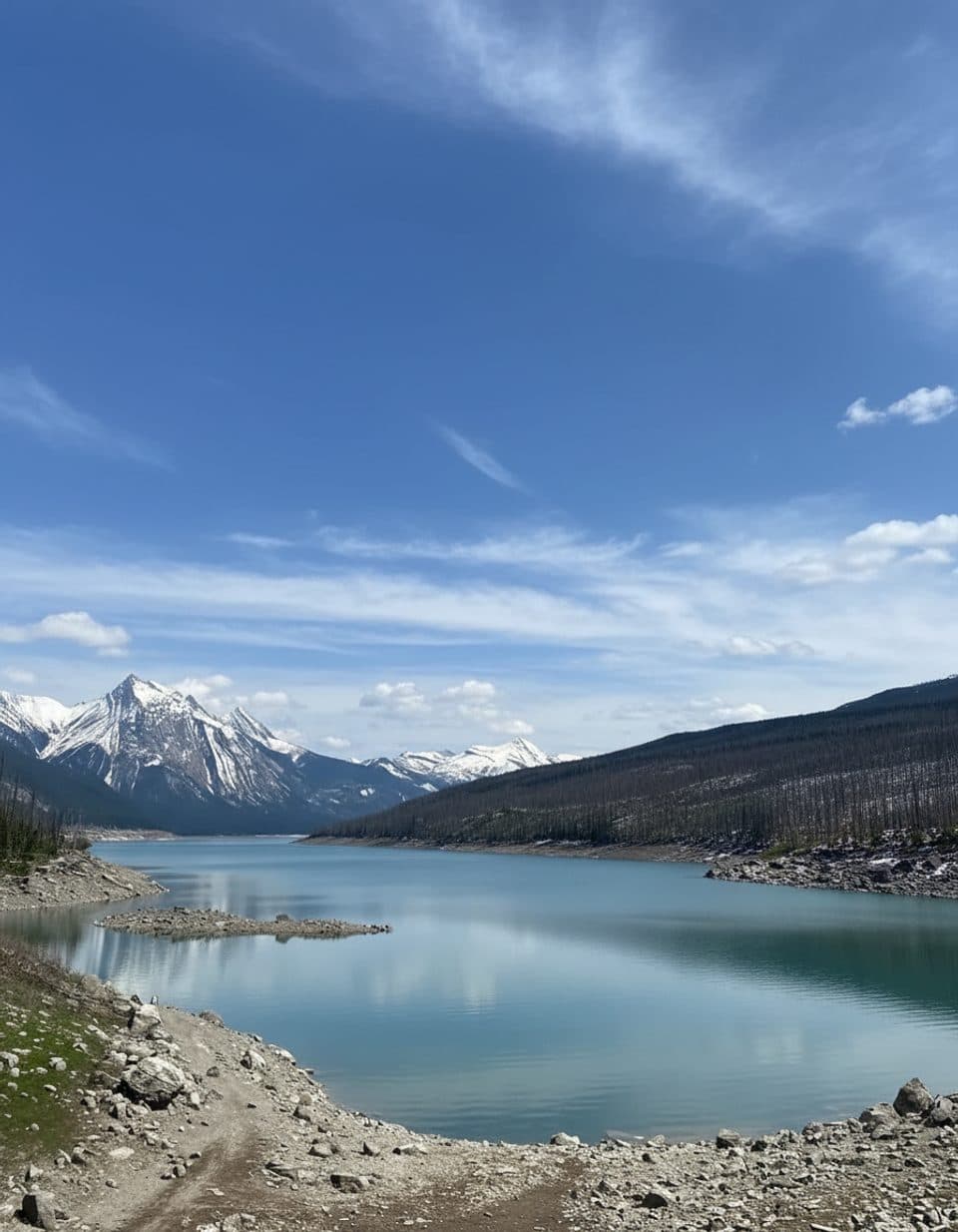
You’ll pass Medicine Lake on the way to the trailhead—a quirky, seasonally draining "vanishing" lake tied to the region’s karst hydrology. It’s a worthy roadside stop for photos and context on the area’s unique geology.

Best Time to Visit

  • Summer to early fall is prime, with mid-September often hitting the sweet spot of cooler temps, fewer bugs, and lighter crowds.
  • Shoulder seasons can be chilly, especially at night—pack warm layers.
  • Winter travel here happens by ski or snowshoe when conditions allow; expect a slower, more committing trip.


Planning Tips

Come self-sufficient: there’s no cell service, no food, and no potable water on site. Download an offline map, bring a water filter, and carry all the usual backcountry essentials.

Pros

  • Quiet, scenic backcountry lake with crystal-clear blue water
  • Easy-grade approach (about 12.2 km one-way, ~150 m gain)
  • Lakeside backcountry campground right on the shore

Cons

  • Trail can be wet and muddy with shallow stream crossings
  • Bugs can be bad in summer

Tips

  • Wear waterproof footwear—early sections are often wet and muddy.
  • Treat all water from the lake or springs before drinking.
  • Bring insect repellent in summer; bugs can be intense on calm evenings.
  • Mid-September tends to offer cooler temps, fewer bugs, and fewer people.
  • Download an offline route map; cell service is unreliable to nonexistent.
The Parkwolf tour guide sitting on a phone mounted in a car

Parkwolf Tour Guide

Like a tour guide in your car.

Save the places you found around Jasper, then let Parkwolf guide the drive between them.Download Parkwolf on the App Store