Place · 4.6 mi away

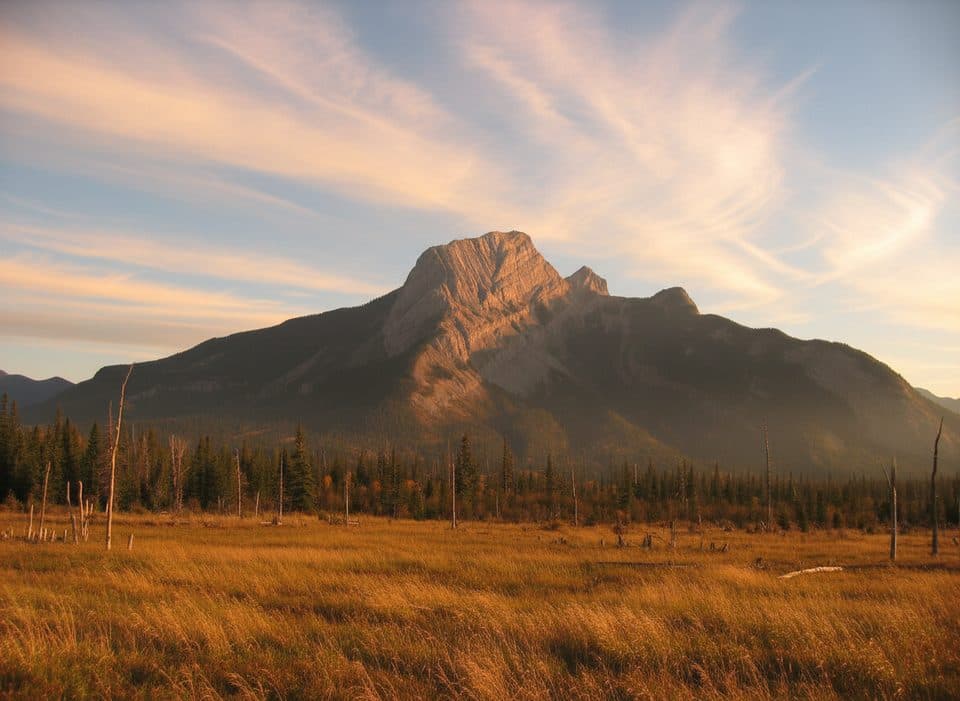
Roche à Perdrix sits right on the park’s eastern edge in the Fiddle Range and rises to 2,134 m. It’s one of the first major peaks you notice driving in on Highway 16—and a satisfying half‑day scramble if you like hands-on terrain and wide-open views.
Two things set this one apart: the quick access off the highway and the mountain’s namesake rock—foliations that really do look like partridge tail feathers. Top it off with sweeping views over the Fiddle Range and eastern valleys and you’ve got a compact, rewarding objective.
Most people tackle the NW ridge, a true scramble with sustained steepness and some exposure. If you stick to the easiest line, it’s all hands‑on hiking; follow chimney variations and you’re briefly into easy technical climbing (around low 5th‑class). Expect loose rock in spots and intermittent trail segments. Parties that drift too far onto the northern shoulder report getting cliffed out below the summit.
There’s a commonly used pullout off Highway 16 and an informal start for the route. No toilets, no water taps, no picnic tables—plan to be self‑sufficient and carry all the water you need. Helmets are smart for loose rock; bring layers and navigation for sudden weather shifts and the occasional disappearing path.
Named in 1872, the “partridge rock” nods to the mountain’s layered, foliated sedimentary rock that resembles partridge feathers—most obvious near the summit.
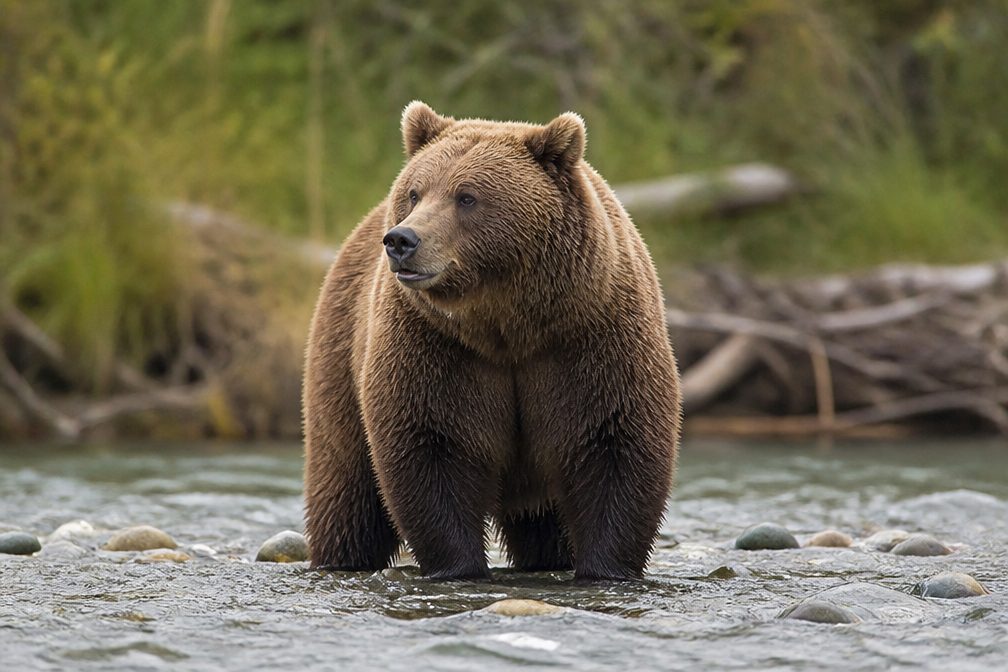
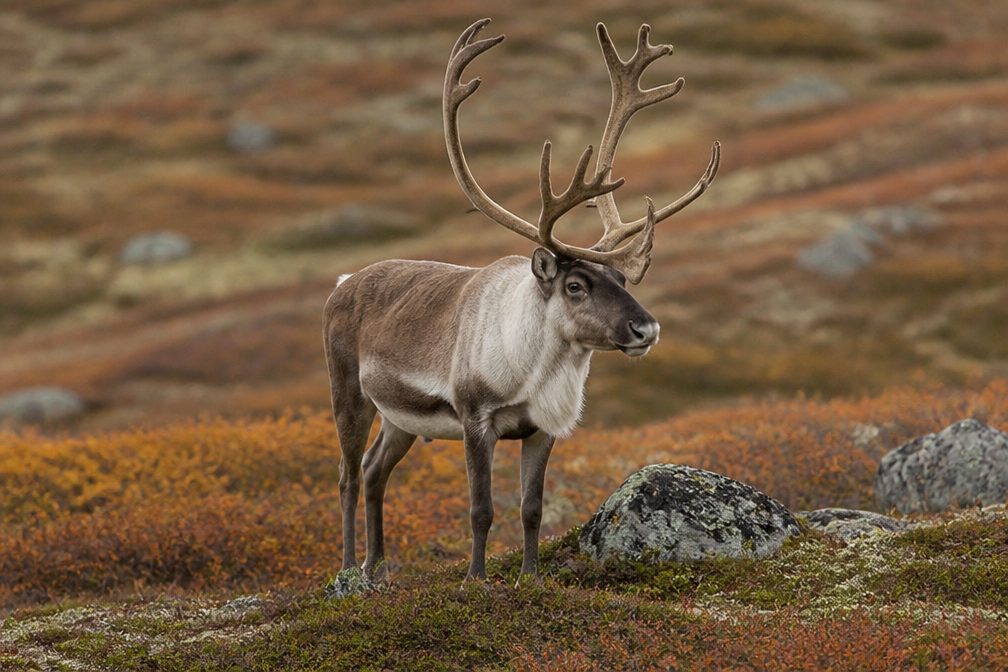
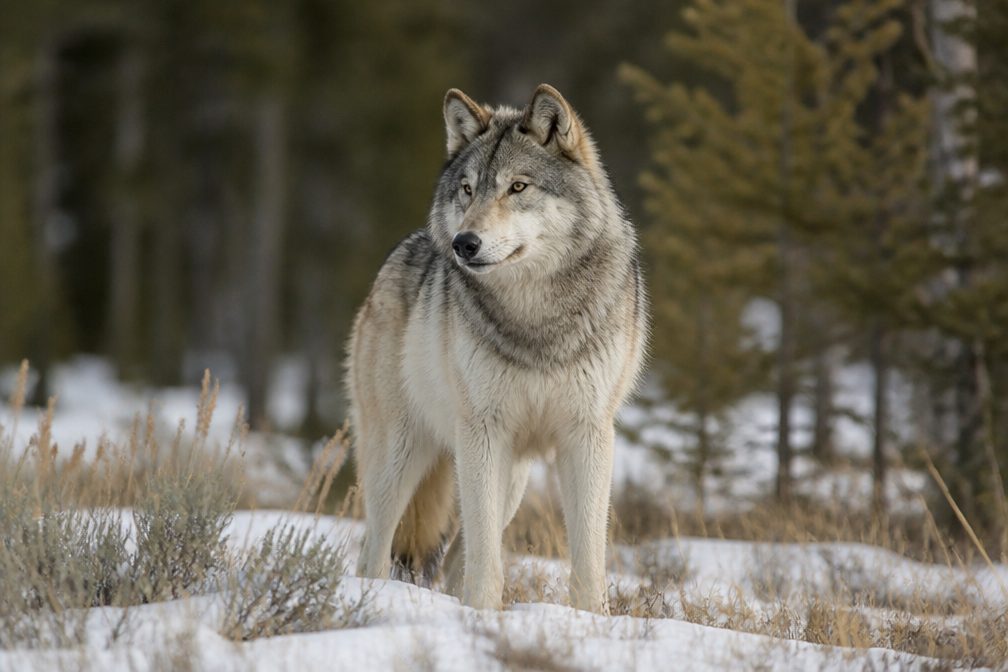
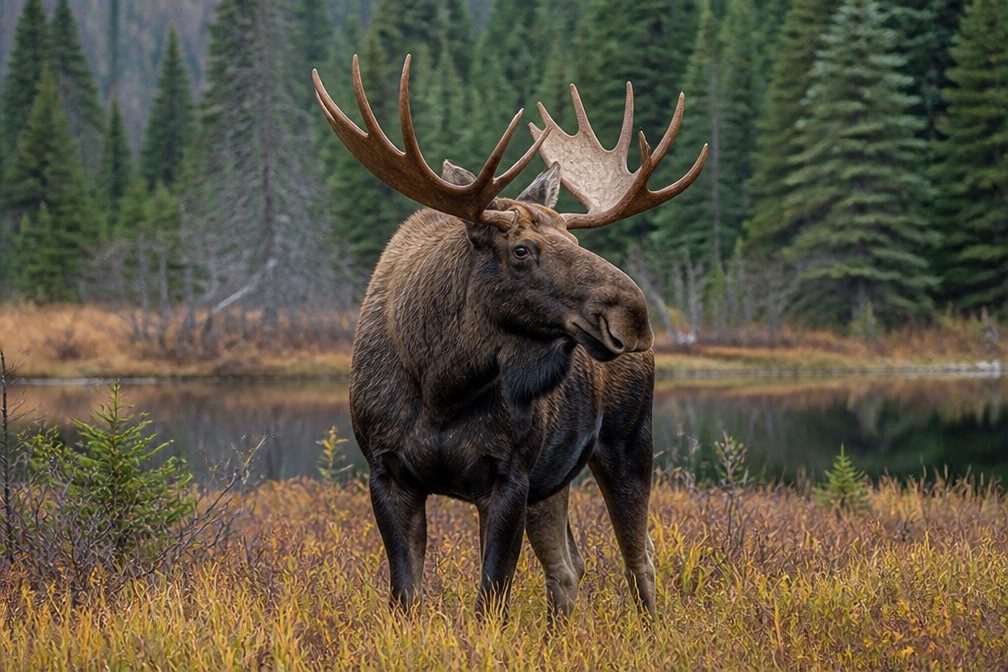
Reports for this specific peak are limited, but typical foothill and alpine species in the area can include mountain goats or bighorn sheep on rocky terrain, with deer, elk, and raptors lower down. Give wildlife space and follow park guidelines.
June through September offers the most reliable conditions. Start early for cooler temps and clearer skies, and aim for calmer morning winds on the ridges. Weekdays see lighter traffic. North-facing sections can stay shaded and cool.