
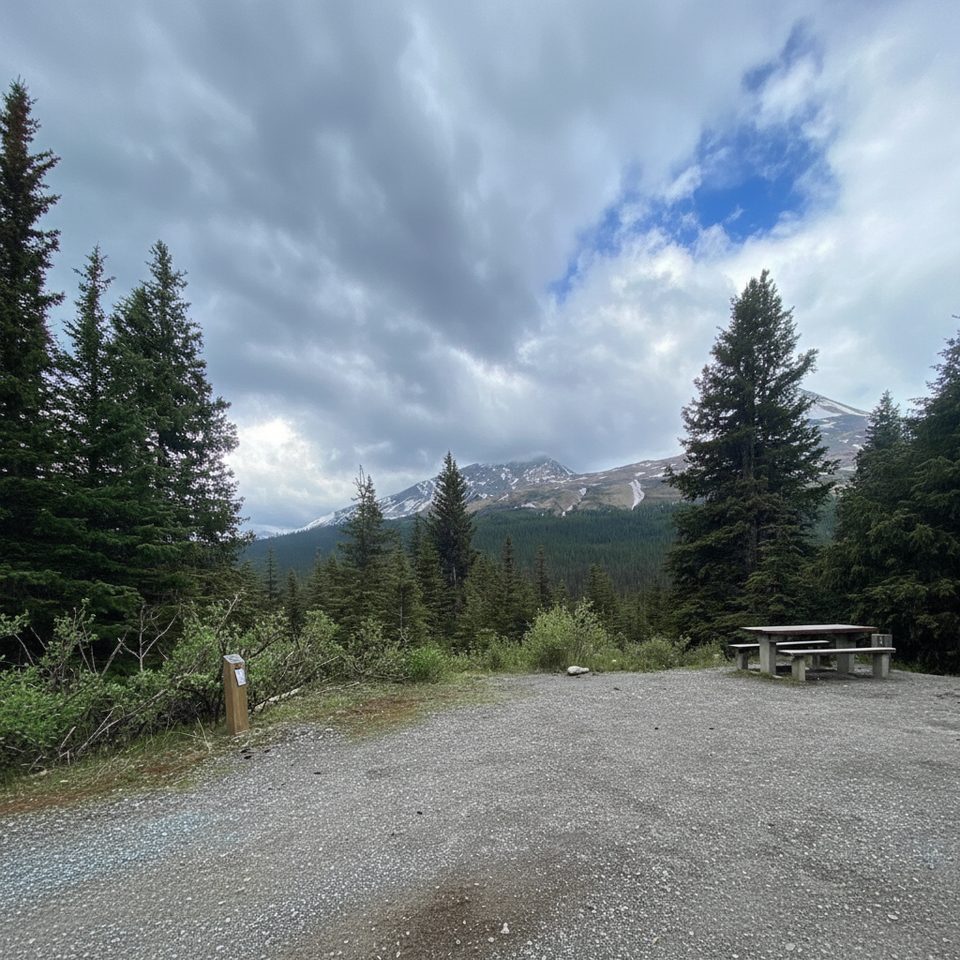
Place · 0.4 mi away
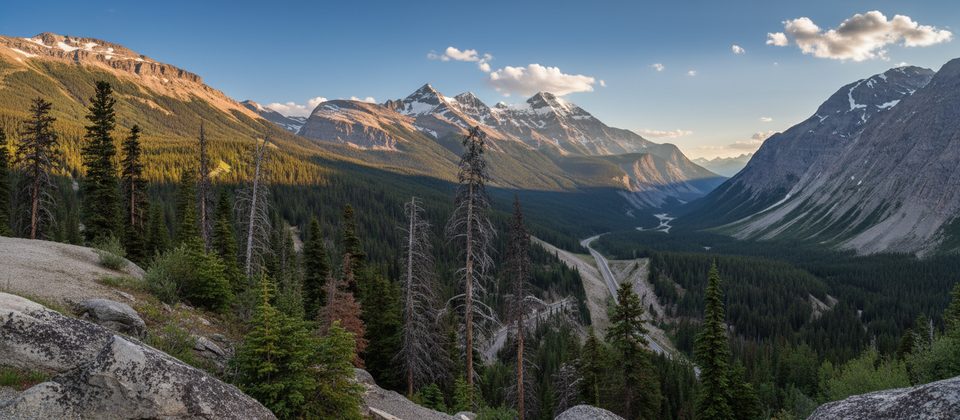
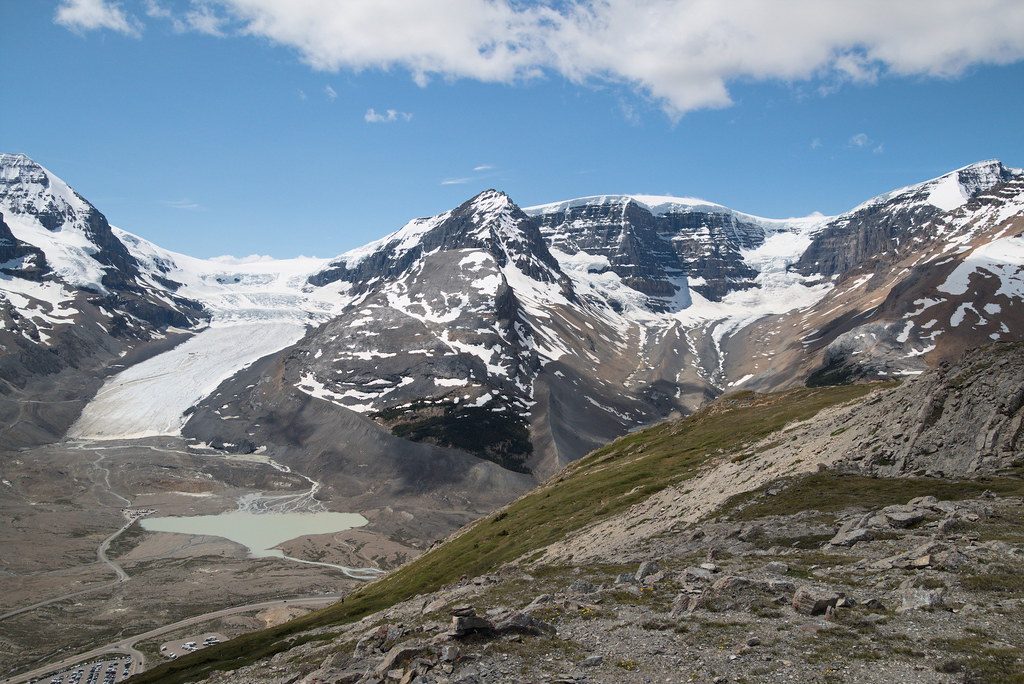
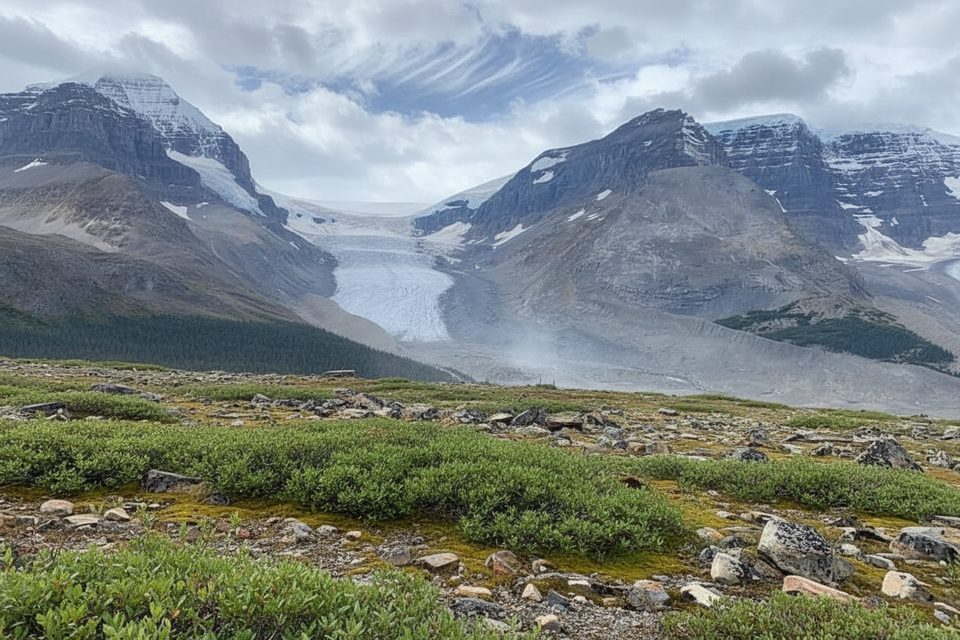
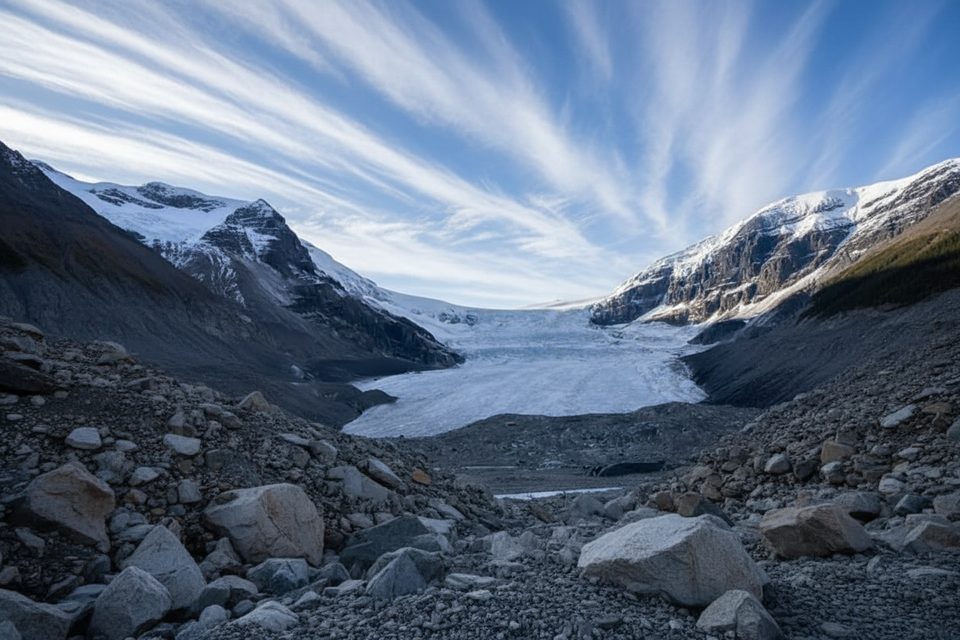
If you do one hike near the Icefields, make it Wilcox Pass. It climbs quickly out of the trees into broad alpine meadows with head-on views of the Athabasca Glacier, Snow Dome, and big peaks—all without an epic slog. It’s popular for good reason.
Most hikers do an out-and-back from the signed trailhead near Wilcox Creek Campground. Expect a steep start through subalpine forest, then easy wandering across open alpine. Typical stats: 7.2–9.5 km round trip with 380–450 m of climbing, rated moderate. The final push to the higher viewpoints can be rocky and a bit steep.
Crowds thin after the red chairs, but this is a high-demand trail. There’s a longer, quieter option from Tangle Falls that approaches the pass more dramatically (about 515 m of gain), if you’re crowd-averse.
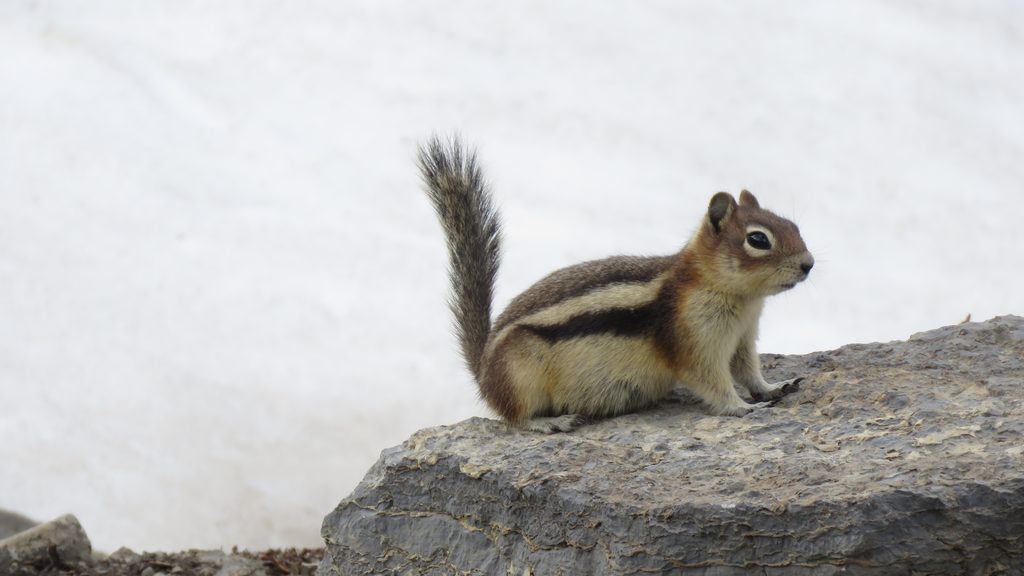
Bighorn sheep are the headliners here—give them space and keep dogs leashed. Keep an eye out for small mammals like ground squirrels, and listen for birds working the meadows.
The pass is exposed and can be cold and windy even in summer—bring layers and a windproof shell. The main route sees heavy use; some sections can be muddy or braided. There’s a vault toilet at the trailhead, but no water—pack your own. Dogs are allowed on leash.
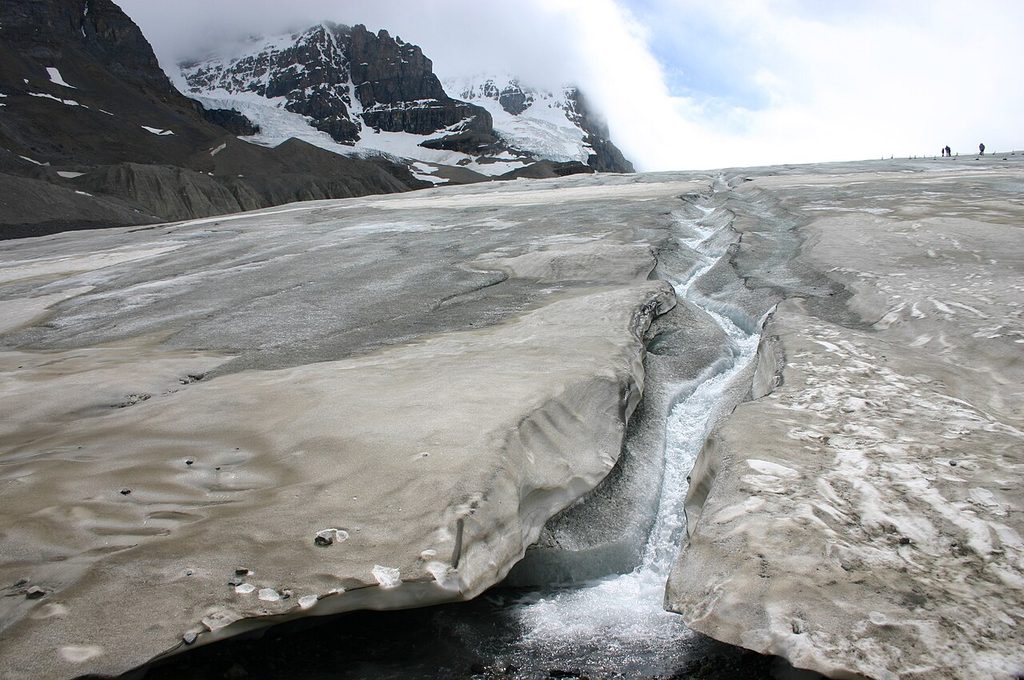
Before the modern highway, Wilcox Pass was the route past the Athabasca Glacier. It’s named for early Rockies explorer Walter D. Wilcox. The terrain showcases classic glacial landforms—U-shaped valleys, moraines, and scoured bedrock shaped by the nearby Columbia Icefield.
Place · 0.4 mi away
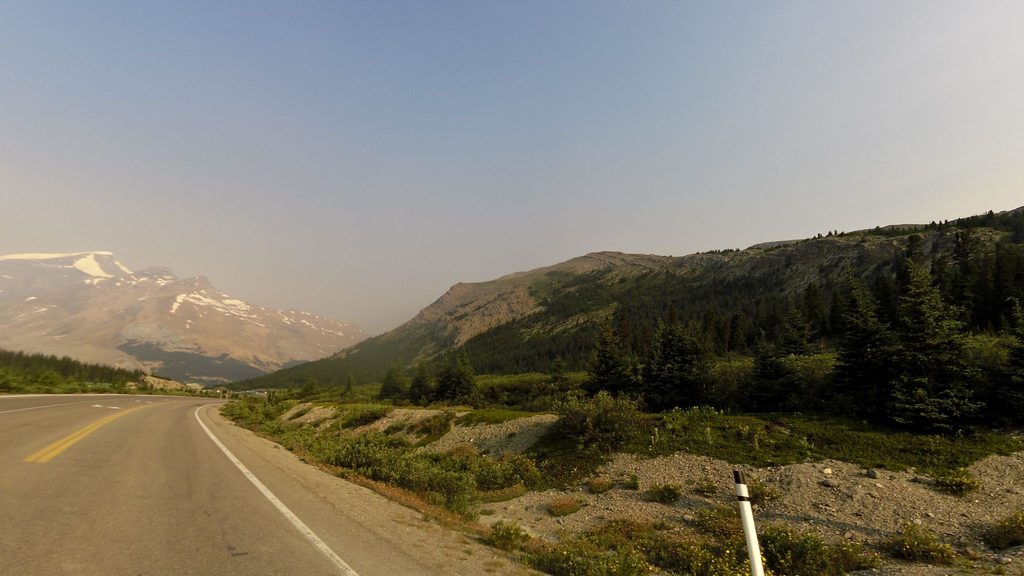
Place · 0.8 mi away
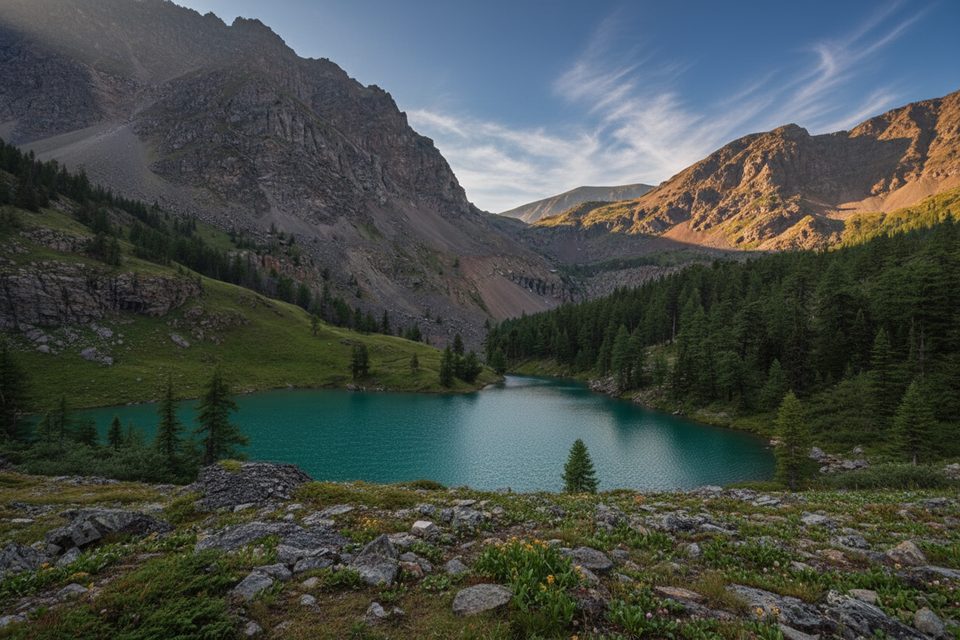
Place · 0.8 mi away
Place · 1.1 mi away
Moderate · 0 mi away
Moderate · 0 mi away
Easy · 2.1 mi away
Easy · 2.1 mi away

Parkwolf Tour Guide
