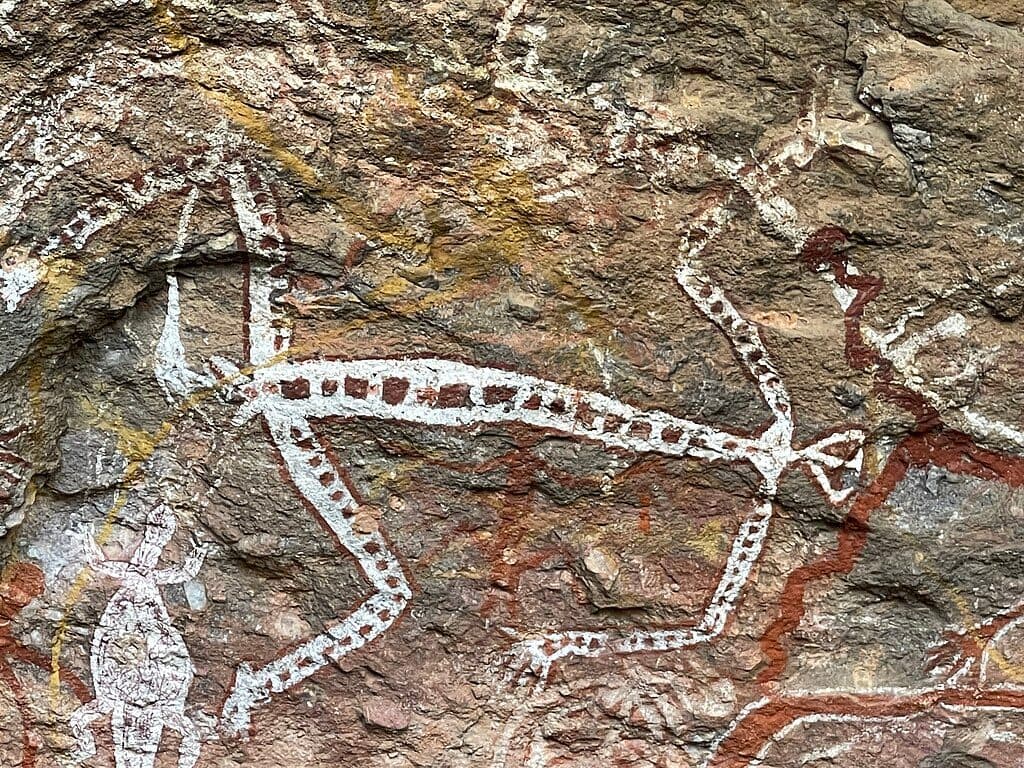
Mamukala Wetlands

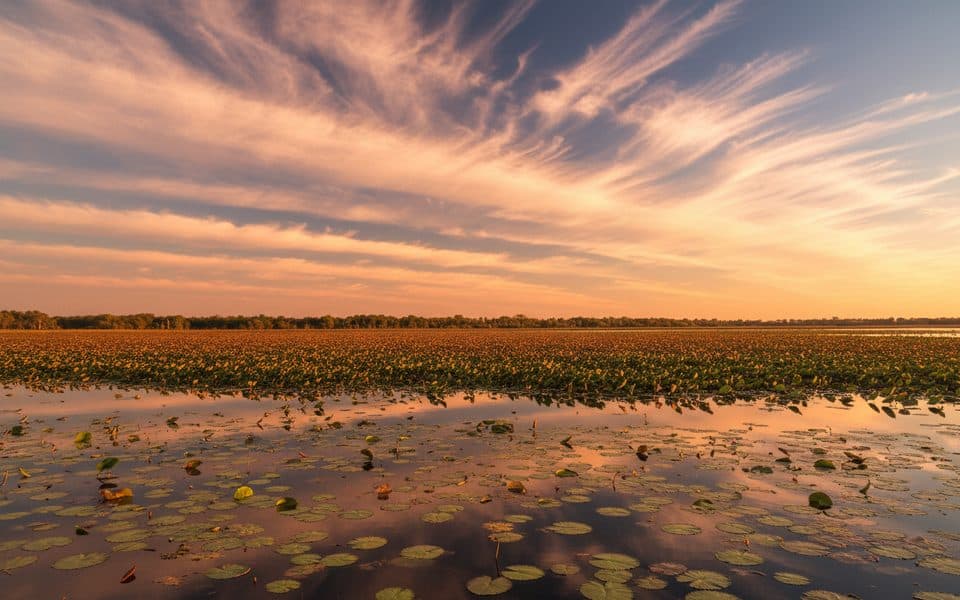
Quiet bird hide with late-dry flocks and a lily-dotted billabong
Mamukala Wetlands, Kakadu National Park
InsideKakadu National Park

Overview

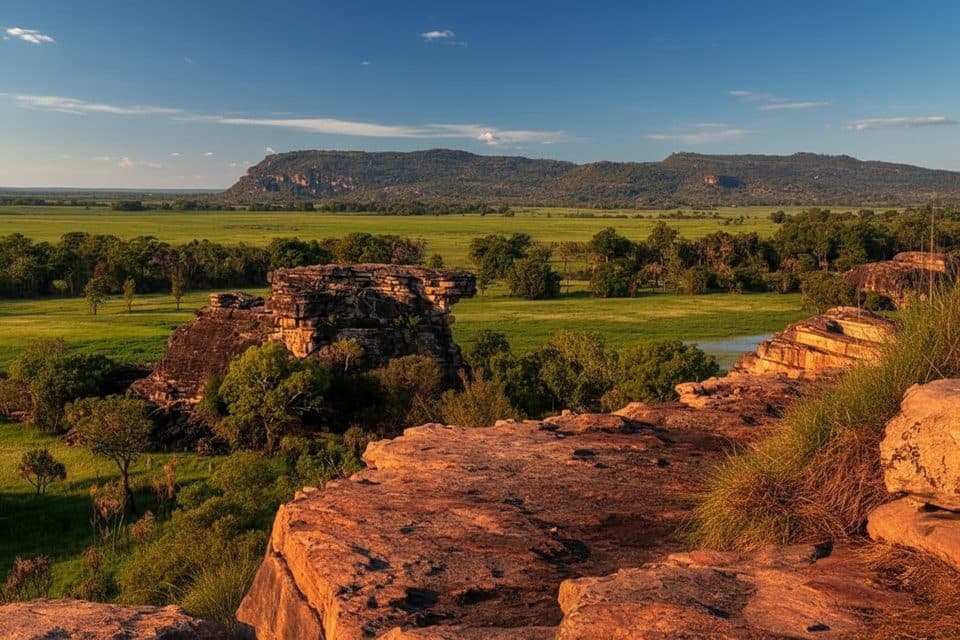
Just off the Arnhem Highway, Mamukala is one of Kakadu’s most rewarding wetlands. The standout is a quiet bird hide overlooking a lily-dotted billabong, complete with a mural that maps out the Top End’s dramatic seasons. It’s an easy stop: a short, flat stroll to the hide or a gentle 3 km loop if you want to stretch your legs.

Why it’s special

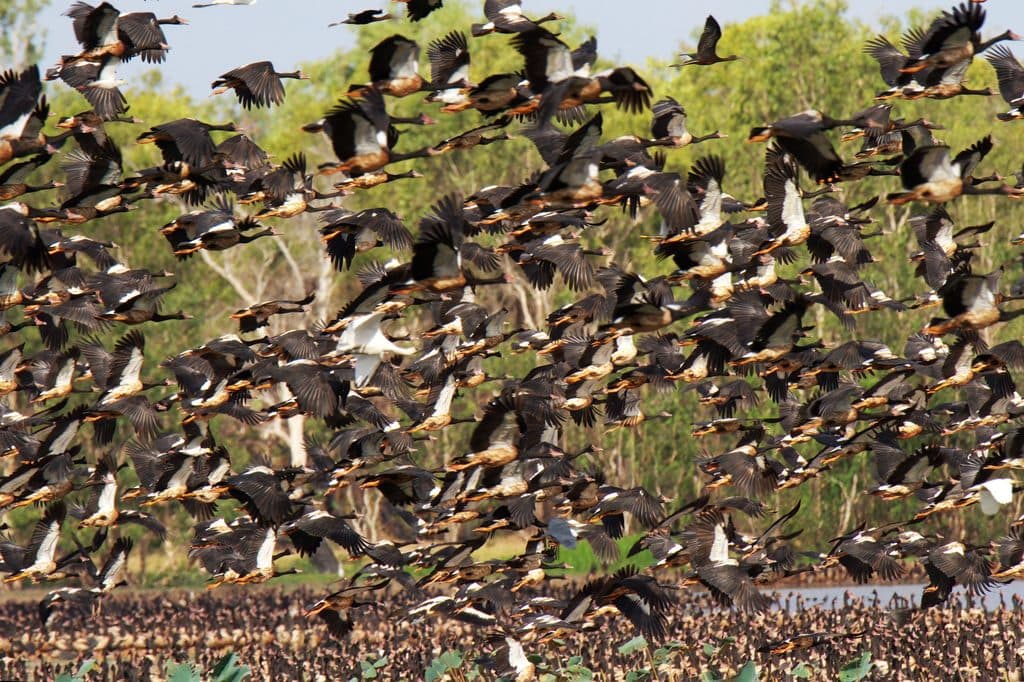
Mamukala is all about seasonal transformation. In the wet, floodwaters spread life across the plains. As the dry season bites, water shrinks and wildlife concentrates. Come late dry (September–October) and you can witness tens of thousands of magpie geese honking, feeding, and lifting off in waves. It’s one of the park’s classic bird spectacles.

What you’ll see

  • Birds in abundance: magpie geese headline the show late dry, but you can also spot comb-crested jacanas, kites, cormorants, whistling-ducks, Radjah shelducks, finches, kingfishers, and more.
  • Other wildlife: agile wallabies often graze along the loop; crocodiles sometimes lurk at the billabong edges.
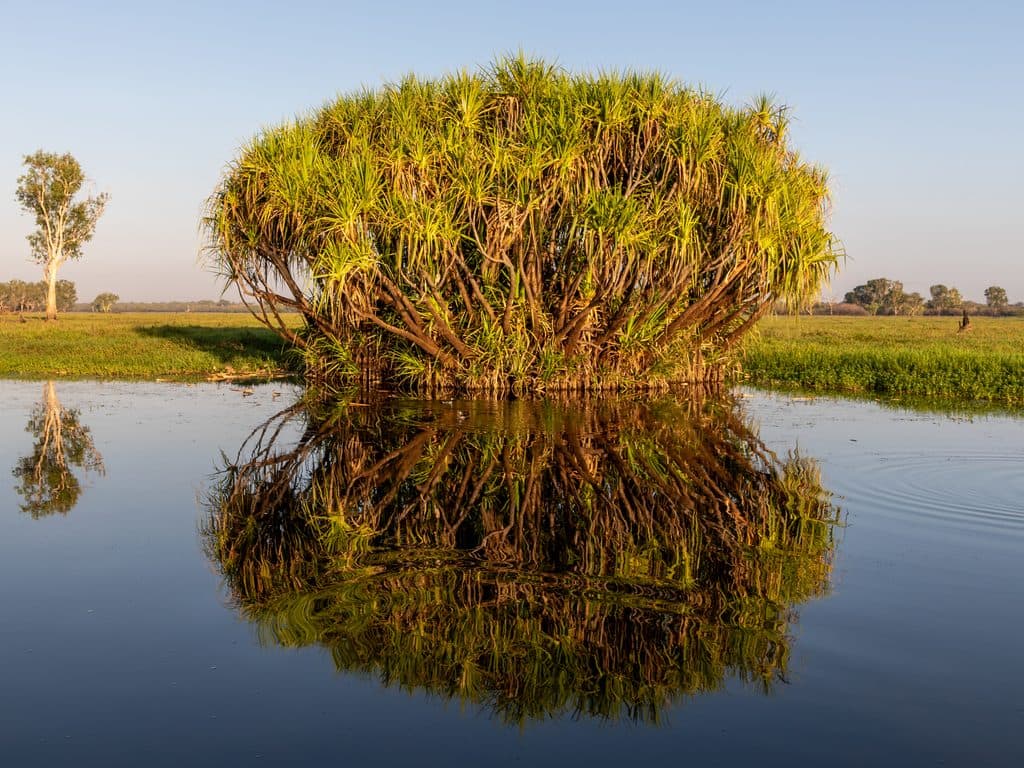
  • Vegetation: lotus and water lilies, pandanus, and paperbark stands set the Top End scene.

The walk and facilities

From the car park, it’s a short, flat walk to the hide. If you’ve got time, the unsealed 3 km loop winds through open wetland and pandanus woodland. Facilities are simple: a car park, basic restrooms, and picnic tables near the viewing area.

Cultural and ecological notes

Local Aboriginal people have long used this floodplain; when the geese are fat in the late dry, it’s a traditional time to hunt geese, file snakes, and long-necked turtles. Along the track, look for pandanus—its leaves are traditionally used for weaving.

Practicalities

There’s no food, store, or water here, and the toilets are basic. Bring plenty of drinking water, sun protection, and insect repellent. Access is straightforward off the sealed highway, and a park pass is required for Kakadu.

Best time to visit

  • Season: Late dry (Sep–Oct) for the mass bird gatherings; outside that window you’ll still get a peaceful wetland scene, just less concentrated wildlife. During peak wet, access or viewing may be less compelling as birds disperse—check conditions.
  • Time of day: Sunrise and late afternoon deliver cooler temps, softer light for photos, and more bird activity. Arrive early to beat the heat and enjoy a quieter hide.

Photography tips

Bring binoculars and a long lens. Sit patiently and move slowly in the hide—birds settle, and the show comes to you. Golden light skims the lilies beautifully at first and last light.

Pros

  • Purpose-built bird hide with sweeping views and interpretive mural
  • Late dry season brings huge flocks of magpie geese
  • Easy 3 km loop and short stroll options with picnic tables

Cons

  • Wildlife spectacle is highly seasonal; outside late dry it can be quiet
  • Mosquitoes and heat can be fierce; bring repellent, sun gear, and plenty of water
  • No food or drinking water on site

Tips

  • Aim for sunrise or late afternoon for cooler temps and peak bird activity.
  • For the classic spectacle, target the late dry season (September–October).
  • Bring binoculars and a long lens; the birds can be far across the billabong.
  • Pack insect repellent, sun protection, and plenty of water—no water on site.
  • Buy your Kakadu park pass online before you go.
The Parkwolf tour guide sitting on a phone mounted in a car

Parkwolf Tour Guide

Like a tour guide in your car.

Save the places you found around Kakadu, then let Parkwolf guide the drive between them.Download Parkwolf on the App Store