
Place · 1 mi away
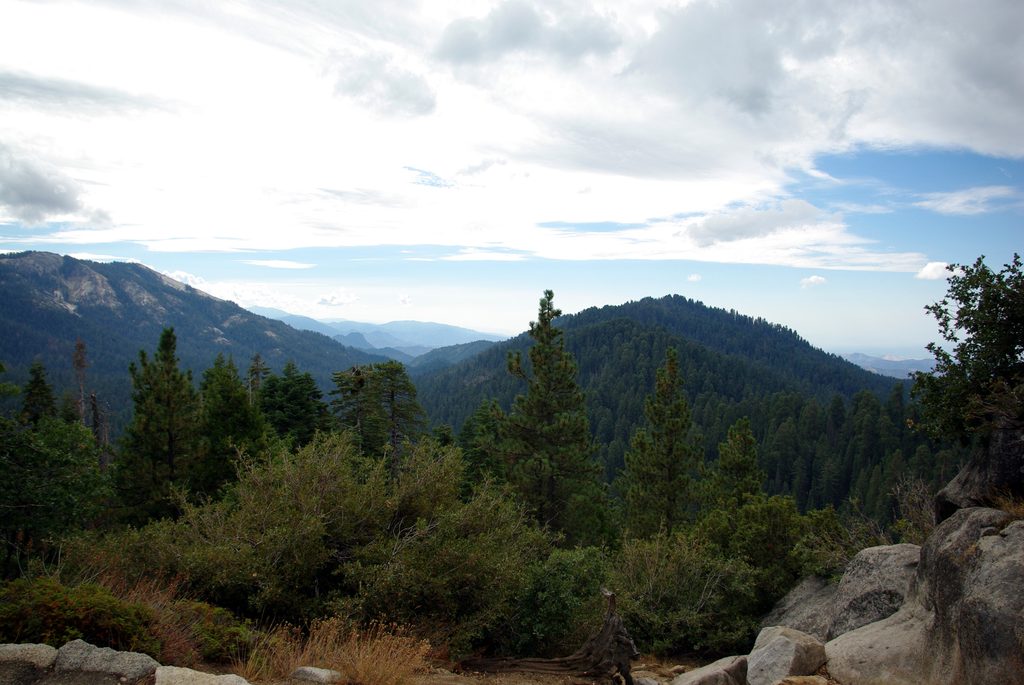
Redwood Mountain Grove is the heavyweight of sequoia country—the largest giant sequoia grove on the planet. Straddling Kings Canyon and the adjacent monument, it mixes canyon-floor giants with ridge‑top stands and even shelters the tallest known giant sequoia. Iconic trees like the Hart Tree and nearby Roosevelt Tree anchor a landscape that feels wilder and quieter than the headline groves.
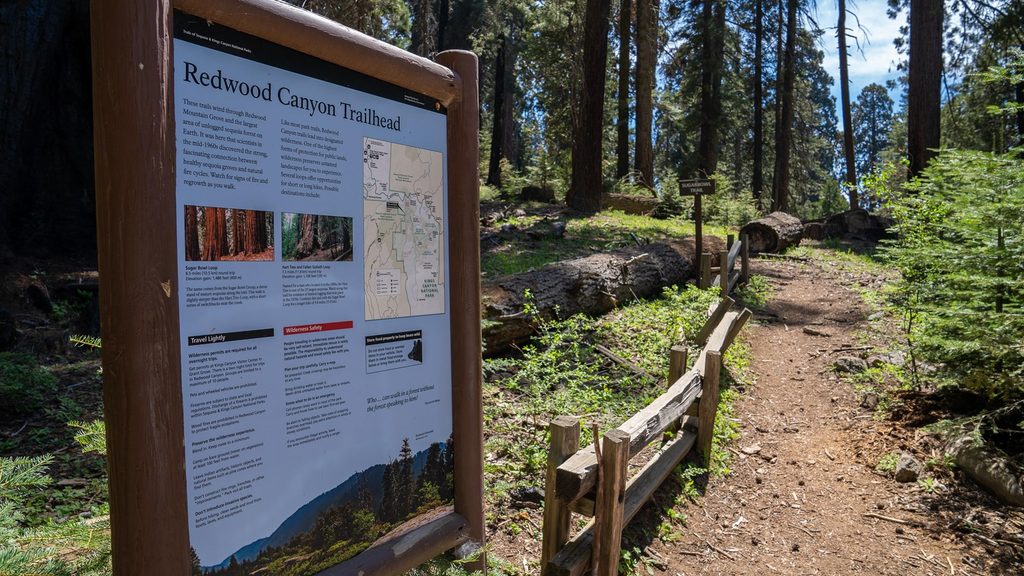
When open, three interconnected routes form choose‑your‑own loops totaling about 10 miles: the Redwood Canyon Trail along the creek, the Hart Tree loop (passing the Hart Tree and near the Roosevelt Tree), and the Sugar Bowl loop—a rare pure sequoia stand atop Redwood Mountain. All hikes begin from the Redwood Canyon/Redwood Mountain trailhead, reached via Forest Service Route 14S75 off the Generals Highway. Expect a couple miles of unpaved, sometimes rough road; drive slowly.
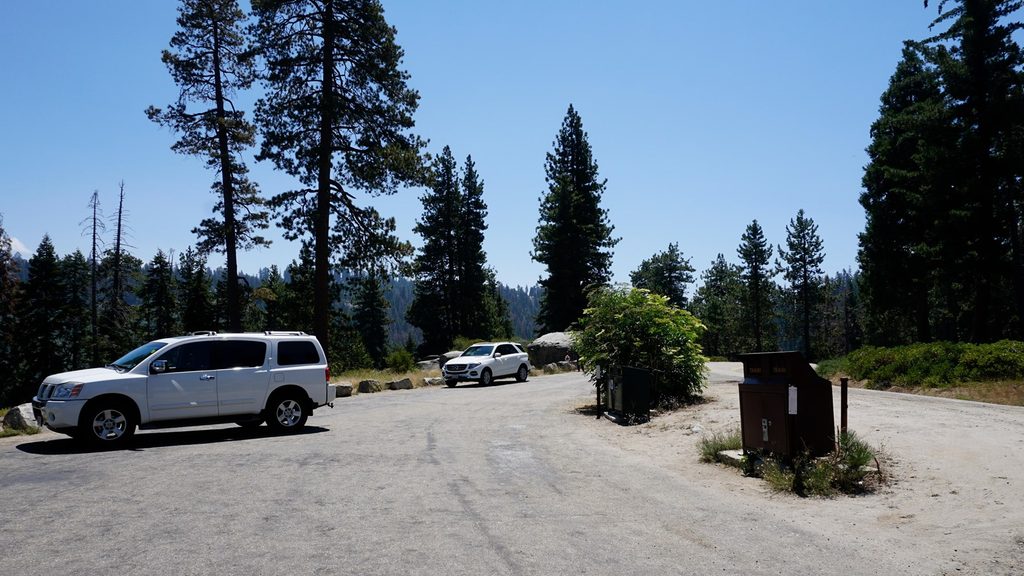
Trailhead basics: vault toilets, parking, bear boxes, and trash receptacles are available, but no drinking water is provided. As of recent updates, the Redwood Mountain Trail remains closed due to the 2021 KNP Complex Fire; expect post‑fire conditions and check current park alerts before committing.
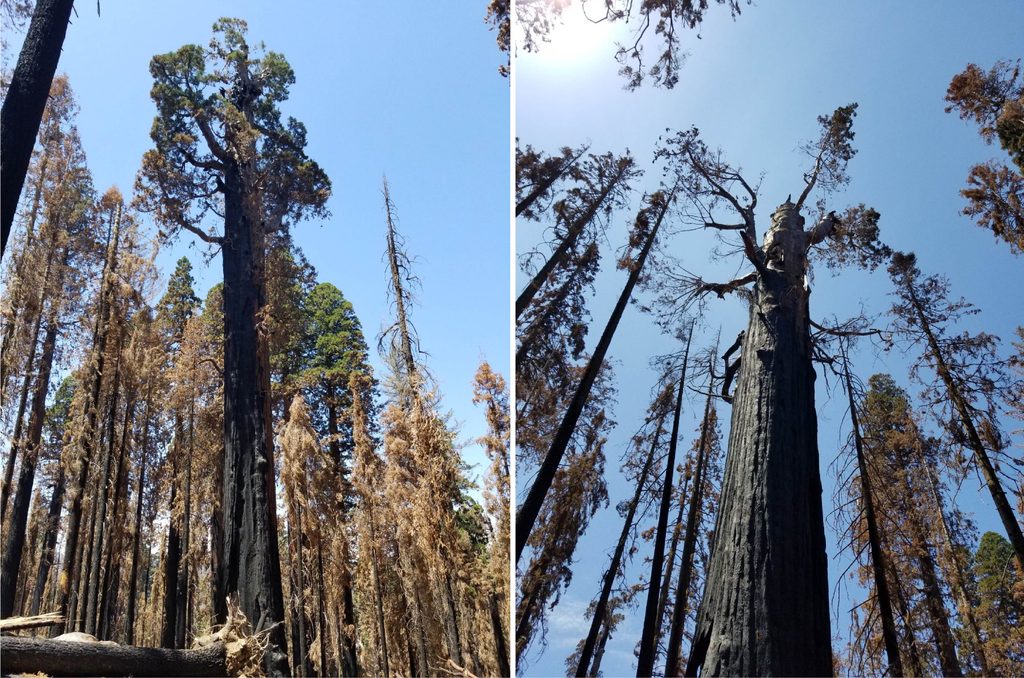
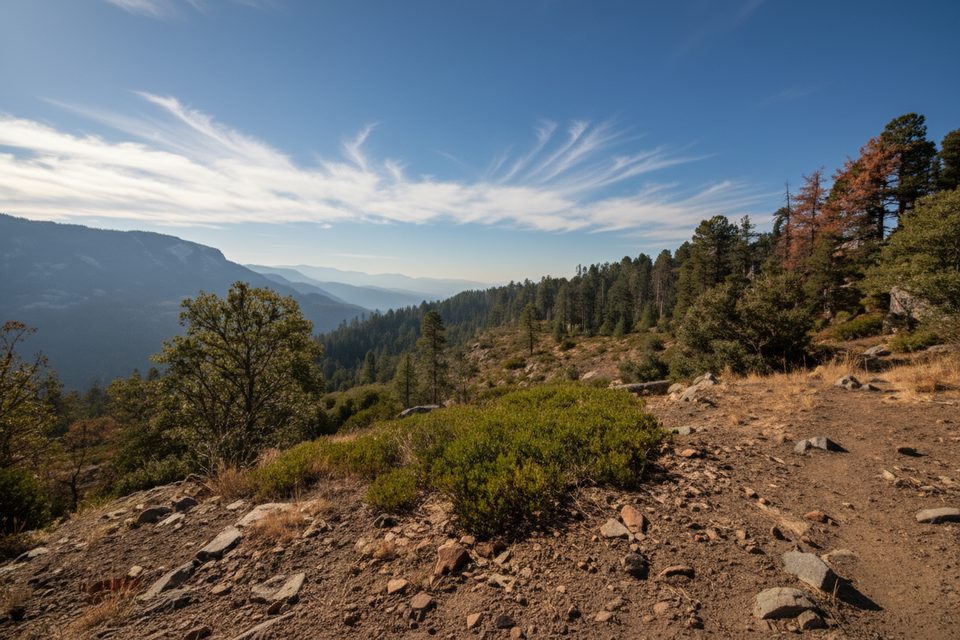
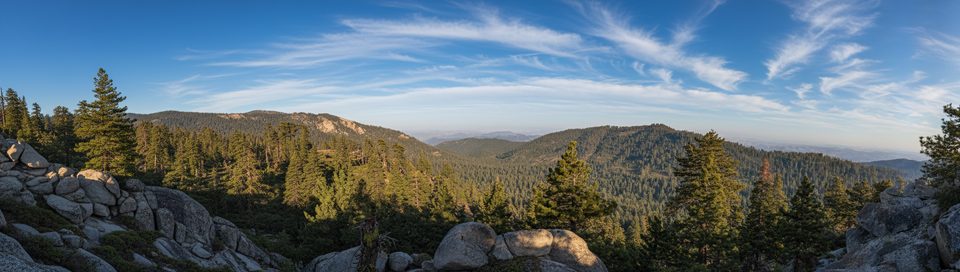
This grove is a study in contrasts: shady creekside walks, airy ridge views, and cathedral‑like clusters of ancient trunks. The Sugar Bowl’s pure sequoia stand is the head‑turner, while the Hart Tree showcases classic fire scars. Post‑fire, you’ll see a more open forest in places, snags, and, encouragingly, bursts of sequoia seedlings. Spring brings wildflowers; fall lights up red dogwoods and makes for moody, photogenic understory.
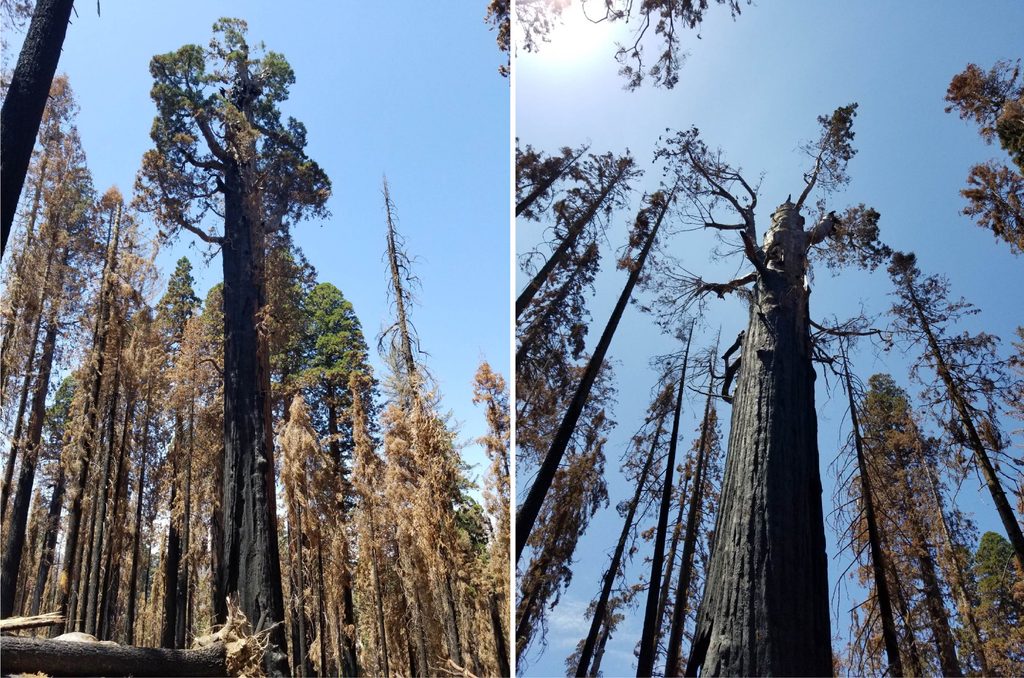
Fire has shaped this grove for decades. Managers have used prescribed burns since 1969 to restore natural processes and support sequoia regeneration. In 2021, the KNP Complex Fire burned the grove with mixed severity—about a quarter saw high‑intensity effects—leading to notable sequoia losses in some pockets. Recovery is underway; stay on trails and heed closures, especially on windy days when snag fall is a risk.
You’re walking atop the Sierra Nevada’s granitic core—Cretaceous intrusions later sculpted by multiple glaciations into deep canyons and sharp ridges. Those resilient rocks and glacial soils set the stage for today’s mixed‑conifer forest that supports these giant trees.
Bears are around—use bear boxes and handle food smartly. Expect seasonal mosquitoes and flies. The trail network sits near 6,400 feet, so pace yourself on climbs and bring layers; canyon bottoms can feel warm, ridges breezy and cool.
When open, aim for early mornings on weekdays for maximum solitude and softer light filtering through the crowns. Spring delivers flowers and pleasant temps; fall offers color and crisp air. Snow, downed trees, and road conditions can delay access—always verify status before you go.
Place · 1 mi away
Place · 1.7 mi away
Place · 1.7 mi away
Place · 2.1 mi away
Moderate · 1 mi away
Moderate · 1 mi away
Challenging · 1 mi away
Easy · 2.1 mi away

Parkwolf Tour Guide
