
Place
Challenging
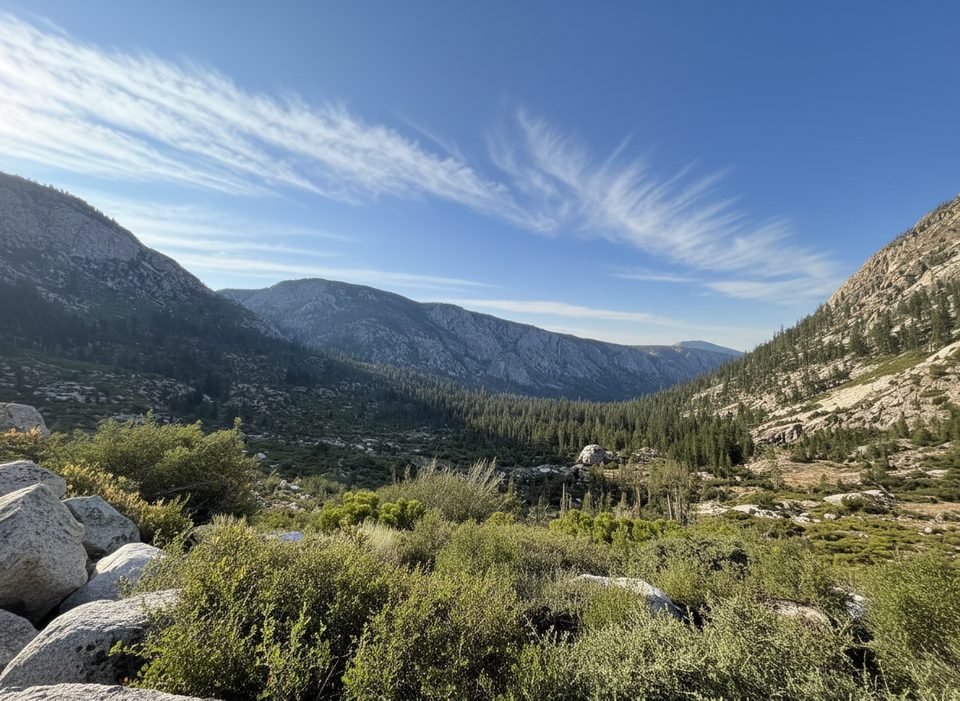
If you’re linking the Roaring River/Cloud Canyon side of the park to Junction Meadow, Colby Pass is the direct, wild-feeling way to do it. Expect sweeping alpine views near the pass, a sparkling stop at Colby Lake, and broad meadow walking along the Roaring River. As a point-to-point crossing, the Colby Pass route runs about 17.2 miles between Junction Meadow and Roaring River. Many backpackers fold it into longer itineraries rather than tackling it as a single push.
From the Cloud Canyon side, travel eases on the canyon floor with stretches of wet meadow and occasional boulder fields before you pick up more evident tread. Lower in the canyon you’ll encounter locked bear boxes and then meet the Colby Pass Trail south of Shorty’s Cabin; heading north leads through Big Wet Meadow and Cement Table Meadow in the Roaring River corridor. Near the crest, the pass is more “gap in the rocks” than broad saddle—expect rocky terrain and a high, exposed feel above treeline. The east side immediately below the pass uses well-built switchbacks on a steep mountainside.
This is a strenuous high-country traverse. One documented day covered roughly 12 miles and 4,570 feet of descent from the pass to Roaring River (flip that for the climb if you’re heading up-canyon). On the west side, the on-trail climb to the pass is about 1,500 feet from where that party joined the route. Conditions can vary year to year; reports note occasional washouts/landslides and marshy sections in Cloud Canyon. Snow can linger at higher elevations, and you should be comfortable with alpine weather and footing.
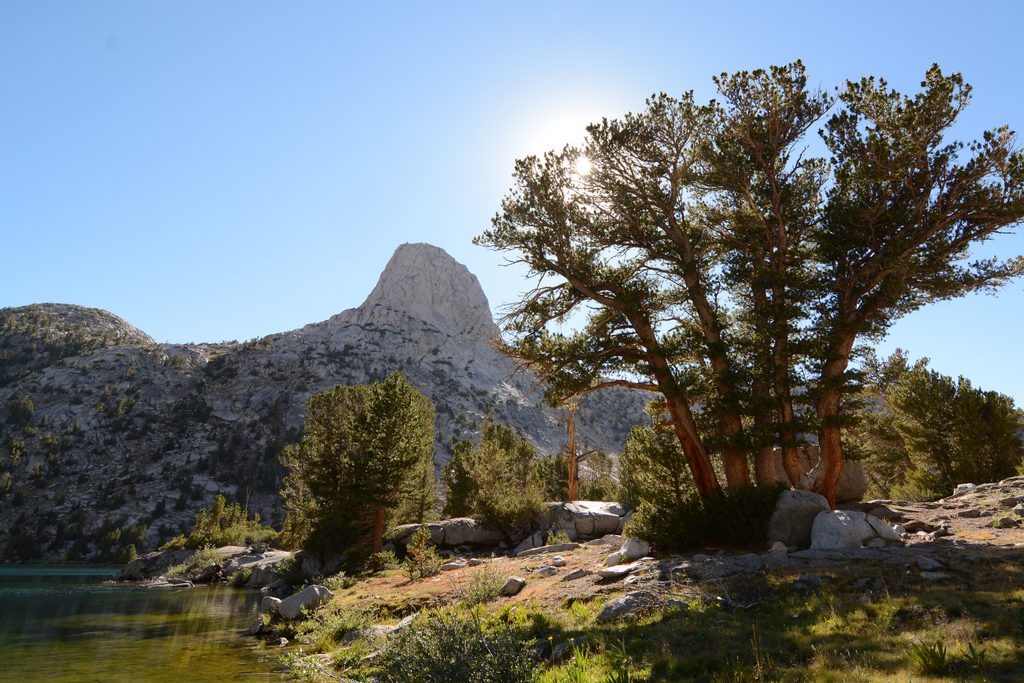
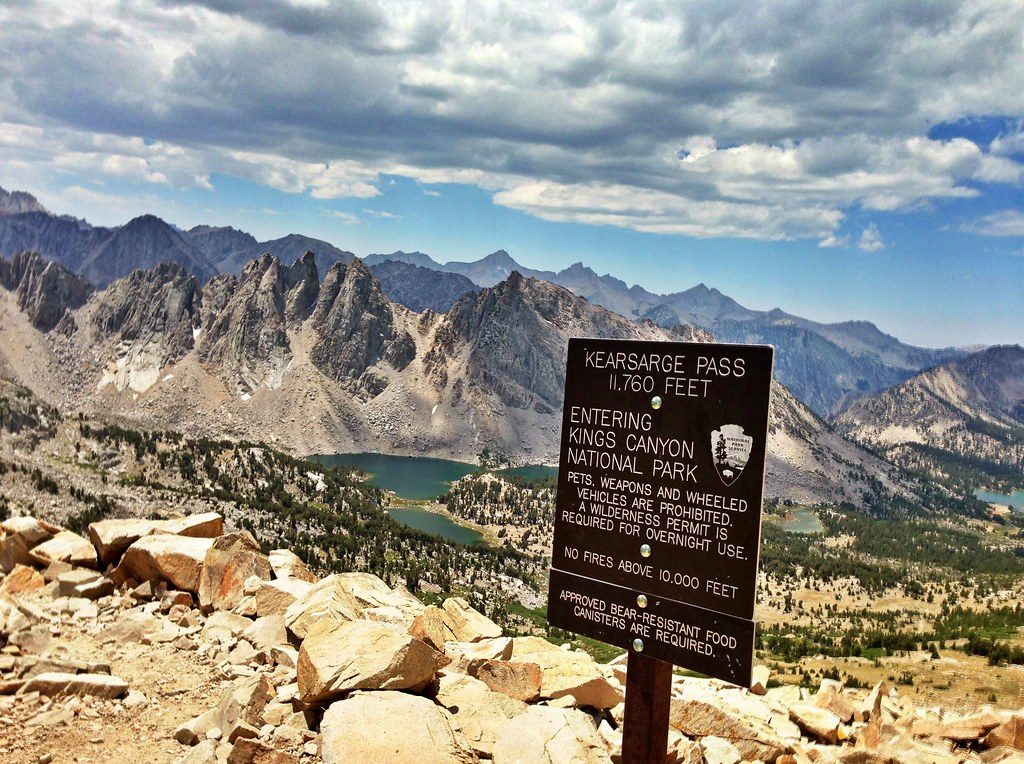
The route strings together classic High Sierra elements: granite walls and glacially carved basins, a jewel-like Colby Lake just below the pass, and long, open meadows along the Roaring River. Parties have found acceptable camping on the flat floor of Cloud Canyon. Water is generally available from the lake and streams in the canyon, though you’ll weave around wet areas to keep feet dry.
Aim for the typical high-country window after seasonal snowmelt through early fall. You’ll spend meaningful time above treeline near the pass, so build in flexibility for wind and afternoon thunderstorms. The route sees far fewer people than busier High Sierra corridors, especially on the west side; weekdays are even quieter.
No direct road access; this is a backcountry-only crossing reached via longer approaches to Junction Meadow or the Roaring River/Cloud Canyon corridor. Plan your vehicle parking at whatever frontcountry trailhead your broader itinerary starts from and secure the required wilderness permit before heading in.
High, exposed terrain near the pass with potential wind and thunderstorms; variable maintenance with reported washouts/landslides; marshy meadows in Cloud Canyon; lingering snow possible; navigation can be tricky where use trails fade; limited, locked bear boxes—carry an approved bear canister.
Place
Place
Place
Place
Challenging
Challenging
Easy
Challenging

Parkwolf Tour Guide
