Duke Waterhole Viewpoint

Small waterhole pull-off with big-game potential in dry season
Duke Waterhole Viewpoint, Kruger National Park
InsideKruger National Park

Overview

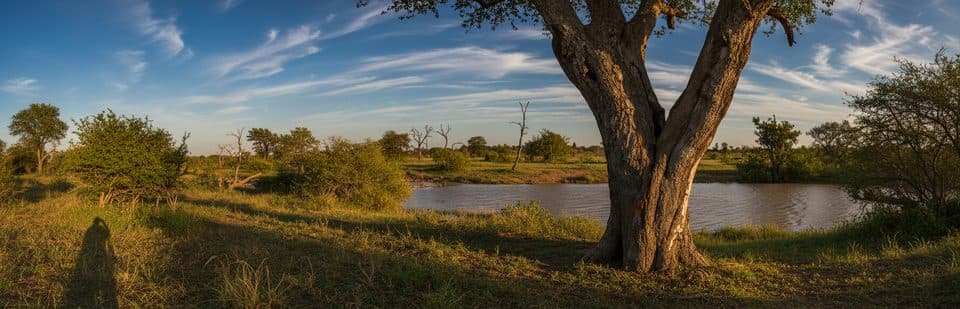
A small, no-frills pull-off overlooking a compact pan, Duke Waterhole Viewpoint is the kind of place you work into a slow, patient loop rather than a destination stop. It sits in southern Kruger on an open savanna plain and is named for the famed tusker, Duke. Expect stay-in-your-vehicle viewing with no formal hide or amenities—engine off, windows open, and listen.

Getting There

From Crocodile Bridge, follow the S28, then turn onto the S137; Duke Road on the left leads to the waterhole. It’s a simple detour along well-known game routes, so it pairs naturally with a Lower Sabie–Crocodile Bridge circuit.

What You’ll See

This area is a reliable magnet for general game—elephant, buffalo, giraffe, zebra, wildebeest, and impala. Predators do patrol the zone, and cheetah are specifically associated with the S28/S137 corridor, with lion and hyena also in the mix. White rhinos are frequently reported along the S28. Even when the pan runs low, animals still pass through to check water and graze, and birding stays lively.

On‑Site Experience

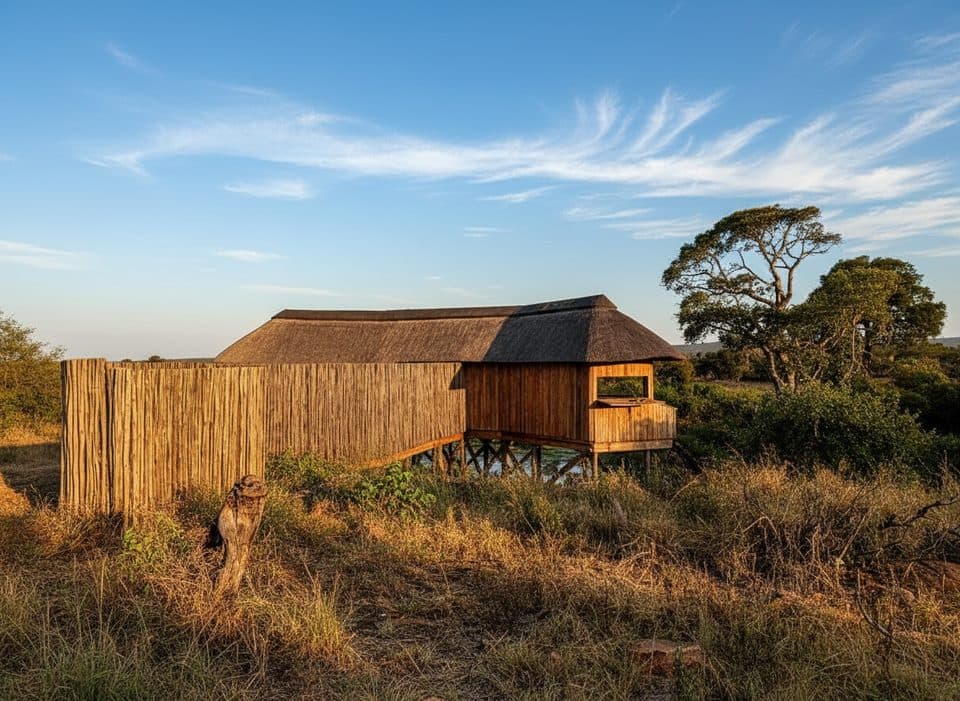
There’s no built structure here—just pull up, switch off, and give it time. Scan the water’s edge and surrounding bush carefully; the scene can go from quiet to frantic in minutes. It’s a solid coffee-stop-from-the-car kind of viewpoint. Roads in this sector can be corrugated or tired in places, so drive unhurriedly and budget extra time.

Best Time to Visit

  • Daily: Dawn and the last light of afternoon are prime for predators and elephant traffic. Midday tends to be slow and harsh for photography.
  • Seasonally: The dry months (roughly May–October) concentrate animals at remaining water and offer your best odds. After summer rains, expect greener scenes and stronger birding.
  • Photography: Golden hours flatter the open plains; bring a longer lens for shy cats and distant rhinos.


Nearby Services and Pairings

There are no toilets or picnic facilities at the waterhole. Plan your loop around rest camps and designated picnic sites. Lower Sabie Rest Camp is the natural hub for food, facilities, and a leg-stretch between sightings.

Practical Tips

  • Only exit your vehicle where it’s explicitly allowed. This stop is stay-in-car viewing.
  • Use the official park map to string Duke into a calm S28/S137 loop with planned restroom breaks.
  • This is a malaria-risk area—dawn/dusk are peak mosquito times, so apply repellent.
  • Patience pays: give it 10–20 quiet minutes with the engine off before moving on.

Pros

  • Consistent big-game draw in the dry season, with cheetah possible
  • Easy self-drive detour off S28/S137 with stay-in-car viewing

Cons

  • Often dry; sightings can require patience
  • No facilities on site

Tips

  • Arrive at dawn or late afternoon, switch off the engine, and wait quietly.
  • Work it into an S28–S137 loop and check the pan twice; conditions change fast.
  • Plan restroom stops at rest camps like Lower Sabie—there are no facilities here.
  • Road surfaces can be rough; drive slowly and allow extra time.
  • A telephoto lens and binoculars help with shy cats and distant rhinos.
The Parkwolf tour guide sitting on a phone mounted in a car

Parkwolf Tour Guide

Like a tour guide in your car.

Save the places you found around Kruger, then let Parkwolf guide the drive between them.Download Parkwolf on the App Store