Overview
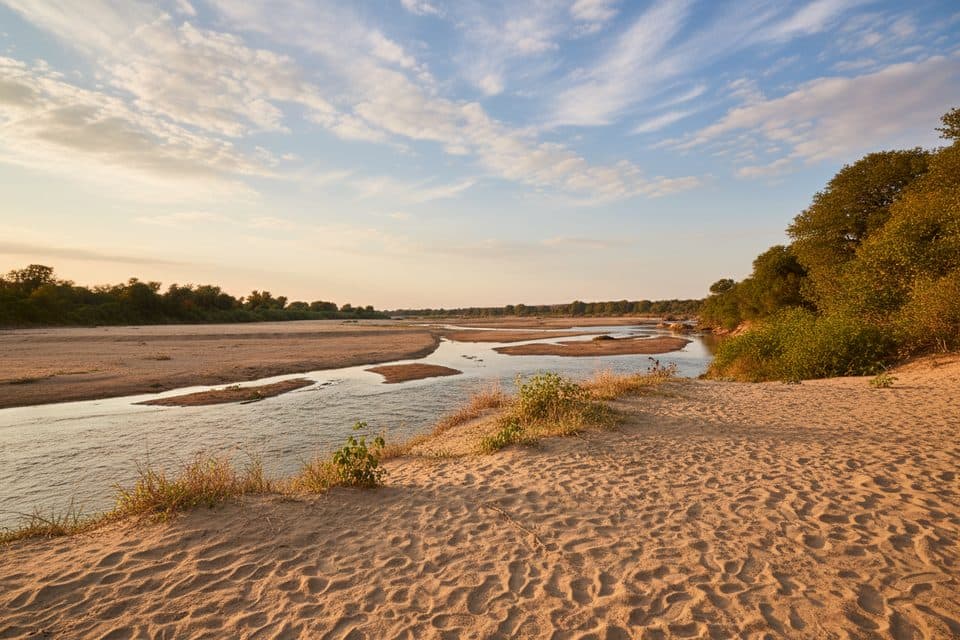
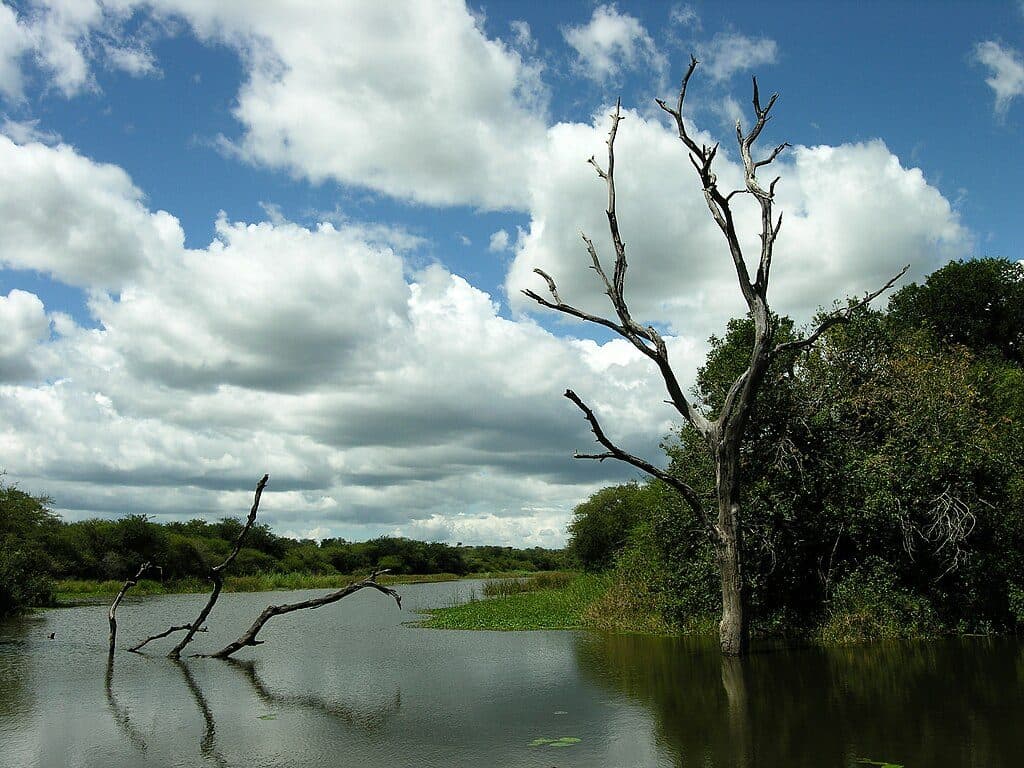
The Fever Tree Forest is the Pafuri region’s most otherworldly scene: ranks of pale, green‑gold trunks rising out of the Luvuvhu floodplains, where elephants ghost between the stems and bird calls ricochet in the shade. It sits inside the Makuleke Concession in far‑northern Kruger—quiet, wild, and very different to the busier southern savannas.
What You’ll See
- The forest itself is the star—its yellow‑green bark catches late‑afternoon light beautifully, making it a photographer’s dream.
- Big game uses these floodplains: elephants often forage here and buffalo move through the river system.
- Birders rate Pafuri as exceptional, with northern specials on offer; the broader area regularly produces highlights that many visitors call trip‑defining.
- Nearby landscapes add drama: baobab‑studded hills, Lanner Gorge, and Crooks Corner at the Limpopo/Luvuvhu confluence all sit within easy outing range.
How to Experience It
This is concession land: the marquee Fever Tree Forest experiences happen on guided activities (drives and especially walking safaris) run inside Makuleke. If you’re self‑driving on public roads, you can reach Pafuri Picnic Site and Crooks Corner, but getting into the forest itself as a destination is typically done with concession guides from camps such as Pafuri Camp and dedicated walking‑safari operations. Expect skilled interpretation on foot and by vehicle, with an emphasis on tracking, plants, birds, and reading big‑game behavior.

Facilities and Practicalities
Don’t expect built amenities at the forest. Use camp facilities before you head out; on vehicle activities your guide can arrange brief bush stops. Trails camps in this area are intentionally off‑grid and simple by design, while main camps provide the comforts you’ll want between outings.
Best Time to Visit
- Season: The walking‑trail season runs roughly April–October, when it’s cooler and drier—ideal for time on foot and clearer views under the canopy. Summer can bring floods and rougher regional roads.
- Time of day: Late afternoon is prime for that green‑gold glow in the trunks; early mornings are excellent for wildlife and bird activity.
- Crowds: Northern Kruger is generally quiet; this is a wilderness experience, not a crowded viewpoint.
Tips for Getting the Most Out of It
- Book guided activities inside the Makuleke Concession if the Fever Tree Forest is a priority.
- Pack neutral layers, sun protection, insect repellent, binoculars, and water; follow your guide’s safety briefings when walking among big game.
- Allow extra travel time in the rainy months—roads in the far north can be potholed or flood‑affected.