Best time to visit
Midday to early afternoon is ideal—when wildlife viewing often slows and the heat makes a shaded, indoor stop welcome. Aim to arrive by 15:00 so you’re not rushing the exhibits before the 16:00 close.

#6 of 71 sights in Kruger
Sight · Kruger National Park
Tusker museum with real ivory and a full elephant skeleton
Overview
Tucked inside Letaba Rest Camp, this compact museum is Kruger’s love letter to elephants. It zeroes in on the park’s famed big tuskers—the bulls whose ivory tipped the scales over 50 kg—and tells their stories with a mix of science, history, and reverence. Entrance is free, and it’s an easy, meaningful stop between game drives.
This is the best single place in the park to understand what makes a “tusker” and how those outsized ivory shapes reflect a lifetime of behavior. It’s bite‑size (you’ll be in and out in under an hour) but memorable, and it adds context to every elephant you spot on the road afterward. There’s usually a life‑size elephant statue out front—nice for perspective and a quick photo.
 Parkwolf’s verdictWhy It’s Worth Your Time
Map
Local know-how
Plan this as a midday stop between game drives.
Give yourself at least 45 minutes to read the tusker stories.
Arrive before 15:00; doors generally close at 16:00.
Check Letaba reception for any updates on hours or special talks.
Plan your stop

The highest, rockiest slopes around here are a summer buffet for grizzly bears.
Kruger Tour Guide
Parkwolf is a GPS audio tour guide for Kruger National Park. As you drive, it chimes in with what’s ahead: hidden gems, upcoming stops, history, geology, and wildlife, right through your car’s speakers.
See the Kruger audio tourRecorded for this place
Letaba Rest Camp: Elephants and River Views“You're approaching Letaba Rest Camp, known for its shady trees and location right on the Letaba River.”
Plays as you drive up to Elephant Hall of Fame in the Parkwolf Kruger Tour Guide.
More stories near here in the app
“Fantastic app with many points of information… It’s great to just turn on while you’re driving and it gives you an audio tour of the national Park. We love it!!!!”


Guide
Wildlife
 1,312 sightingsLionMost seen around 6 AMSighting map
 727 sightingsLeopardMost seen around 5 AMSighting map
 2,403 sightingsElephantMost seen around 5 PMSighting map
 425 sightingsWhite RhinocerosMost seen around 6 AMSighting map
 547 sightingsBuffaloMost seen around 5 PMSighting map
 502 sightingsWild DogMost seen around 6 AMSighting map
Sighting maps show where each species has been reported across Kruger. Wildlife moves, so no sighting is guaranteed.
Keep exploring
 Lodging · At the trailheadLetaba Rest CampLeafy riverfront camp with Elephant Hall and all the essentials
 Store · At the trailheadLetaba Rest Camp ShopReliable camp store for braai basics, fresh bread, and souvenirs
 Food · 0.1 km awayCafeteria at LetabaQuick, no-fuss bites inside leafy Letaba Rest Camp
 Restaurant · 0.1 km awayTindlovu Letaba RestaurantRiver-view dining where elephants sometimes steal the show
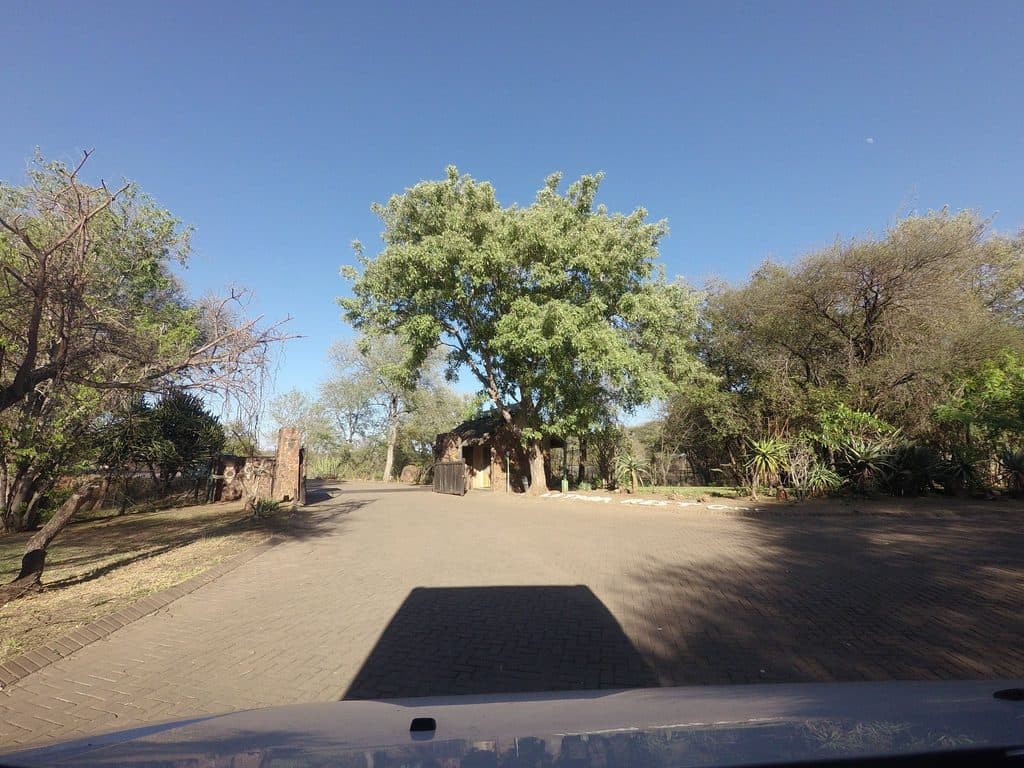 Visitor center · 0.1 km awayReception Letaba Rest CampThe hub for bookings, info, and basics at Letaba’s riverfront camp
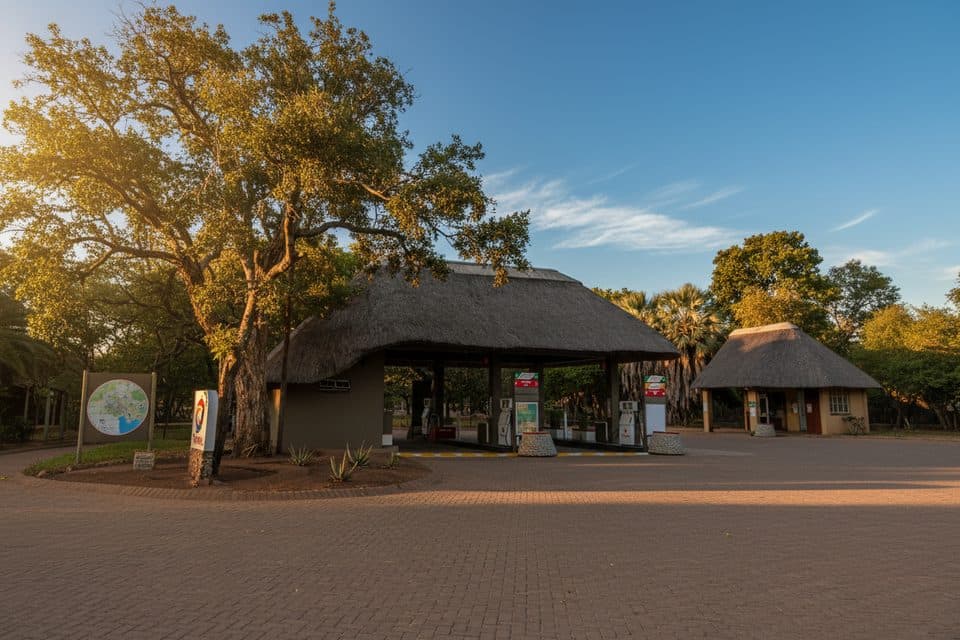 Gas station · 0.1 km awayLetaba Rest Camp Petrol StationHandy in-camp pumps for topping up before northern drives
 Sight · 6.7 km awayEngelhard DamRiver weir with concentrated wildlife and standout birding
 Scenic pullout · 7.3 km awayLongwe ViewpointSmall pull-off overlooking Engelhard Dam and river wildlife
Parkwolf’s Kruger ranking
The audio tour guide for the drive, plus offline maps, trails, and wildlife heatmaps for when the signal drops.