Place · 4.9 mi away

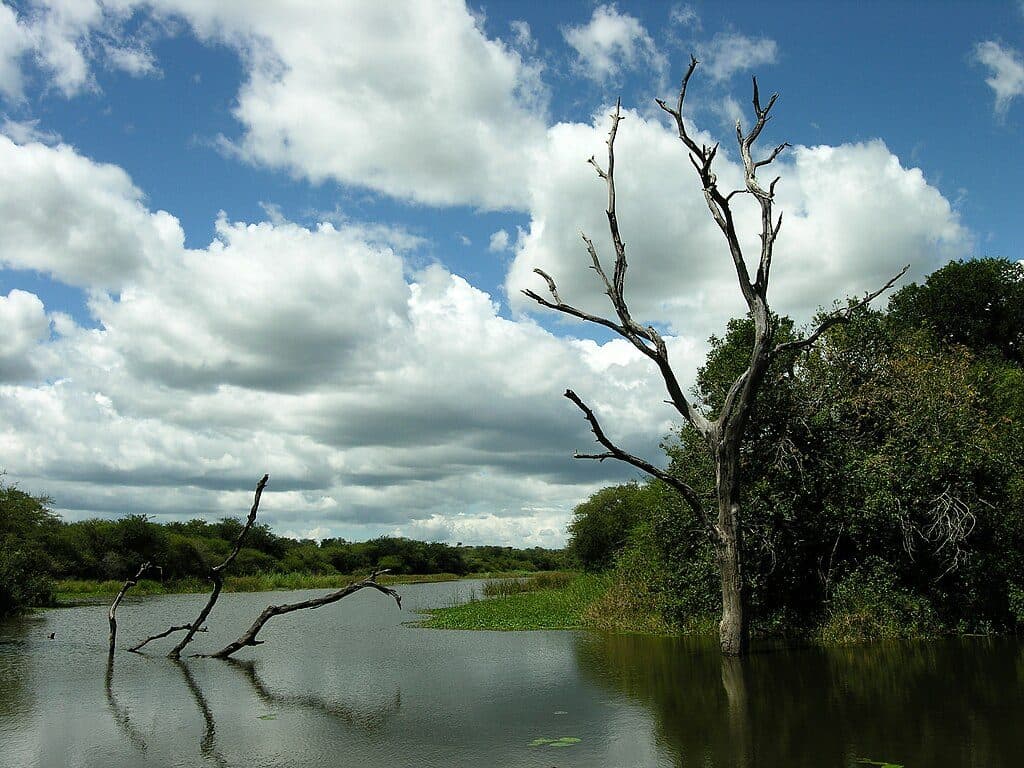
Komapiti Waterhole Viewpoint is a classic Kruger pull-off: you stop at the roadside, look out over a water source, and let the bush come to you. In the dry winter months, this kind of spot can be gold—everything from elephants to general plains game cycles through for a drink if there’s water holding.
Waterholes concentrate life when conditions are dry. Expect steady traffic from herbivores and the potential for predators to cruise by. Keep your ears open—alarm calls from baboons or birds and fixed stares from antelope often hint at nearby cats. Vultures overhead can signal action in the vicinity.
This is a patience game. Park with a clear angle on the water and sit quietly. Drive slowly on approach and departure; you’ll spot more at 25 km/h than at speed, and you won’t blow past subtle movement in the shade. Bring decent binoculars and a camera with reach—most viewing is at a respectful distance.
Assume no amenities here. There are no restrooms, shops, or skottel hires at ordinary waterhole viewpoints. Use picnic sites and main camps for bathroom breaks, food, and fuel, then string these quick waterhole scans between them. Carry your own water and snacks; in Kruger, the next facility can be further than you think when animal “roadblocks” slow you down.
Stay in your vehicle unless signage explicitly allows alighting. Never feed animals. If elephants are using the area, give them space, switch off, and wait them out. With predators on or near the road, windows up and doors locked is the calm, correct move.
Early and late are always best—cooler air means more movement and softer light for photos. In the dry season (roughly mid‑winter into spring), waterholes like this can produce all day, with late afternoon often peaking as herds come in to drink.