Place · 4.7 mi away

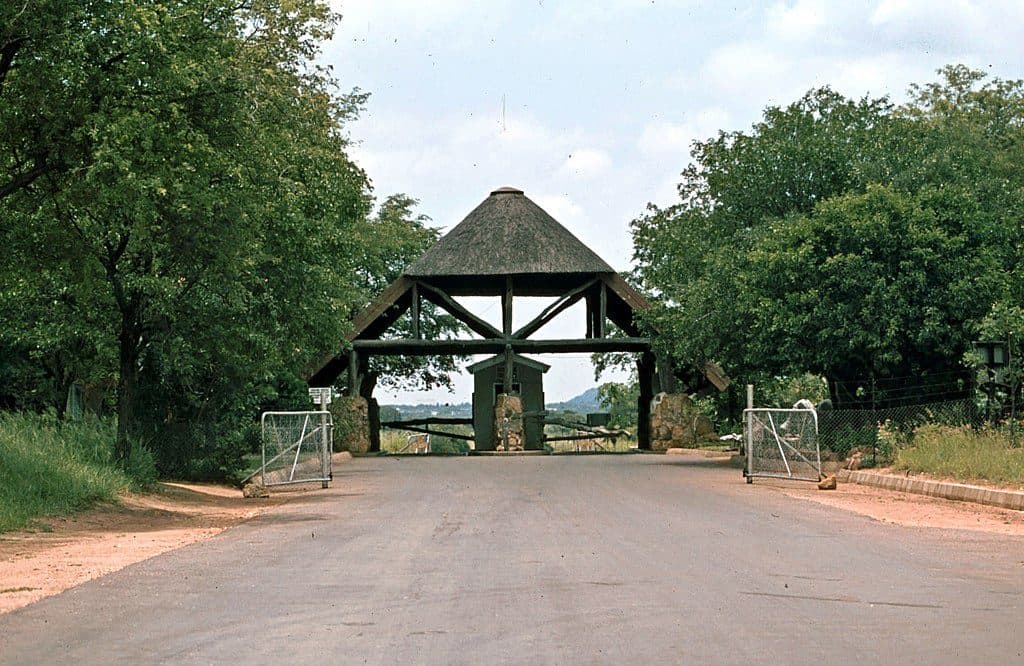
Phalaborwa Gate is the northern-central doorway into the park, sitting right next to the town of Phalaborwa (the rare town that directly borders the fence). It’s the most convenient entry for reaching Letaba and the northern loops, with quick access to river systems that draw big game.
Gate opening and closing times shift seasonally (roughly opening at 5:30–6:00 am and closing around 5:30–6:30 pm). There’s no late admission here, so plan arrivals conservatively. On arrival you’ll complete a Gate Registration & Indemnity Form and present identification; conservation fees are payable per person per day. Expect a rush at opening—especially on weekends—so be early if you want to be among the first through.
At the gate you’ll find shaded parking, reception, a small curio shop and clean bathrooms. About 10 km inside the gate on the H9 is Masorini picnic site—handy for a stretch and restroom stop, with typical picnic-site amenities like toilets and braai facilities. Note there’s no petrol station at the gate; top up in Phalaborwa town before you arrive.
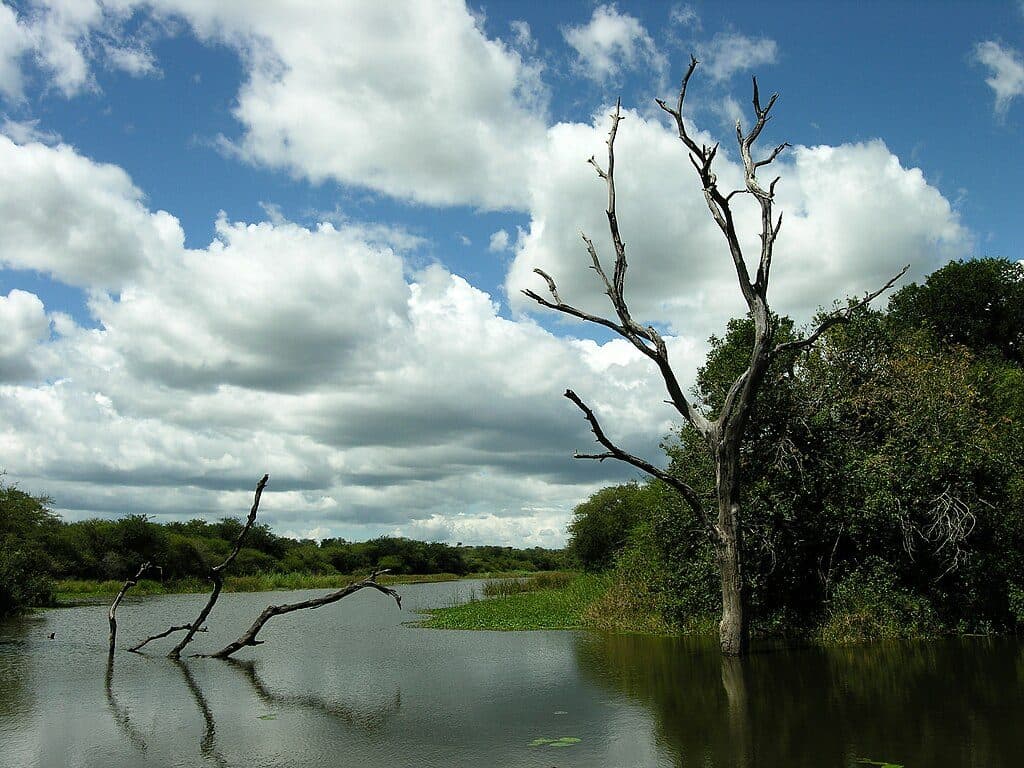
The road network accessed from this gate can be excellent for elephants, buffalo, lions and antelope. The river lines and drainage systems are your best friends—especially in the greener months when the grass is long and the bush is dense. The broader Olifants River system is a magnet for hippos and crocodiles. Immediate areas near the gate can be quieter in the wet season; patience and water-source loops pay off.
Ranger-led activities from this side are well-regarded if you want expert eyes and elevated vehicle views. Self-drivers should know there’s a designated place to legally alight from your vehicle within roughly the first 10 km—use only marked spots.
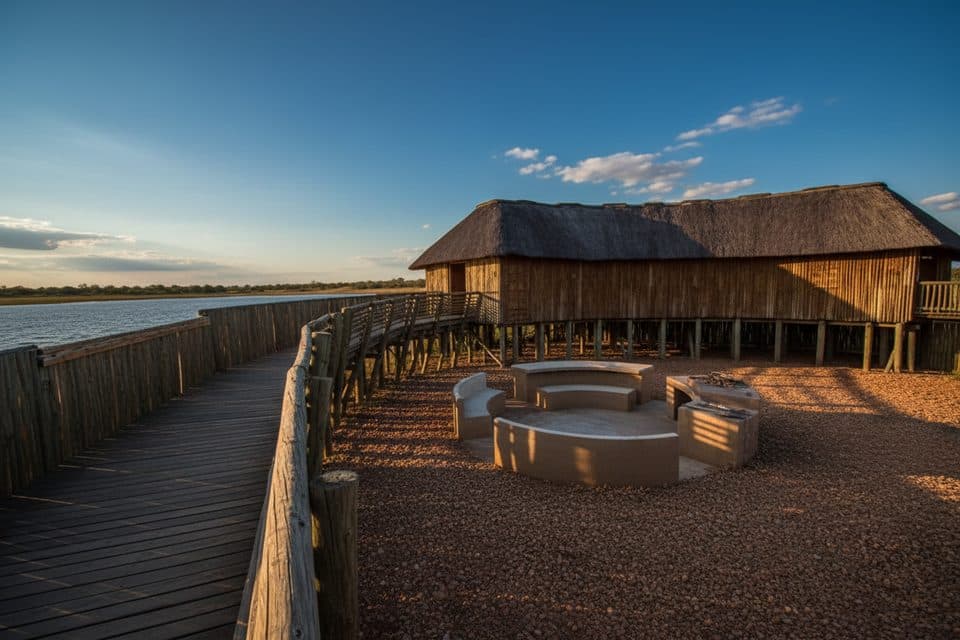
Letaba Rest Camp is the nearest large base once you’re inside, and the Sable Sleepover Hide and Masorini archaeological site make satisfying short detours early in the day.
For wildlife and light, be at the gate before opening to catch the cool, active hours and golden light. Crowds peak mid‑morning to midday, with Saturday and Sunday the busiest. Seasonally, the dry months (roughly May–September) have thinner vegetation and easier visibility, while January–February are typically the wettest, with lush bush that can make sightings trickier.