Red Rocks

Quiet lookout over red sandstone slabs and Shingwedzi rock pools
Red Rocks, Kruger National Park
InsideKruger National Park

Overview

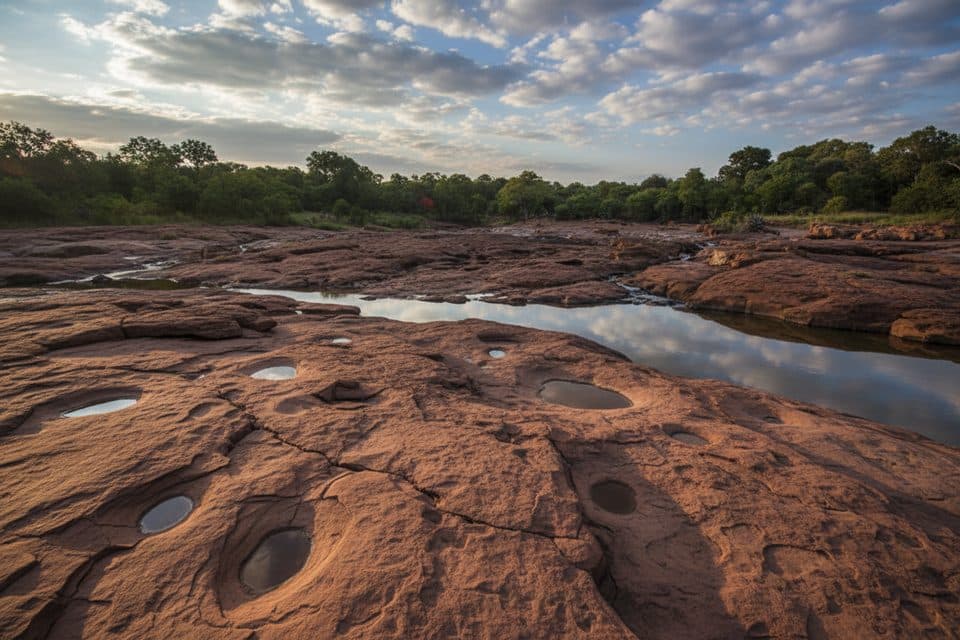
Red Rocks Lookout is a simple but memorable pull-off on a quiet gravel loop in the far north, where broad, red sandstone slabs meet the Shingwedzi River. It’s a quick scenic stop rather than a destination—most folks spend 30 minutes or less—yet the color and texture contrast beautifully with the surrounding savanna.

What You’ll See

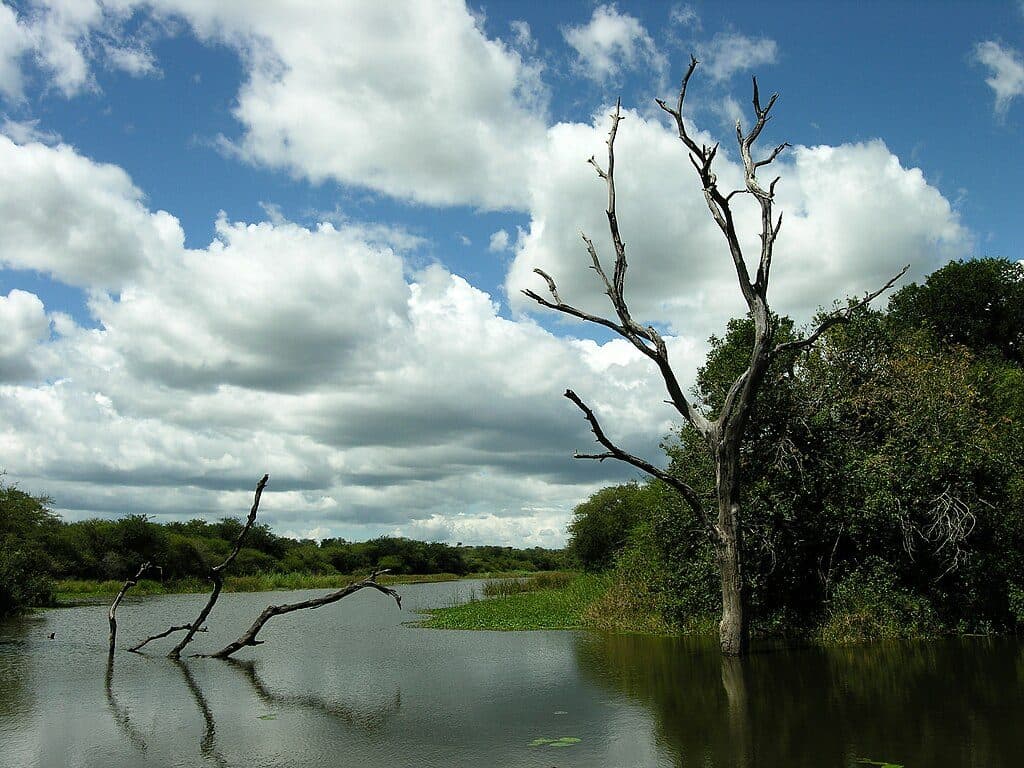
You’re looking over weathered sandstone laid bare by the Shingwedzi’s erosion. In the dry season, shallow pools linger in the rock and become magnets for animals. Expect a peaceful, open view across the riverbed rather than a close-up, in-your-face cliff; the main red slabs sit a bit off from the viewpoint.

Wildlife

This area can be productive, especially in winter when water is scarce and the pools concentrate life. Sightings reported around here include elephants, giraffes, and lions. Drive slowly, glass the riverbed and edges, and give yourself time—northern sightings reward patience.

Facilities and Logistics

There are no facilities at Red Rocks: no toilets, water, shop, or picnic/braai. Use nearby camps or official picnic sites before you head out. Shingwedzi Rest Camp is the logical base less than 15 miles away, and staffed picnic sites like Babalala and Mooiplaas have toilets and gas braais. Only get out of your vehicle at places explicitly signed as safe to alight.

Getting There

Roads on this loop are gravel and feel remote. Confirm directions with staff at your camp before setting off, and plan conservative travel times. Within the park, paper maps beat phone apps for route choices and timing. Gate hours and day-visitor quotas still apply, so start early.

History and Culture

Locally known as Ribye‑ra‑Khubyane pools, this spot holds cultural significance to the Tsonga people, who traditionally offered small tributes here for protection on journeys. There’s also a bit of frontier lore and historic gold panning tied to this stretch of the Shingwedzi.

Best Time to Visit

  • Season: Dry winter months are best for both visibility and animal concentrations around the rock pools.
  • Time of day: Be there at gate opening or late afternoon for active wildlife and softer light.
  • Crowds: Northern Kruger is generally quieter than the south, and this gravel loop sees light traffic.
  • Photography: Warm side-light at golden hours flatters the red sandstone; bring a longer lens to compress distance to the slabs and animals in the pools.

Pros

  • Striking red sandstone slabs along the Shingwedzi River
  • Often draws wildlife to shallow rock pools in the dry season
  • Quiet northern gravel loop with fewer crowds

Cons

  • No on-site facilities or picnic/braai options
  • Viewpoint sits a bit away from the main rock slabs

Tips

  • Use restrooms at Shingwedzi or picnic sites like Babalala or Mooiplaas before you go.
  • Drive slowly and scan the rock pools in winter—animals funnel to remaining water.
  • Confirm directions at camp and rely on a paper map rather than phone apps.
  • Pack water and snacks and plan this as a short stop, not a picnic.
  • Aim for dawn or late afternoon for activity and the best sandstone color.
The Parkwolf tour guide sitting on a phone mounted in a car

Parkwolf Tour Guide

Like a tour guide in your car.

Save the places you found around Kruger, then let Parkwolf guide the drive between them.Download Parkwolf on the App Store