Place · 10.1 mi away

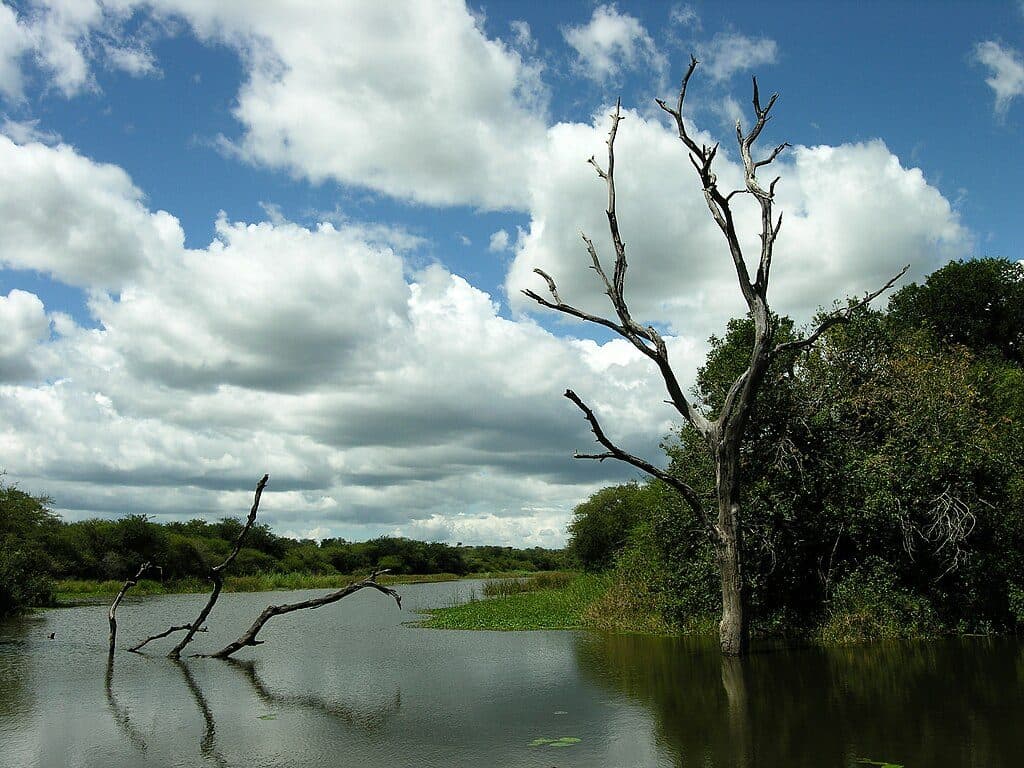
Shimuwini is a small, modern bushveld camp rebuilt after the 2000 floods, set along the Letaba River and Shimuwini Dam. Its name means “Place of the Baobab,” and you’ll see those ancient giants lining the river. The vibe is peaceful and low-key—ideal if you want river views, good birding, and fewer people.
Every unit faces the water, so you can watch elephants, buffalo, hippos, and crocodiles from camp. The on-site bird hide overlooks the dam/river and is a favorite perch for spotting waterbirds and whatever comes to drink. Big cats and even wild dogs are recorded in the area, but the daily stars are the river regulars. Birding and game viewing from the hide are especially productive from about April to August.
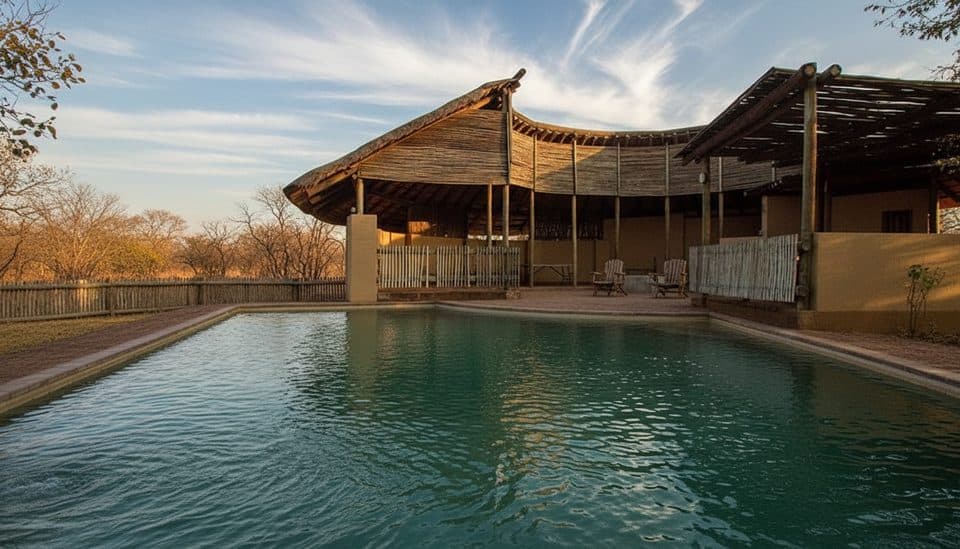
Shimuwini has around 15 self-catering family cottages spread along the water. Units come with basics you actually need: fridge (no freezer compartment), gas stove, cookware, and a private braai. There’s a communal freezer at reception, plus a boma area for groups and a swimming pool to cool off during hot afternoons. Power is solar—lights and fans work, but there are no plug points in the cottages; you can charge small devices at reception. Bedding, towels, and soap are provided, and units are serviced.
There’s a tiny reception mini-shop for essentials like firewood, ice, and phone cards—no perishables or meals. For proper groceries, fuel, and restaurants, plan to restock at Mopani or Letaba Rest Camps. Reception can provide info, public telephones, and basic first aid. There’s no ATM, and you shouldn’t count on wifi or cell reception.
Besides self-driving the surrounding roads (a quiet, wildlife-rich corner of northern Kruger), the camp offers morning and night game drives and guided bush walks with field guides. Inside camp, the bird hide is the easy win—linger with binoculars and let the river do the work.
Shimuwini sits in northern Kruger, roughly 50 km from Phalaborwa Gate. The final 20 km access road is for residents only, which helps keep the camp serene. Be mindful of gate closing times; late arrivals won’t be admitted.
Dawn and late afternoon are prime for sightings and softer light along the river. The hide is fantastic at first and last light, and April–August tends to be especially good for birding and waterhole activity. Midweek stays are the quietest.