Place · 0.8 mi away

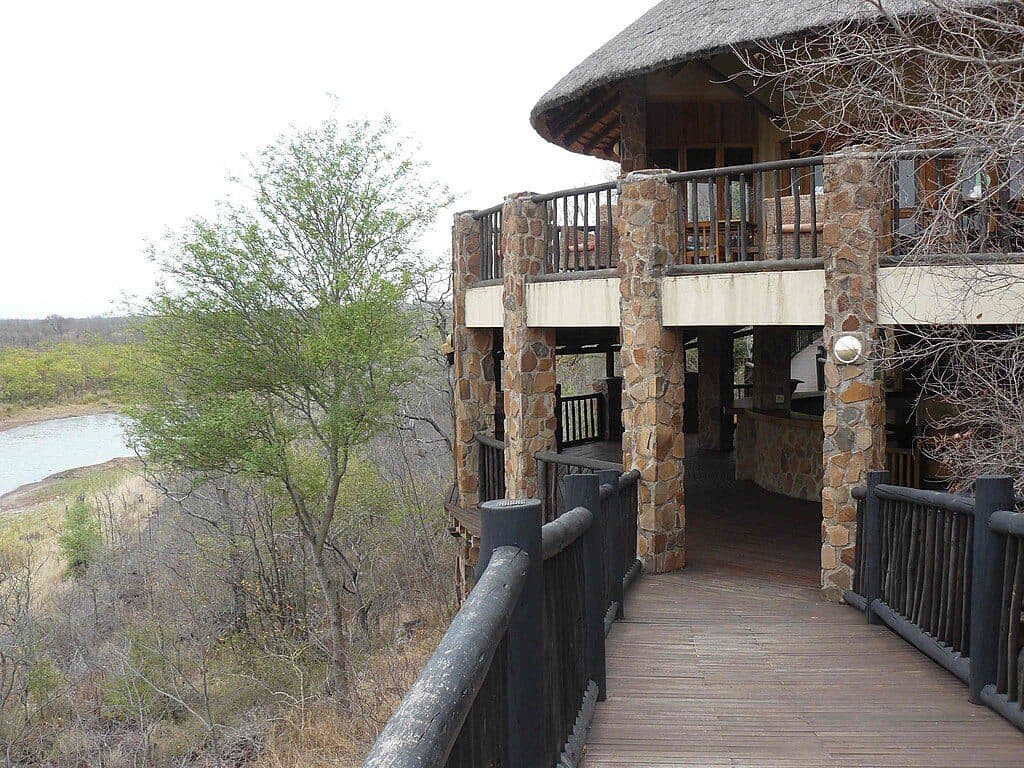
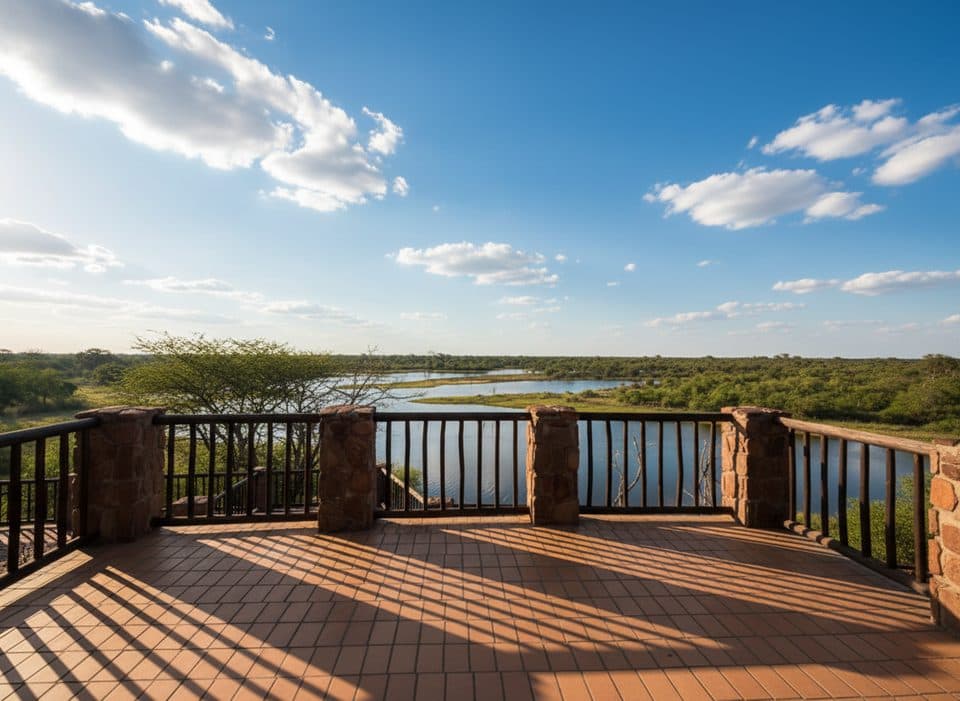
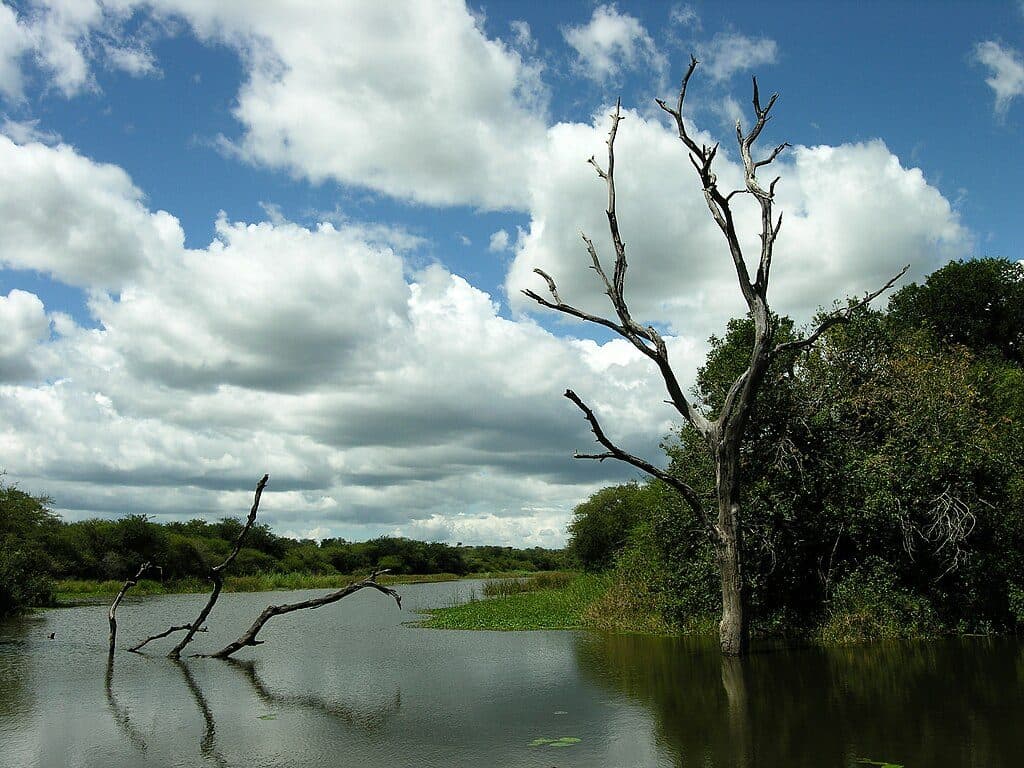
Shipandani is Kruger’s most atmospheric kind of stay: a public bird hide by day that turns into your private, rustic sleepover by night. It sits right on the Tsendze River a few kilometers south of Mopani, so you fall asleep to hippos grumbling and elephants splashing. It’s spartan and immersive—no power, no taps—just you, the river, and the night sounds.
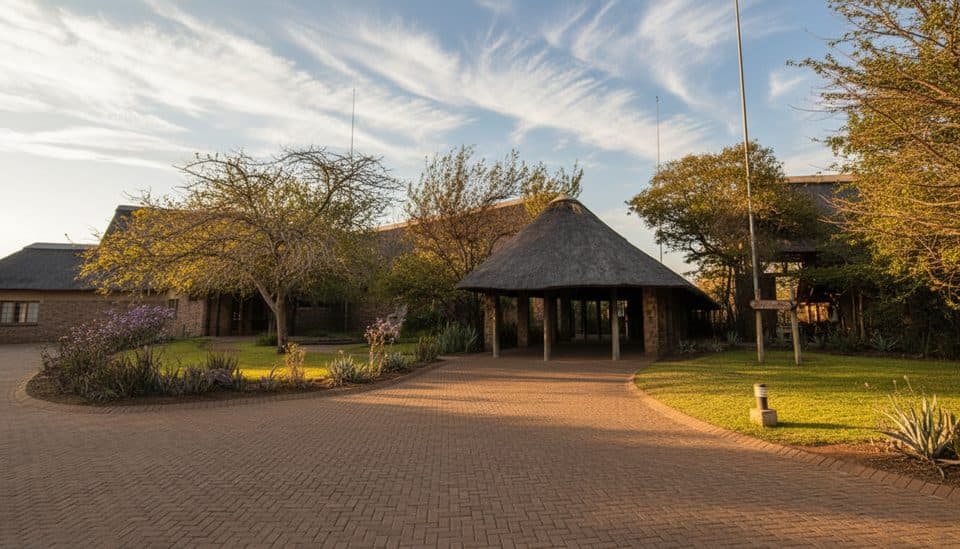
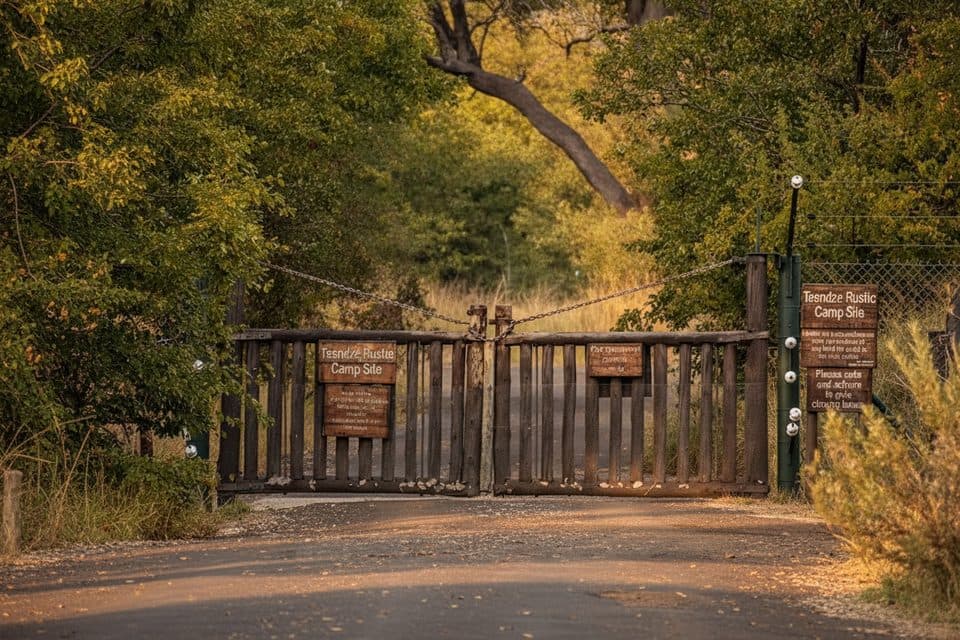
You check in at Mopani Rest Camp to collect the key, bedding, and a basic cutlery/crockery box, then drive a short way to the hide. At night it’s exclusively yours (one party only, up to six people). You can enter from roughly 30 minutes before camp gate closing and must vacate within about 30 minutes of gate opening the next morning.
Inside the wooden hide, six single fold‑down beds and mattresses stow neatly away until bedtime. Outside, there’s a fenced boma with a braai (barbecue) area. An environmental toilet sits within the enclosed perimeter. There’s no electricity and no running water; on request, Mopani can issue a couple of rechargeable lamps with limited runtime—bring extra light of your own.
Pack all your own drinking and washing water, food, and braai wood/charcoal. Add headlamps/torches (and spare batteries), warm layers for winter nights, insect repellent, and malaria precautions in summer. If you want to cook beyond a simple braai, bring your own gear—only basic eating utensils are provided.
This stretch of the Tsendze is a magnet for elephants, hippos, and buffalo, with excellent birding from dawn to dusk (think herons, coucals, cuckoos, openbills and more). Nights can be spectacular—hearing lions carry across the water and waking to first light over the river. You won’t get closer to Kruger’s mood than this.
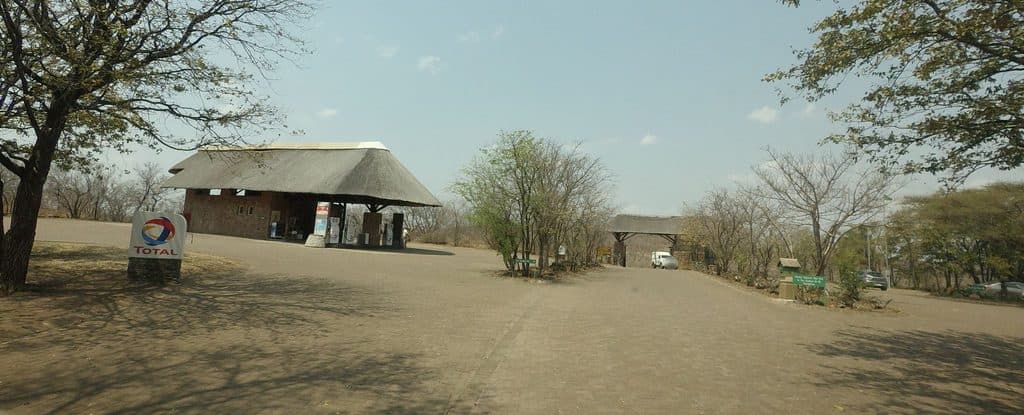
Shipandani is booked as an exclusive‑use unit for one night at a time (one party per night; max six). Rates have been published as a base for two with add‑ons per extra adult/child; always confirm current pricing and booking channels via Mopani/SANParks. There’s no reception, shop, fuel, or restaurant at the hide—sort all of that at Mopani before you go.
The dry, cooler months (roughly April–September) are the sweet spot—comfortable nights and reliable wildlife traffic to the river. Summers are hot and humid with afternoon storms. Aim to arrive at Mopani early enough to collect gear and reach the hide with time to set up before sunset; the golden hour over the river is prime for photos. Crowds aren’t an issue overnight—it’s just your group.