
Place · 1.6 mi away
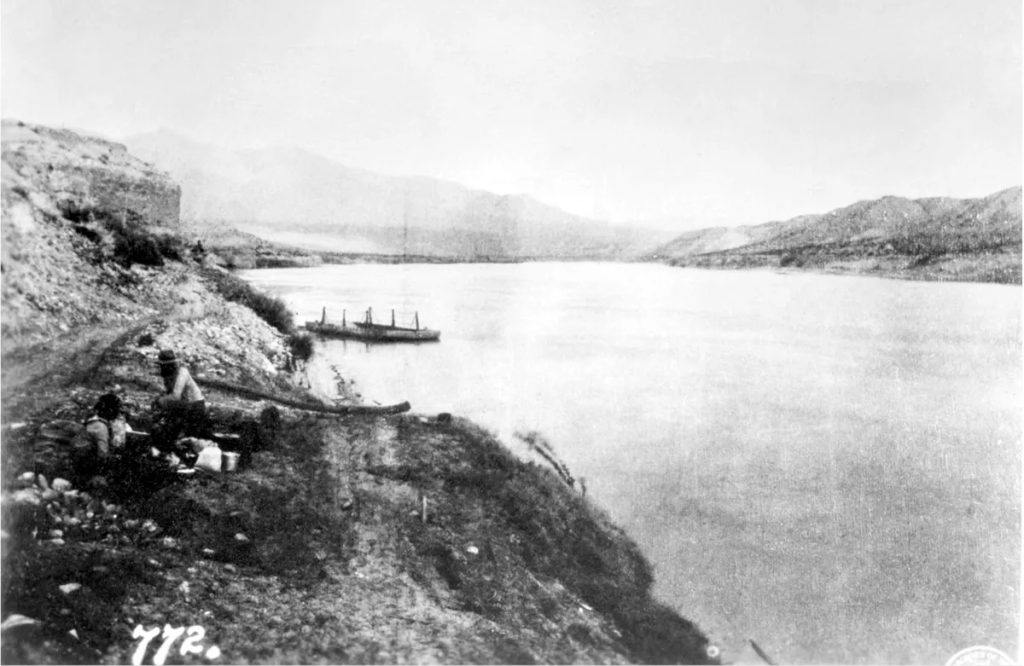
Bonelli Landing is the quiet, primitive side of the lake—an undeveloped shoreline access on the Arizona side where you can camp right by the water, fish, or launch small craft when levels allow. It’s more about solitude and big-sky views than services.
Expect a long stretch of dirt and gravel (about 15 miles) with washboards, dips, and pockets of soft sand. High‑clearance is smart; 2WD can make it when dry, but scout ahead and avoid wet clay or storms that can flood washes. Turning big rigs around can be tricky near the shore.
There are vault toilets (reported as two, up the hill from the landing). No potable water, no hookups, no marina, no fuel, and no store. Basic trash dumpsters are located at the junction of Road #74 and #143—plan to pack it out until you reach them.
Dispersed camping is allowed with a 15‑day limit. Keep sites on durable surfaces above the high‑water mark and out of washes. An entrance fee/pass for the recreation area is required. Common rules apply: use a fire pan or established rings (check restrictions), pets allowed (leash rules apply), glass and styrofoam are banned on beaches, and drones are generally prohibited.
You might see free‑roaming burros (and the occasional cow). Broader area sightings include desert bighorn sheep on slopes, assorted lizards and the rare rattlesnake, plus seasonal birds like osprey, eagles, grebes, and winter waterfowl. Give all wildlife space.
It’s often breezy in the afternoons; stake tents well. Mosquitoes can show up at times. Helicopter overflights are occasional. Cell service is spotty to nonexistent, though some visitors have caught weak Verizon 4G.
November–April brings cooler temps, clearer air, and better hiking and fishing conditions. Summer heat is punishing—do activities at dawn/dusk if you go then. Monsoon season (typically July–September) can bring sudden storms and flash floods. Mornings are usually calmer for paddling. Holiday weekends can fill the best dispersed spots early.
Bring far more water than you think you need, plus a real spare tire, jack base, and recovery boards if you have them. Download offline maps—side roads look alike. Clean, drain, and dry boats; follow Arizona/Nevada fishing license reciprocity rules. Lake levels fluctuate, so shoreline access and informal launches change over time.
Place · 1.6 mi away
Place · 5.2 mi away
Place · 5.6 mi away
Place · 7.4 mi away
Challenging · 11.1 mi away
Easy · 11.1 mi away
Easy · 11.2 mi away
Moderate · 12.7 mi away

Parkwolf Tour Guide
