
Place · 0.1 mi away
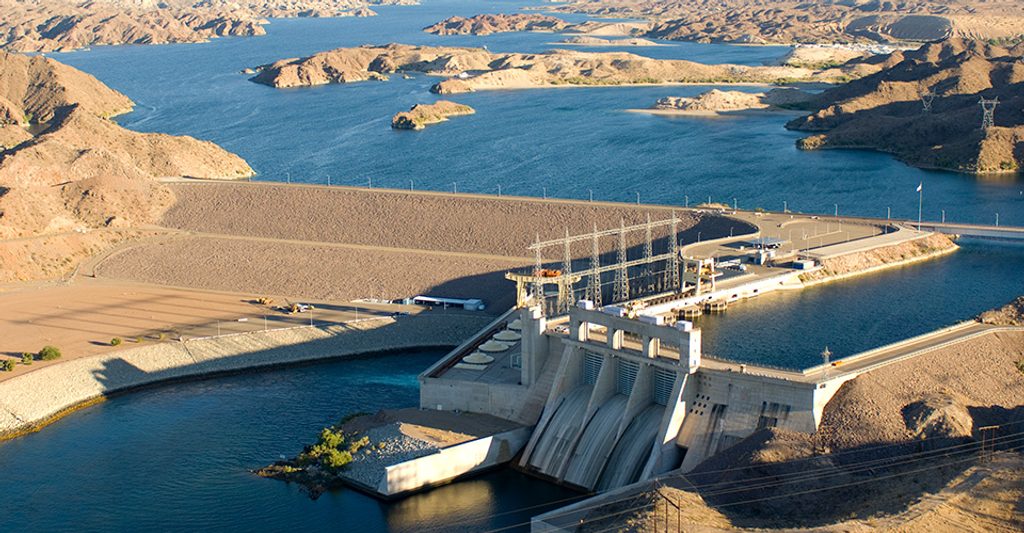
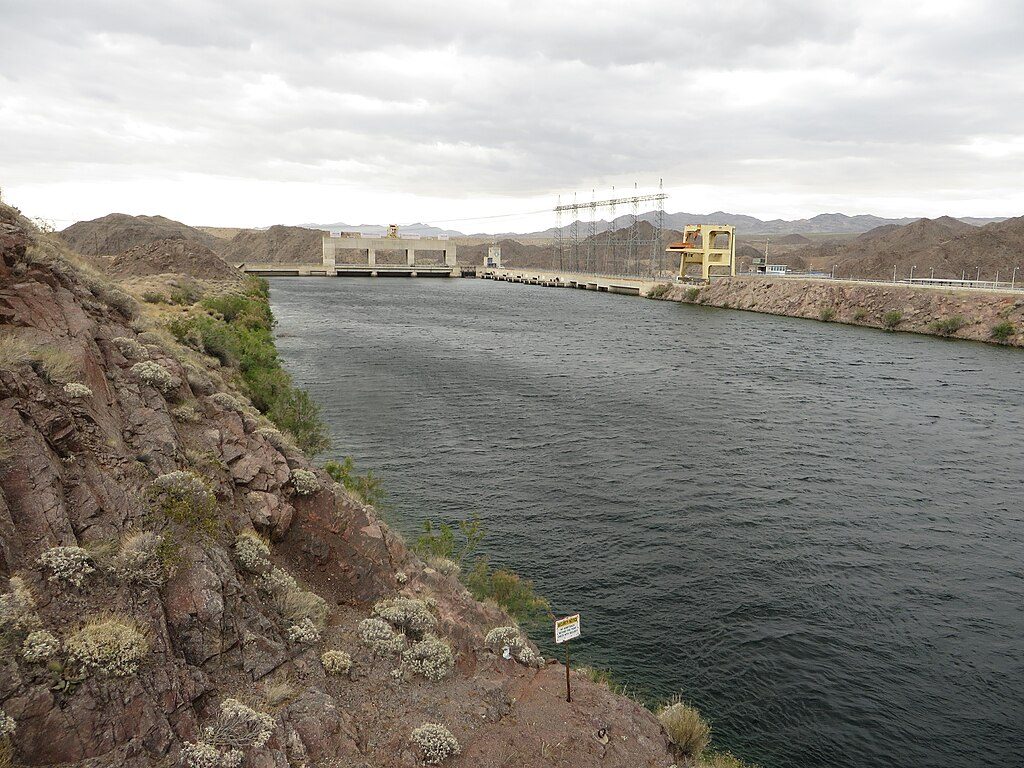
Davis Dam is a quick, worthwhile stop where the Colorado River slips out of Lake Mohave. You’re here for the views and the story: a short, well-kept path leads to interpretive panels that explain how this dam, finished in 1951, created Lake Mohave at the south end of the recreation area. Expect sweeping looks at the river corridor framed by desert mountains, plus a handy restroom for a brief leg-stretch.
This is the southern bookend of the park’s reservoir system—Hoover Dam (1936) formed Lake Mead, and Davis Dam (1951) formed Lake Mohave. In 1964 the area became the first National Recreation Area, tying the lakes and river-based fun under one banner. You’ll literally see that transition as water moves from calm reservoir to the flowing Colorado below the dam.
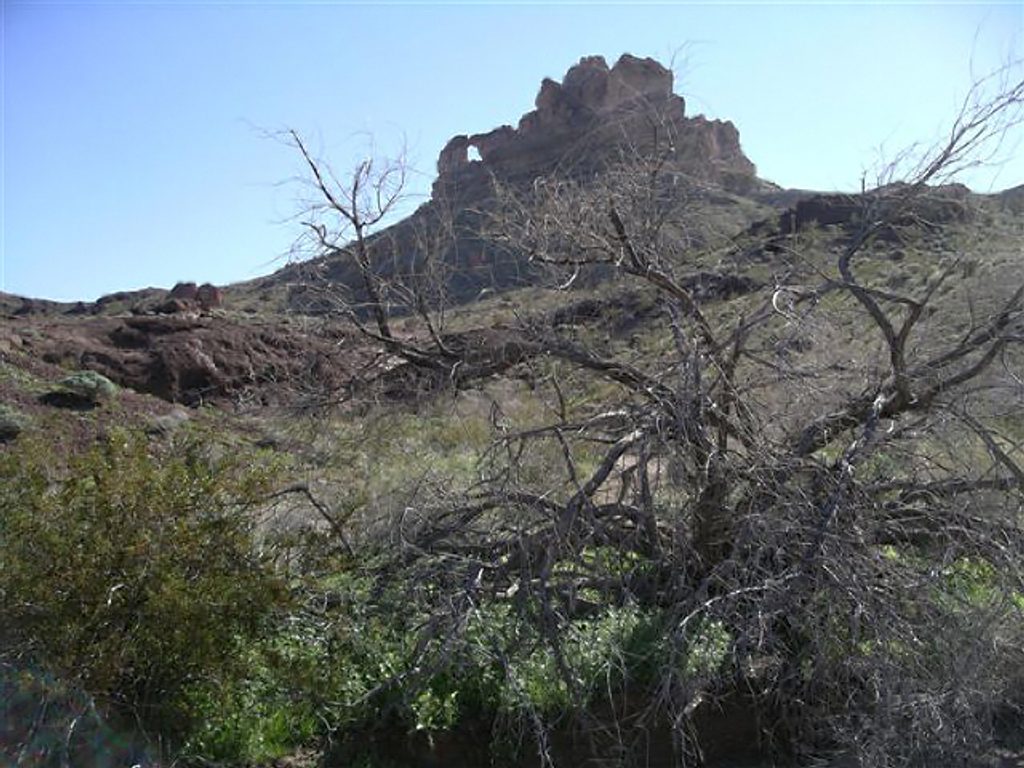
From the overlooks and short path, you’ll spot the turquoise ribbon of the river, the broad expanse of Lake Mohave, and layers of desert mountains shaped by faulting and ancient volcanism. Keep an eye out for wildlife common around shorelines and cliffs—great egrets hunting the shallows, golden eagles soaring high, bighorn sheep on steep terrain, and lizards skittering when temps creep past about 70°F.
Parking is limited, so this works best as a quick pull-in. A restroom is available. If you wander down to the water, know that it’s cold; water shoes help on rocky, mussel-strewn edges. Wind is common—bring a light layer and secure hats.
If you want more facilities or a picnic, Pyramid Canyon Day Use Area just below the dam offers shaded structures and restrooms. Katherine Landing (a short drive along Lake Mohave) adds marina services, restrooms, and more day-use infrastructure. Primitive coves around the lake often have vault toilets and no potable water, so plan to carry your own.
Summer heat here is no joke—June through August often breaks 100°F. Hike or explore early or late and hydrate constantly. Sudden winds can rough up the water; boaters should watch for changing conditions and keep life jackets handy (required for kids 12 and under on boats). Avoid camping in washes and give rattlesnakes and scorpions space.
Go early morning or late afternoon for softer light, cooler temps, and easier parking. Weekdays are quieter. Winter brings crisp air and clear views; summer visits are all about short stops, shade, and plenty of water.
Place · 0.1 mi away
Place · 1.4 mi away
Place · 1.4 mi away
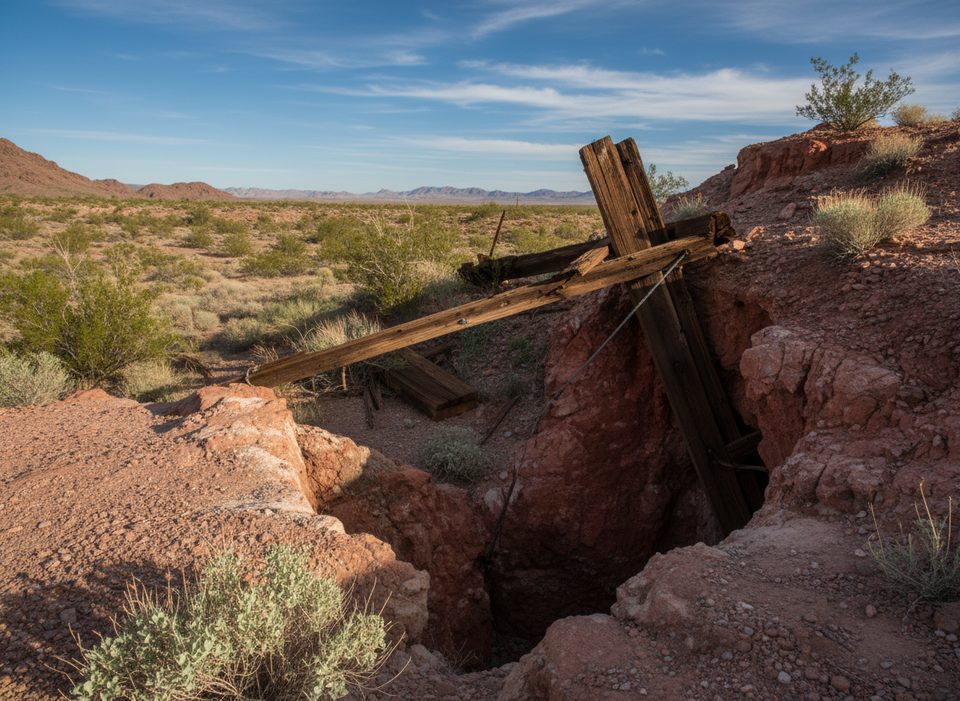
Place · 1.4 mi away
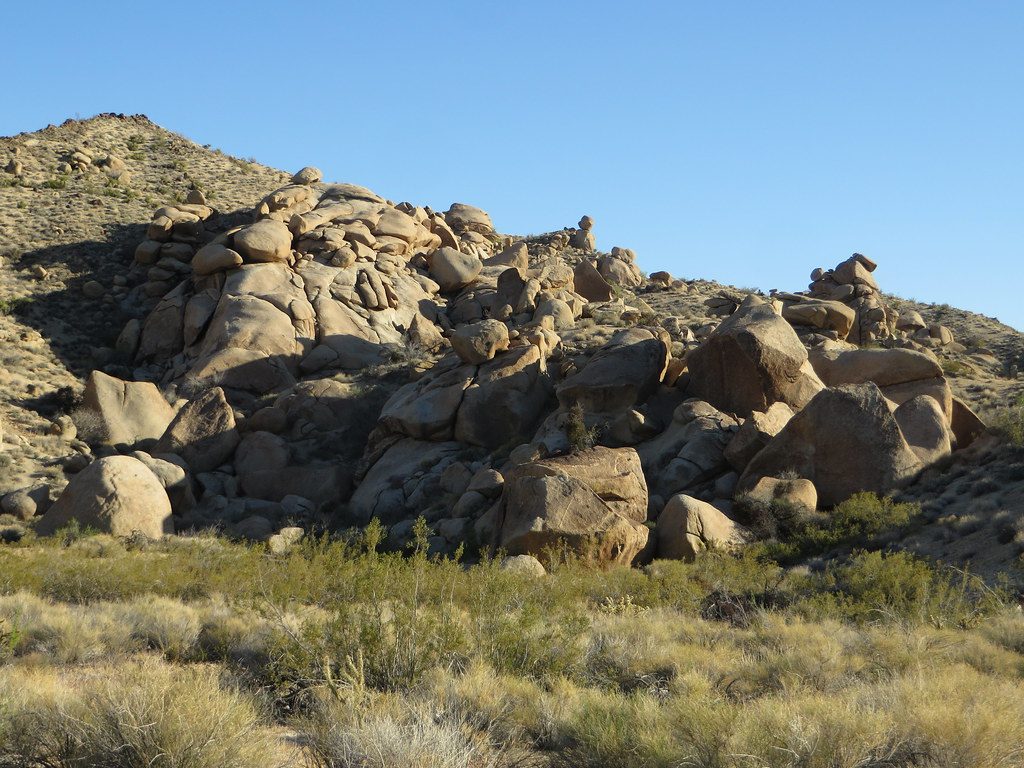
Moderate · 6.5 mi away
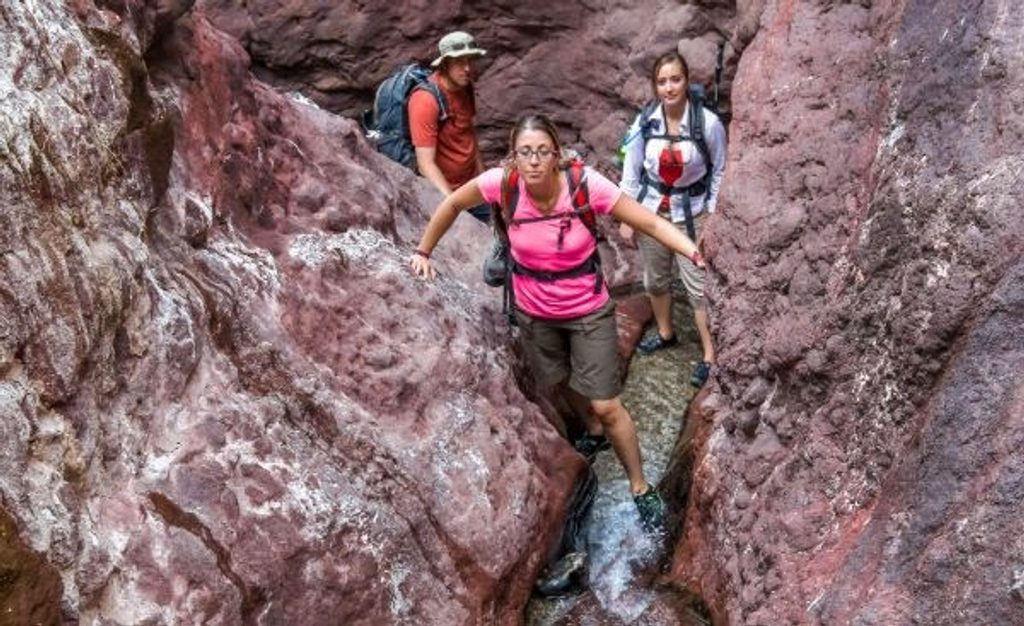
Challenging · 54.4 mi away
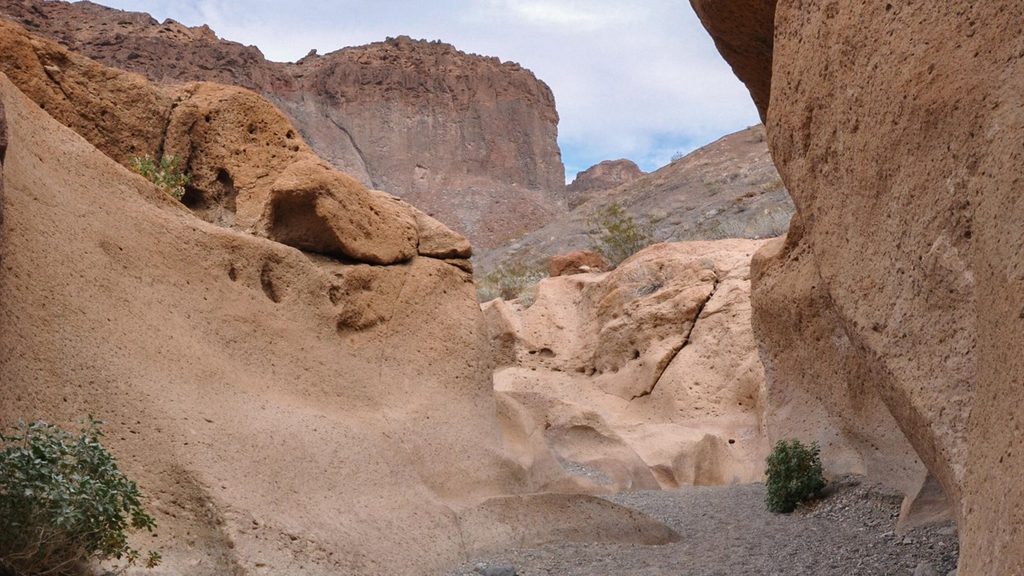
Challenging · 54.4 mi away
Moderate · 54.4 mi away

Parkwolf Tour Guide
