
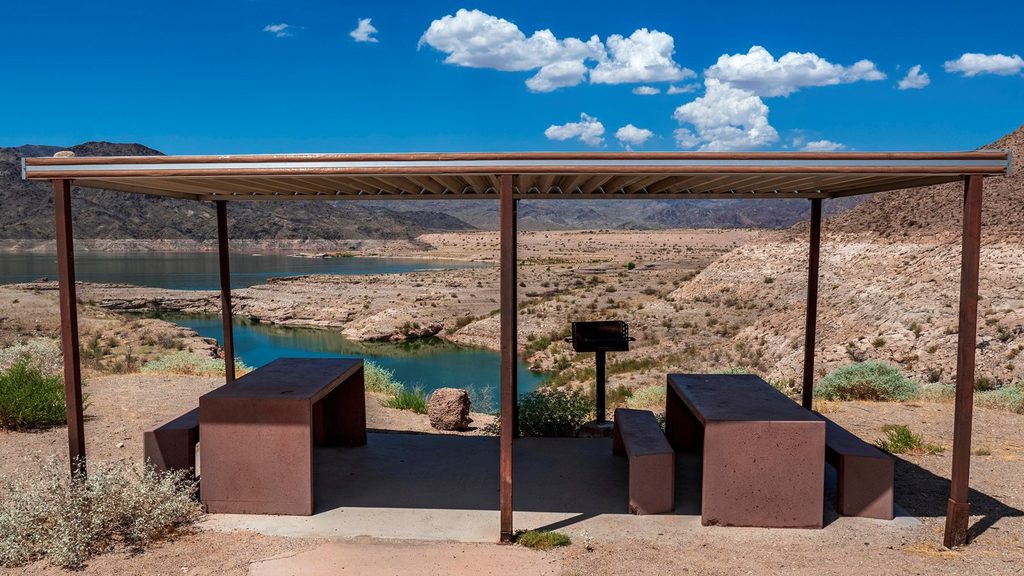
Place · 1.1 mi away
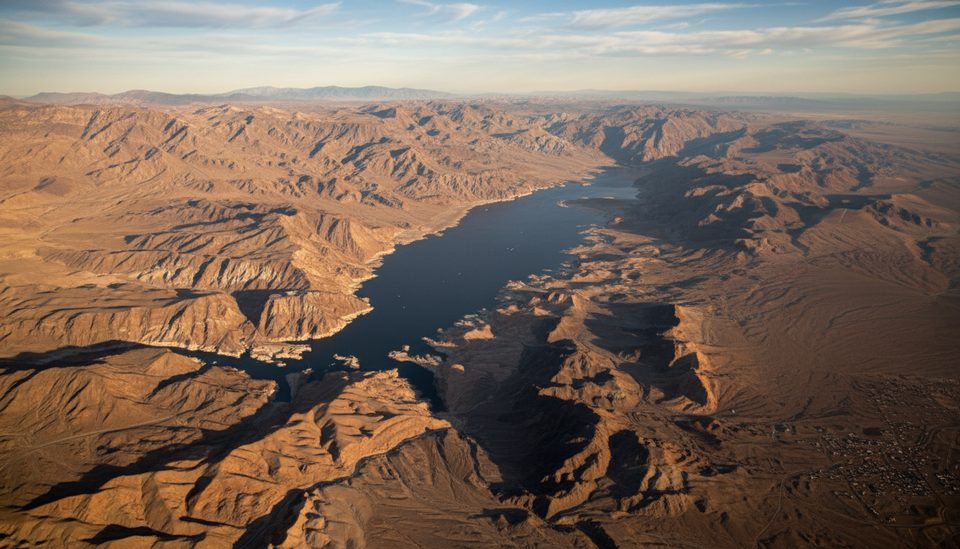
Gregg Basin is the broad, open reach of Lake Mead’s Colorado River arm—big water, cliffy shorelines, and quiet pocket coves. It feels far from everything, with wide views and very little development once you leave the main marinas.
Most boaters approach from Temple Bar. By land, the backcountry route to Gregg’s Hideout is long, dusty, and rough, with deep gravel and sand in places; a high‑clearance 4WD is the smart call, especially if you’re towing. Expect no services and no cell coverage.
Navigation takes attention—water levels shift, exposing rock shelves and sandbars. Morning hours are usually calmer; afternoons can blow. Anglers target striped bass first, with largemouth/smallmouth bass, crappie, bluegill, and catfish also in the mix (licenses and regs apply). Paddlers and bikerafting parties sometimes link nearby washes like Hualapai and Catclaw when conditions cooperate.
This is primitive, first‑come shoreline camping: no marked sites, no hookups, and no trash service. Two composting toilets are the only facility—bring your own TP and sanitizer. Shade is minimal, so plan for sun and wind. Depending on lake level, you may need to walk a bit from camp to the water.
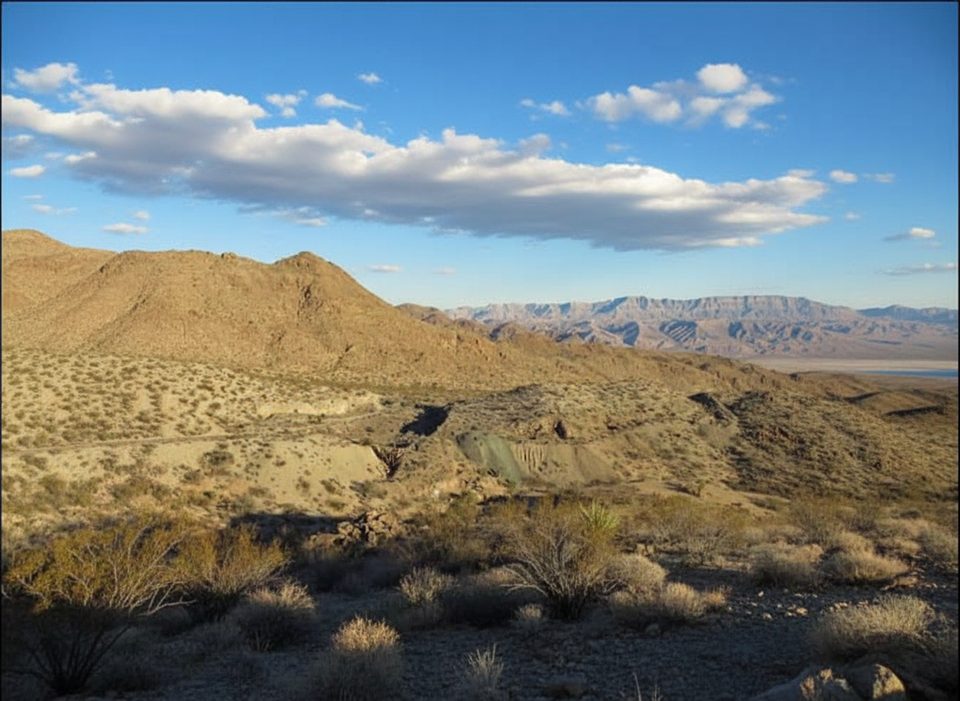
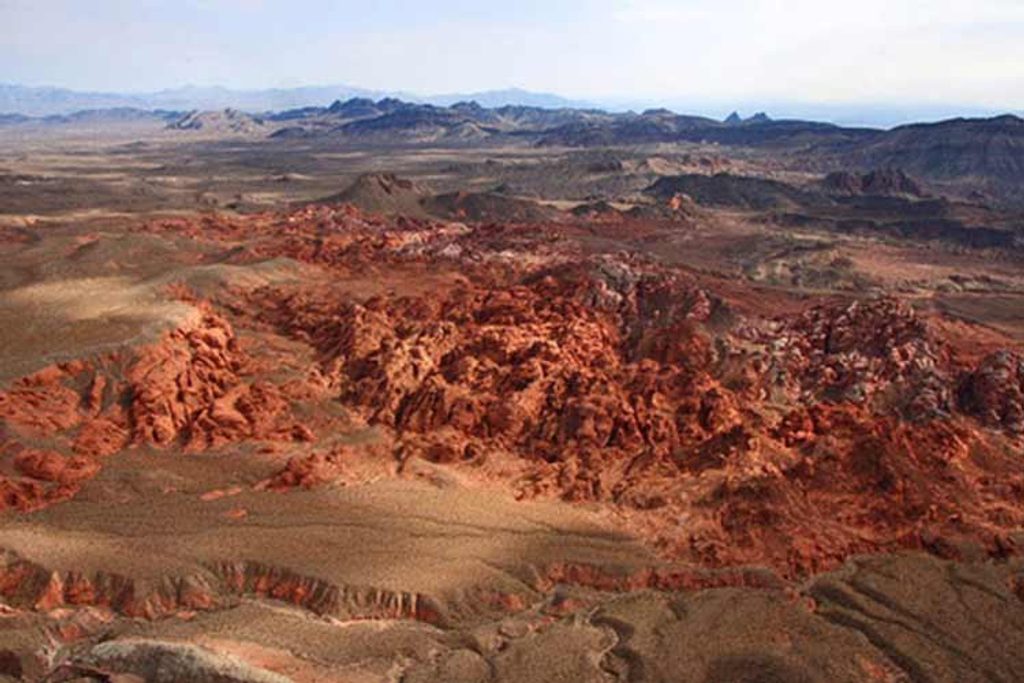
Gregg Basin sits near the transition from the Colorado Plateau to the Basin‑and‑Range. Extension along major faults (notably the Grand Wash system) dropped basins that later flooded to form Lake Mead. Rim rocks include Paleozoic carbonates and sandstones, with colorful younger units in spots; since the dam closed, river‑delivered silts and sands have built bars and deltas that emerge as levels fall.
Keep an eye on cliffy benches for desert bighorn sheep. Ravens are constant companions; coyotes and jackrabbits work the flats. In coves, seasonal waterbirds gather, and bats appear at dusk.
October through April is prime: cooler temps, clearer air, and calmer mornings. Summer routinely hits 105–110°F with intense sun; go early and plan short crossings. Weekdays feel especially empty out here, and sunrise/sunset light paints the cliffs beautifully.
Place · 1.1 mi away
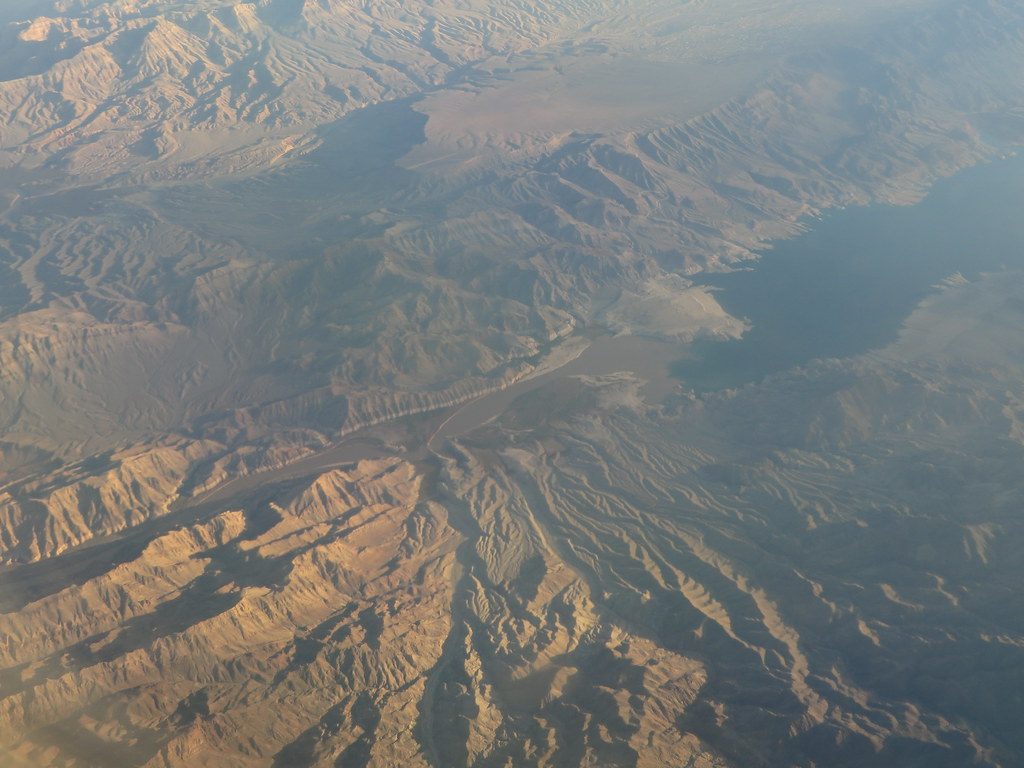
Place · 1.5 mi away
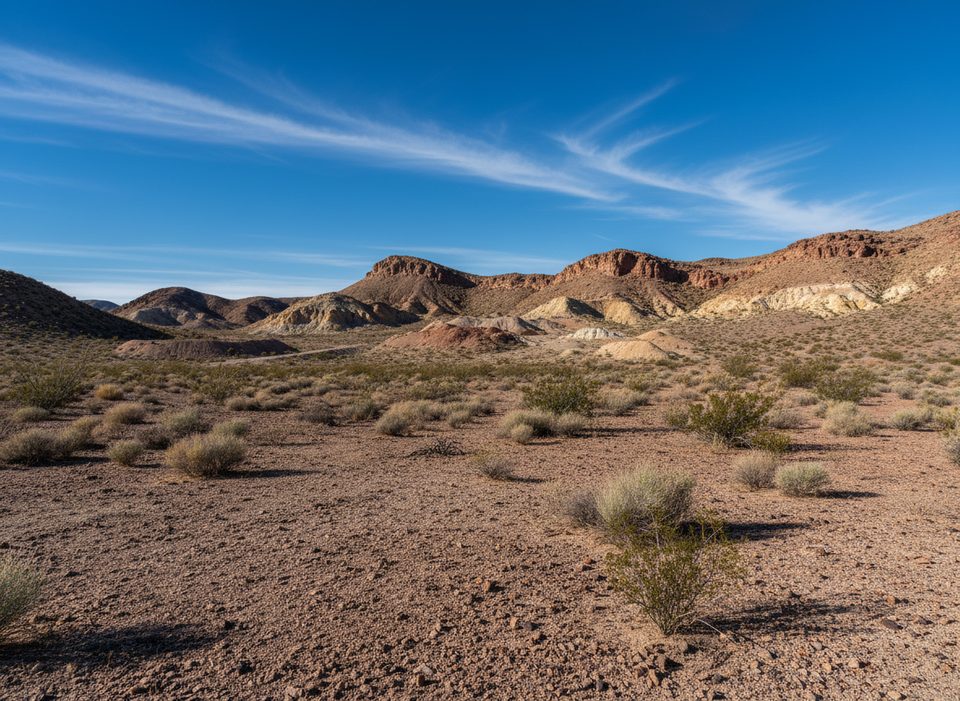
Place · 2.8 mi away
Place · 4.9 mi away
Easy · 24.1 mi away
Easy · 24.2 mi away
Easy · 26.2 mi away
Moderate · 29.3 mi away

Parkwolf Tour Guide
