
Place · 0 mi away
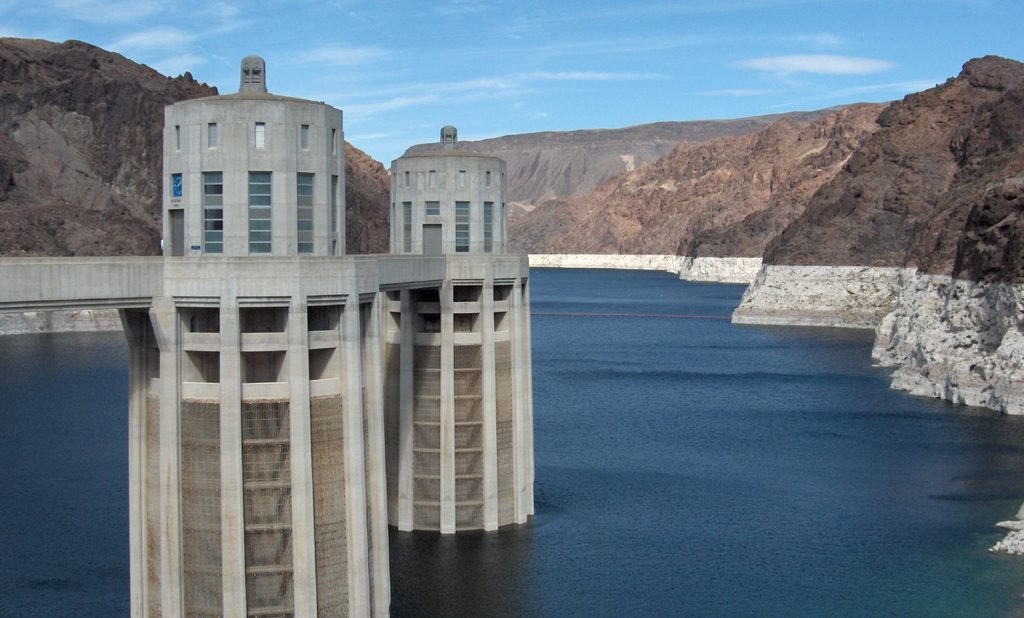
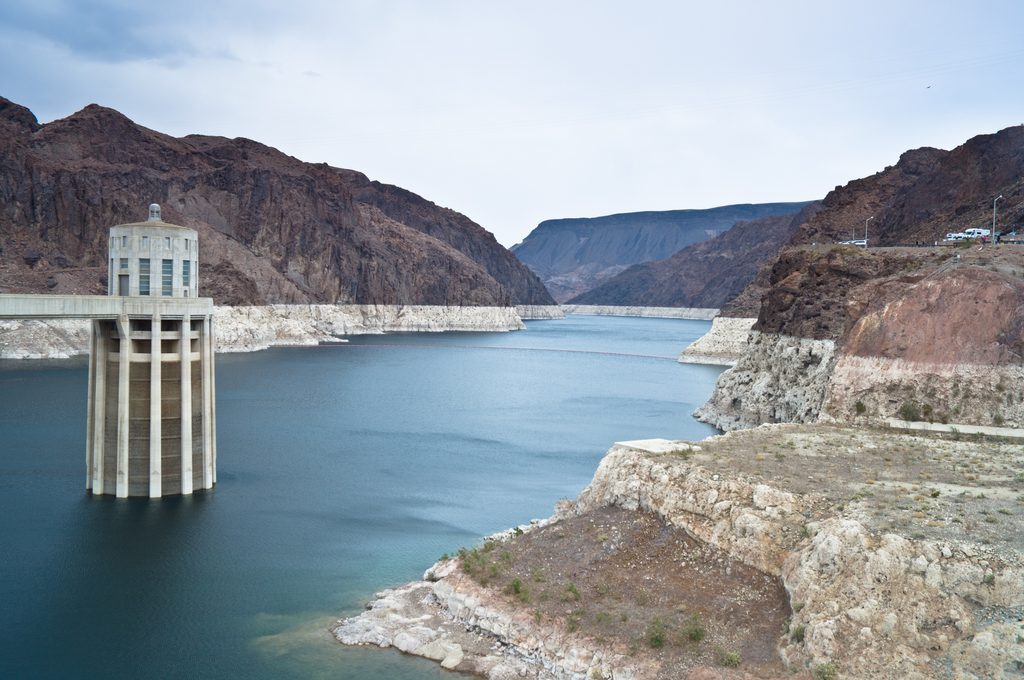
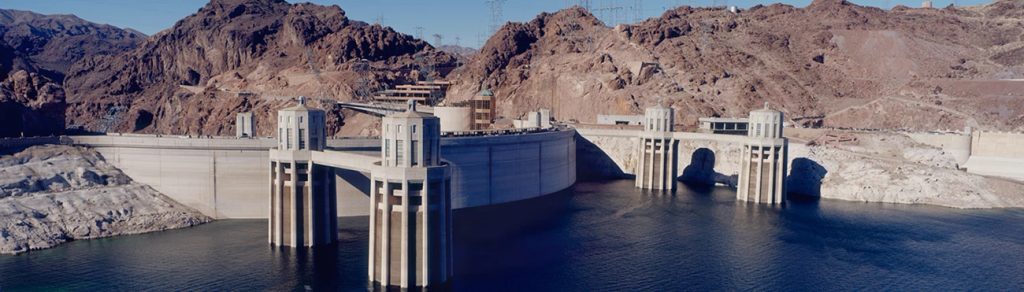
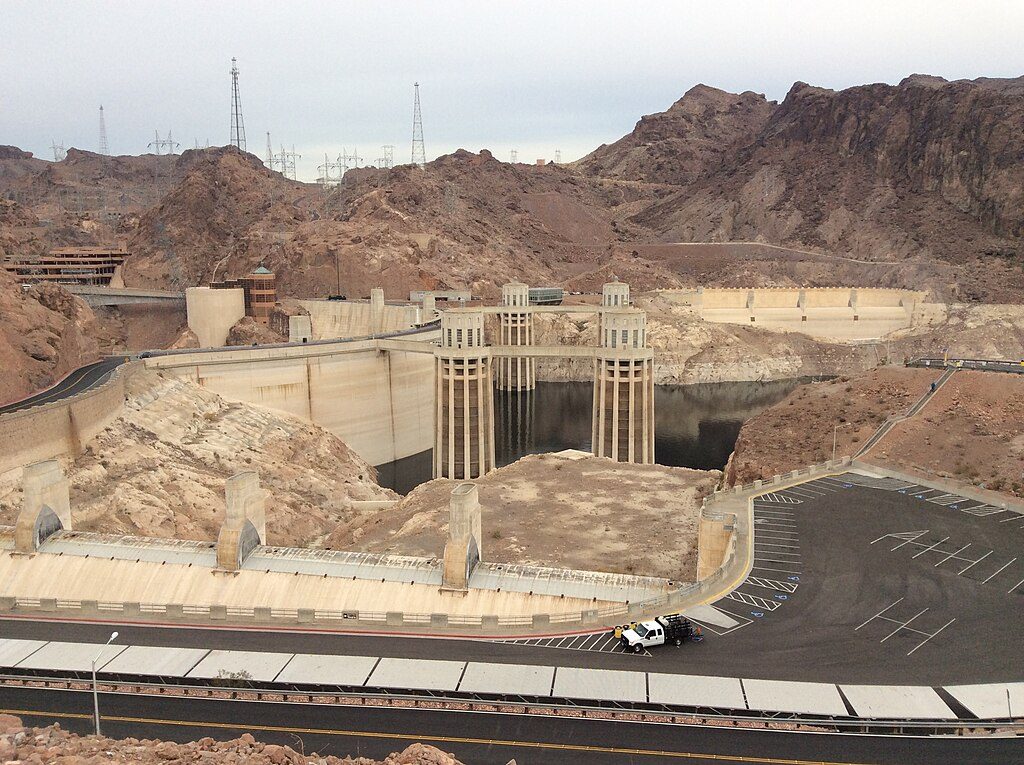
Four reinforced-concrete intake towers rise just upstream of Hoover Dam—two on each canyon wall—controlling the water that plunges through 30‑foot penstocks to the powerplant. They’re part of the original 1930s design, so think of them as the dam’s throttle rather than a standalone attraction.
Each tower is roughly 395 feet tall, housing gates and trashracks that meter Colorado River water into the turbines. Don’t confuse these with Southern Nevada Water Authority’s deep-water Intake No. 3 and its low lake level pumping station—those sit out of sight on the lake bottom and keep Las Vegas’ taps flowing at low reservoir levels.
The Historic Railroad Trail and nearby overlooks lie inside the Lake Mead NRA fee area—keep your pass/receipt in your vehicle. Parking for the trail is at the lot below the Lake Mead Visitor Center; bridge parking is at the memorial bridge plaza on the Nevada side. The intake‑tower viewpoints themselves have no drinking water or restrooms; use facilities at Hoover Dam or choose a picnic area along Lakeshore Road if you want bathrooms.
Fall through spring is most comfortable. In any season, start early: these routes are largely unshaded and surfaces can get brutally hot by late morning. For photography, aim for golden hour on the bridge or late afternoon along the Historic Railroad Trail when the canyon walls warm up.
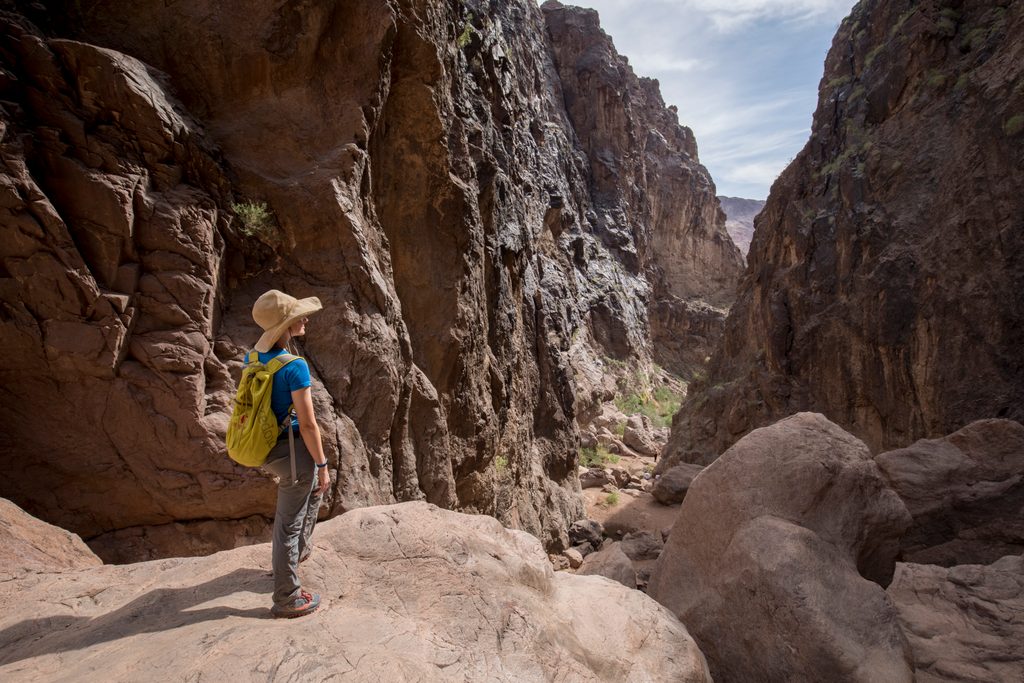
Scan the cliffs for desert bighorn sheep; you might also spot coyotes, jackrabbits, and common desert reptiles. You’re peering into Black Canyon—carved through Miocene volcanic rocks with older schist and gneiss nearby, and capped in places by dark basalt flows.
If you’ll be on the water elsewhere in the park, quagga mussels are pervasive—clean and dry gear. Heat is the bigger hazard on land here: carry more water than you think you need, and plan shade breaks.
Place · 0 mi away

Place · 0 mi away
Place · 0 mi away
Place · 0 mi away
Moderate · 1.2 mi away
Easy · 1.4 mi away
Challenging · 2.1 mi away
Easy · 2.9 mi away

Parkwolf Tour Guide
