Lower Twin Lake

Quiet backcountry lake for swims and mellow lakeside camps
Lower Twin Lake, Lassen Volcanic National Park
InsideLassen Volcanic National Park

Overview

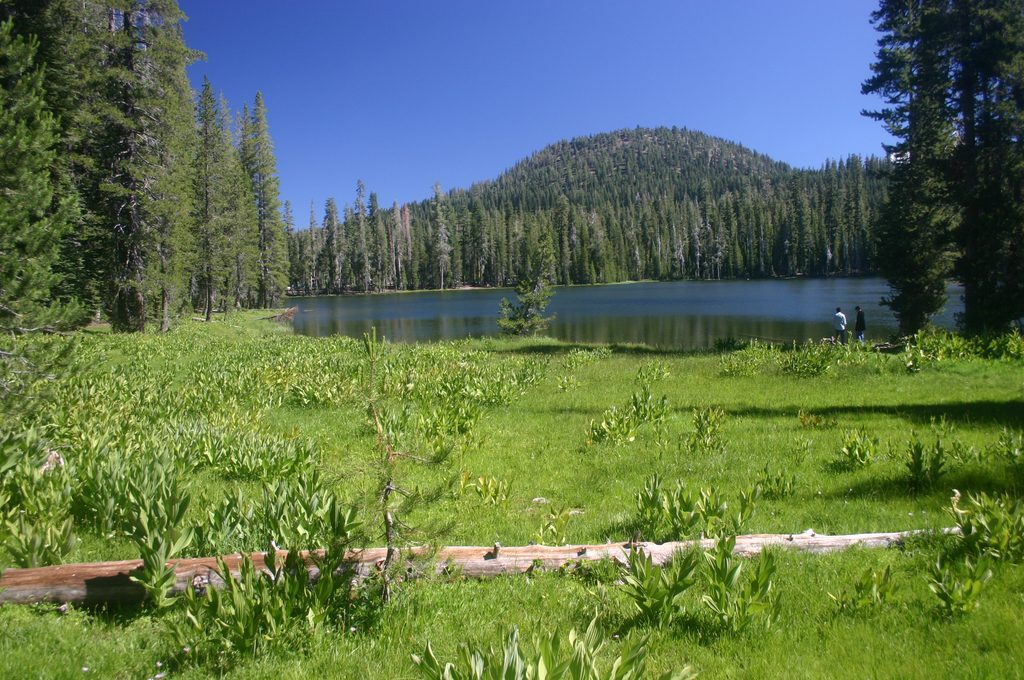
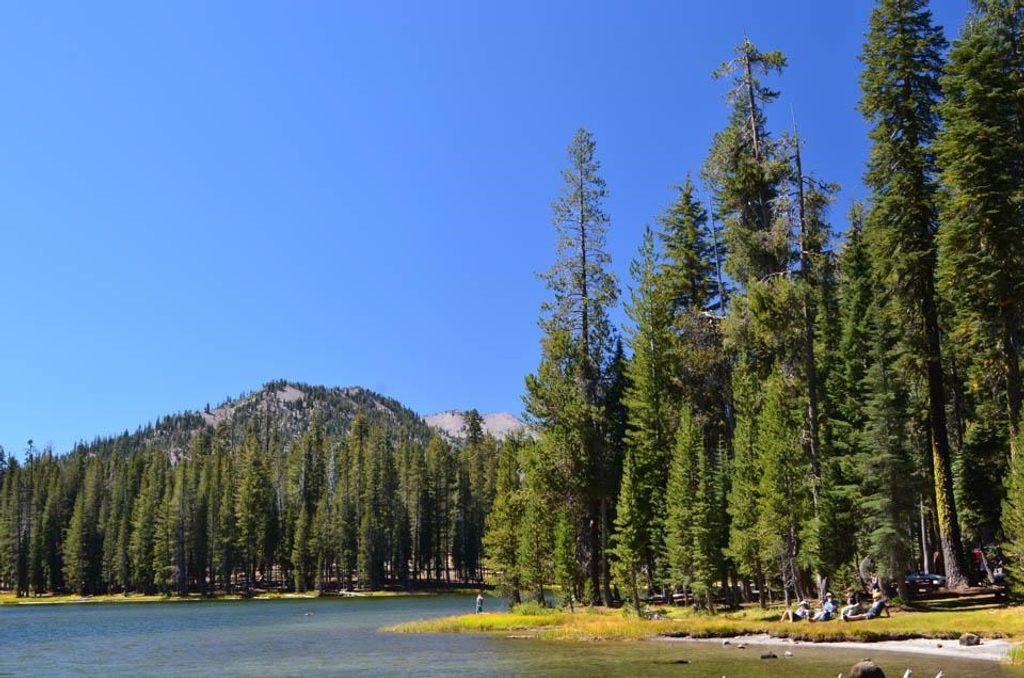
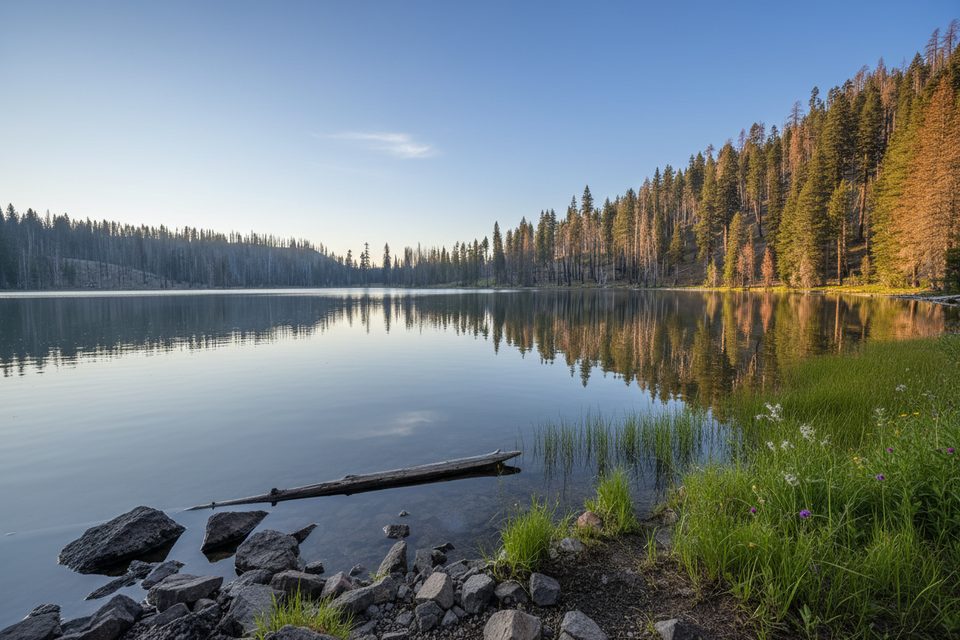
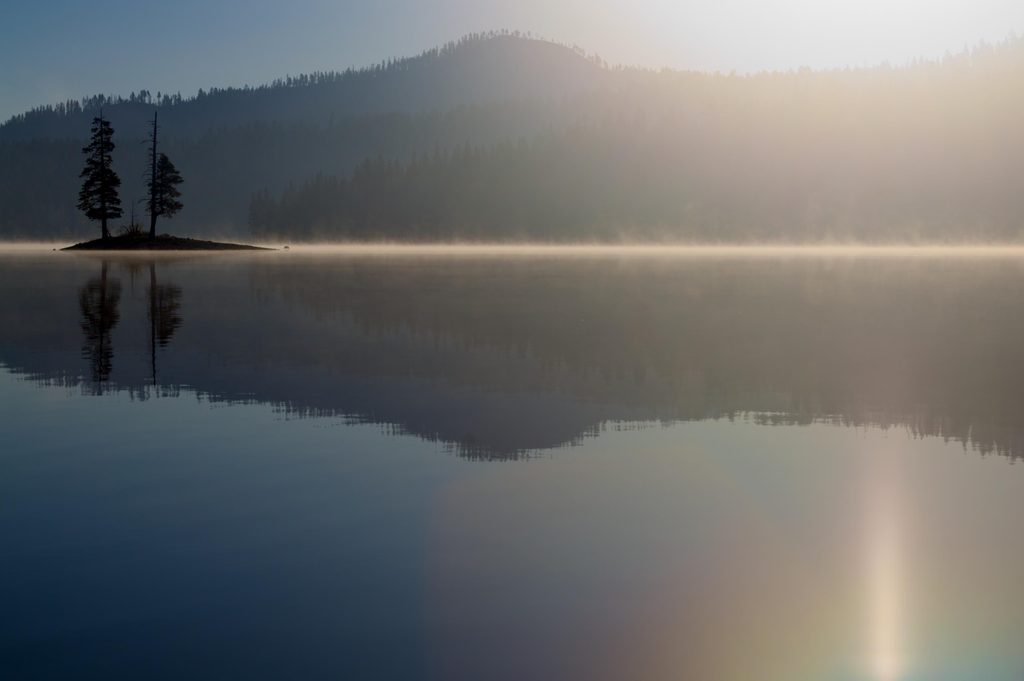
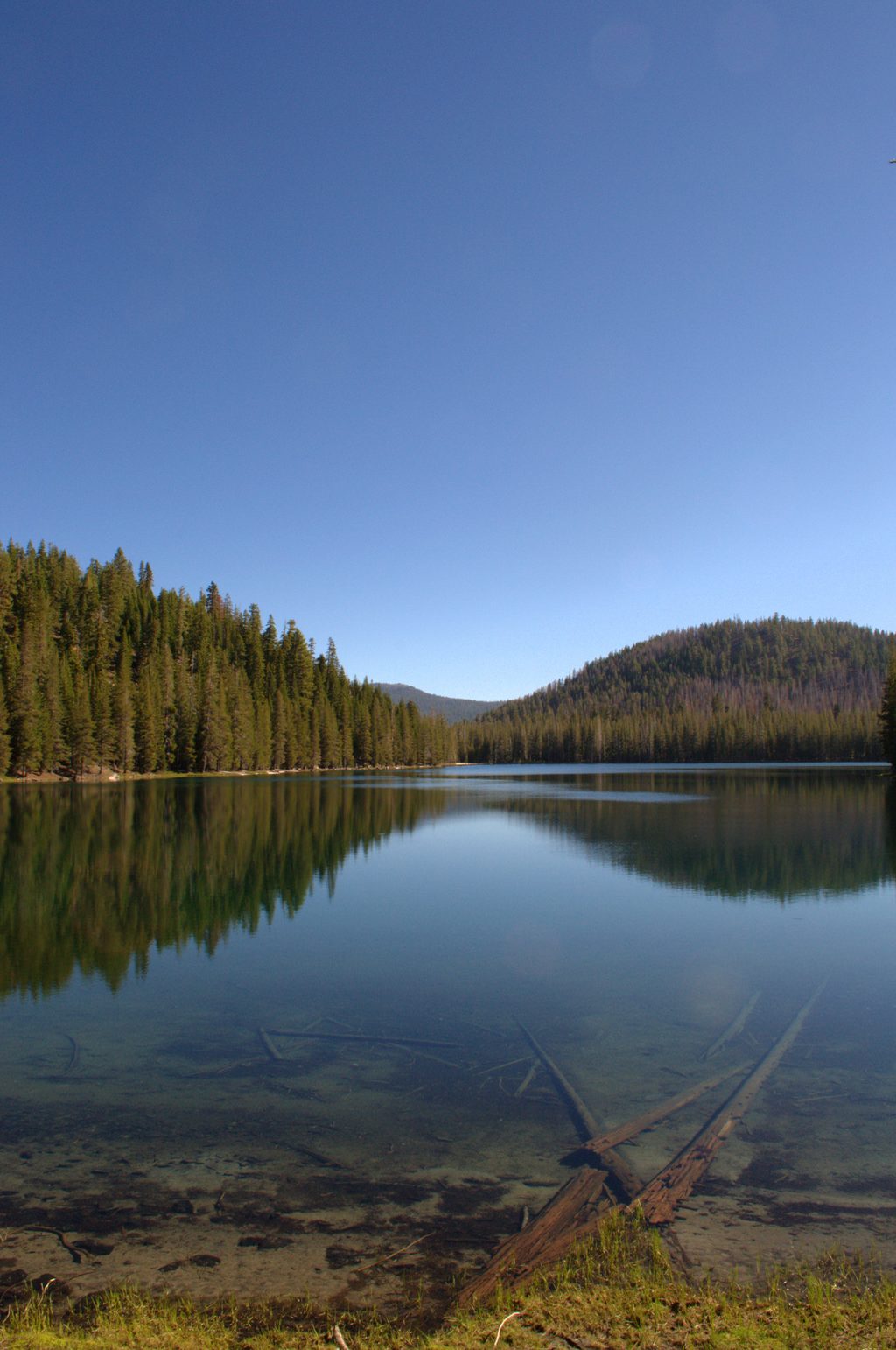
Lower Twin Lake is the kind of quiet, blue-green backcountry water that makes you linger. It pairs naturally with nearby Upper Twin, and the shoreline invites a lunch break, a refreshing dip, or a low-key overnight. Expect calm mornings, mirror-like reflections, and the occasional amphibian skittering in the shallows.

Getting There

You’ve got two classic approaches:

  • From the Summit Lake area: an about 8.6-mile loop that climbs early, then mellows near the lakes. It’s well signed and popular for overnights.
  • From Butte Lake: a longer loop (about 14.6 miles) that threads past volcanic features. Sections of loose cinders hike like deep sand, and parts of the route cross burn scar with limited shade. Clockwise is often preferred to keep the steeper climbing on firmer trail.

Some segments in the area briefly share the tread with the Pacific Crest Trail.

What to Expect on the Trail

  • Terrain ranges from forested singletrack to open, sun-exposed stretches in 2021 burn areas.
  • Cindery footing near the Butte Lake side can be slow; trekking poles help.
  • Mosquitoes are notorious around the Twins in early season—come prepared.
  • Cell coverage is very limited.

Camping and Permits

Lower Twin is a popular backpacking destination with dispersed sites (no designated pads). A wilderness permit is required for any overnight backcountry stay. Bear-resistant canisters are mandatory from roughly mid-April through late November, and hanging food isn’t allowed. Pack out all trash and keep camps on durable surfaces—some of the better nooks are along the north shore.

Wildlife

Look for amphibians along the margins, plus deer and a variety of birds moving through the forested pockets and snag zones. Give wildlife space and keep food secured.

Nearby Facilities

There are no built amenities at the lake—no restrooms, water, or trash cans. Use trailhead facilities such as those at Summit Lake or Butte Lake before you set out.

Best Time to Visit

  • For fewer bugs and easier lounging, late season tends to be kinder than early season.
  • If you’re hiking from Butte Lake, start early to beat heat on sun-exposed, cindery stretches.
  • Weekdays are quieter. For photos, go early or late for glassy reflections and soft light; midafternoon is best for a warm swim.

Pros

  • Peaceful backcountry lake with inviting swim spots
  • Good informal camping nooks along the north shore

Cons

  • No facilities at the lake
  • Mosquitoes can be fierce in season

Tips

  • Bring serious mosquito protection; a head net can save your trip.
  • Carry and use a bear canister; hanging food is not allowed.
  • Start early on the Butte Lake route—sun-exposed burn areas get hot.
  • Look for durable, existing camps on the north shore to minimize impact.
  • Trekking poles help on steep or loose cinder sections.
The Parkwolf tour guide sitting on a phone mounted in a car

Parkwolf Tour Guide

Like a tour guide in your car.

Save the places you found around Lassen Volcanic, then let Parkwolf guide the drive between them.Download Parkwolf on the App Store