Place · 2.1 mi away

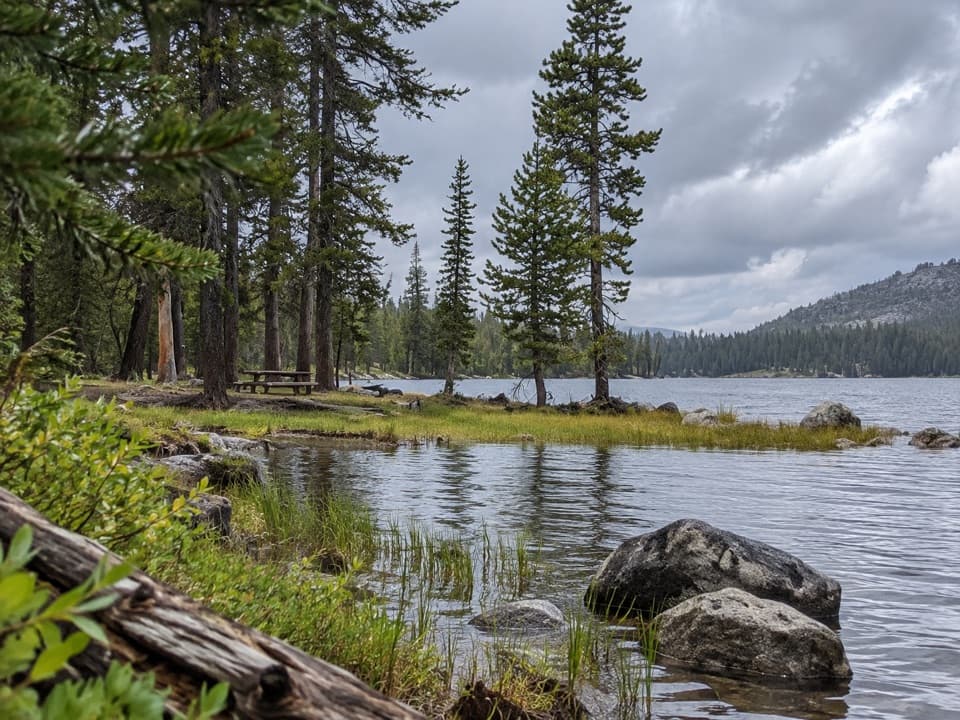
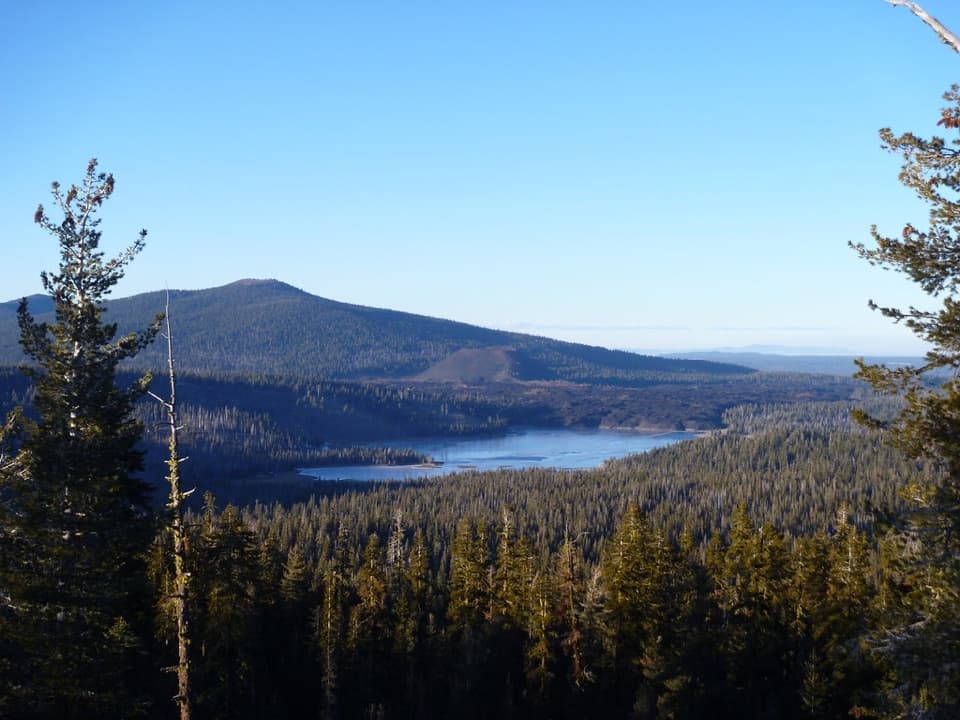
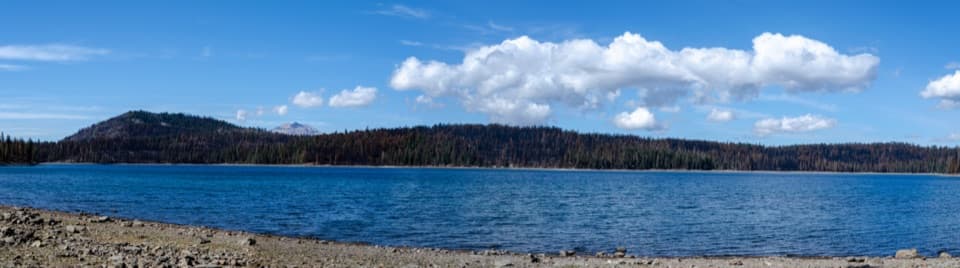
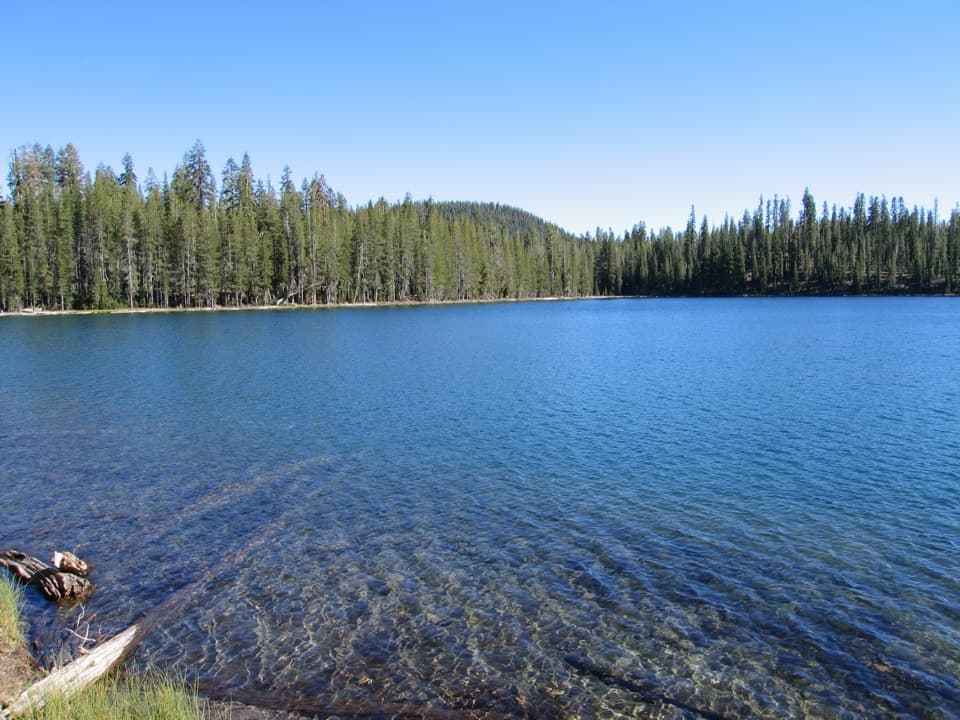
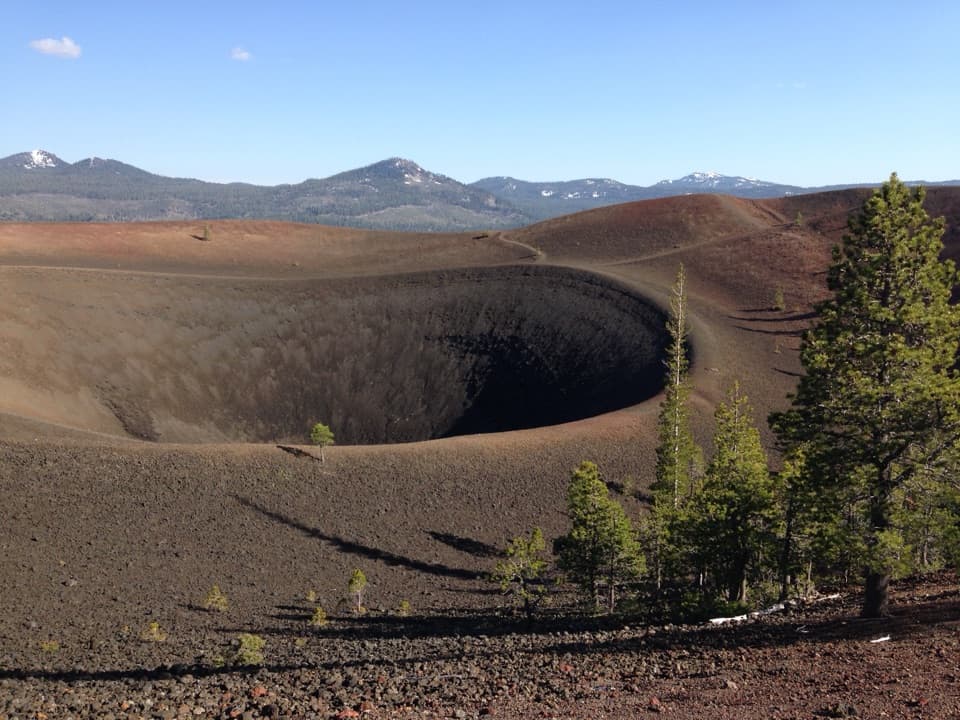
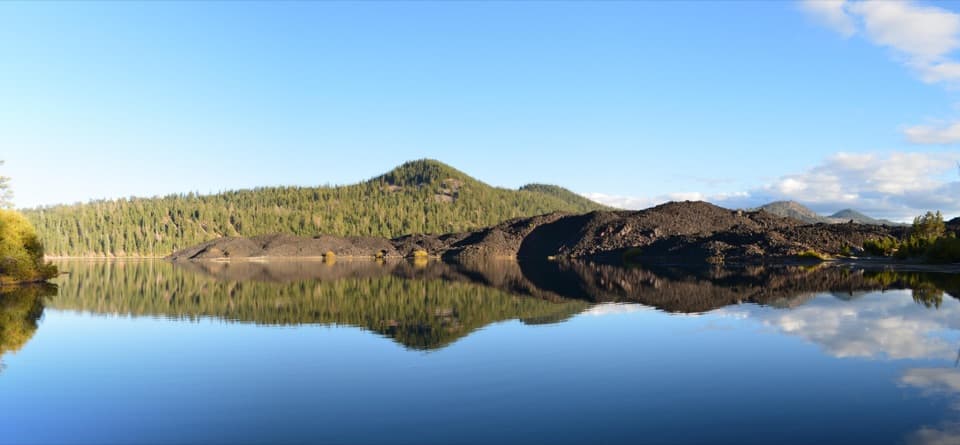
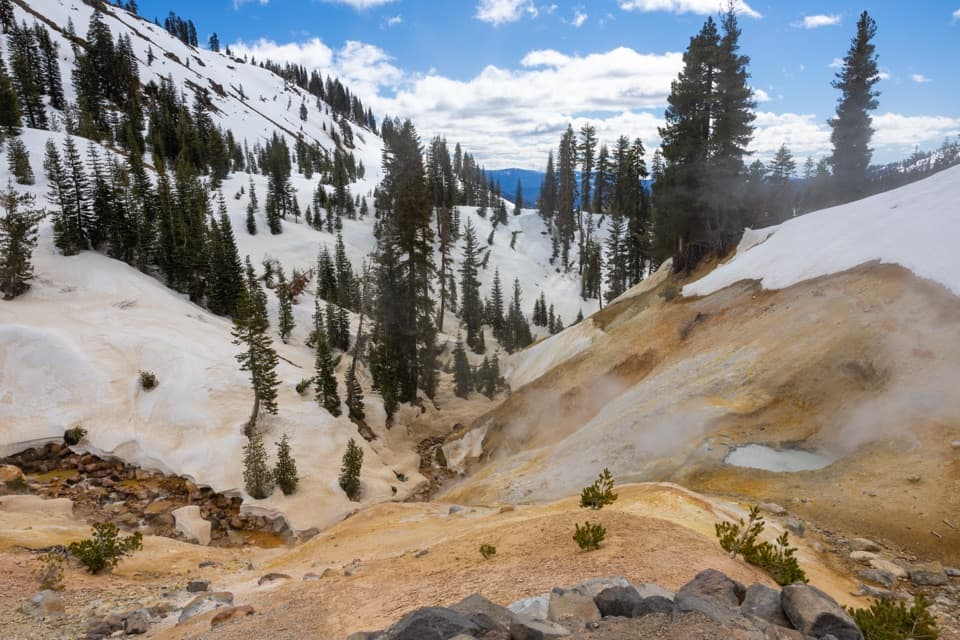
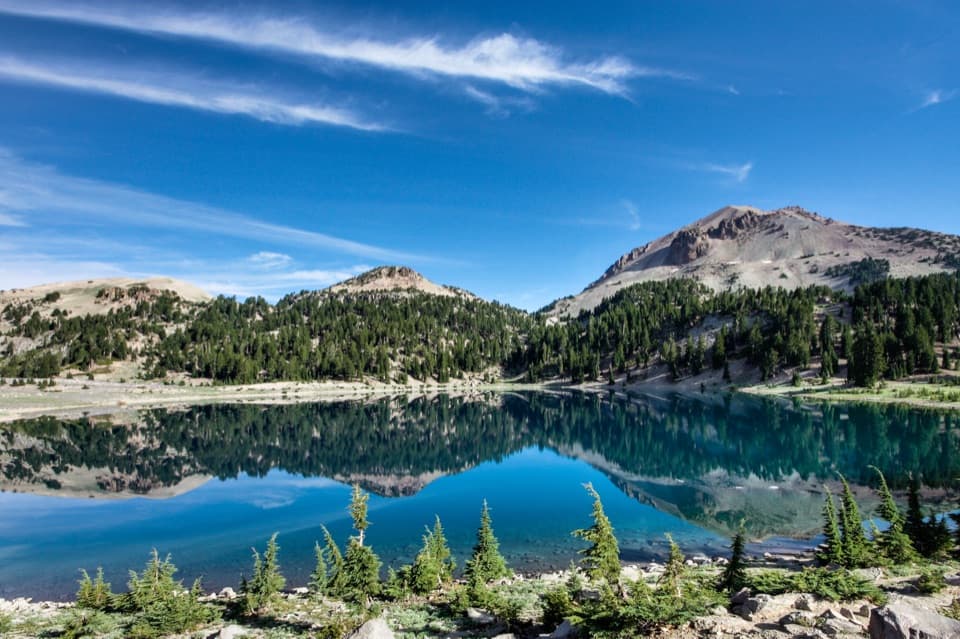
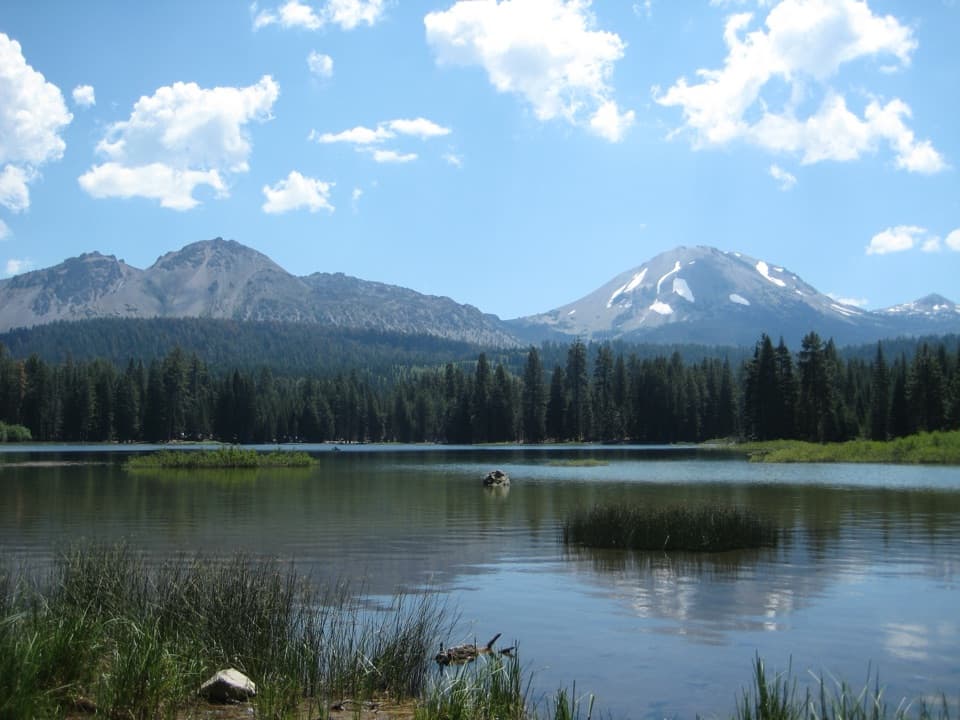
Snag Lake is the quiet, backcountry side of Lassen—broad blue water edged by the Fantastic Lava Beds and the ghostly tree stumps (“snags”) that inspired its name. Lava flows from nearby Cinder Cone dammed drainages here, creating both Butte Lake and Snag Lake. It’s scenic and serene, with plenty of room to spread out once you make the hike in.
Most people start at the Butte Lake trailhead. The simplest day trip to reach the shoreline is over 9 miles round trip. If you want a fuller tour, link it into the Cinder Cone/Butte–Snag Lake loop—about 12 to 12.5 miles with roughly 2,000 feet of gain—including a steep, sandy climb up Cinder Cone and a traverse along the lava beds. Another option is a roughly 13-mile round trip from the Summit Lake trailhead. Trails can be exposed through burn areas, and long stretches of cindery/sandy tread make progress slower than the mileage suggests.
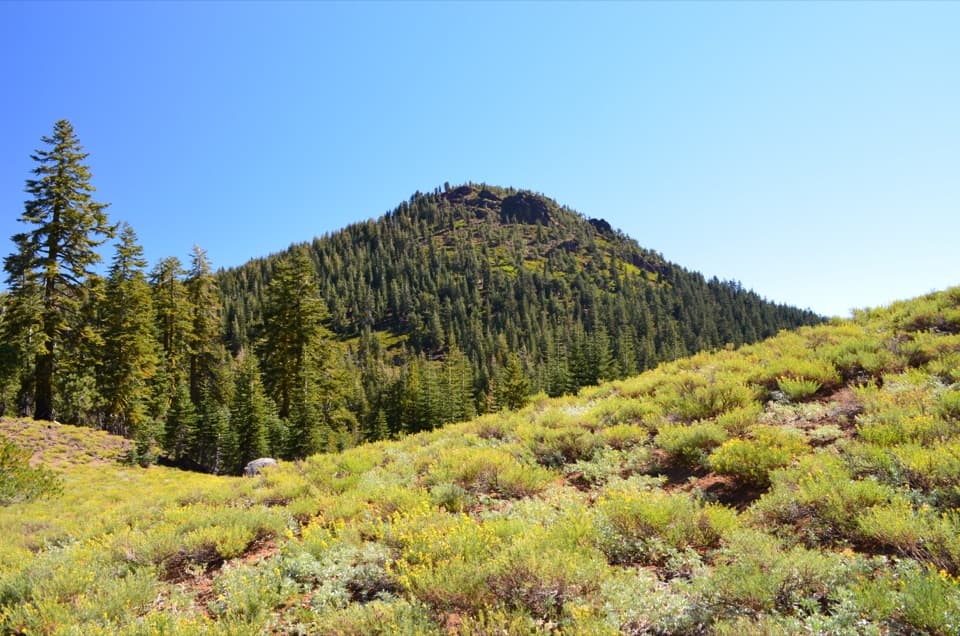
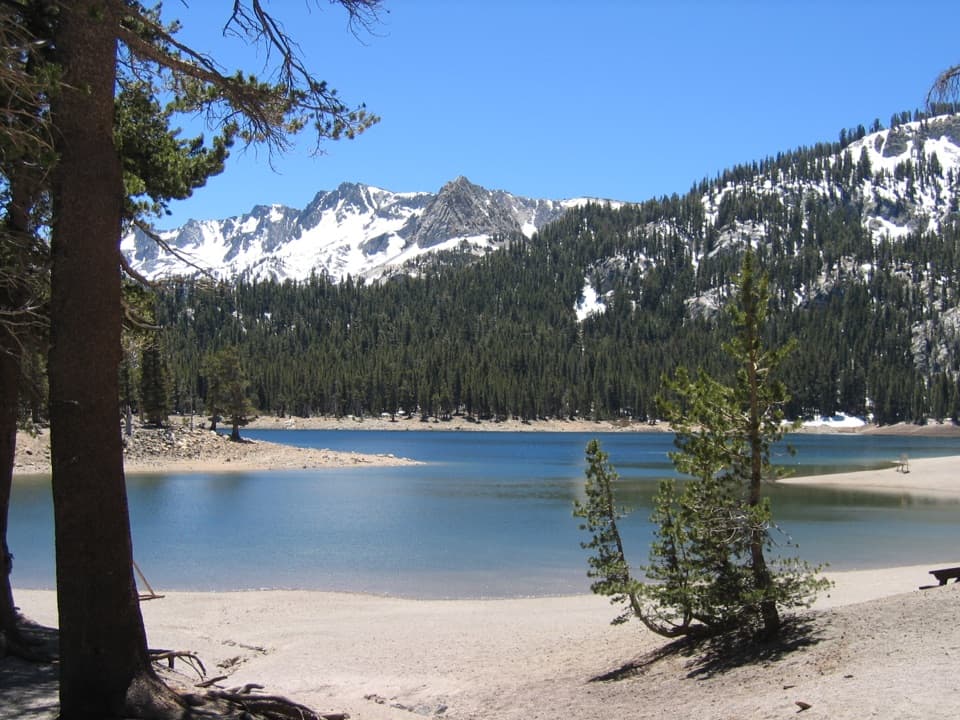
Expect open views of Cinder Cone and the Fantastic Lava Beds as you approach. The west side of the lake has easy access and some sandy shorelines that make for refreshing swims. The southwest corner can be shallow with a silty, ashy bottom. Sections around the lake—especially on the east side—can be overgrown or muddy at times, and you may encounter downed logs to climb over or detour around.
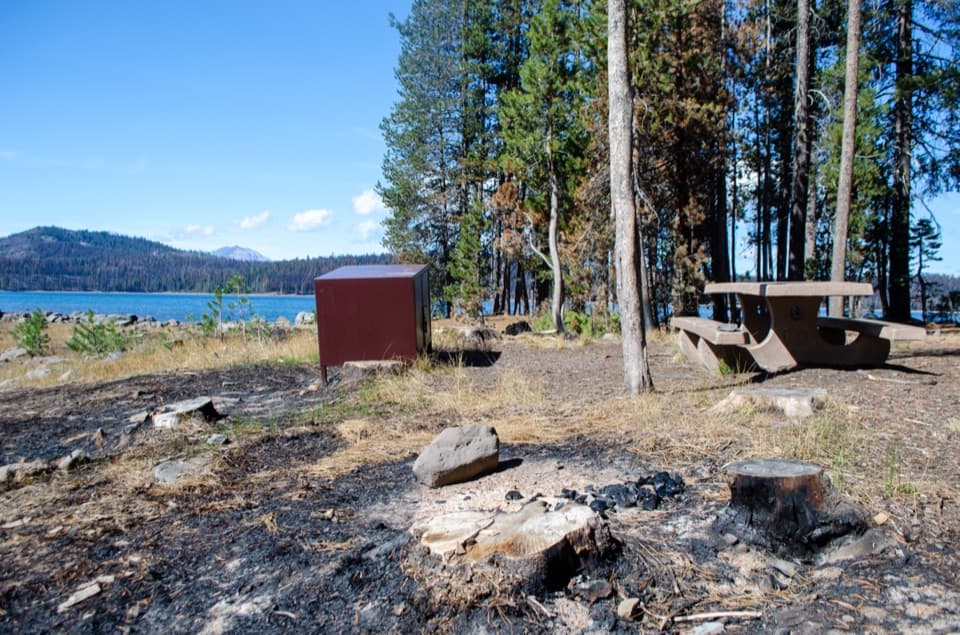
This is true backcountry: there are no services at the lake. Backpackers favor a few pleasant sites on the west-side peninsula. A wilderness permit is required for any overnight trip, and from April 16 to November 30, bear-resistant canisters are required for all backcountry campers. Store all food, trash, and scented items in your canister and keep it closed and locked, placed well away from your tent. Plan to pack out all waste.
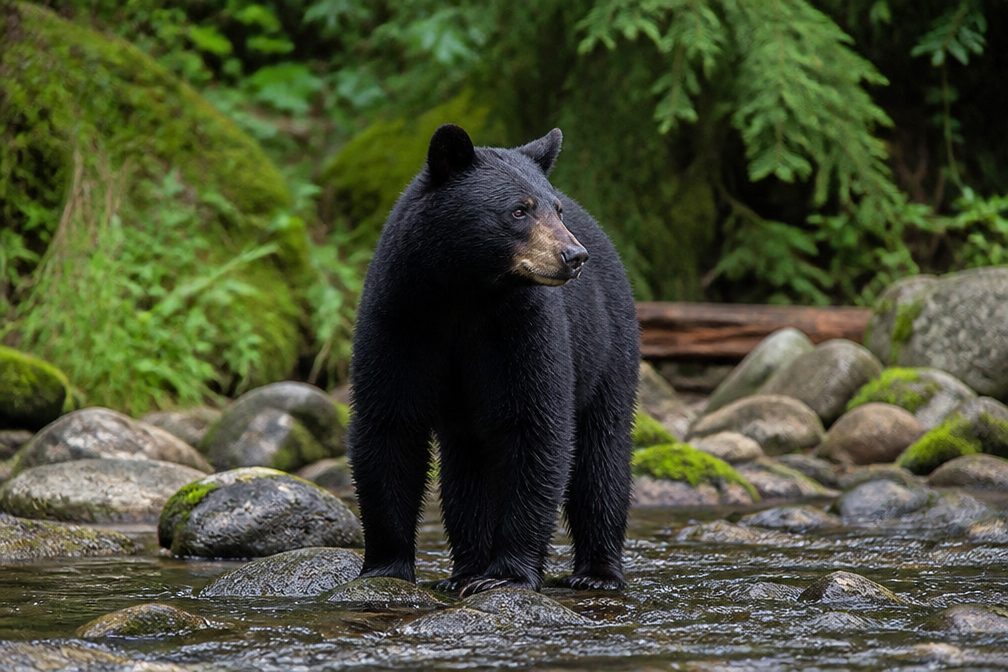
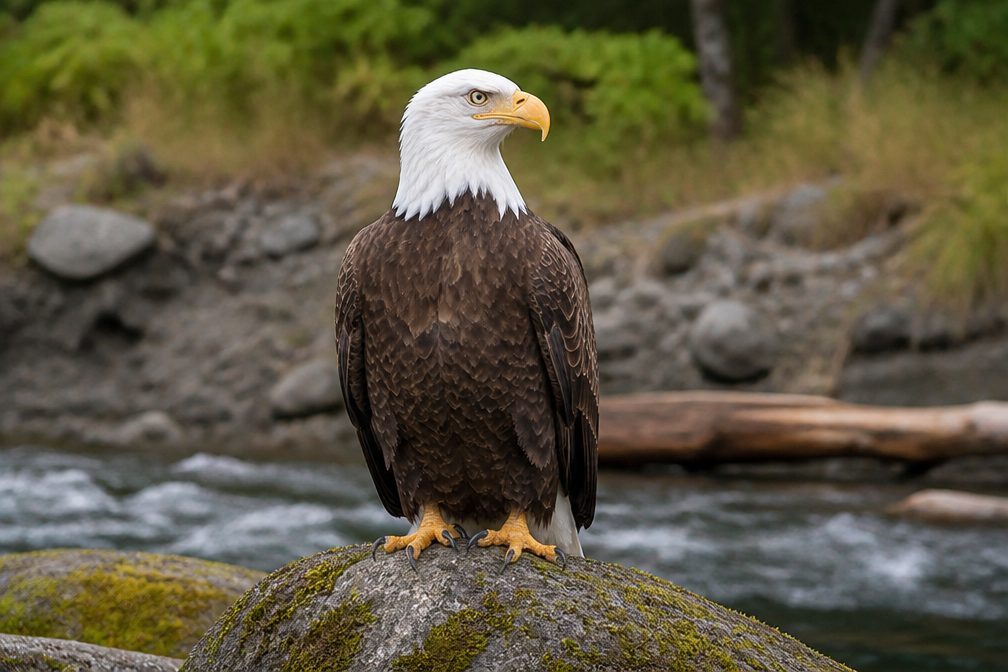
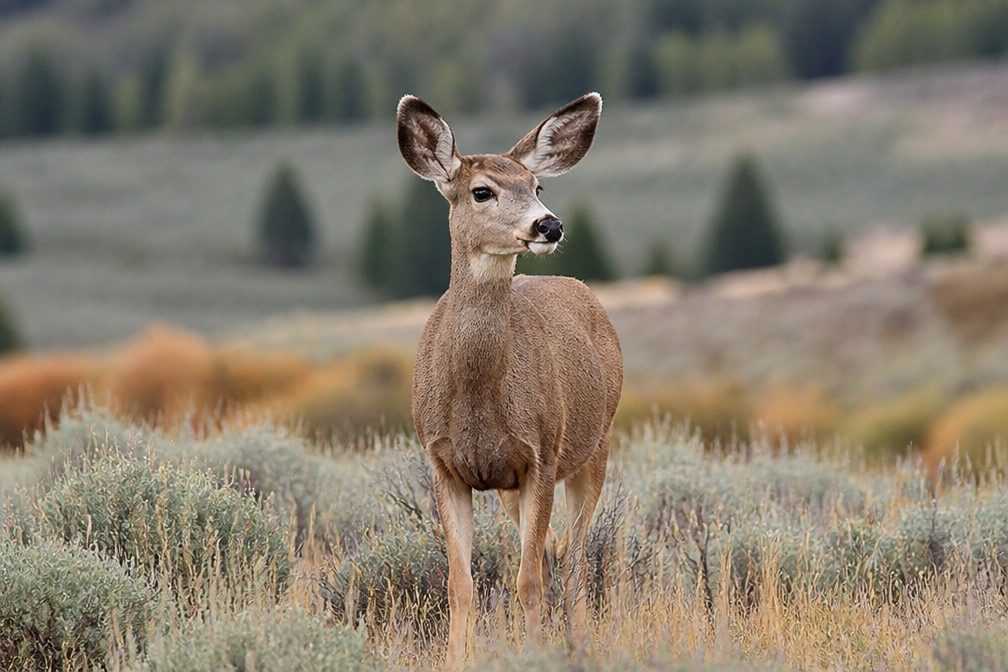
The quiet shoreline and meadows make for good wildlife watching. Expect waterfowl like geese and shorebirds (killdeer, sandpipers), plus deer in the evenings. Keep an eye out for mountain bluebirds near snags and open areas. Bears are present—use proper food storage and give wildlife plenty of space.
Sun exposure is real in burn scars and across cinder fields; carry ample water and sun protection. Early summer can bring mosquitoes around the lakes. Parts of the area were heavily impacted by the Dixie Fire, so expect reduced shade and occasionally brushy or downed-tree sections. Treat or filter any water you collect.
June through September is the most reliable season. Early in the year you may hit lingering snow patches; late summer can be hot and exposed on the cinders. Start early to beat heat and to enjoy calmer water and better wildlife activity. Crowds thin quickly after the first few miles near Cinder Cone, and weekdays are especially quiet. Photographers will like soft morning or late-day light across the lava beds and snags.