
Place · 0 mi away
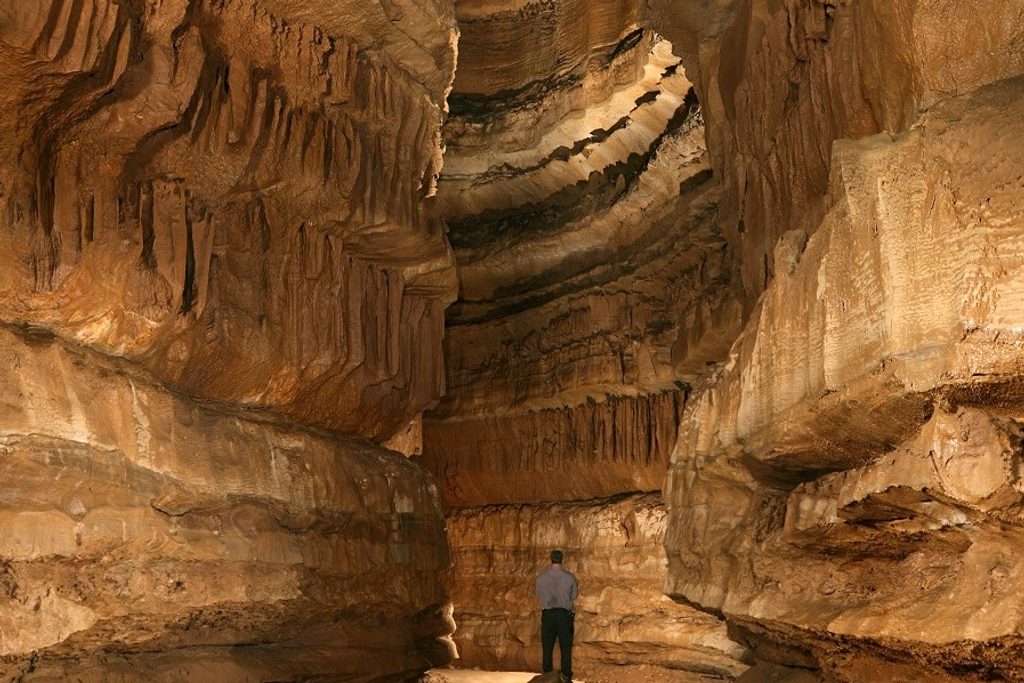
Cathedral Domes is a named underground chamber in the Frozen Niagara/New Entrance area—one of those head-tilting, echoing spaces that make you feel tiny in the best way. It’s only seen on ranger‑guided tours, so think of it as a highlight within a curated route rather than a standalone stop.
Expect a soaring vertical “dome” carved by water moving down through the limestone—round, tall, and dramatically lit on tours. People often call these spaces cathedral‑like for a reason: the scale and acoustics can be awe‑inducing.
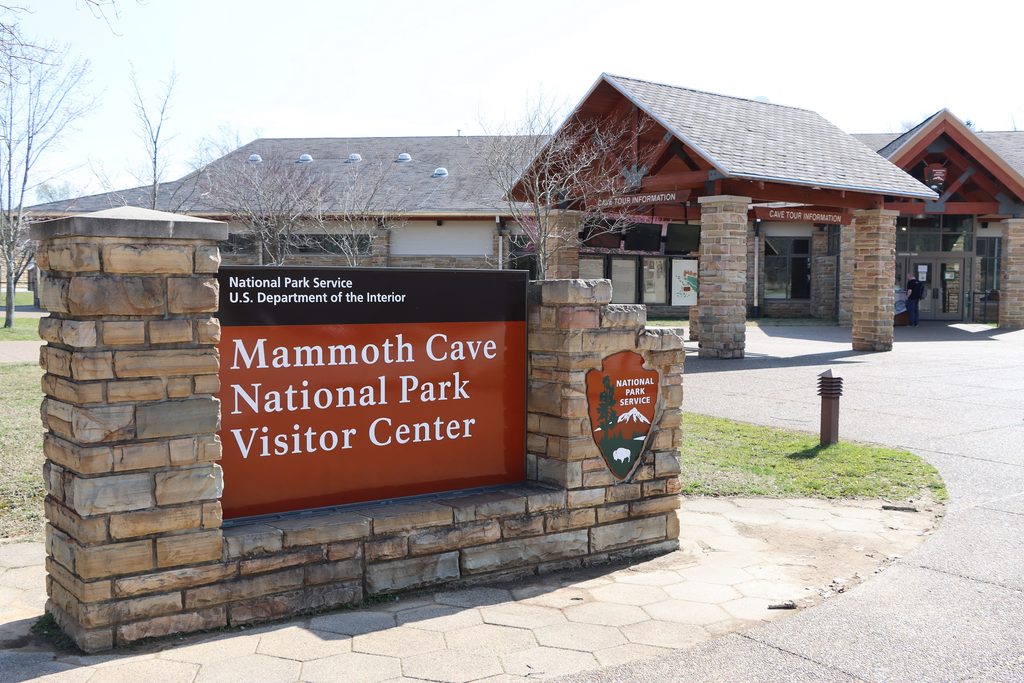
You must join a ticketed cave tour to see Cathedral Domes. Tour offerings rotate by season, so check current descriptions and pick one that lists the Frozen Niagara/New Entrance area or domes. Tickets commonly sell out on weekends, holidays, and in summer—reserve in advance and arrive 30–45 minutes early to park, check in at the Visitor Center, and get to your staging spot. Some tours have underground restrooms, others don’t; plan ahead.
Cave conditions hover around the mid‑50s °F year‑round—bring a light layer. Routes that feature domes can include tight passages, slick or uneven surfaces, and plenty of stairs. Closed‑toe shoes with good traction make a difference. Only water is allowed underground; no food. Photography without flash is generally fine, but tripods and monopods are not permitted. You’ll finish by walking across biosecurity mats to help protect bats.
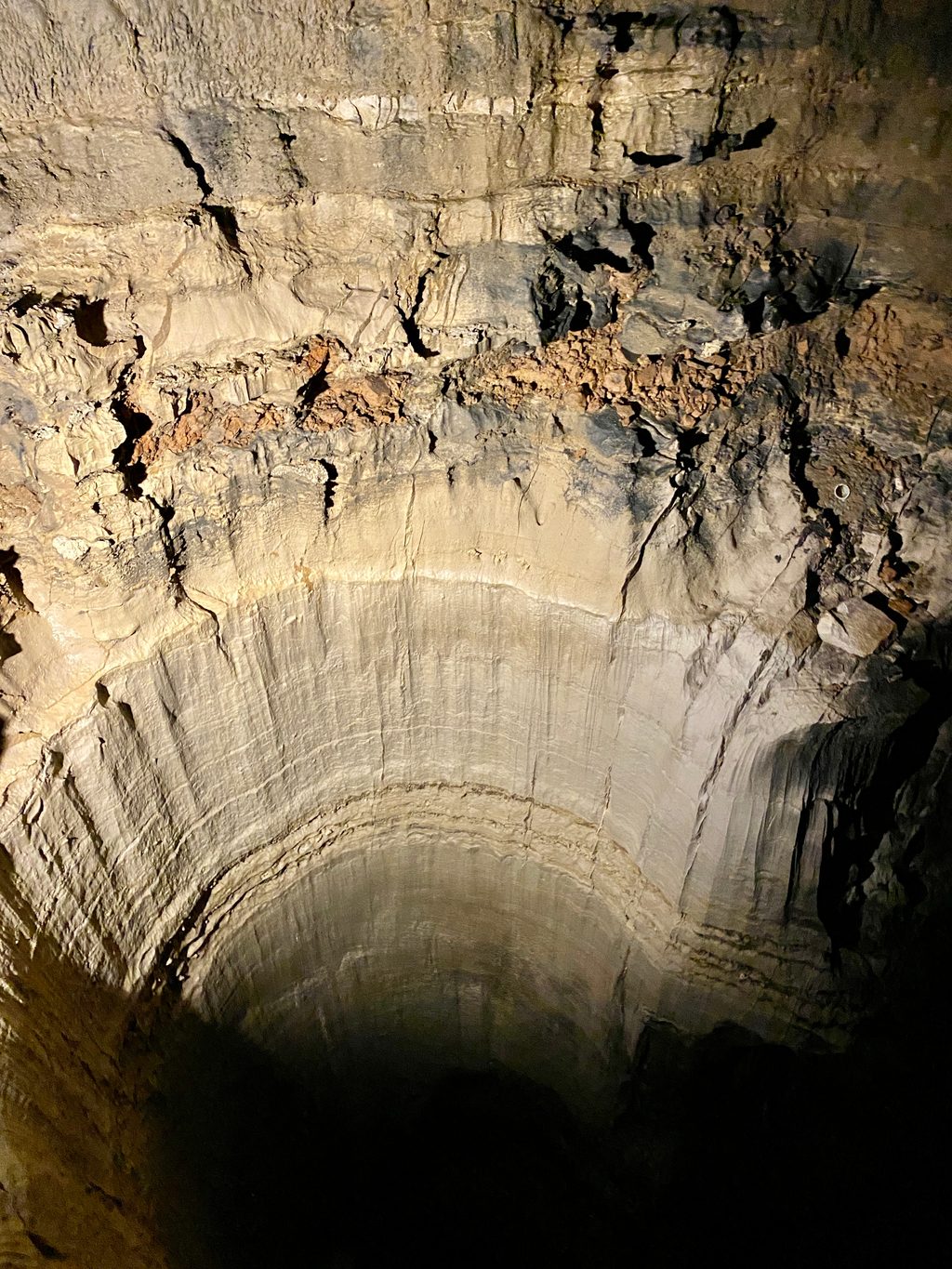
Mammoth Cave formed as mildly acidic rainwater dissolved thick limestone, creating a stacked maze of passages. Vertical shafts—domes like this one—are places where water dropped through weaknesses in the rock and enlarged them over time. Surface rivers, especially the Green River, lowered the drainage base level and allowed new lower cave levels to develop, leaving grand chambers like Cathedral Domes high and dry.
You’re unlikely to spot animals during a quick tour stop, but the system supports specialized cave life, including eyeless fish and crayfish that have adapted to total darkness. They rely on energy and water from the surface, reminding you how closely the cave and the forested world above are tied together.
For lighter crowds and easier logistics, aim for early morning or later afternoon tours on weekdays. Midday on Saturdays tends to be the busiest, with Sundays and holiday periods close behind. The park operates on Central Time, so set your clock accordingly.
Stick to the trail, use handrails, don’t touch formations or walls, and avoid shining your light in other visitors’ eyes. Follow ranger instructions—their pacing and narration add a lot to the experience.
Place · 0 mi away
Place · 0 mi away
Place · 0 mi away
Place · 0 mi away
Easy · 0.1 mi away
Easy · 0.1 mi away
Easy · 0.1 mi away
Challenging · 0.1 mi away

Parkwolf Tour Guide
