
Place · 0 mi away
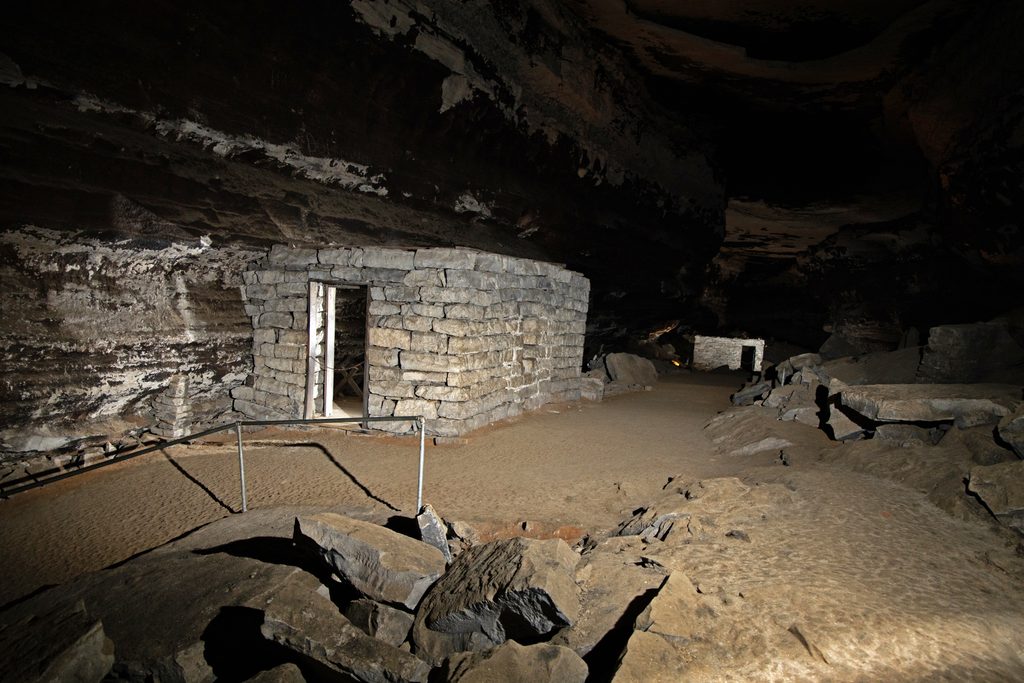
Deep in the Historic section of the cave, the Consumptive (TB) Patient Huts are two small limestone cabins—the stark remains of Dr. John Croghan’s 1842–43 experiment to treat tuberculosis with cave air. It’s an eerie, memorable stop that flips the usual cave-tour wonder into sobering history.
These ruins appear after landmarks like the Rotunda, The Church, Gothic Avenue, and Giant’s Coffin—then roughly 100 yards farther along.
Motivated by reports that cave air felt “pure” and by the cave’s steady climate, Croghan had enslaved laborers build two stone cabins and eight wooden huts for patients to live in underground. At least 10 patients are documented; some accounts put the total closer to 16–20 as people filtered in that winter. Conditions were grim: cold, damp air; no sunlight; and smoke from lamps and cooking fires. Contemporary observers described the patients as skeletal. Cave air didn’t cure TB—several died inside (at least five), others shortly after leaving, and Croghan himself died of tuberculosis in 1849. The wooden huts were dismantled later; the two stone cabins remain.
You’ll see the huts only on ranger‑led tours that traverse the Historic route. Tour offerings change with the season, so when you book (online or at the visitor center), ask which tours include the “TB/Consumptive Huts” stop. The huts sometimes mark the end of that route. There are no services at the stop—plan as if there’s nothing but rock and history.
Mammoth Cave dazzles with scale, but this corner grips you with human stories: hope, misunderstanding, and hard truth about 19th‑century medicine. Few places in the cave deliver such a gut‑level sense of the past.
Whenever Historic‑route tours are offered. Because access is tour‑dependent and seasonal, secure tickets early for your preferred day and time. Lighting for photos is whatever the tour provides; expect dim conditions and plan for quick, steady shots.
Place · 0 mi away
Place · 0 mi away
Place · 0 mi away
Place · 0 mi away
Easy · 0.1 mi away
Easy · 0.1 mi away
Easy · 0.1 mi away
Challenging · 0.1 mi away

Parkwolf Tour Guide
