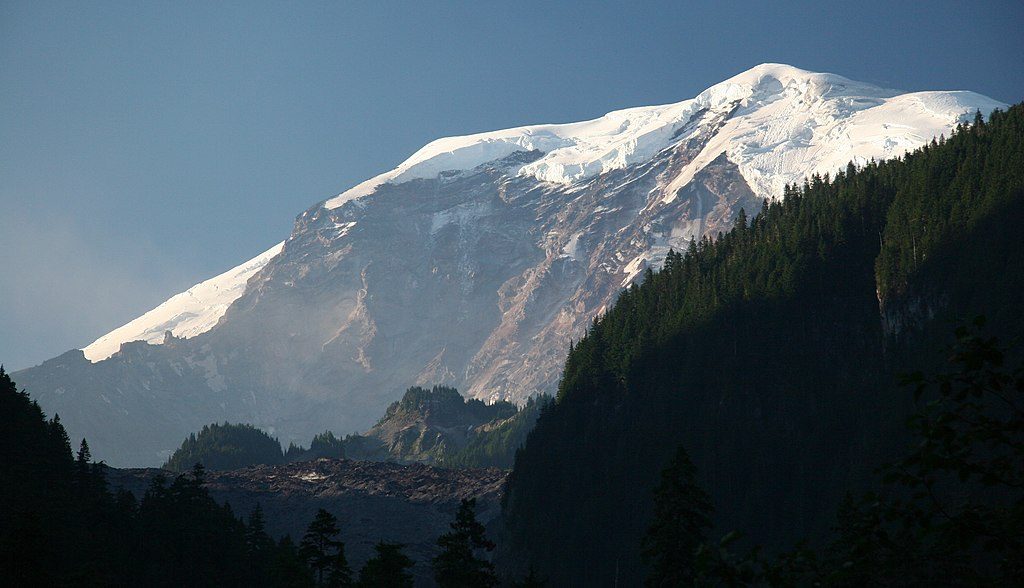
Carbon Glacier

A rare, up-close look at Rainier’s lowest-elevation glacier
Carbon Glacier, Mount Rainier National Park
InsideMount Rainier National Park

Overview

Carbon Glacier is the park’s wild, north-side ice giant—renowned for its unusually low-elevation terminus and sheer size. The approach follows the Carbon River through deep, mossy forest to the very snout of the glacier, where you can hear ice crack and see the debris-laden ice up close. It’s a full-value day in one of the park’s quieter corners.

Route & Difficulty

Plan on a big outing. From the Carbon River entrance, travel 5 miles along the former road to Ipsut Creek Campground, then continue on the Carbon Glacier Trail toward the glacier. The park lists the Carbon Glacier day hike at 17 miles round trip, roughly 1,900 feet of gain, and about 9 hours. Wilderness camps along this corridor include Ipsut Creek and Carbon River if you want to split the journey into an overnight.

What You’ll See

  • The Glacier: A slow, crevassed river of ice often mantled with rock, with dramatic views of the snout and surrounding headwalls.
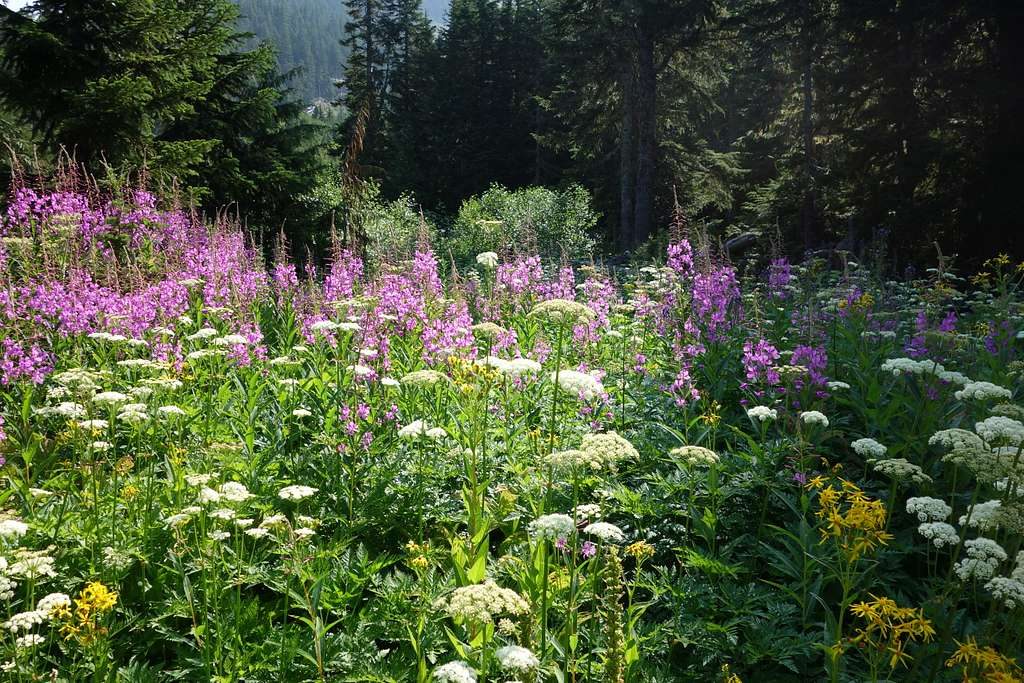
  • Carbon River Rainforest: Lush old-growth with dripping mosses, ferns, and a thundering, glacially fed river.
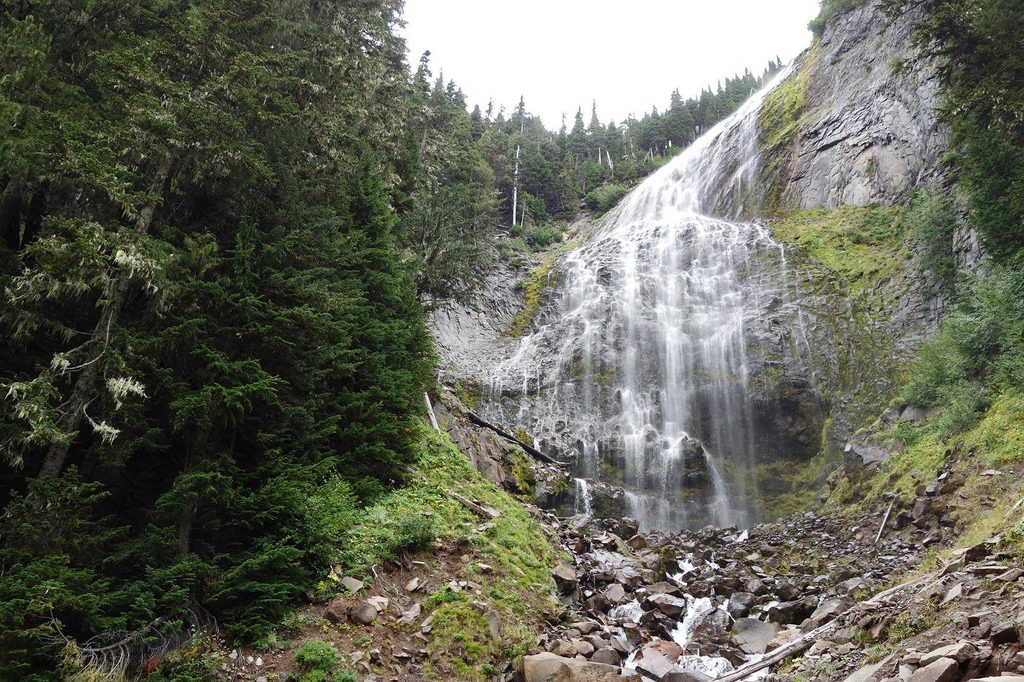
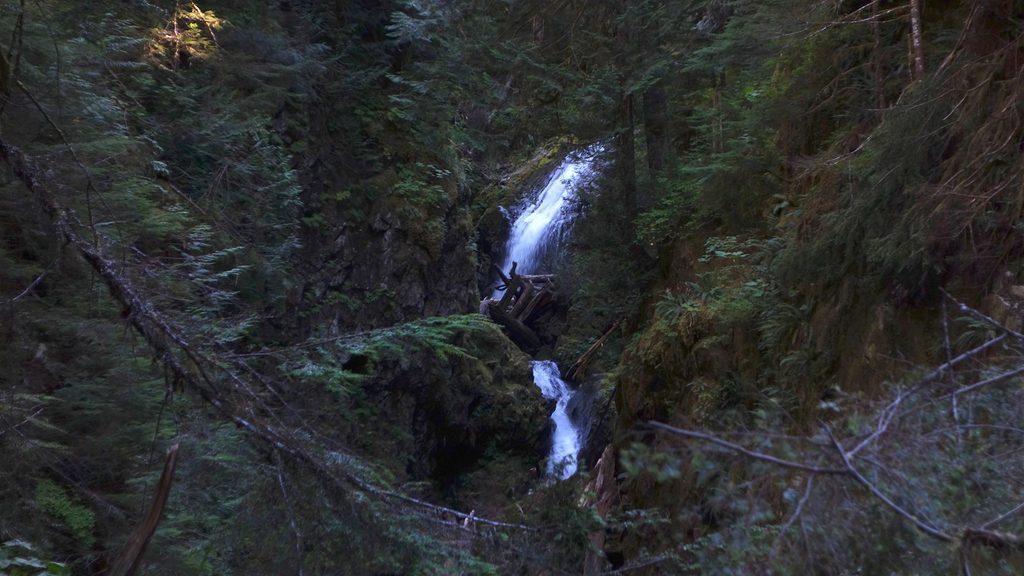
  • Waterfalls & Valley Drama: Expect roaring water, occasional washout scars, and classic northwest rainforest scenery.

Wildlife

This corridor supports forest regulars like squirrels, chipmunks, and black-tailed deer, plus songbirds and American dippers along the river. Larger mammals roam the broader area, but sightings near the busy valley bottom are hit-or-miss.

Tips & Logistics

  • Bike the approach: Bicycles are allowed on the Carbon River Road corridor; many riders pedal to Ipsut Creek, then switch to hiking.
  • Start early: Even with a bike assist, this is a long day—build in time for breaks and photos.
  • Expect wet and muddy: This valley sees frequent rain; waterproof footwear and layers pay off.
  • Bridges and washouts change: Seasonal footlogs and crossings can be hazardous after storms—check current conditions before you go.
  • No services beyond the entrance: Pack all food and water treatment; there’s no cell service deeper in the valley.

Best Time to Visit

The Carbon River side sits at low elevation and is used year-round when conditions allow. For the most comfortable travel and best glacier views, target late spring through early fall on clear-weather days. Weekdays are typically quieter; start at dawn to maximize daylight and enjoy calmer trail traffic.

Pros

  • Rare, close-up views of a massive glacier snout
  • You can bike the 5-mile road approach to save time

Cons

  • Very long day: about 17 miles round trip
  • No on-site amenities beyond the Carbon River entrance

Tips

  • Bring a bike to cover the first 5 miles to Ipsut Creek quickly.
  • Plan for a 9-hour day and carry a headlamp even in summer.
  • Check park conditions before leaving; bridges and crossings can change.
  • Pack rain gear and waterproof footwear—the Carbon River valley stays wet.
  • Overnighters should secure permits for Ipsut Creek or Carbon River camps.
The Parkwolf tour guide sitting on a phone mounted in a car

Parkwolf Tour Guide

Like a tour guide in your car.

Save the places you found around Mount Rainier, then let Parkwolf guide the drive between them.Download Parkwolf on the App Store