
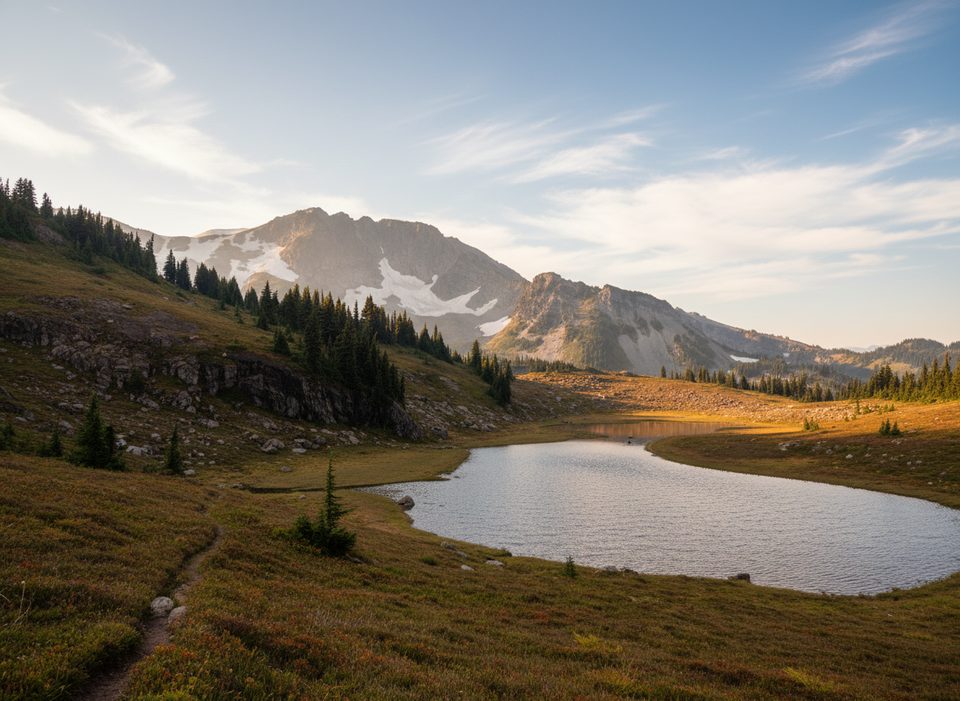
Place · 0.8 mi away
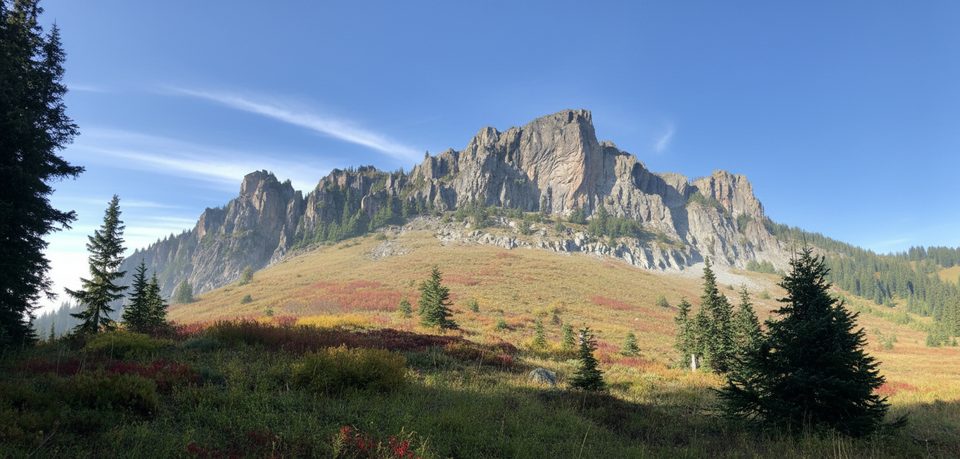
If you’re craving true Rainier solitude, Yellowstone Cliffs delivers. Tucked on the park’s north side near Windy Gap and Tyee Peak, this high, remote valley trades postcard views of the volcano for a big-mountain backdrop of rugged peaks, open meadows, and a cliffy skyline. It’s a haul to get here, which is exactly why it stays quiet.
Expect broad alpine meadows that glow green in summer and turn berry-red as the season shifts, with dramatic cliff bands towering above. The vistas lean more North Cascades than classic-Rainier, and that’s the charm—wide, wild horizons instead of crowds. Side trips from nearby Windy Gap reveal a natural arch and viewpoints toward Lakes James and Ethel. Approaches often pass creeks and the occasional waterfall, adding some sparkle to the miles.
There’s no drive-up access; you earn this one on foot via established backcountry routes like the Northern Loop. Plan on a double-digit-mile approach and meaningful elevation gain. Some itineraries include a Carbon River crossing and long, switchbacked climbs/descents, with a few rougher stretches where footing keeps you honest. This is best for fit hikers who like their rewards hard-won.
Yellowstone Cliffs Camp sits right beneath the namesake cliffs. It’s a designated backcountry site requiring a permit, and it has a bear pole—handy for both food storage and snagging some of the camp’s best views while you cook. No services beyond the basics; treat nearby natural water sources.
You’re in classic subalpine habitat—keep an eye (and ear) out for marmots in nearby high meadows. Birders will want to scan the cliff faces and thermals; bald eagles have been spotted cruising the area.
Mid-July through September usually offers snow-free travel, flower-filled meadows, and long daylight. Go midweek for maximum solitude. For photography, aim for golden hours—morning light washes the meadows; late-day light rakes the cliffs. Shoulder seasons can be beautiful but bring fast-changing weather and colder nights.
If you’re after big scenery without big crowds—and don’t mind earning it—yes. Yellowstone Cliffs feels wilder than much of the park. If your ideal day is a quick roadside vista, skip it; if you like remote, rewarding terrain with room to breathe, put it high on the list.
Place · 0.8 mi away
Place · 1.4 mi away
Place · 3.1 mi away
Place · 3.1 mi away
Moderate · 3.1 mi away
Easy · 4.2 mi away
Moderate · 4.6 mi away
Easy · 5 mi away

Parkwolf Tour Guide
