
Place · 0.8 mi away
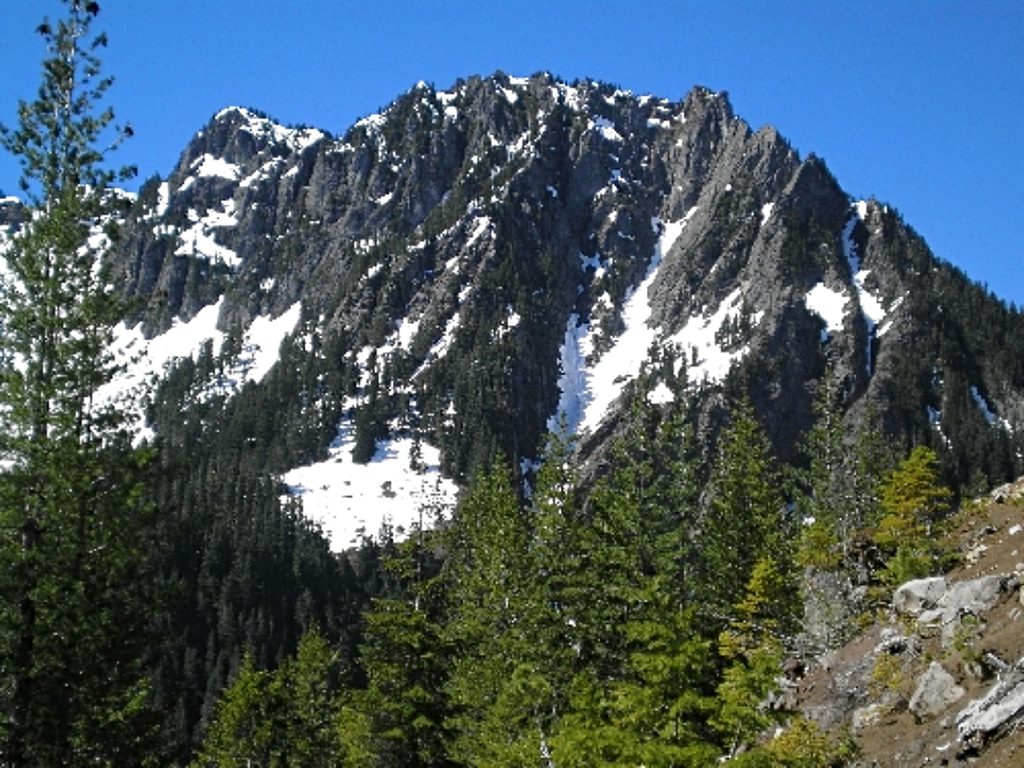
Eagle Peak anchors the western end of the Tatoosh Range and delivers a classic, hard‑earned panorama of Mount Rainier. The standard outing is the Eagle Peak Trail to Eagle Peak Saddle: roughly 7.2 miles round trip with over 2,800 feet of gain. It’s a quieter alternative to the park’s marquee zones, but the climb starts right away and barely lets up.
From a signed junction near a historic bridge by Longmire, the trail wastes no time—switchbacks lead uphill for about 3.6 miles to the saddle. Expect a steady grade with only brief breathers. Most hikers stop at the saddle; reaching the true summit involves exposed, technical scrambling that’s only appropriate for experienced climbers with the right skills.
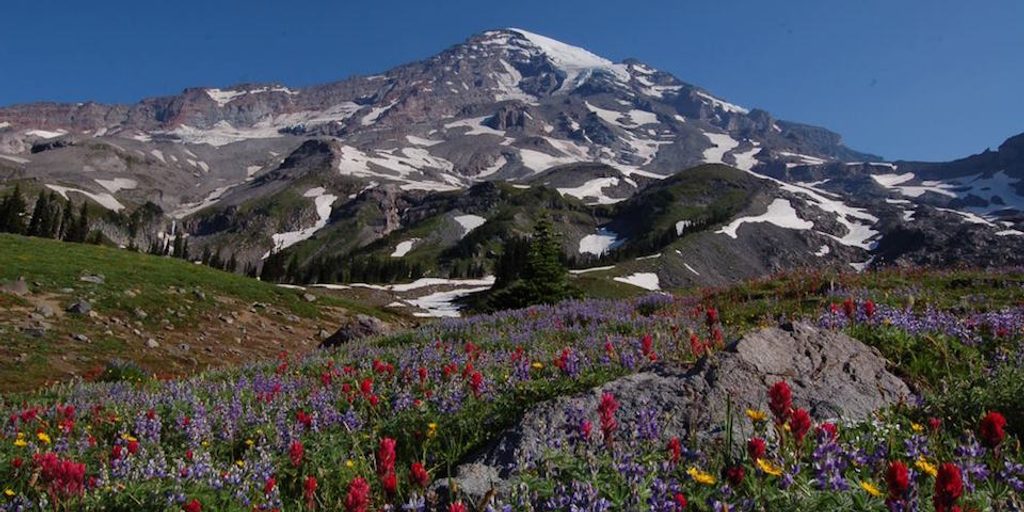
The lower trail moves through towering, undisturbed forest—NPS describes it as virgin old-growth—before breaking into subalpine terrain near the saddle. On clear days, you’ll get head‑on views of Rainier and the Nisqually Valley, with distant looks at other Cascade volcanoes on the horizon.
Eagle Peak was traditionally known as Simlayshe, a Native American word for “eagle.” Near the start of the hike you’ll cross or pass a notable suspension bridge, rebuilt in the early 1950s—an attractive piece of the park’s architectural past.
Best window is July through September for snow‑free travel and peak wildflower displays in late July to early August. In winter and spring, snow and avalanches are a serious concern; specialized gear, skills, and conservative judgment are essential if you venture here in snow conditions. In midsummer, expect mosquitoes—repellent helps.
While specific species aren’t highlighted in official materials for this trail, the old‑growth and subalpine habitats support a variety of birds and small mammals you’re likely to hear or glimpse along the way.
Dogs are not allowed on this trail. Camping and fires are not permitted along the route or at the saddle. There are no services on the trail, so bring sufficient water and food; treat any natural water before drinking.
Place · 0.8 mi away
Place · 1 mi away
Place · 1 mi away
Place · 1.1 mi away
Moderate · 0.9 mi away
Challenging · 1.6 mi away
Challenging · 1.6 mi away
Challenging · 1.6 mi away

Parkwolf Tour Guide
