Parking
Longmire is the clockwise mile-zero access. Follow the signed Wonderland Trail from the Longmire road-access area; choosing another trailhead changes the route mileage and itinerary.

#1 of 99 trails in Mount Rainier
Mount Rainier National Park, WA
A strenuous 93-mile circuit around Mount Rainier.
Overview
Map & elevation
Plan your hike

The highest, rockiest slopes around here are a summer buffet for grizzly bears.
Mount Rainier Tour Guide
Parkwolf is a GPS audio tour guide for Mount Rainier National Park. As you drive, it chimes in with what’s ahead: hidden gems, upcoming stops, history, geology, and wildlife, right through your car’s speakers.
See the Mount Rainier audio tourRecorded for this trailhead
Longmire: A Museum, Mineral Springs and a Meal“You're nearing Longmire, the historic village that became park headquarters in eighteen ninety-nine.”
Plays as you drive up to this trailhead in the Parkwolf Mount Rainier Tour Guide.
More stories near here in the app
“Fantastic app with many points of information… It’s great to just turn on while you’re driving and it gives you an audio tour of the national Park. We love it!!!!”


Trail guide
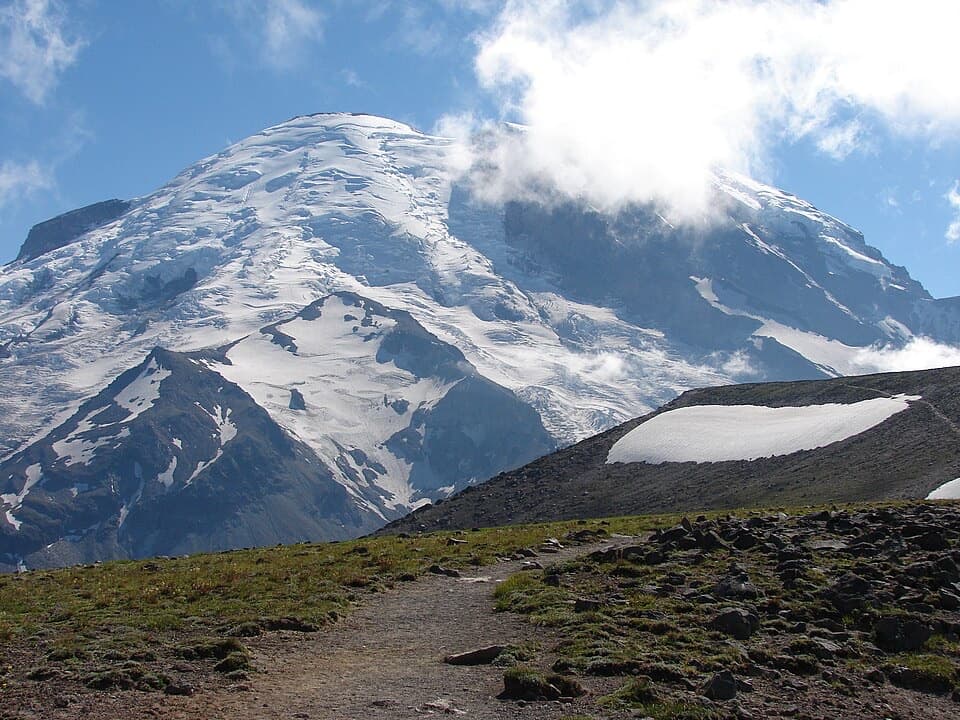
The Wonderland Trail is a roughly 93-mile loop around Mount Rainier, usually backpacked over a week to 12 days. Starting at Longmire and following the clockwise itinerary, it climbs from lowland forest to alpine ridges and drops back through river valleys. The route links old-growth forest, rushing rivers, open meadows, glacier views and a high pass. The reward is seeing the mountain from all sides; the cost is about 27,000 feet of climbing and the same amount of descent, with some days gaining 3,000 feet under a pack.
Plan camp stops and daily mileage before setting out. The first Longmire-to-Pyramid Creek leg is 3.3 miles one way, then it is another 2.5 miles to Devil's Dream. The park's camp-to-camp schedule helps turn a long line on the map into manageable days, but the climbs still add up. Overnight hikers need a wilderness permit and must stay in designated camps; cross-country camping is not allowed. A day hike on one section can be a good alternative, but it is a different outing with its own start and mileage.
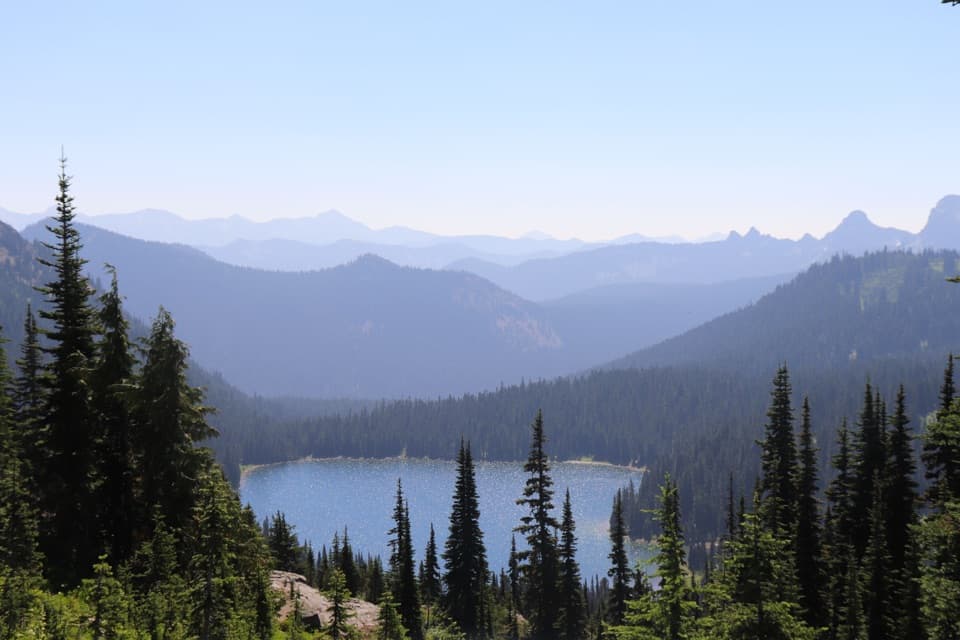
From Longmire, the route crosses forested valleys and the Puyallup River country, climbing out again toward Klapatche Park and Golden Lakes. Open meadows break up the tree cover before the path reaches Mowich Lake. Beyond Mowich, it climbs toward Ipsut Pass and drops to Ipsut Creek and the Carbon River, then rises again through the Mystic Lake and Granite Creek country. The north and west sides keep switching between shaded forest, exposed ridges and river corridors; don't mistake a campsite's short mileage from the previous one for an easy day.
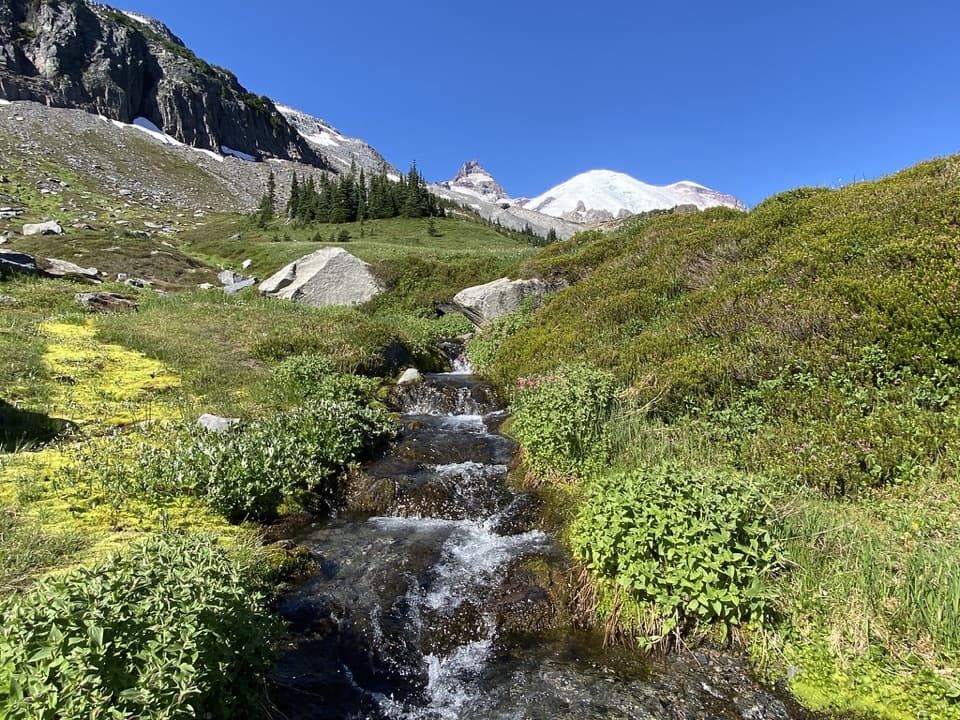
From Granite Creek, the loop climbs toward Sunrise and crosses to White River. The east side feels more alpine: Summerland's meadows lead to Panhandle Gap, the route's high point at roughly 6,750 feet, then the trail descends toward Indian Bar. The park's segment table gives White River to Summerland as 7.0 miles and Summerland to Indian Bar as 4.7. At Indian Bar, a bridge crosses a creek above a waterfall, with glacier-carved ridges below Rainier filling the view.
From Indian Bar, the Wonderland crosses Cowlitz Divide, passes Nickel Creek and Maple Creek, then reaches Paradise River and Longmire. This side turns back toward forest and river crossings after the high meadows. The route's variety is the point: a day can move from rock and open tundra into flowered slopes or deep trees, and then end beside another creek.
In an average snow year, the route is mostly snow-free from mid-July through October. Earlier travel calls for expert navigation, ice-axe self-arrest and the ability to ford glaciated rivers. High water and seasonal bridge changes can make crossings consequential, so check current conditions before fixing a camp itinerary. Pets are prohibited on the trail. No food service is documented along the circuit, so plan meals as part of the backcountry trip.
Mountaineers first made a recorded circuit in August 1915; park crews, mountaineering clubs and Boy Scouts built and improved the route. In 1925, Eagle Scouts constructed a one-mile section from Longmire toward Rampart Ridge. For a photograph, Summerland is a natural place to frame Rainier above the meadow; dark conifers in the foreground make the glacier's scale easier to read.
Wildlife
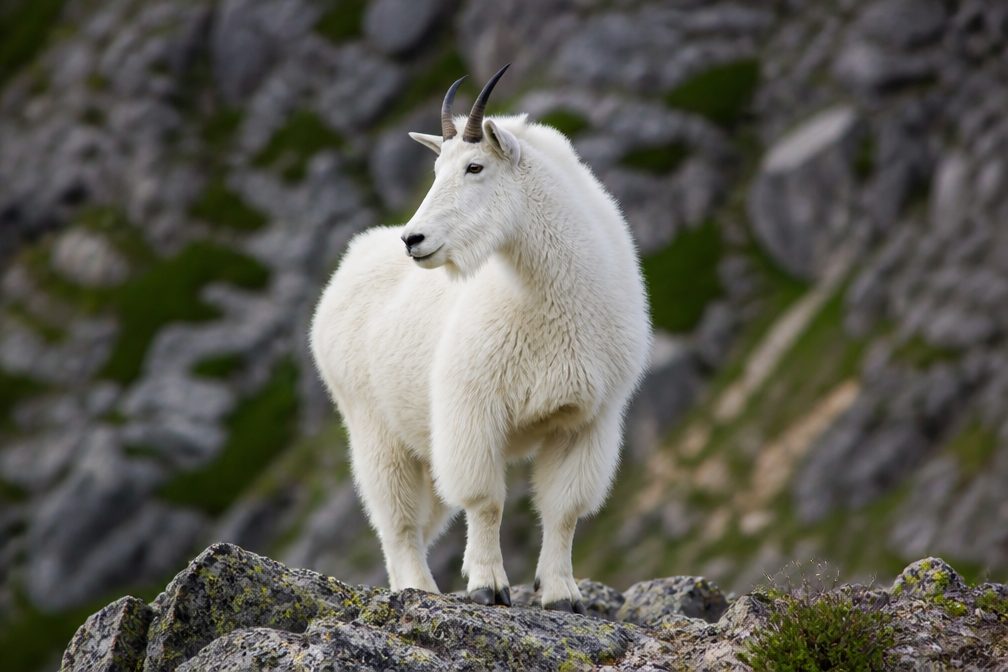 466 sightingsMountain GoatMost seen around 6 AMSighting map
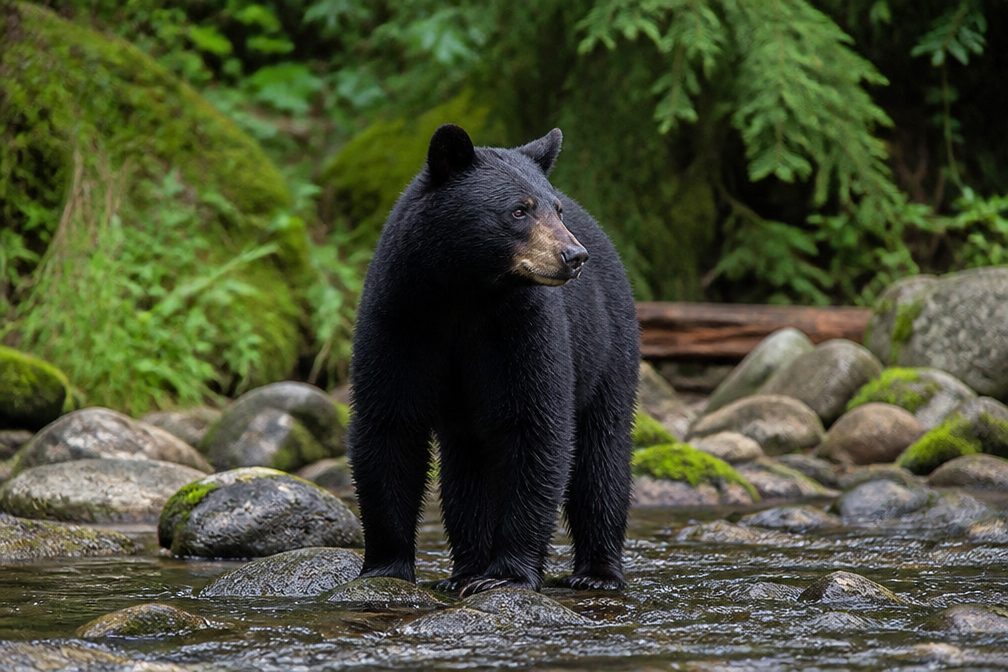 383 sightingsBlack BearMost seen around 7 PMSighting map
 10 sightingsWolverineMost seen around 6 AMSighting map
 58 sightingsElkMost seen around 6 AMSighting map
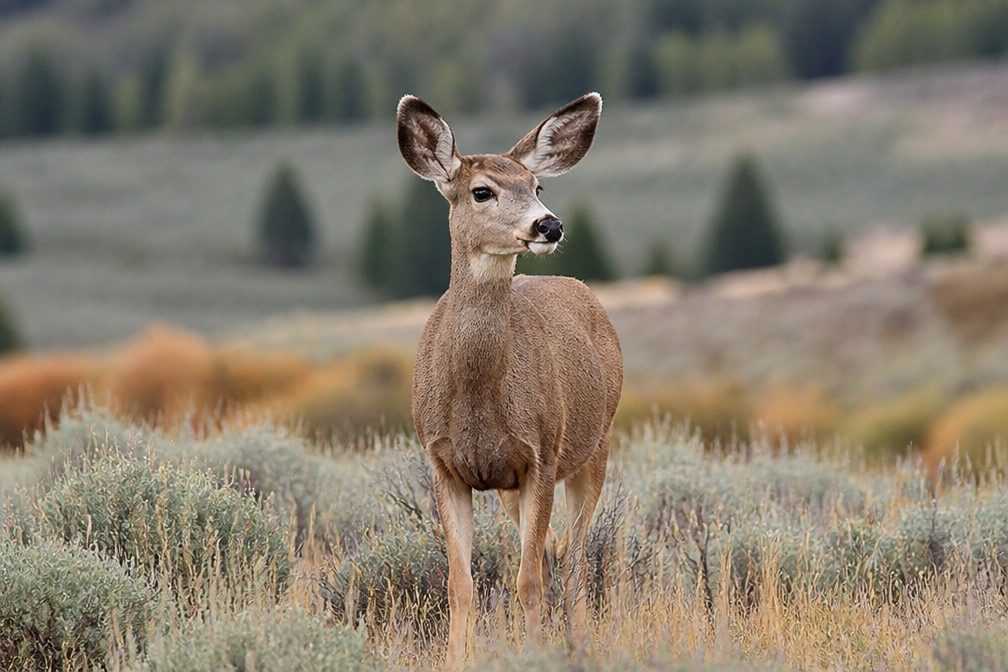 574 sightingsMule DeerMost seen around 6 AMSighting map
 1,853 sightingsHoary MarmotMost seen around 6 AMSighting map
Sighting maps show where each species has been reported across Mount Rainier. Wildlife moves, so no sighting is guaranteed.
Keep exploring
 ChallengingIndian Henry's Hunting Ground via Longmire13 mi · 8 hr · At the trailheadA long climb to historic meadows and Mount Rainier views.
 EasyTrail of the Shadows0.7 mi · 30 min · 0.1 mi awayA short loop through Longmire’s springs and resort history
 ModerateRampart Ridge Trail4.6 mi · 2.5 hr · 0.1 mi awayA steep forest climb to a Rainier and glacier view.
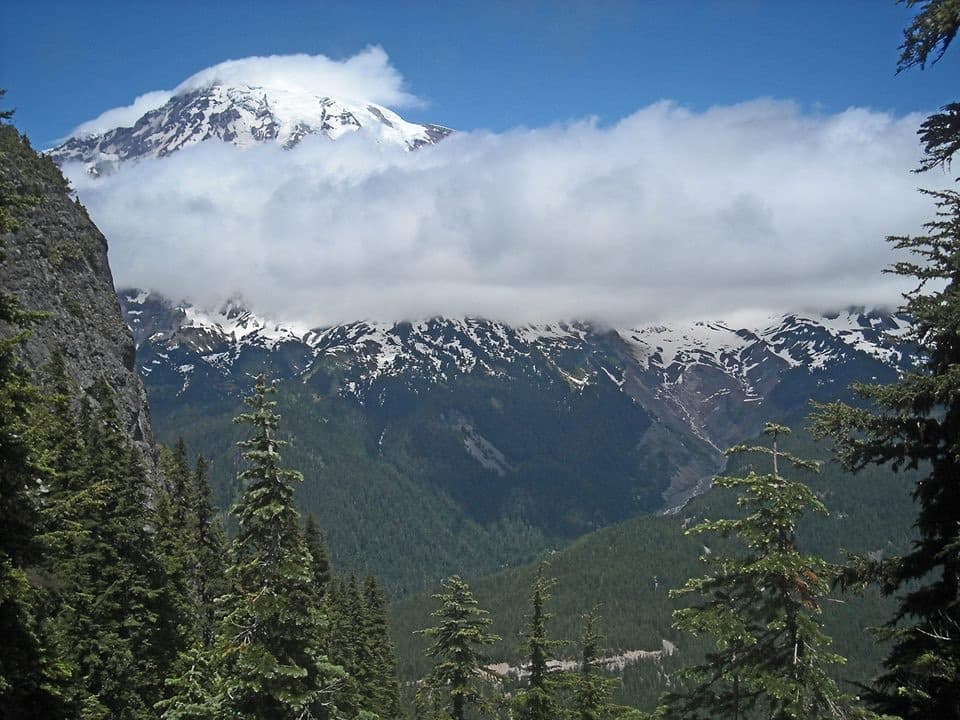 ChallengingEagle Peak Trail7.2 mi · 5 hr · 0.3 mi awayA steep forest climb earns a flowered saddle and Rainier views.
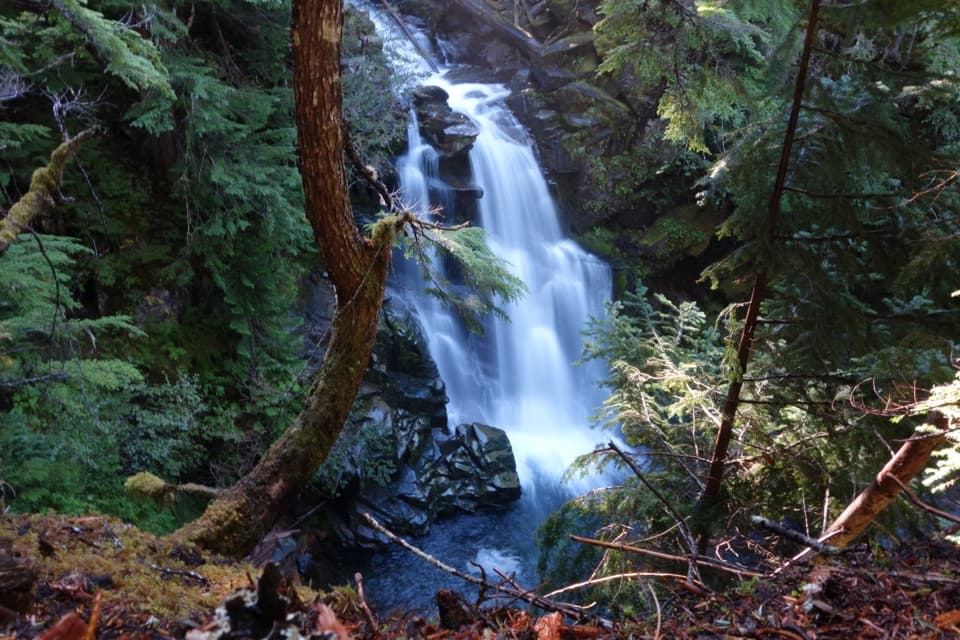 ModerateCarter and Madcap Falls Trail3 mi · 2.5 hr · 1.5 mi awayTwo waterfalls and old-growth forest beyond the Nisqually log bridge.
 EasyTwin Firs Loop Trail0.4 mi · 20 min · 1.7 mi awayA short loop among Douglas-firs, cedars, and hemlocks.
 ChallengingIndian Henry's Hunting Ground via Kautz Creek Trail11.5 mi · 7 hr · 2.3 mi awayA steep climb to a historic cabin in Rainier's wildflower meadows.
 ChallengingMirror Lakes Trail13.4 mi · 8.5 hr · 2.3 mi awayA signed lake spur waits beyond a steep climb into open meadows.
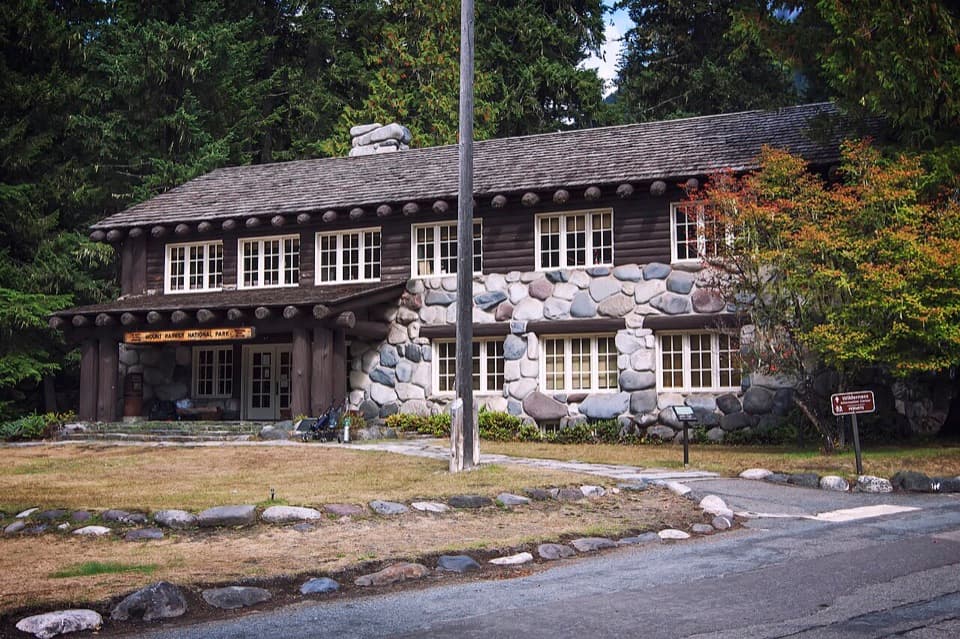 Visitor center · At the trailheadLongmire Wilderness Information CenterPermits and ranger advice in Longmire’s historic log-and-stone building.
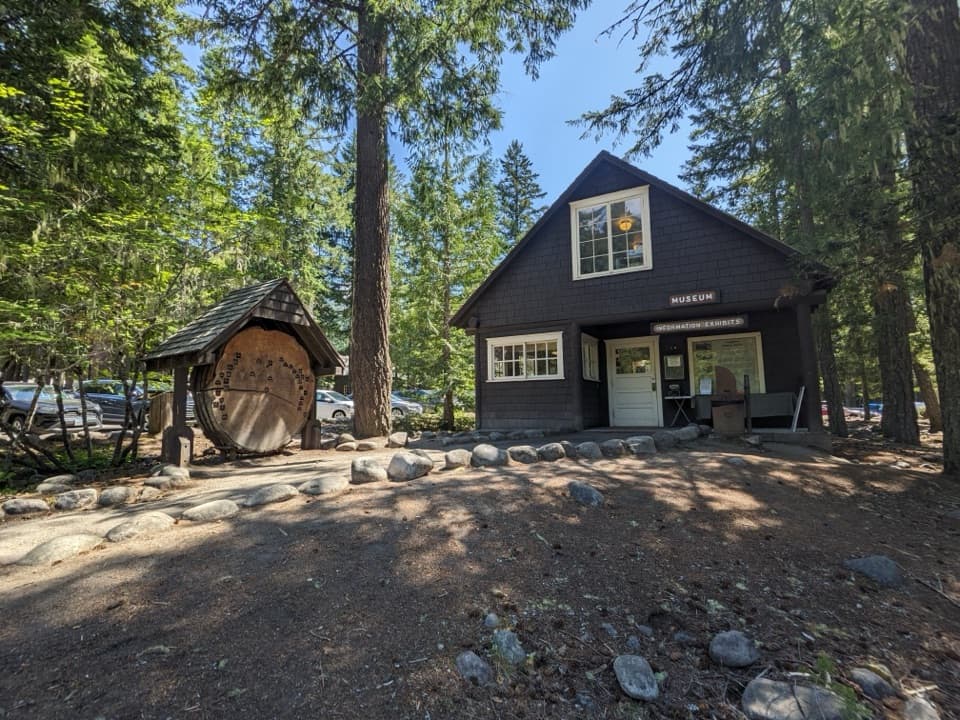 Sight · At the trailheadLongmire MuseumOne historic room, a mountain lion, and the park’s early story
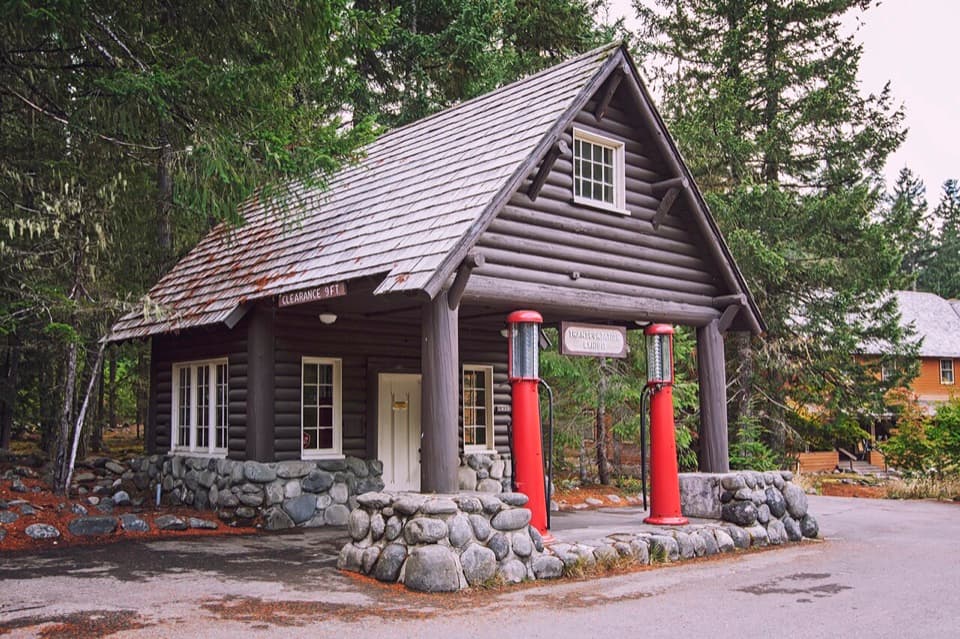 Sight · At the trailheadLongmire Transportation ExhibitRoad history told inside a landmark gas stationSight · 0.1 mi awayLongmire Service StationA 1929 roadside station turned into a park travel-history exhibit.
 Sight · 0.1 mi awayLongmire Mineral SpringsRead the landscape through bubbles, mineral stains and a resort past.
 Lodging · 0.1 mi awayNational Park InnYear-round historic lodging in Longmire with a porch view of Rainier.
 Store · 0.1 mi awayLongmire General StoreA 1911 log shop for snacks and trail supplies.
 Sight · 0.2 mi awayElcaine Longmire CabinA small 1888 cabin from Longmire’s early settlement.
Parkwolf’s Mount Rainier ranking

The audio tour guide for the drive, plus offline maps, trails, and wildlife heatmaps for when the signal drops.