
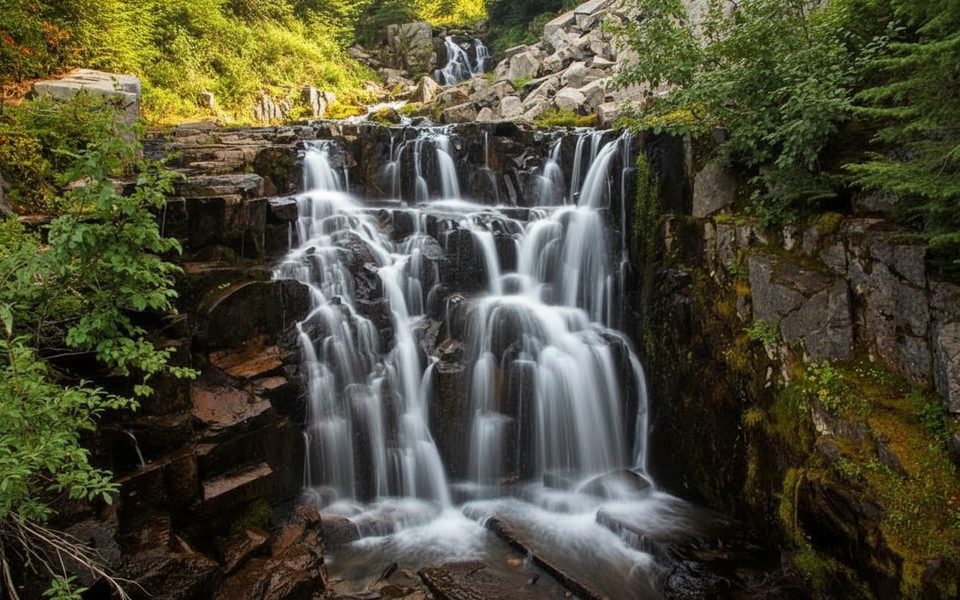
Place · 0.4 mi away
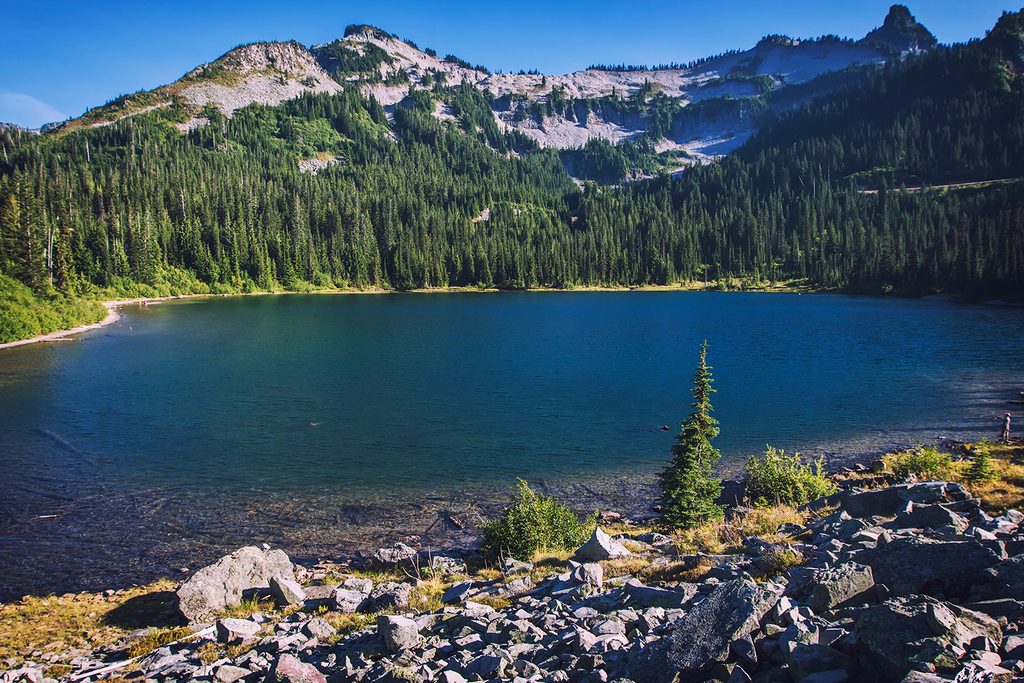
Louise Lake is the quiet neighbor to Reflection Lakes along the Stevens Canyon corridor. It’s a small subalpine lake tucked beneath Faraway Rock, with forested slopes and meadows around a calm shoreline. You won’t get the iconic, front‑row Rainier view here—what you do get is breathing room and a mellow, family‑friendly stop where the crowds thin out.
Expect a tranquil basin ringed by trees and open meadows, with occasional glimpses toward nearby high points like Faraway Rock and the Tatoosh peaks. The shoreline can be muddy, but a few big rocks make decent perches for a snack and some bird‑watching. Keep an eye on the talus and roadside rock piles—pikas sometimes announce themselves with sharp chirps.
Reaching the lake is almost too short to call a hike: a brief stroll from Stevens Canyon Road brings you to the water’s edge. If you want a bit more leg stretch and even more solitude, start at Reflection Lakes and walk a mile of the Wonderland Trail to Louise Lake. In winter, when the road is snowed in, a quintessential snowshoe tour approaches the Reflection–Louise basin from Narada Falls, with a steep initial climb to the buried road before rolling out across broad lake basins.
There’s no developed parking, no restrooms, and no picnic infrastructure here—just informal roadside pullouts and a faint path to the shore. The lake edge is muddy and fragile; stick to durable surfaces and the obvious rocks. Cell service is spotty, so save directions ahead of time.
Summer days offer the easiest, quickest stop, especially if you want a low‑effort, low‑crowd lakeside break. Winter is fantastic for snowshoers comfortable with a longer tour and true winter conditions; the initial climb from Narada Falls to the snow‑covered road is steep but leads to sweeping, open terrain.
This subalpine pocket can be surprisingly lively: listen for pikas in the rocky margins and watch for birds working the lakeshore and meadows. Bring a camera or small binoculars if you like quiet wildlife moments.
Place · 0.4 mi away
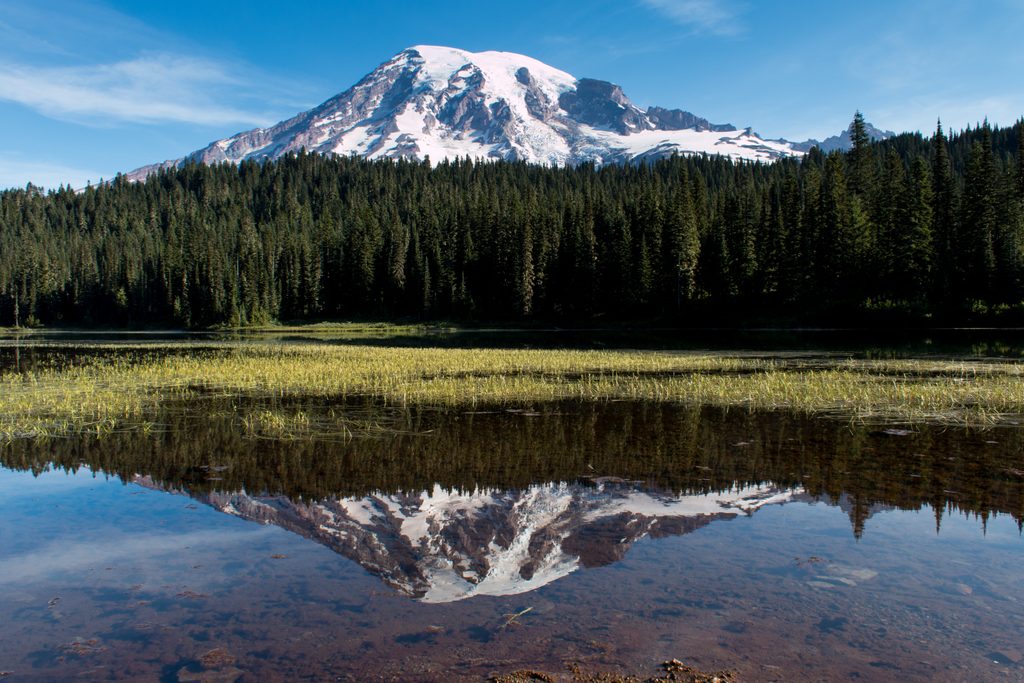
Place · 0.6 mi away
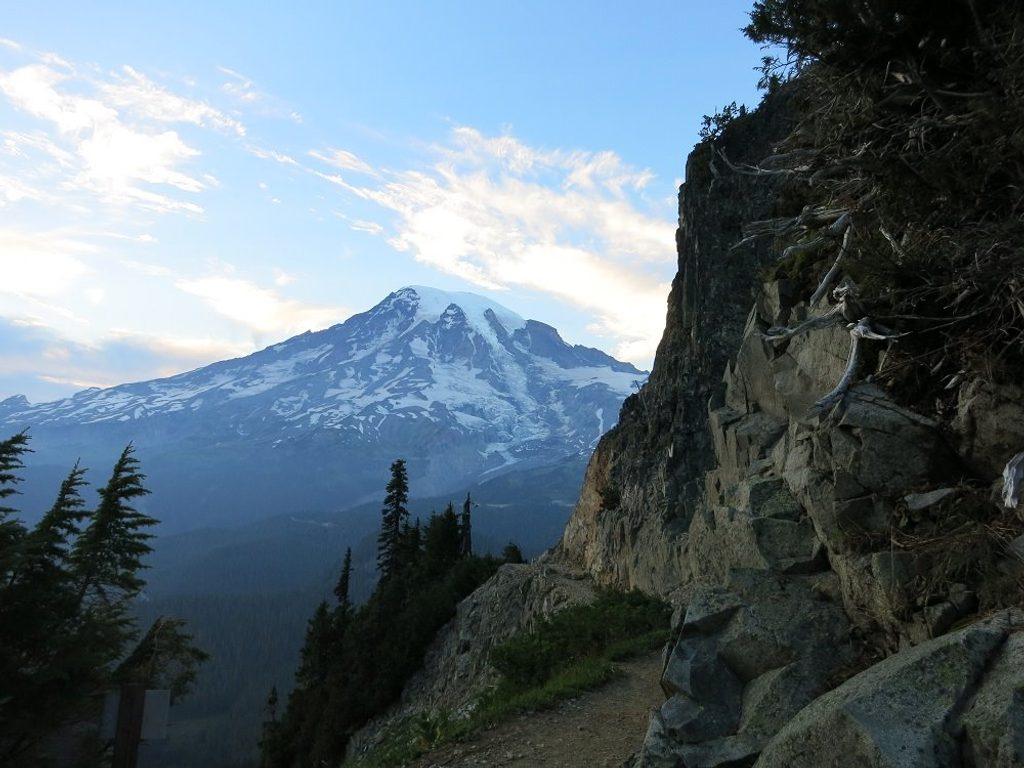
Place · 0.6 mi away
Place · 1 mi away
Easy · 0.5 mi away
Moderate · 0.5 mi away
Moderate · 0.6 mi away
Moderate · 0.6 mi away

Parkwolf Tour Guide
