Reflection Lakes

Roadside lakes with classic mirror views of Rainier
Reflection Lakes, Mount Rainier National Park
InsideMount Rainier National Park

Overview

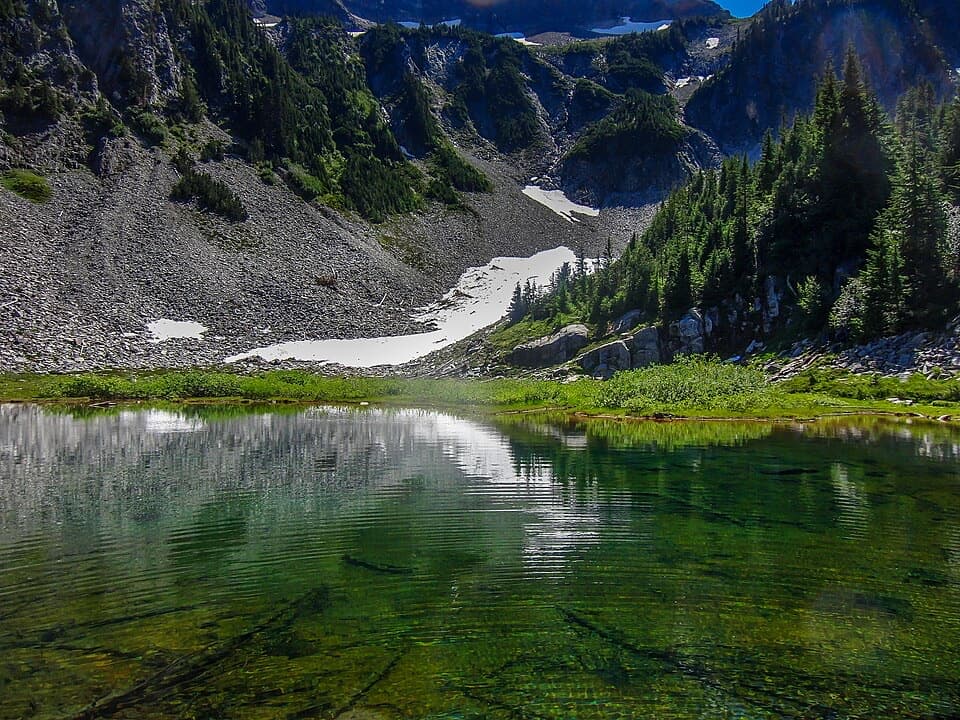
Reflection Lakes are exactly what they sound like: a cluster of small, road‑side lakes that, on windless days, throw back a postcard‑perfect mirror of Mount Rainier. They sit just south of Paradise along Stevens Canyon Road, which makes them one of the easiest big‑view stops in the park during the summer.

What You’ll See

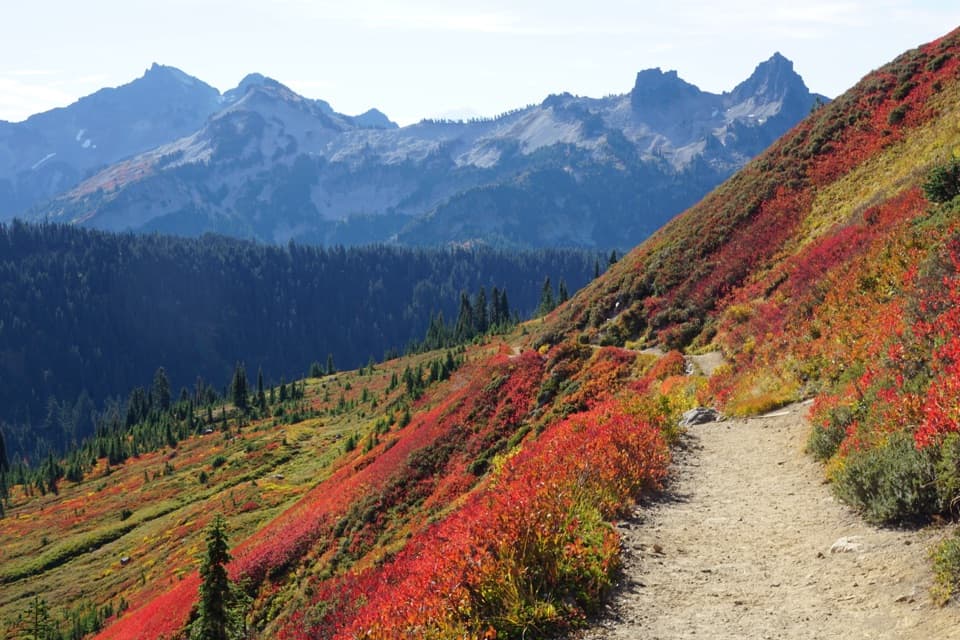
When conditions line up, you’ll get Rainier’s full profile floating on still water with wildflower‑rimmed shorelines in mid‑ to late summer. Look south and you’ve got the serrated Tatoosh Range; climb a bit and you’ll add Louise Lake, Stevens Canyon, and the wider basin to the panorama. Fall brings color to the hillsides, while winter transforms the whole bowl into a quiet, snowy amphitheater.

Trails and Viewpoints

Several trails intersect right at the lakes, so you can turn a quick stop into a short wander or a half‑day outing. The Lakes Trail (about 3 miles as a loop) is the classic, with spurs and connections toward Paradise and Mazama Ridge. For a grander vantage, hike to Faraway Rock—a dramatic overlook above steep cliffs—where the views expand to the Tatoosh and beyond. Use caution near drop‑offs.

Seasons, Access, and Activities

  • Summer: Stevens Canyon Road is typically open late June through September. This is prime time for reflections and wildflowers, but also the busiest season.
  • Winter: The road closes, but people still reach the area by hiking or snowshoeing. Winter camping is allowed around the snow‑covered lake. Some routes are unmaintained; expect variable conditions and plan conservatively.

Wildlife

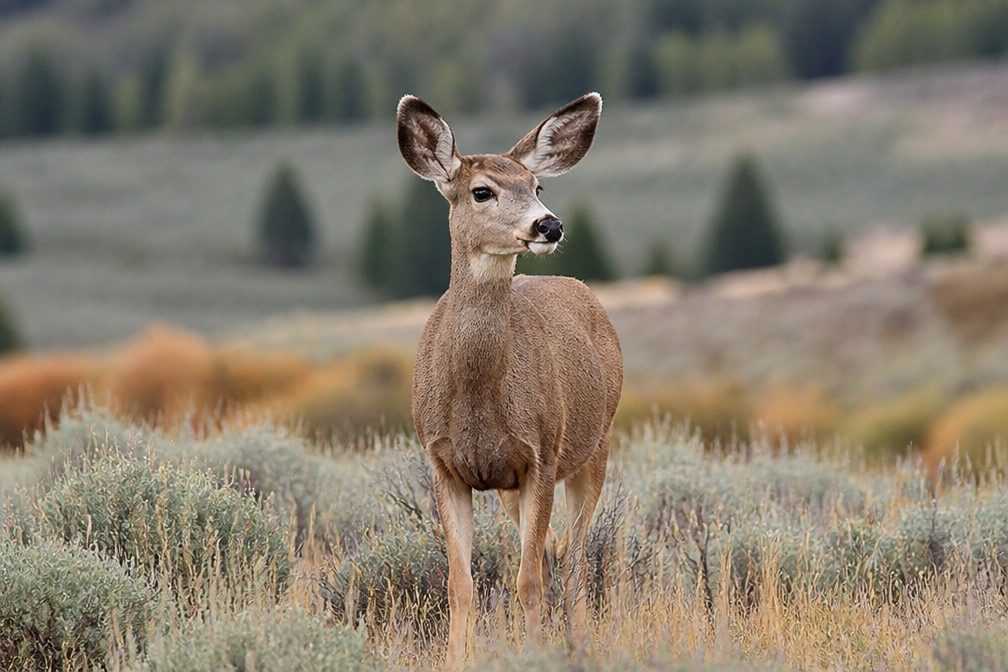
Around the subalpine meadows and forest edges, you’re likely to encounter a variety of birds and the usual meadow residents like deer and marmots in summer. In winter, foxes and birds actively scavenge; store food securely (bear canisters are recommended for winter overnights).

Rules and Etiquette

  • Stay on designated trails in summer—the meadows are fragile and easily damaged.
  • Boating and fishing are not permitted on the lakes.

Best Times to Visit

  • For reflections and photography, aim for sunrise or the calm right before sunset; wind or passing clouds will erase the mirror effect.
  • Go early or late, and favor weekdays, to dodge the biggest crowds and parking crunch.
  • Photographers: scout a shoreline spot on arrival and be patient—brief lulls in wind can make the shot.

Is It Worth It?

Yes—if you hit it during calm, clear conditions, it’s one of the park’s most satisfying quick stops. Even without the perfect reflection, the lakes and surrounding peaks make for a beautiful, easy add‑on to any Paradise day.

Pros

  • Iconic mirror view of Rainier on calm days
  • Easy summer roadside access off Stevens Canyon Road
  • Trail connections with big-view options like Faraway Rock

Cons

  • Very crowded midday in peak season
  • Reflections depend on calm, clear weather

Tips

  • Arrive at dawn or near sunset for calm water and fewer crowds.
  • If it’s windy or clouded in, swing back later for the reflection.
  • Stay on the paths—those meadows are fragile and strictly protected.
  • In summer, carry bug repellent; mosquitoes can be active near the water.
  • Winter visitors: snowshoe in, and use a bear canister if camping.
The Parkwolf tour guide sitting on a phone mounted in a car

Parkwolf Tour Guide

Like a tour guide in your car.

Save the places you found around Mount Rainier, then let Parkwolf guide the drive between them.Download Parkwolf on the App Store