
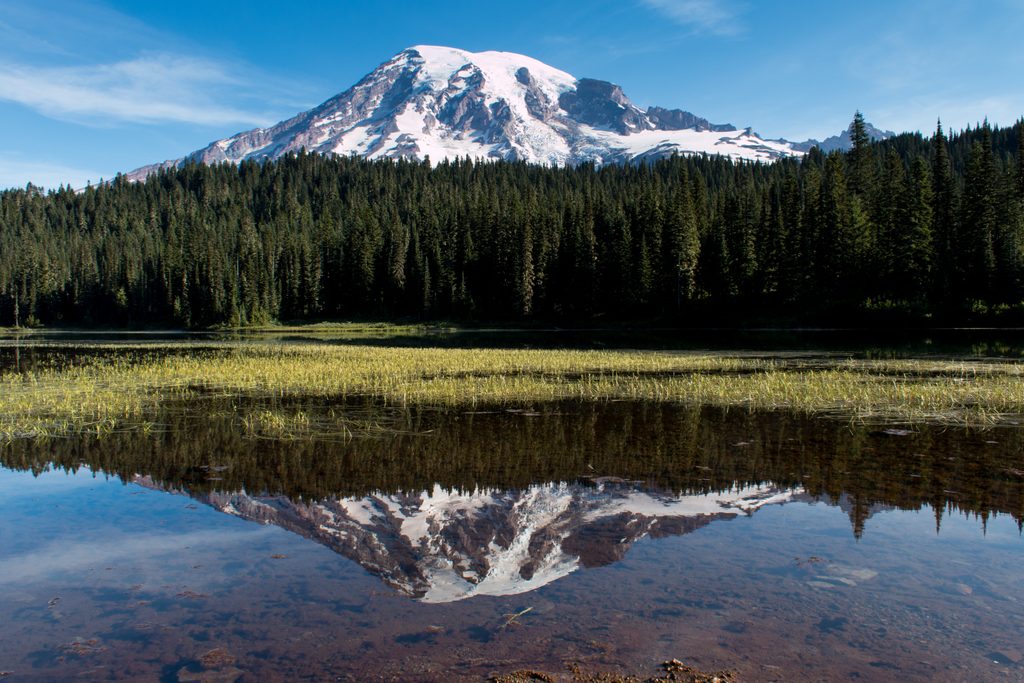
Place · 0 mi away
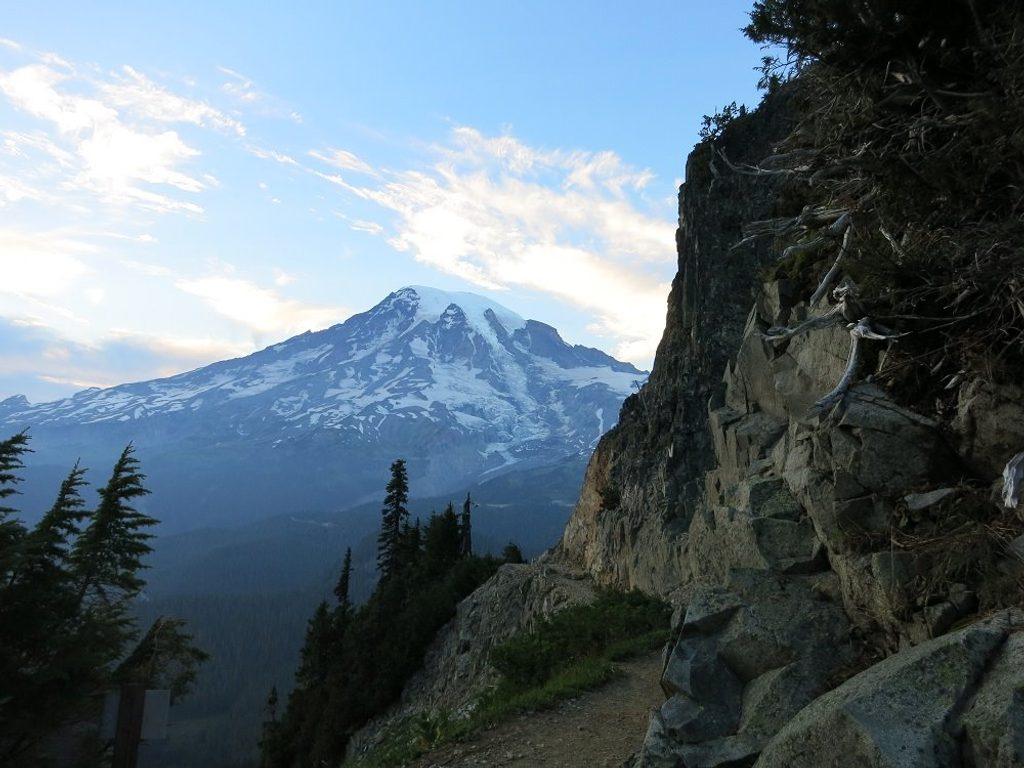
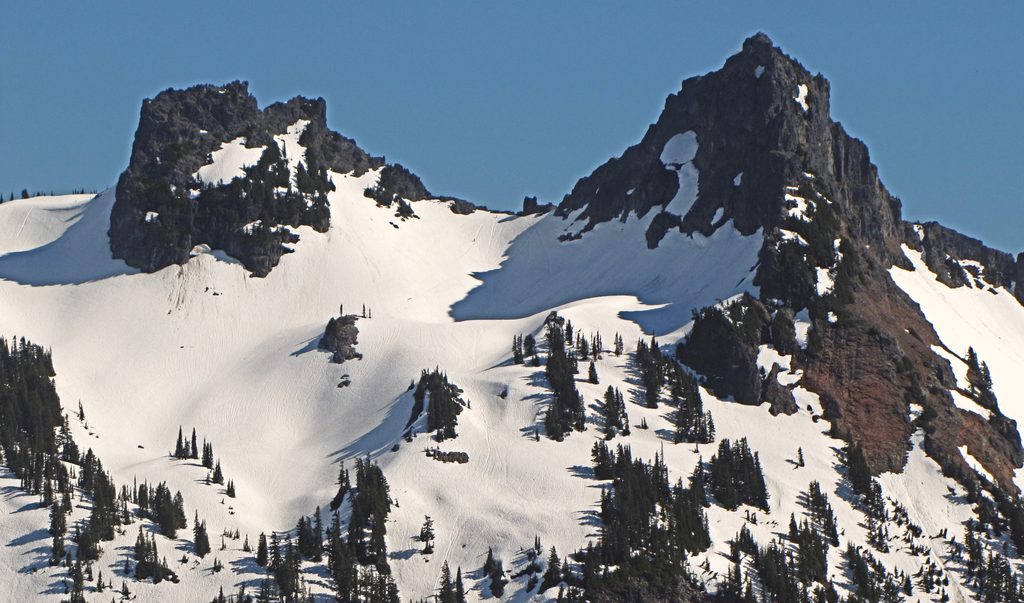
If you want a big-mountain view without an all‑day sufferfest, Pinnacle Peak Viewpoint delivers. The trail climbs from Reflection Lakes straight into the craggy Tatoosh Range and tops out at Pinnacle Saddle (about 5,950 feet), a natural window between Pinnacle and Plummer peaks. It’s short, steep, and wildly scenic.
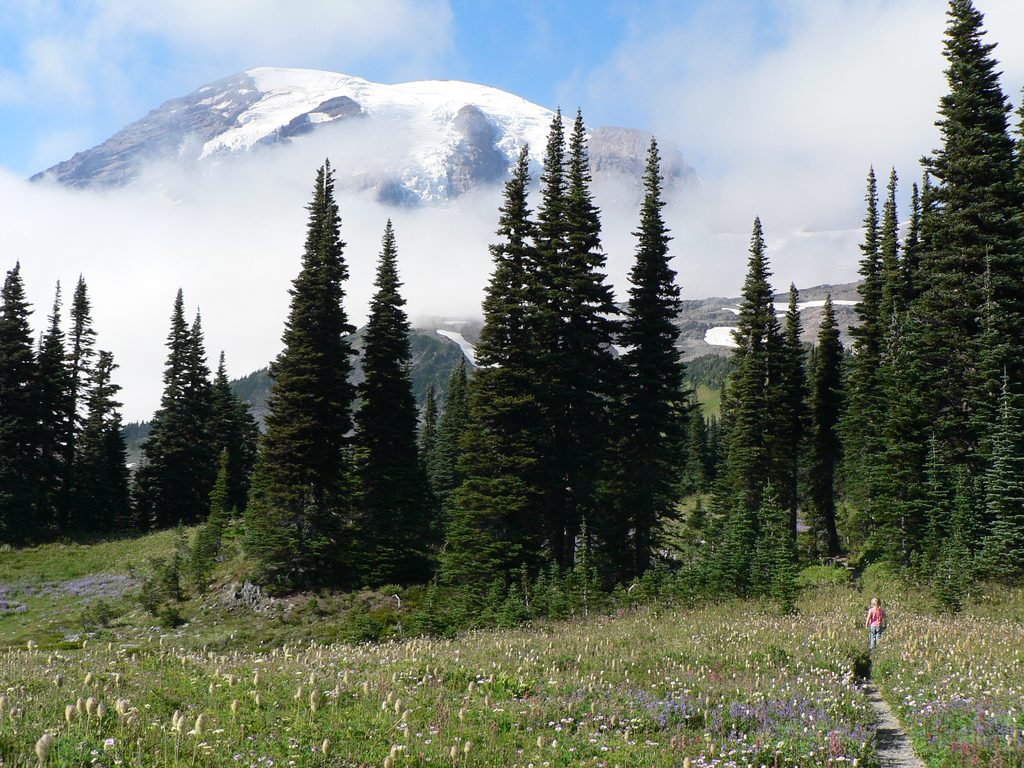
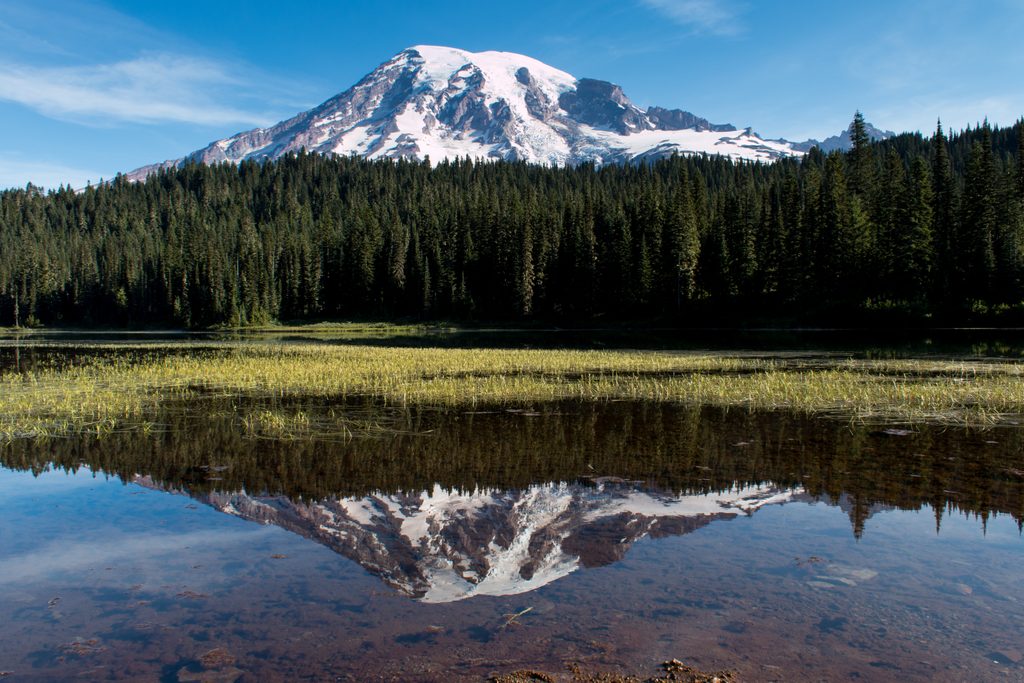
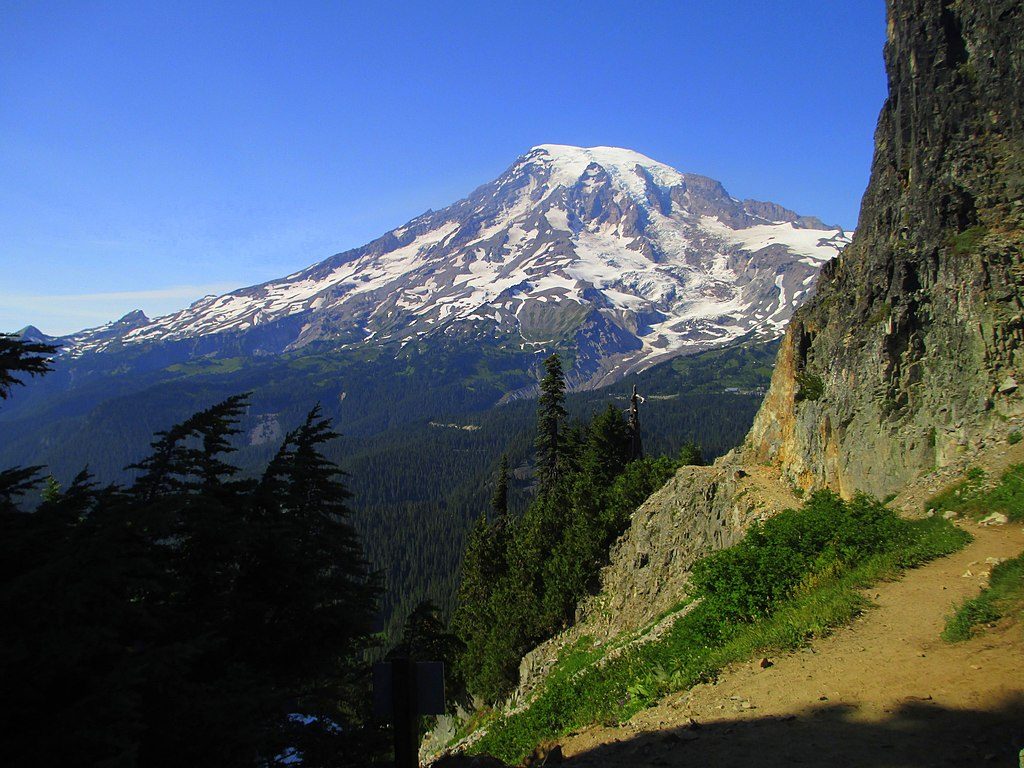
From the saddle, Rainier dominates the northern skyline with Paradise spread below and the Nisqually Glacier front and center. Spin around and, on clear days, you’ll spot a who’s‑who of Cascade volcanoes to the south: Mount Adams, Mount St. Helens, and even Mount Hood on the far horizon. Along the way you’ll pass talus slopes and volcanic walls, with summer wildflowers tucked into the alpine meadows.
Expect roughly 1.3 miles one way with about 1,150 feet of gain. The path is well‑built but climbs quickly and includes rocky, loose sections near the top. Most hikers stop at the saddle; rougher user paths continue, but those are for mountaineers, not casual walkers.
Keep an ear out for the tiny “eep” of pikas among the rocks and watch for hefty marmots sunning on boulders. They’re common here, especially near the higher talus fields.
The route brushes the boundary of the Butter Creek Research Natural Area, which is closed to general public use. Stay on the signed trail at the viewpoint and resist the temptation to wander off‑trail.
It’s a popular hike thanks to outsized views, but once you leave the Reflection Lakes hub, the trail often feels calmer than the chaos around Paradise. Start early on sunny weekends if you want a quieter saddle.
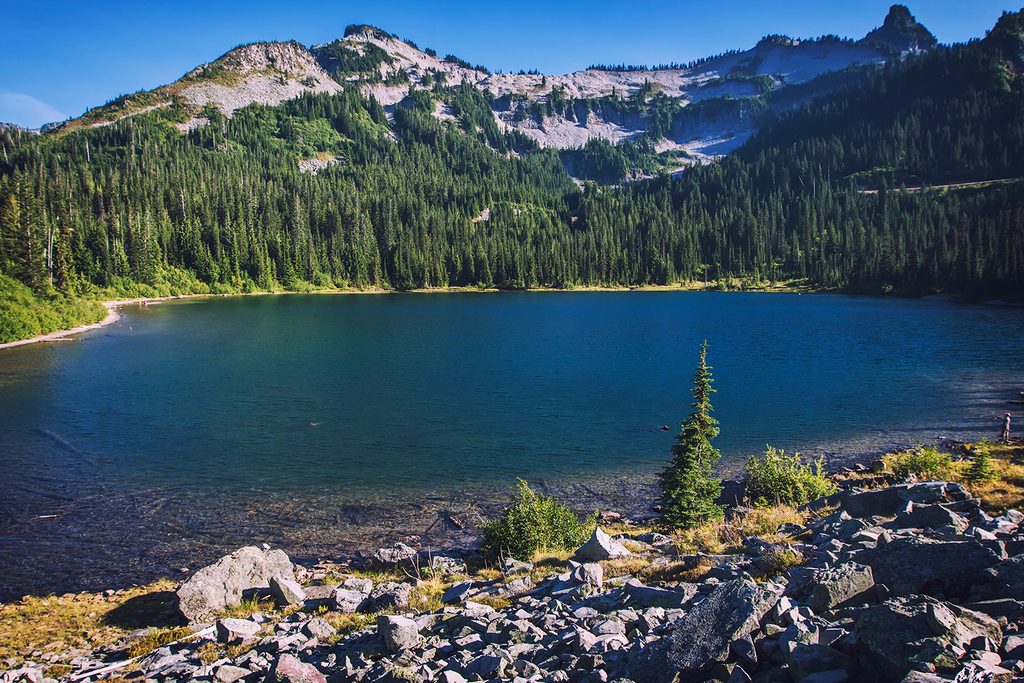
The Tatoosh Range is a rugged wall of volcanic rock opposite Rainier. The saddle’s flanking peaks—Pinnacle and Plummer—show off that toothy, talus‑rich character, which explains the loose footing near the top.
Sturdy footwear, layers for quick weather shifts, ample water and sun protection, plus a camera or small binoculars for the volcano lineup.
There are no facilities at the trailhead or viewpoint; plan bathroom and water stops elsewhere. No camping is allowed along this trail or in the Tatoosh Range.
Place · 0 mi away
Place · 0.6 mi away
Place · 0.7 mi away
Place · 0.8 mi away
Moderate · 0 mi away
Moderate · 0 mi away
Moderate · 0 mi away
Challenging · 0.1 mi away

Parkwolf Tour Guide
