
Place · 2.8 mi away
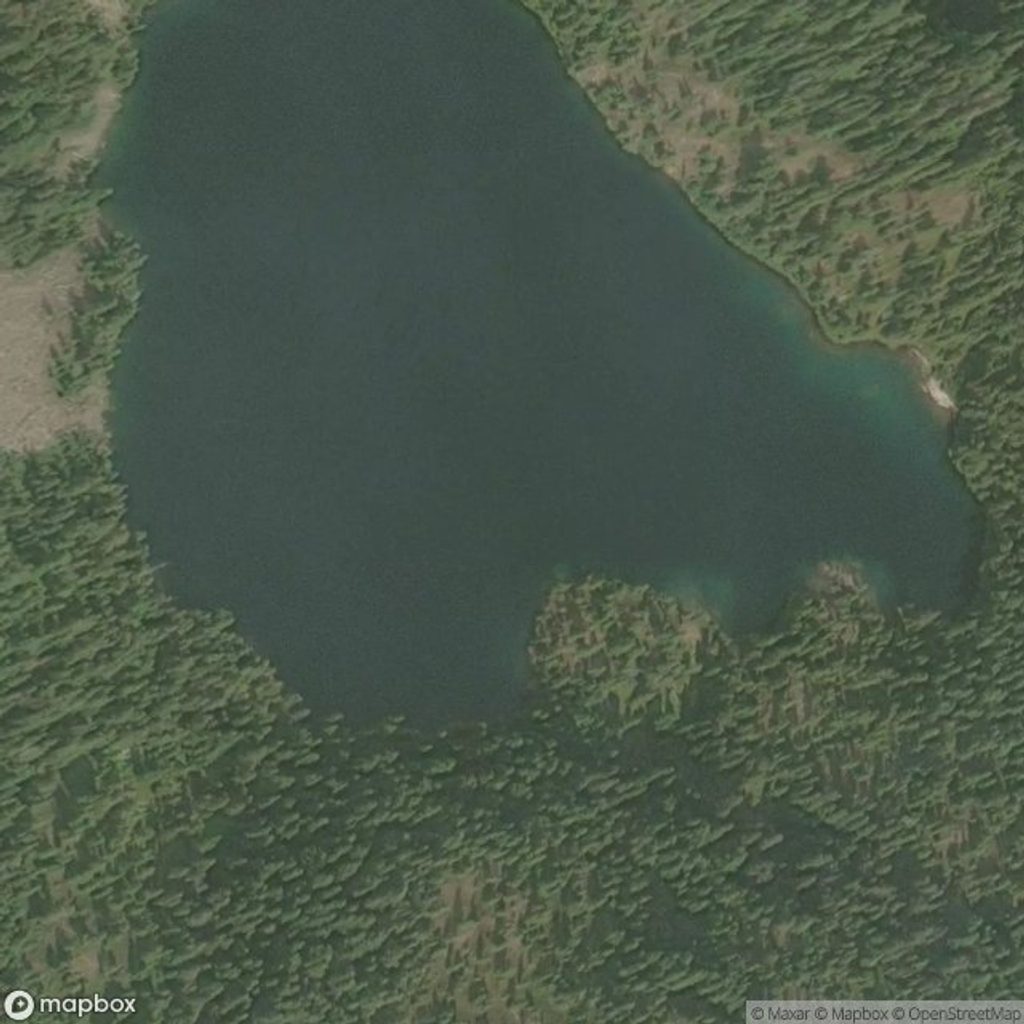
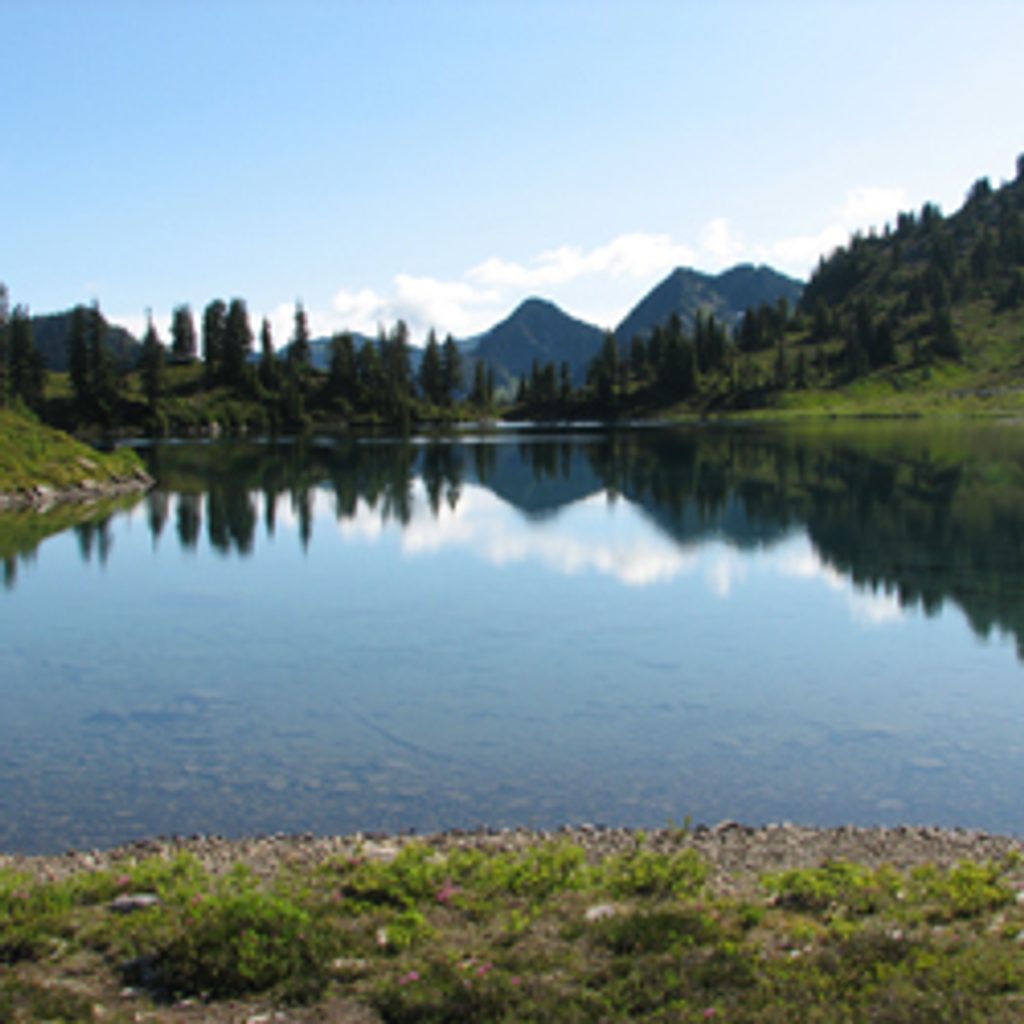
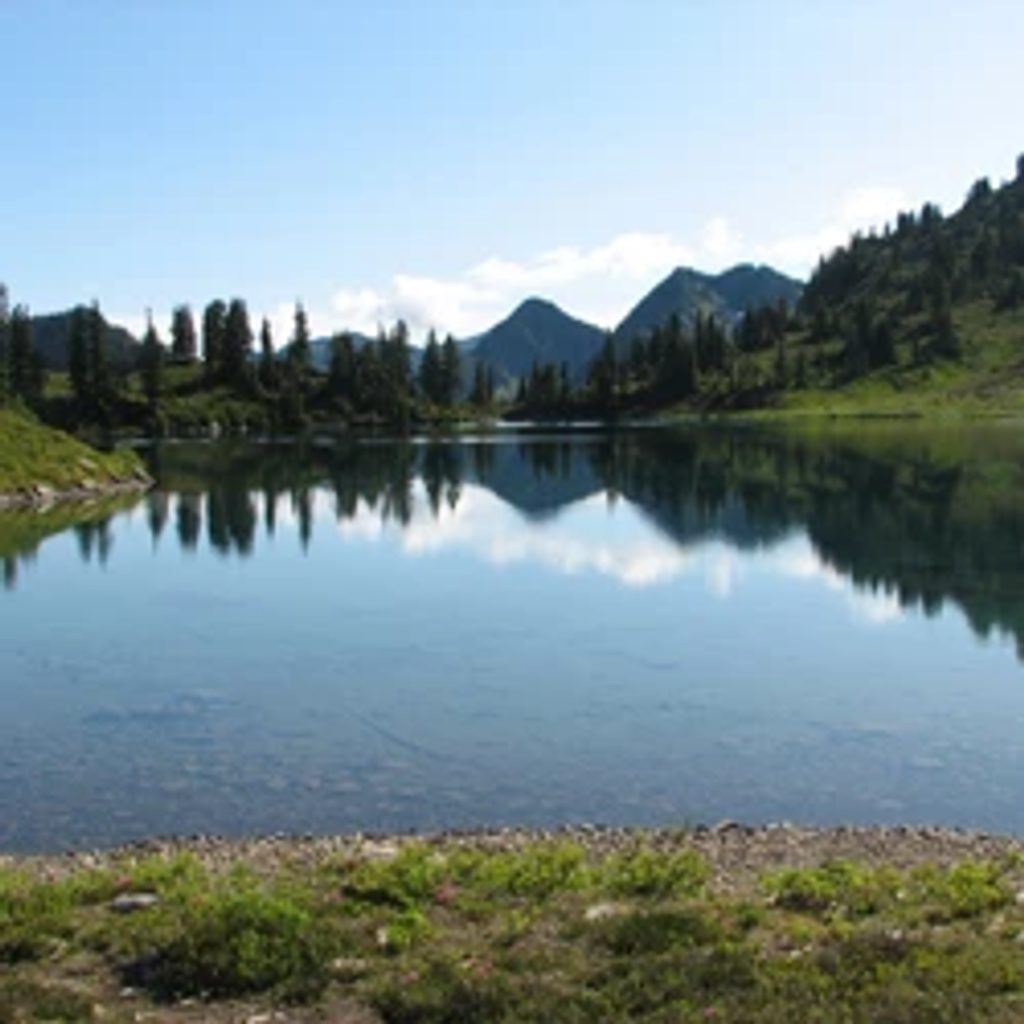
Tucked beneath Boulder Peak and near Crystal Ridge, Boulder Lake is a true alpine bowl—blue water ringed by rocky ridges and meadows. It’s far less trafficked than the park’s headline lakes, so you come for solitude and a big-mountain feel.
Most hikers approach via the Olympic Hot Springs corridor and Appleton Pass route. Expect a strenuous outing—roughly 12–13.3 miles round trip with about 2,500 feet of gain. The lower approach follows old road and established trail, then turns steeper and rougher near the lake with rocky, sometimes muddy tread and short talus bits. Road washouts/closures on Olympic Hot Springs Road have been common; many hikers bike closed sections to save time.
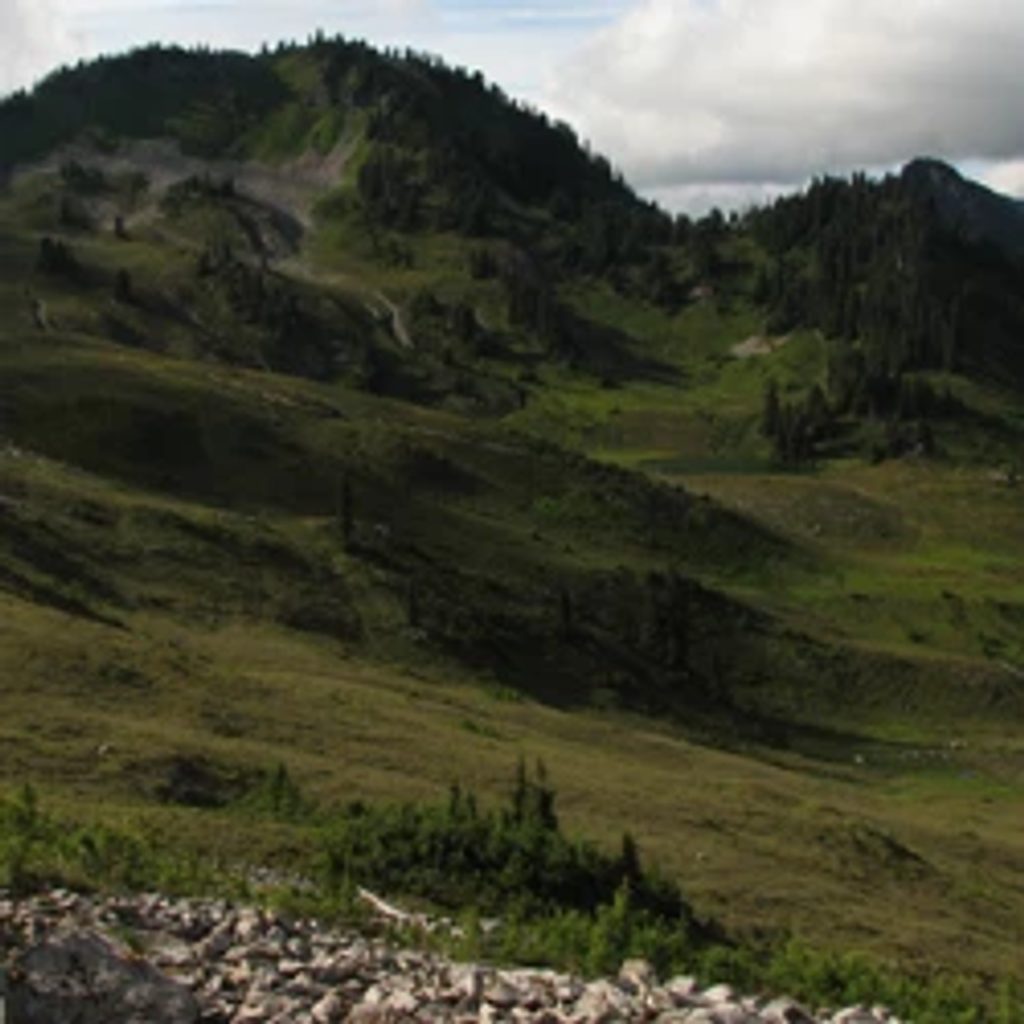
The lakeshore opens into grassy/meadowy pockets with big views up to Boulder Peak’s ridgeline. It’s a natural springboard for high-country extensions—Crystal Ridge, Happy Lake Ridge, and even a larger loop to Happy Lake if you’ve got the legs.
This is backcountry. You’ll find primitive campsites at the lake, but no toilets or services—treat all water. Along the approach, Boulder Creek Camp has pit toilets and bear wire, but don’t expect that at the lake itself. Campsites are limited; arrive early if you’re overnighting and follow Leave No Trace.
You’re in classic Olympic backcountry—black bears, deer, marmots, and plenty of birds are all possible. Store food properly and stay alert around creeks and meadows where animals frequent.
Prime season is summer into early fall (July–September). Early season snow can linger, and the approach near the hot springs sees more people—crowds thin quickly as you climb toward the lake. For photos, aim for calm early mornings or golden evenings when the ridges light up and winds are lighter.
Strong hikers link Boulder Lake with Happy Lake Ridge for a big alpine day or an overnight loop. If the road is closed, bring a bike to speed the approach and save energy for the climb.
Place · 2.8 mi away
Place · 3.5 mi away
Place · 3.7 mi away
Place · 3.8 mi away
Challenging · 4.2 mi away
Challenging · 4.2 mi away
Challenging · 4.2 mi away
Challenging · 4.2 mi away

Parkwolf Tour Guide
