Parking
Use the Sol Duc Falls Trailhead at the end of Sol Duc Road; it is the shared start for the falls and river trails. Restrooms are at the trailhead. The lot has more than 100 spaces, but summer overflow can line the narrow access road.

Olympic National Park, WA
A river climb that ends at Heart Lake and the High Divide.
Overview
Map & elevation
Plan your hike
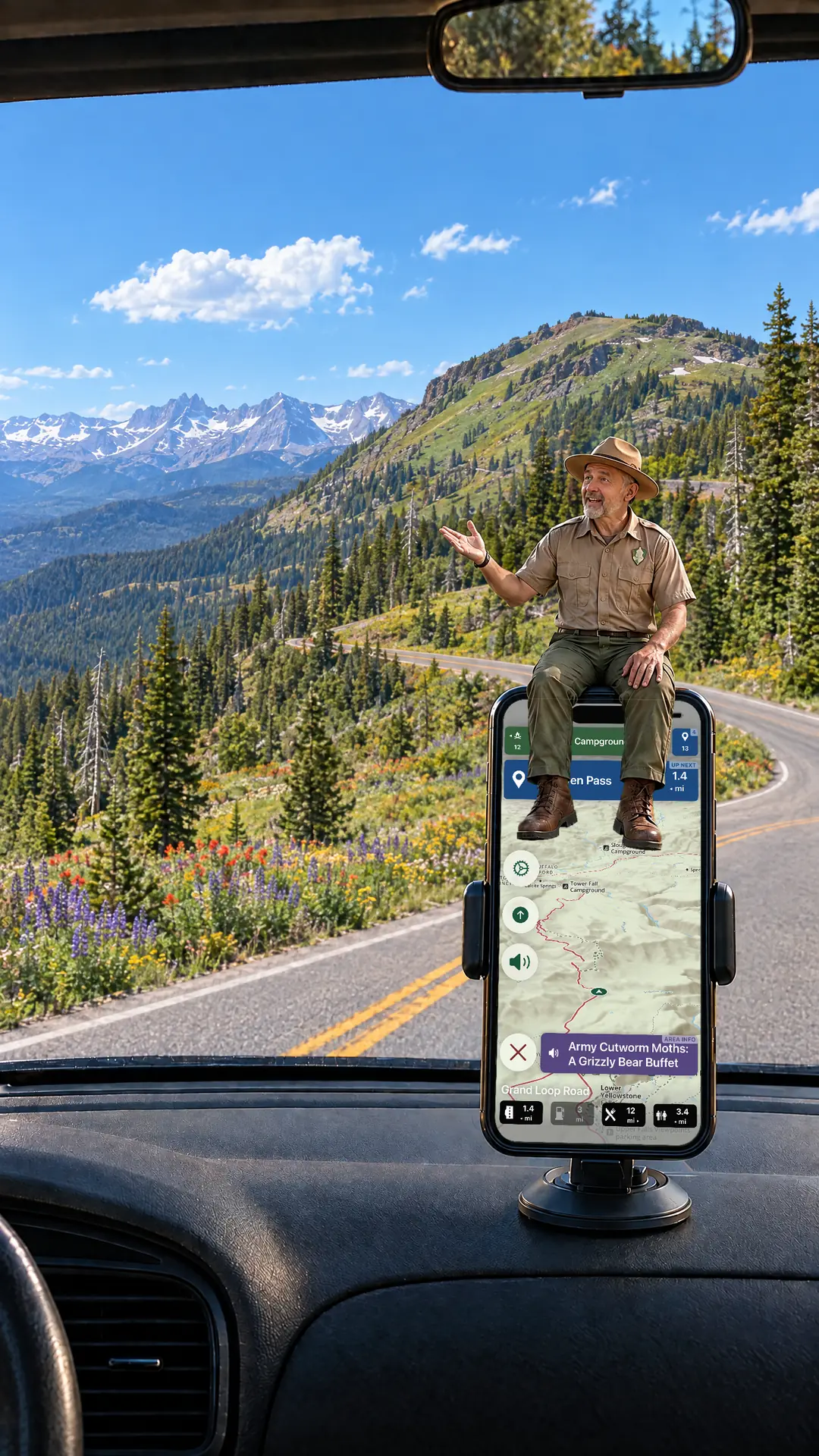
The highest, rockiest slopes around here are a summer buffet for grizzly bears.
Olympic Tour Guide
Parkwolf is a GPS audio tour guide for Olympic National Park. As you drive, it chimes in with what’s ahead: hidden gems, upcoming stops, history, geology, and wildlife, right through your car’s speakers.
See the Olympic audio tourRecorded for this trailhead
Sol Duc Falls: The Short Forest Walk“You're nearing the Sol Duc Falls trailhead, for an old-growth forest walk to a waterfall that can split into several chutes.”
Plays as you drive up to this trailhead in the Parkwolf Olympic Tour Guide.
More stories near here in the app
“Fantastic app with many points of information… It’s great to just turn on while you’re driving and it gives you an audio tour of the national Park. We love it!!!!”


Trail guide
The Sol Duc River Trail is a strenuous out-and-back from the end of Sol Duc Road to the High Divide junction: 8.4 miles one way, or 16.8 miles round trip. The rounded return figure is often given as 17 miles. Plan on a full day; about 12 hours is a reasonable allowance for the distance and climb. The trail shares its first 0.7 mile with the Sol Duc Falls walk, then continues past Sol Duc Park and Heart Lake to the ridge. The 18.2-mile High Divide Loop is a separate, longer circuit that returns by Deer Lake.
At the shelter near the falls fork, a short spur reaches a bridge above Sol Duc Falls; it is an optional detour, outside the stored route distance. The main trail narrows beyond the shared approach and winds through fir, hemlock and occasional spruce. Rocky footing and a stronger uphill push arrive around mile 3.5. Near mile 4.9, stay right at the Appleton Pass junction and cross the Sol Duc on a high footlog. A twin waterfall can be seen from one point along the way, but it is not reached by a trail spur.
Beyond the footlog, the route keeps climbing through deep forest, crosses Bridge Creek, then reaches patchy meadows and mountain hemlocks. Sol Duc Park, about seven miles from the start, is the first major open stretch and a designated backcountry camp. Its vault toilet and the area's water sources serve overnight hikers; treat water collected from the river or streams.
Above camp, the trail climbs a staircase into higher meadows. The tread grows rockier, with small rivulets running beneath and across it as the route enters the bowl of Heart Lake at about mile 8. Steep grassy slopes rise around the lake. The final climb reaches High Divide at about mile 8.4, where the view opens toward Mount Olympus and the Hoh drainage; Seven Lakes Basin continues beyond the junction. From the upper trail, the lake, meadow and ridge make the most distinctive photo view.
Start at the Sol Duc Falls Trailhead at the end of Sol Duc Road. The parking area is shared with the falls walk; restrooms are at the trailhead, and summer overflow can extend along the narrow road. This is a long, hard hike with roughly 3,200 feet of climbing, not a short extension to the waterfall. Snow can persist on the upper route into early or mid-July, with steep snow slopes that may require ice-axe and self-arrest skills. Ordinary pets are prohibited on park trails and in the wilderness. Day hiking does not require a backcountry camping permit, but camping overnight at Sol Duc Park or Heart Lake does.
Wildlife
 710 sightingsOlympic MarmotMost seen around 11 AMSighting map
 30 sightingsHumpback WhaleMost seen around 6 PMSighting map
 42 sightingsGrey WhaleMost seen around noonSighting map
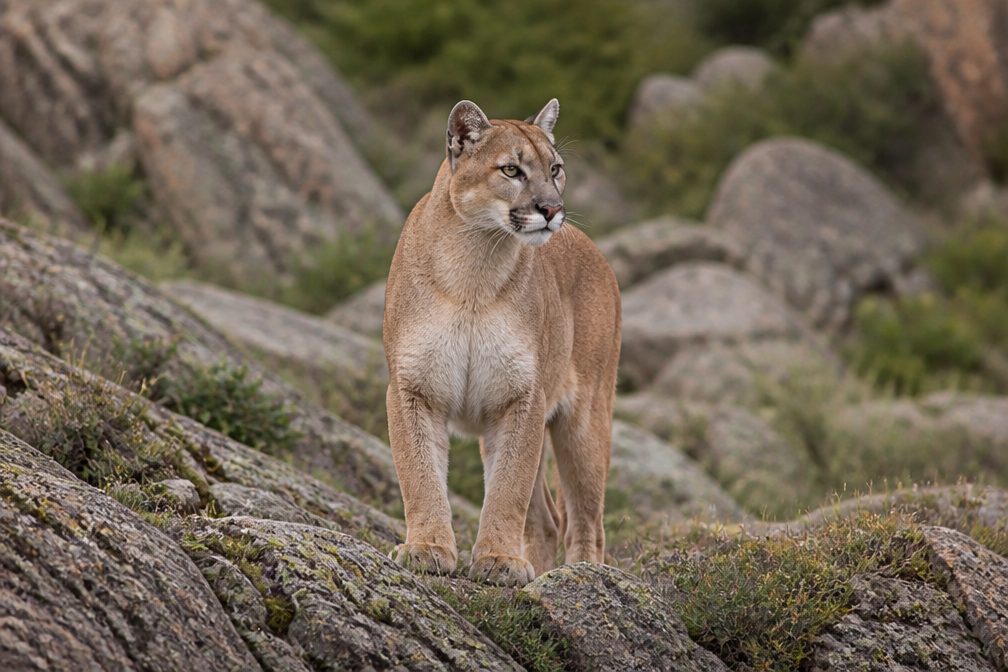 23 sightingsMountain LionMost seen around 8 PMSighting map
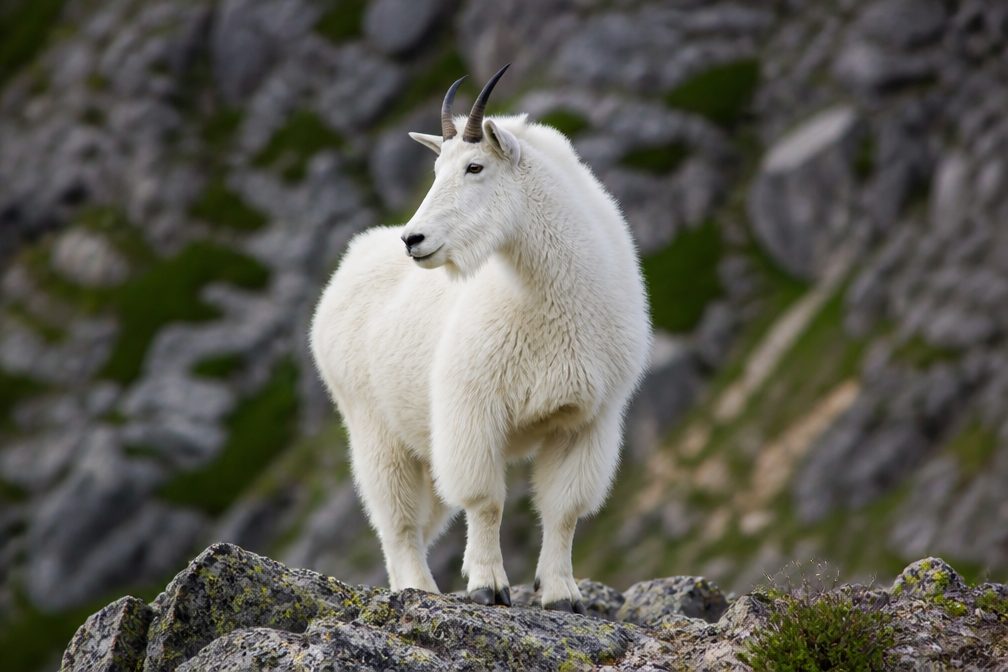 71 sightingsMountain GoatMost seen around 7 AMSighting map
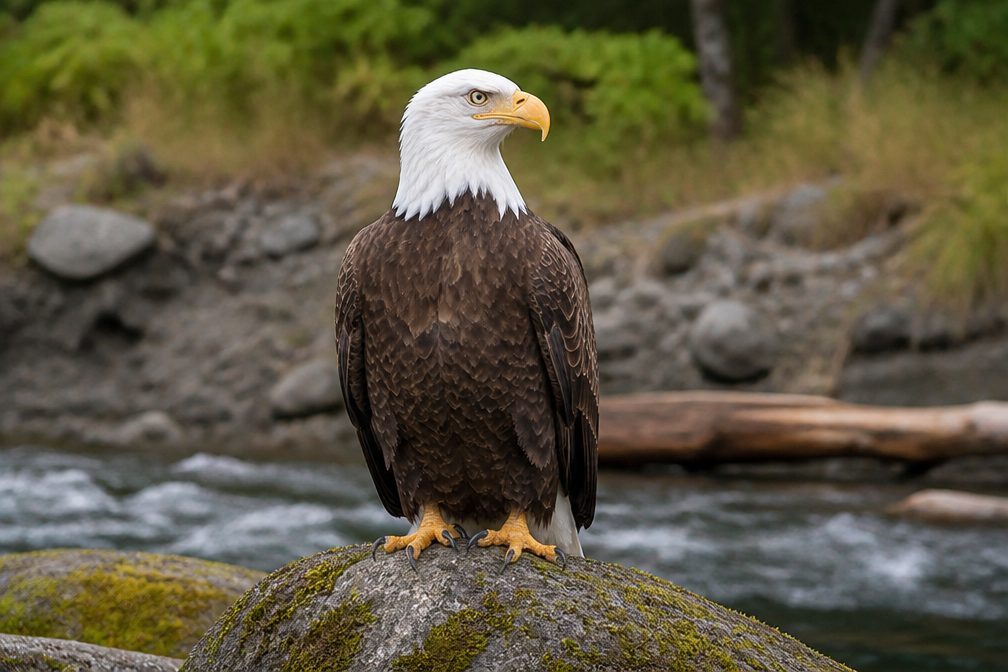 306 sightingsBald EagleMost seen around 11 AMSighting map
Sighting maps show where each species has been reported across Olympic. Wildlife moves, so no sighting is guaranteed.
Keep exploring
 ChallengingAppleton Pass Trail14.8 mi · 9 hr · At the trailheadA long climb past Sol Duc Falls to a high mountain pass.
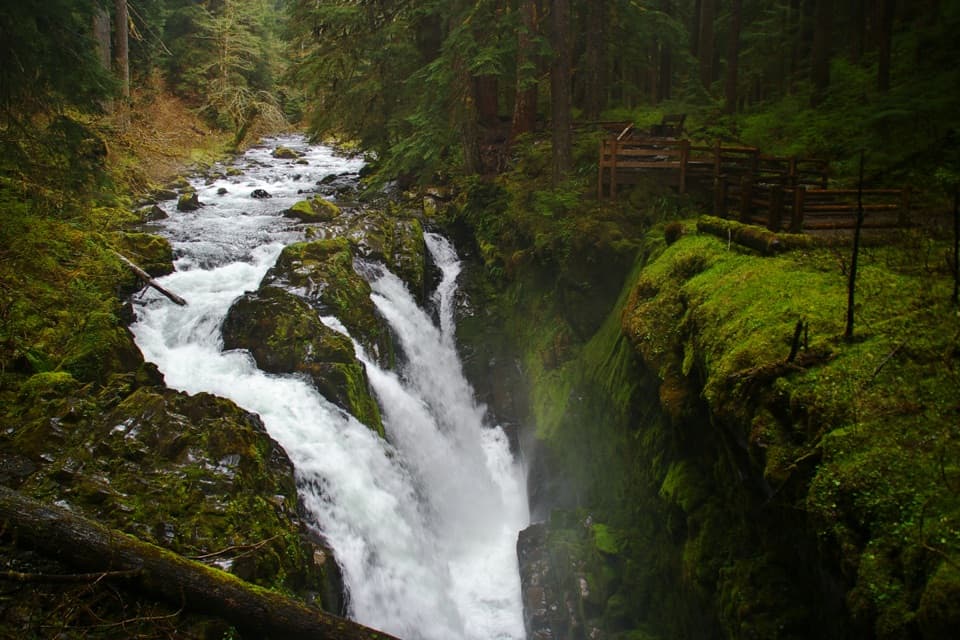 EasySol Duc Falls Nature Trail1.6 mi · 45 min · At the trailheadOld-growth shade ends at a bridge over a roaring canyon.
 ChallengingHigh Divide Loop (Seven Lakes Basin)19 mi · 12 hr · At the trailheadA long ridge loop over a basin of eight alpine lakes.ModerateLover’s Lane Loop Trail6 mi · 3.5 hr · At the trailheadA shaded river loop ends at a waterfall in old growth.
 ModerateDeer Lake Trail7.6 mi · 5 hr · At the trailheadA forest climb beside cascades ends at two nearby lakes.
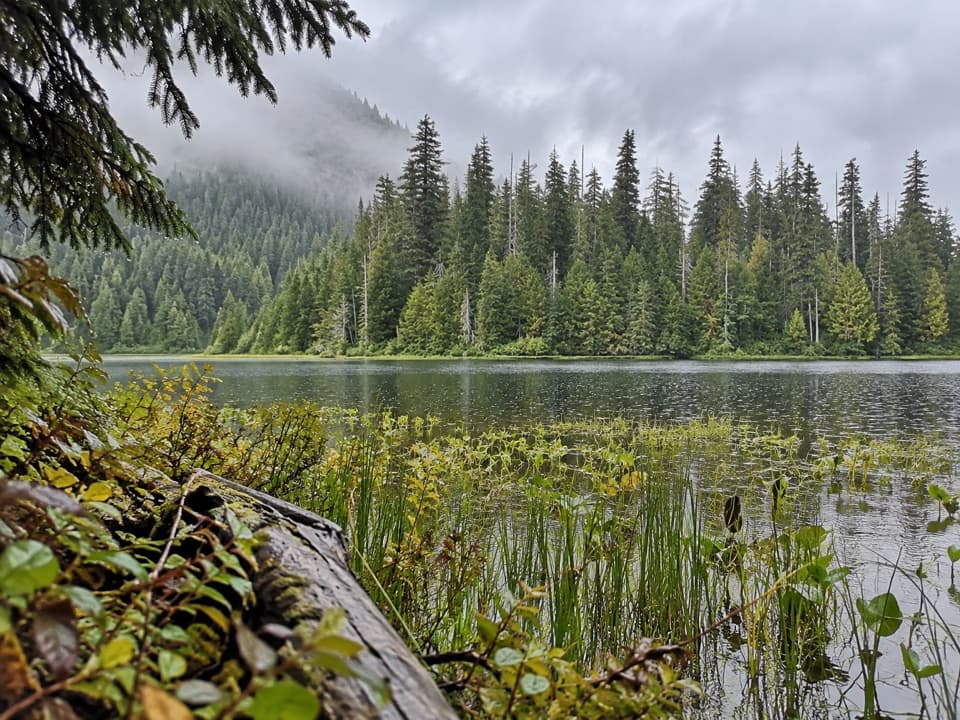 ModerateMink Lake Trail5.2 mi · 4 hr · 1.6 mi awayA steady forest climb to a small lake tucked into meadow.ModerateLunch Lake Trail1.2 mi · 1.3 hr · 3.7 mi awayA rough half-mile drop to a lake with designated campsites.
 EasyAncient Groves Nature Trail0.6 mi · 45 min · 4.7 mi awayA mossy forest loop with a much hillier tread than it looks.
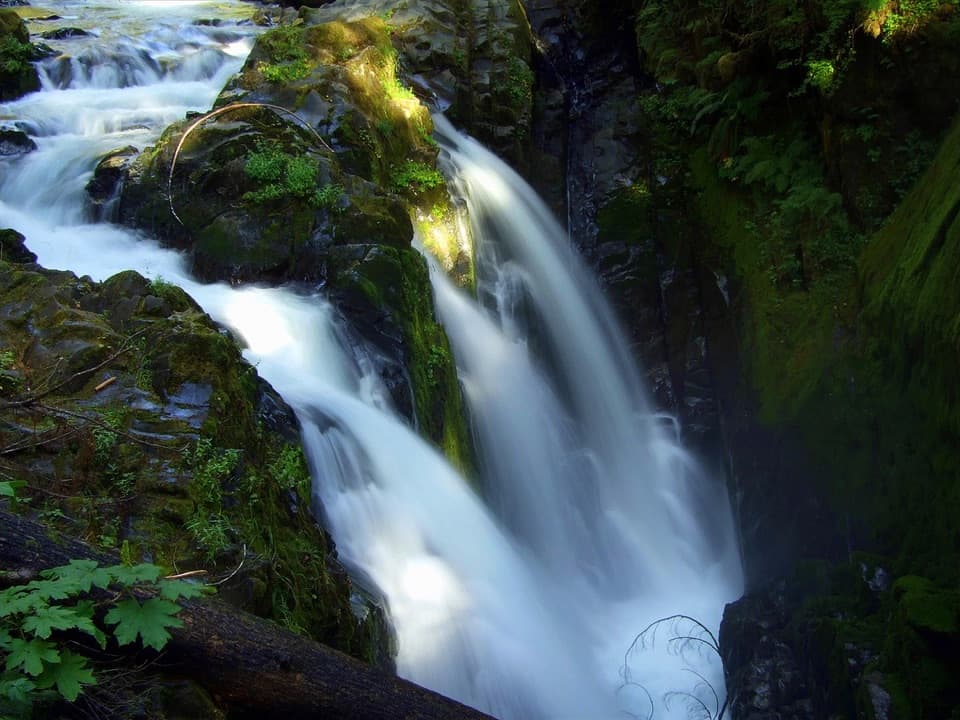 Sight · 0.8 mi awaySol Duc FallsA 48-foot cascade drops through a narrow, rocky canyon.
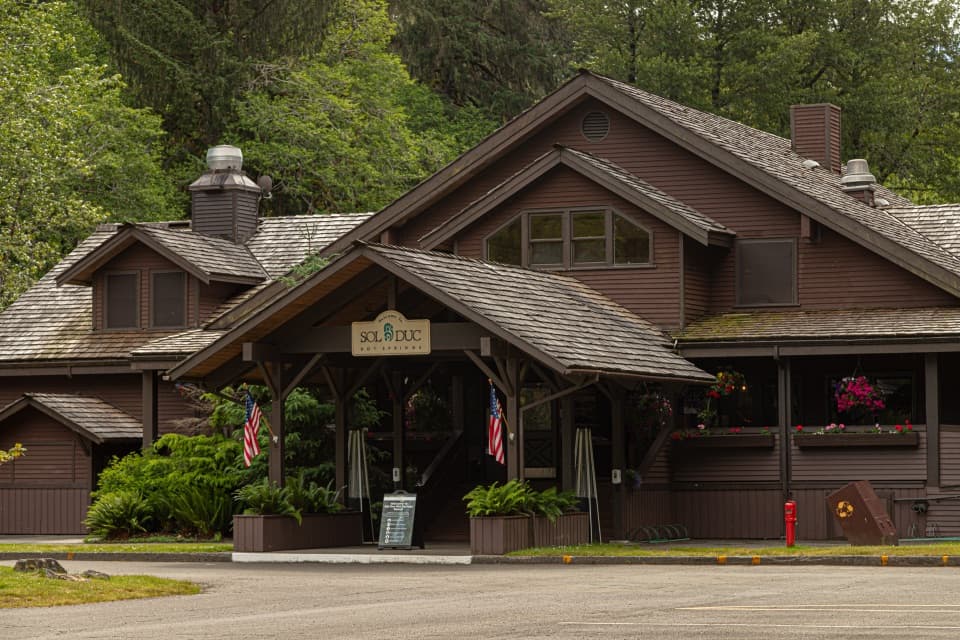 Sight · 1.6 mi awaySol Duc Hot Springs ResortThree mineral pools, plus a cooler dip in the Sol Duc valley.
 Campground · 1.6 mi awaySol Duc Hot Springs RV Park and CampgroundCamp under old-growth trees, with Sol Duc Falls nearby.
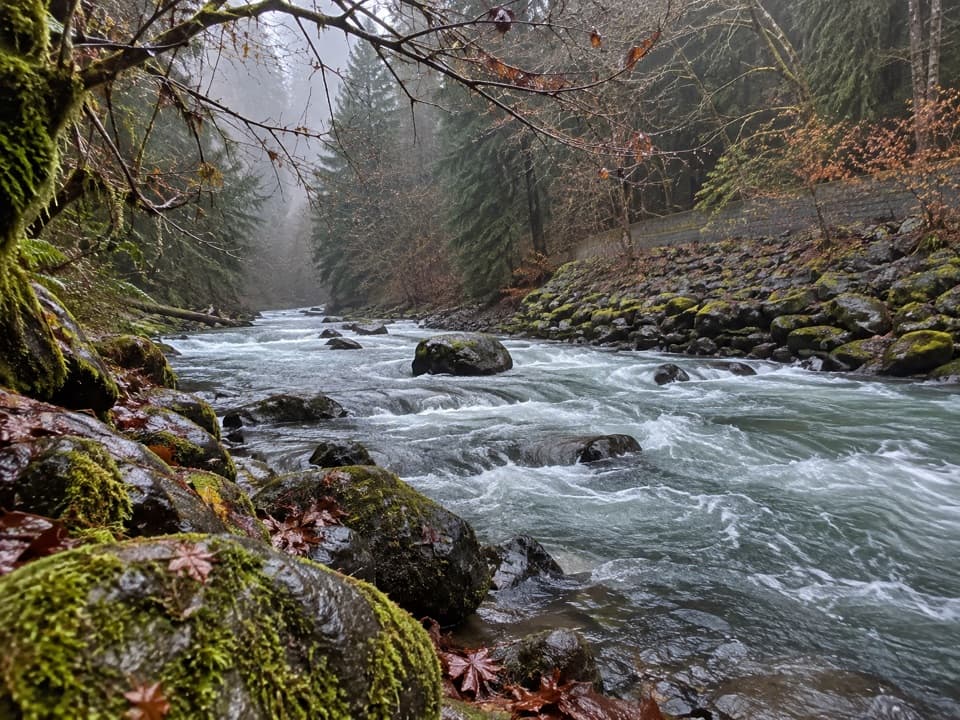 Picnic area · 5.9 mi awayPicnic Area along Sol Duc RiverA picnic break beside the Sol Duc River.
 Sight · 6.2 mi awaySalmon CascadesA short platform stop for the cascades and coho run.
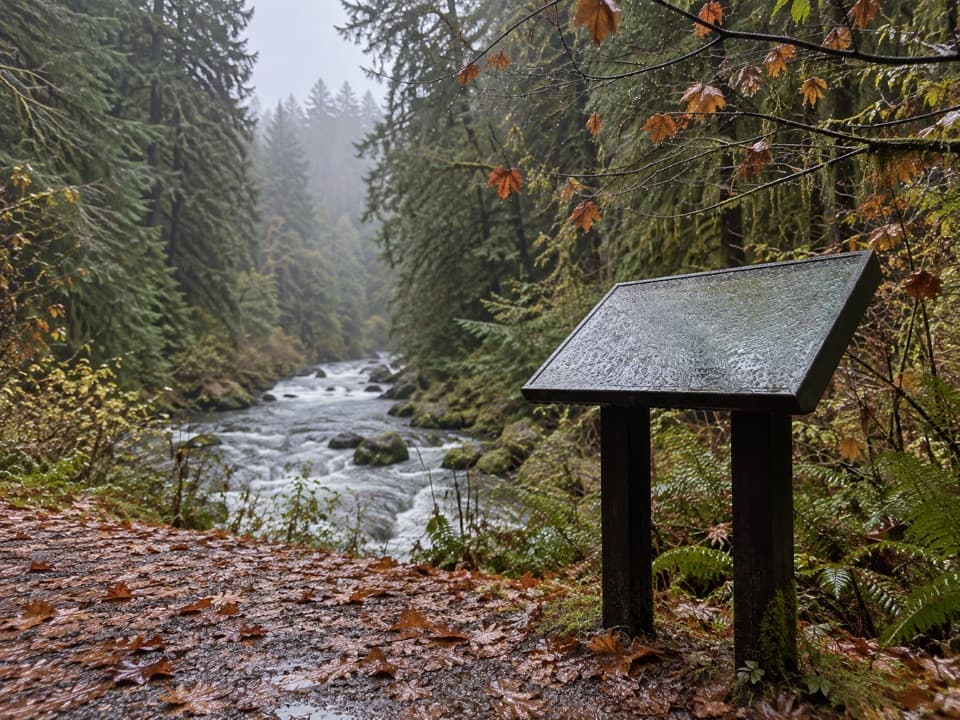 Picnic area · 6.7 mi awaySol Duc River View Picnic AreaA picnic table above the river’s fast, foamy run.
 Sight · 6.9 mi awayMarymere FallsA mossy old-growth walk ends at a two-level waterfall view.
 Picnic area · 7 mi awayLa Poel Picnic AreaFire rings, tree shade, and a glimpse of Lake Crescent.
Parkwolf’s Olympic ranking

The audio tour guide for the drive, plus offline maps, trails, and wildlife heatmaps for when the signal drops.


