
Place · 3.8 mi away
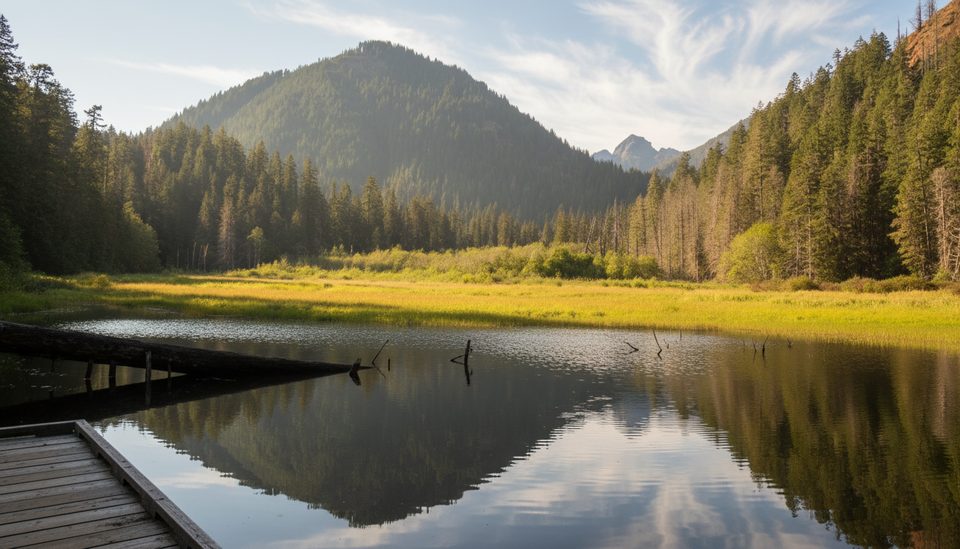
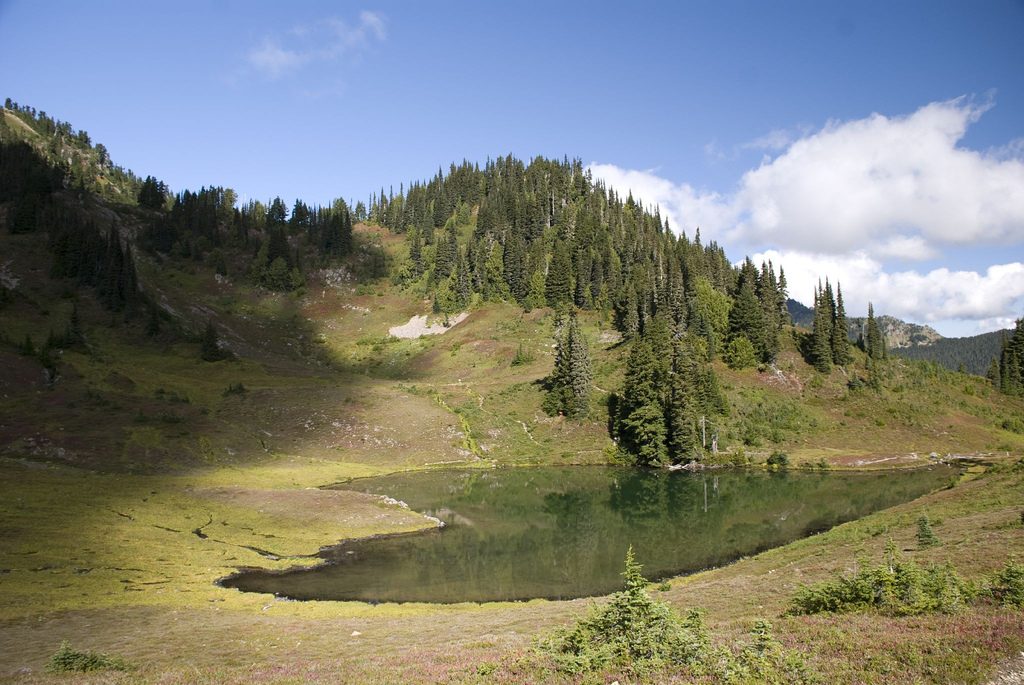
Elk Lake is a remote alpine basin reached along the upper Hoh River Trail, about 15 miles from the rainforest trailhead. It’s more waypoint than destination: a classic rest-and-refuel stop before the steep push to Glacier Meadows and the Mount Olympus climbing route. Expect solitude, big mountain ambiance, and very minimal amenities.
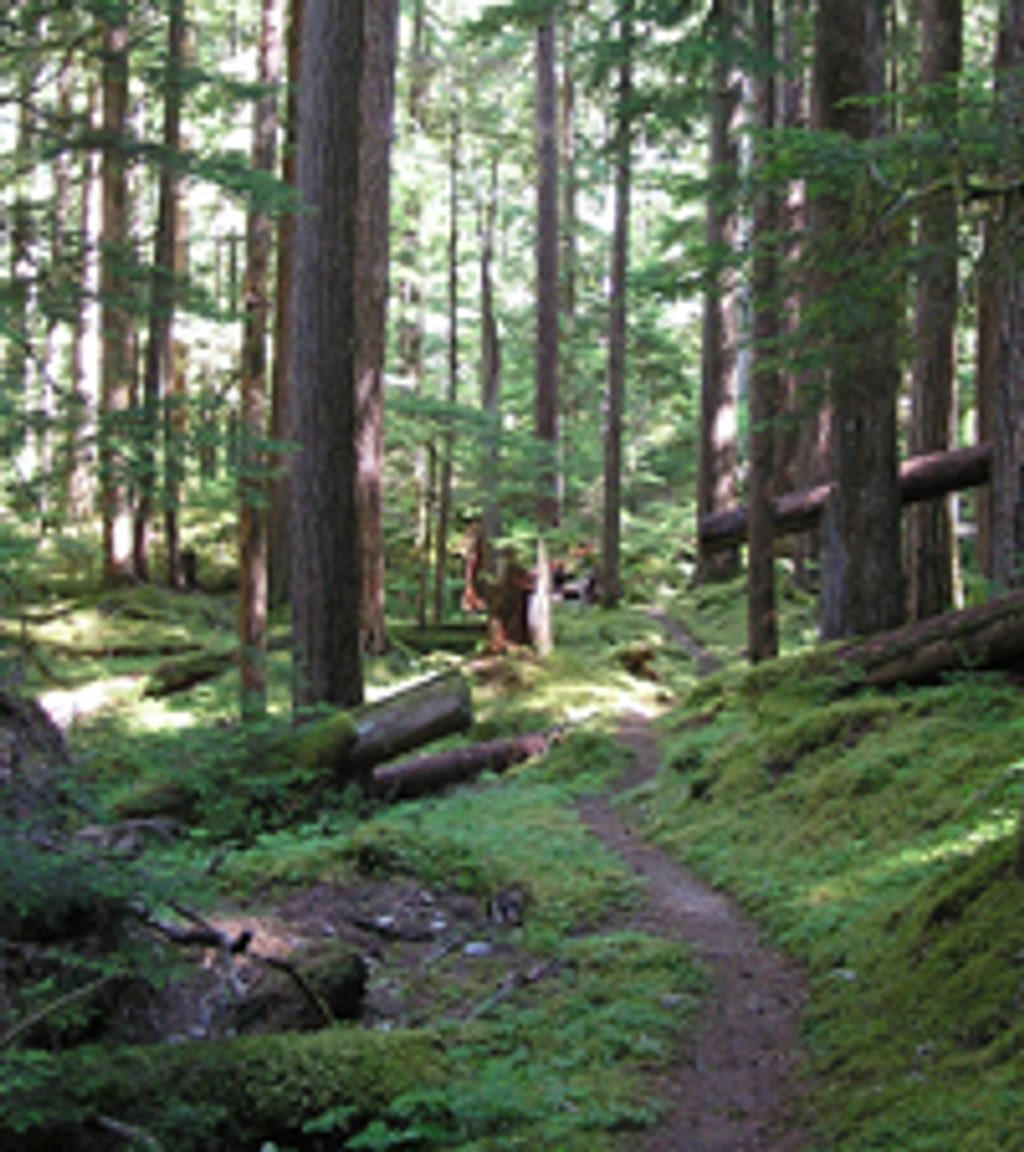
The approach climbs through mossy old-growth into higher, wilder country. Around the lake, the terrain turns boggy and open, with forested slopes and snow-capped ridges looming above. The main trail doesn’t hug the shoreline; a small path from the emergency shelter leads toward the water.
This is designated backcountry camping with primitive sites and no frills. The lakeshore is marshy, so flat, dry ground can be scarce. There’s a basic emergency shelter close by—useful in a pinch, but don’t count on space or comfort. Bear activity is common in the upper Hoh corridor; follow food-storage rules (bear canisters recommended) and keep a clean camp. Fires aren’t allowed here; bring a stove.
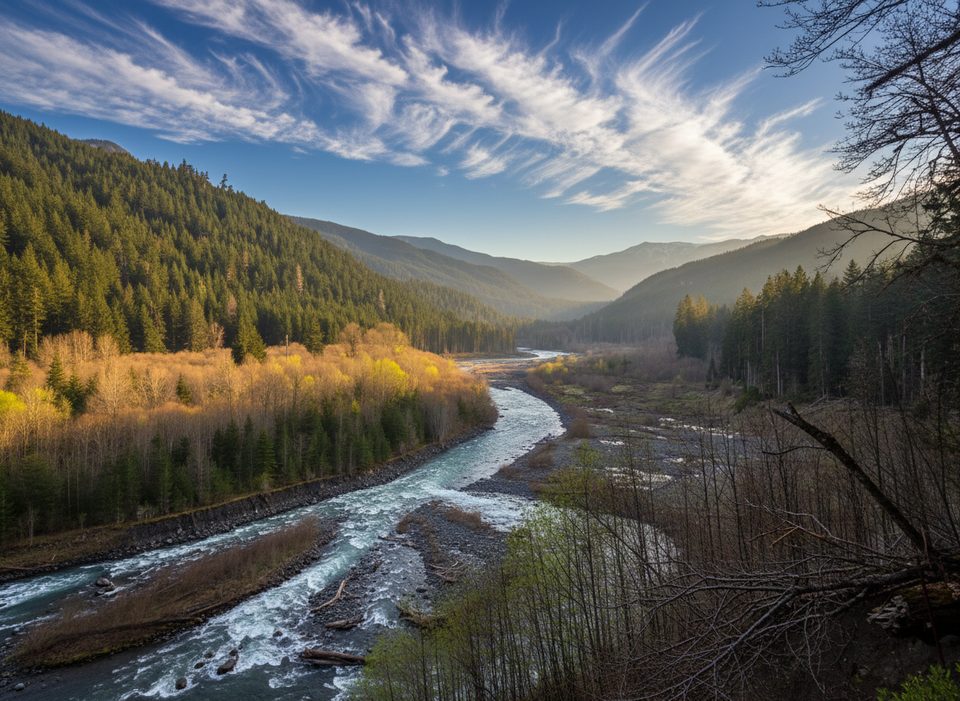
Early season snow can obscure the route, and lingering snowfields are common higher up. Expect stream crossings (including one not far past the lake) and shifting gravel bars that demand attention to cairns and safe lines. Above Elk Lake, the terrain steepens toward Glacier Meadows and is not a winter destination due to avalanche risk. Weather is fickle year-round; plan for rain and cold even in summer.
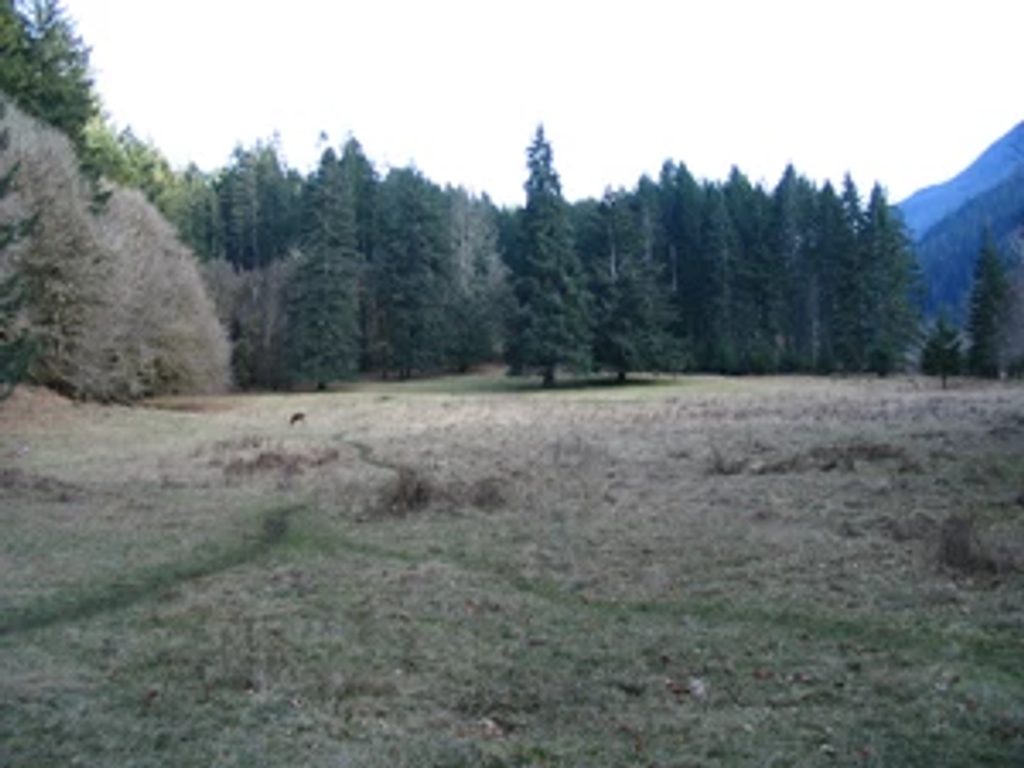
Deer, elk, black bears, squirrels, and a healthy mix of alpine and forest birds frequent the area. You’re more likely to see wildlife at dawn and dusk along meadow edges and quieter stretches of trail. Give animals space and store food properly.
Backpackers and climbers will appreciate Elk Lake as a strategic overnight on multi-day itineraries. It’s usually too far for day hikers to reasonably target as a turnaround, and the lakeshore itself isn’t ideal for lingering.
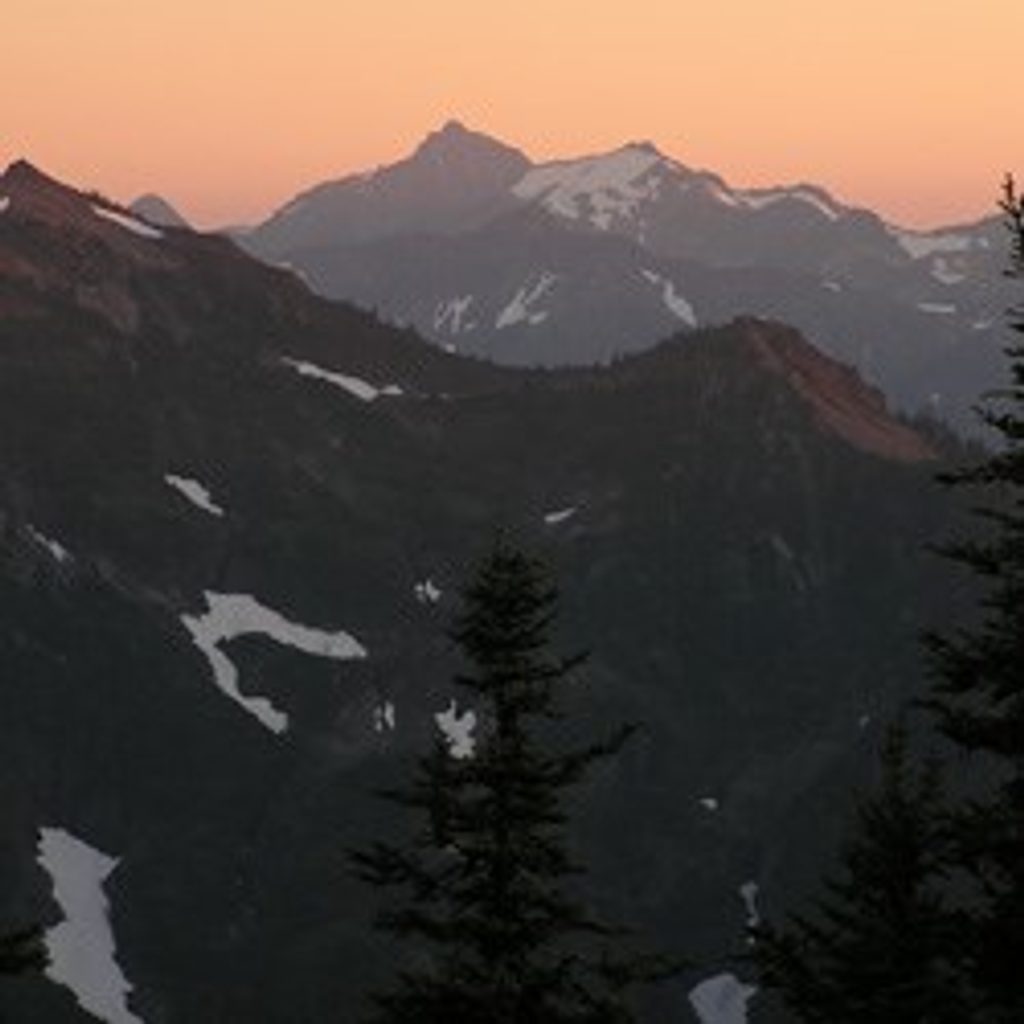
Late July through September offer the most reliable snow-free travel. Weekdays are quieter than weekends, but this upper section of the Hoh is never as crowded as the rainforest below. For photos, aim for early morning or evening when wind drops and ridges glow—midday light can feel flat and the breeze often ripples the lake surface.
Place · 3.8 mi away
Place · 4.5 mi away
Place · 5 mi away
Place · 6.2 mi away
Challenging · 8.8 mi away
Moderate · 8.8 mi away
Easy · 8.8 mi away
Challenging · 8.8 mi away

Parkwolf Tour Guide
