
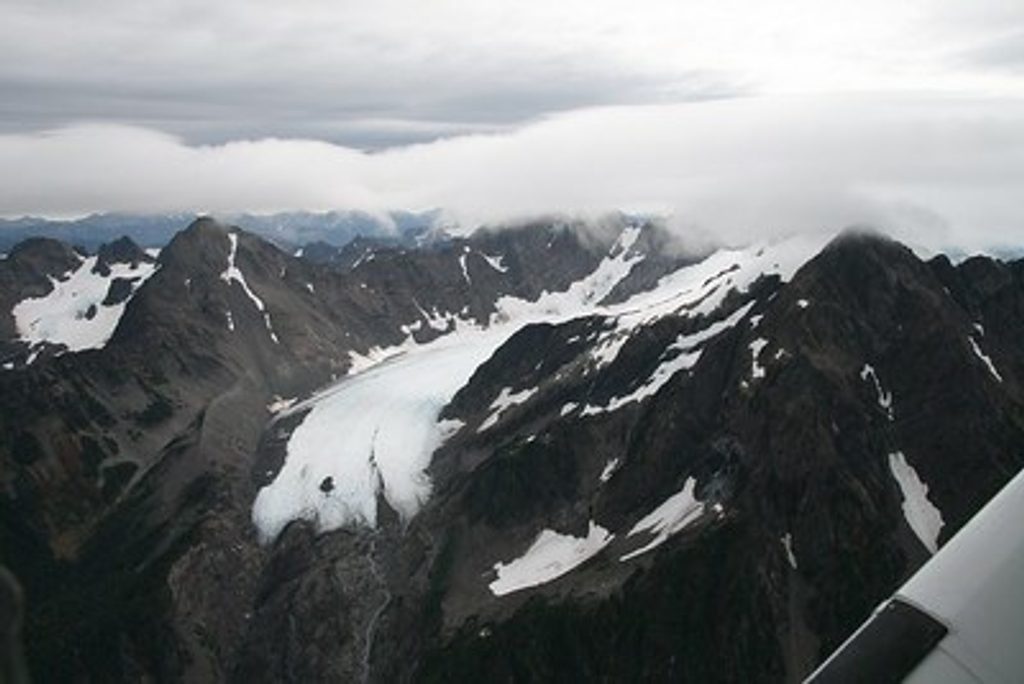
Place · 0.8 mi away
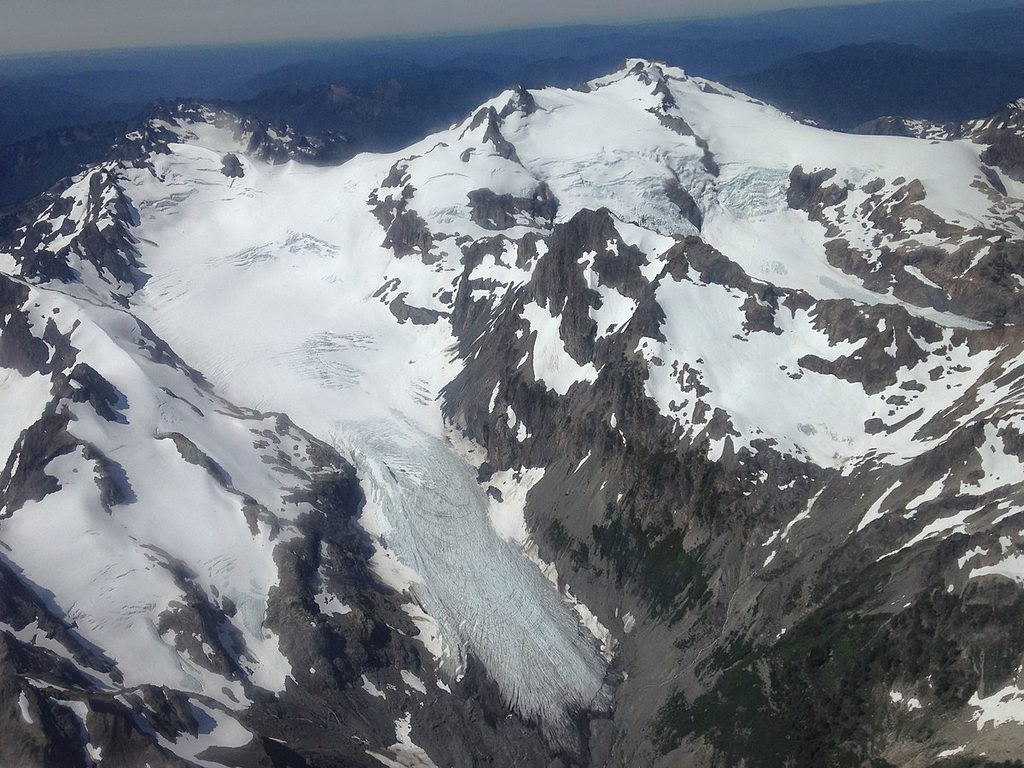
Mount Olympus is the park’s crown jewel—remote, glaciated, and undeniably grand. Getting there is half the magic: you hike from moss-draped temperate rainforest to crevassed ice in a single trip. It’s the tallest peak in the range and the defining alpine objective here, but it’s not a casual day hike.
The standard approach is the Hoh River Trail to high camps near Glacier Meadows/Caltech Rocks—roughly 17.5 miles one way before the technical summit push. Expect crevasse navigation, rope work, a short rock scramble, and full glacier kit. Typical parties spend 3–5 days; strong teams occasionally move faster. The trail can be a slog on the way out, and conditions often include mud, blowdowns, and lingering snow early in the season.
Wilderness camping permits are required and can be snapped up quickly when they’re released. Popular high camps like Elk Lake and Glacier Meadows see the most competition—holiday weekends (think July 4) are especially tough. Rangers rent bear canisters, and proper food storage is mandatory. The practical climbing window runs late spring through early fall; always check current park alerts and the official climbing page before committing. At the Hoh River Trailhead, parking fills early—reports note it can be full by 8 a.m.
Elk are common along the Hoh, and you may encounter black bears, marmots, mountain goats, deer, and a variety of birds as you climb into the alpine. Keep your distance and store food in a bear canister.
This is real mountaineering: rope, harness, crampons, ice axe, helmet, and crevasse rescue gear, plus solid navigation (map/compass/GPS). Add dependable rain protection, warm layers, sun protection for glacier glare, a water filter, and a lightweight backcountry kit.
Late spring to early fall, targeting stable weather windows for the climb and views. Avoid holiday weekends if you’re angling for high-camp permits, and start early at the Hoh trailhead to beat parking crunch.
Place · 0.8 mi away
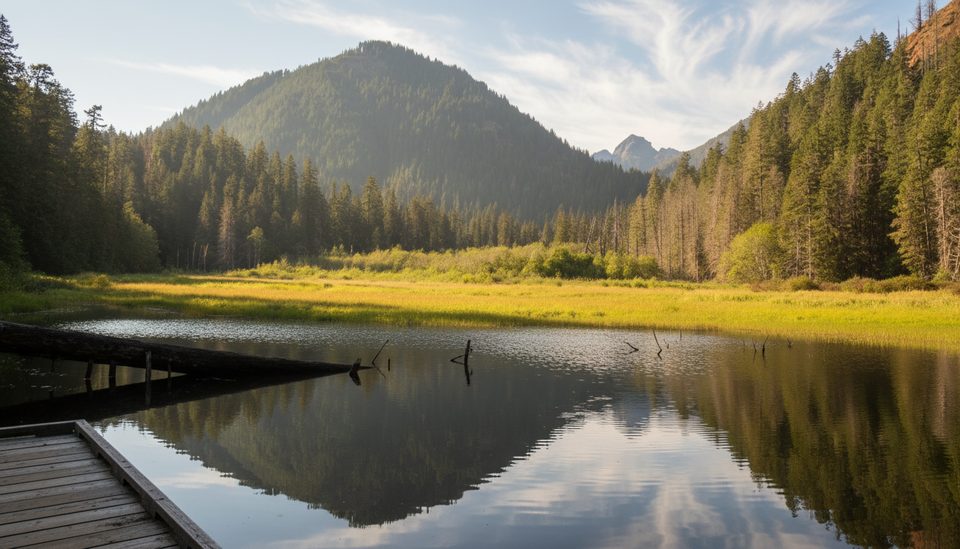
Place · 4.5 mi away
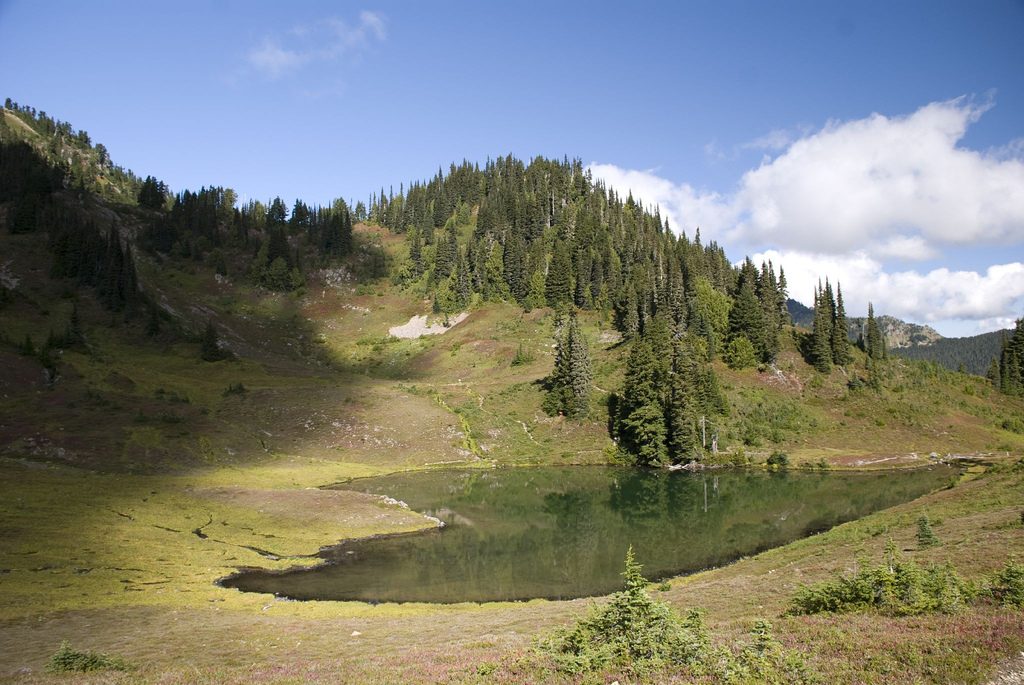
Place · 7.7 mi away
Place · 7.8 mi away
Easy · 11.3 mi away
Easy · 11.3 mi away
Challenging · 11.3 mi away
Easy · 11.4 mi away

Parkwolf Tour Guide
