
Place · 0.8 mi away
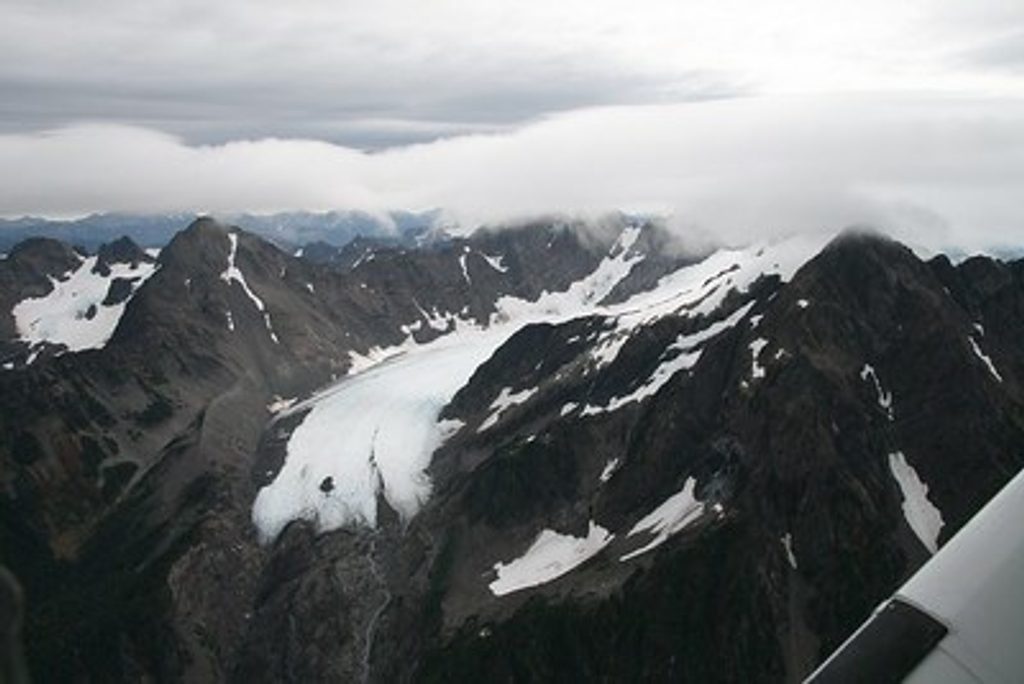
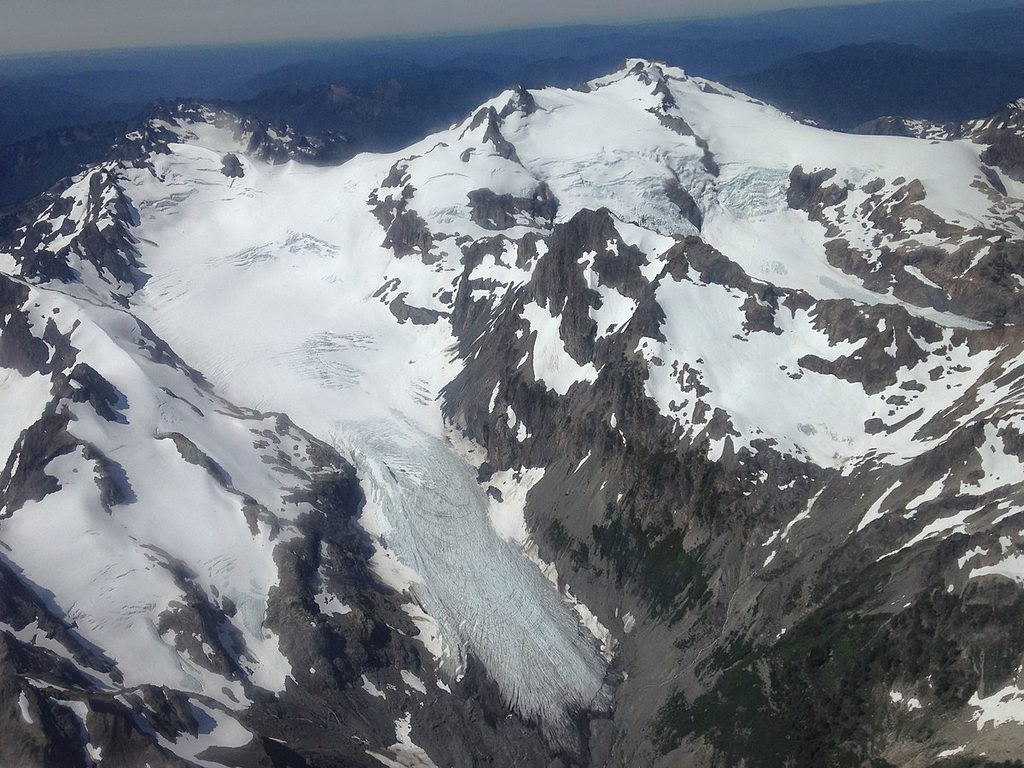
Blue Glacier is the showpiece ice on the north side of Mount Olympus, a remote backcountry objective reached via the Hoh River Trail. It’s a rewarding, commit-and-earn-it kind of trip: ancient rainforest, wildflower meadows, and finally a high-alpine amphitheater of blue ice, crevasses, and seracs.
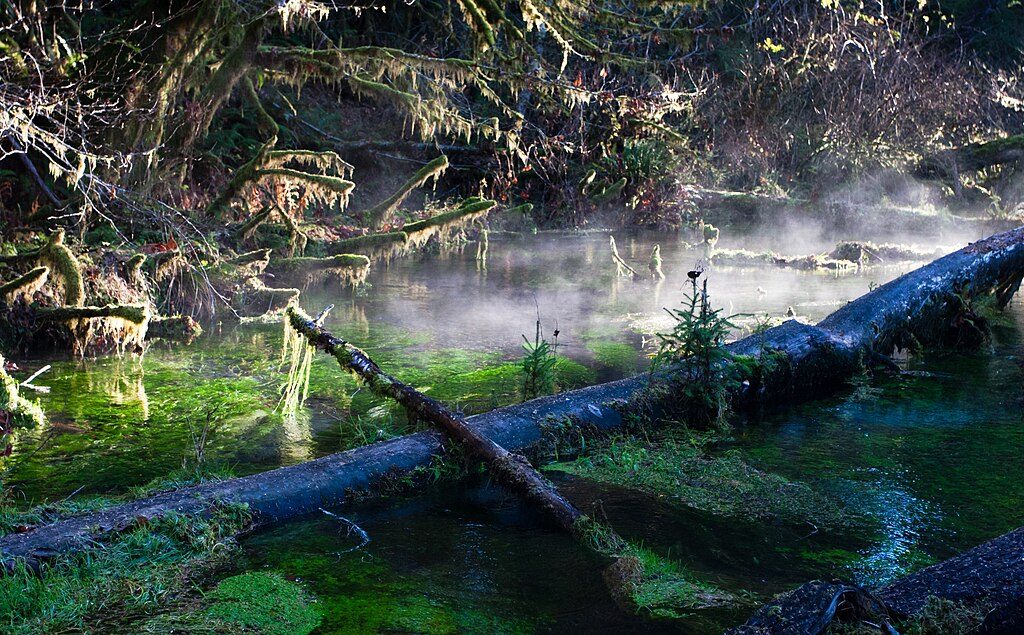
The journey starts in the moss-draped Hoh Rainforest and gradually climbs into open alpine terrain. Classic views are from the lateral moraine, where the glacier’s blue tint and fractured surface are on full display and Mount Olympus looms above. Highlights along the way include the Hoh’s milky glacial water, old-growth giants, and wildflower meadows.
Elk, deer, black bears, and marmots are commonly reported, with occasional mountain goats higher up. Jays, woodpeckers, and raptors patrol the forest and ridgelines. In the river below, salmon and trout ride the glacier’s meltwater.
Summer through early fall offers the safest travel after high snow melts. Crowds thin dramatically the farther you go from the Hoh trailhead; the upper basin is often quiet despite the Hoh’s popularity.
Blue Glacier sits only about 55 km from the Pacific—unusual for a large North American glacier—and has a long history of scientific monitoring. Its ongoing retreat mirrors broader trends across the Olympics, making it both a scenic destination and a living research site.
Place · 0.8 mi away
Place · 3.8 mi away
Place · 7.7 mi away
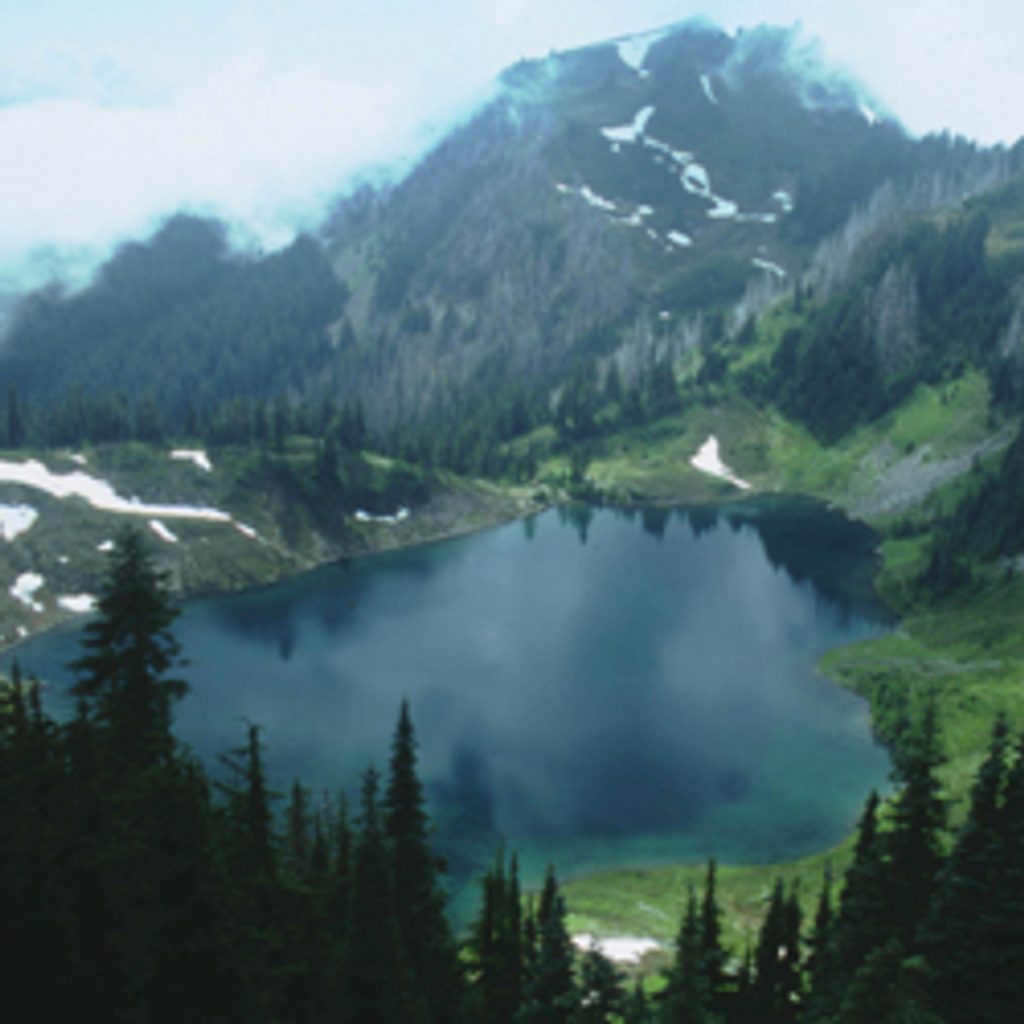
Place · 8 mi away
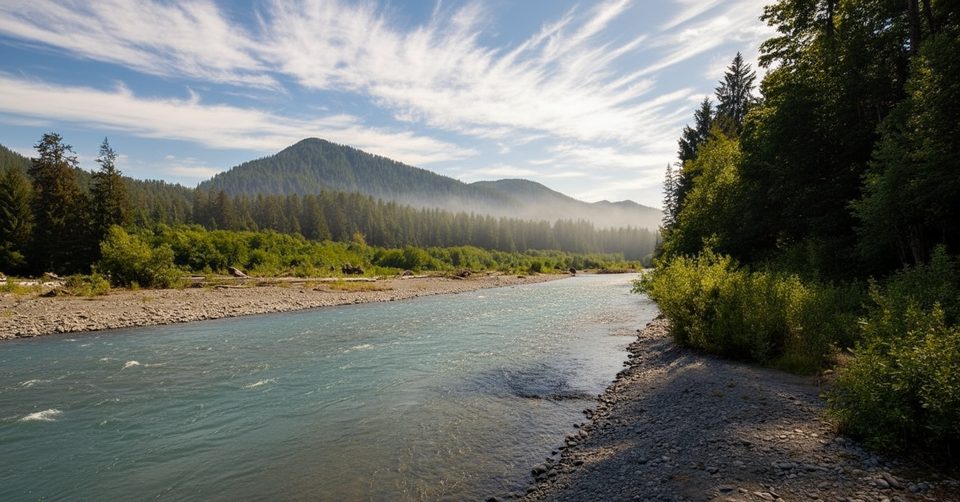
Easy · 12 mi away
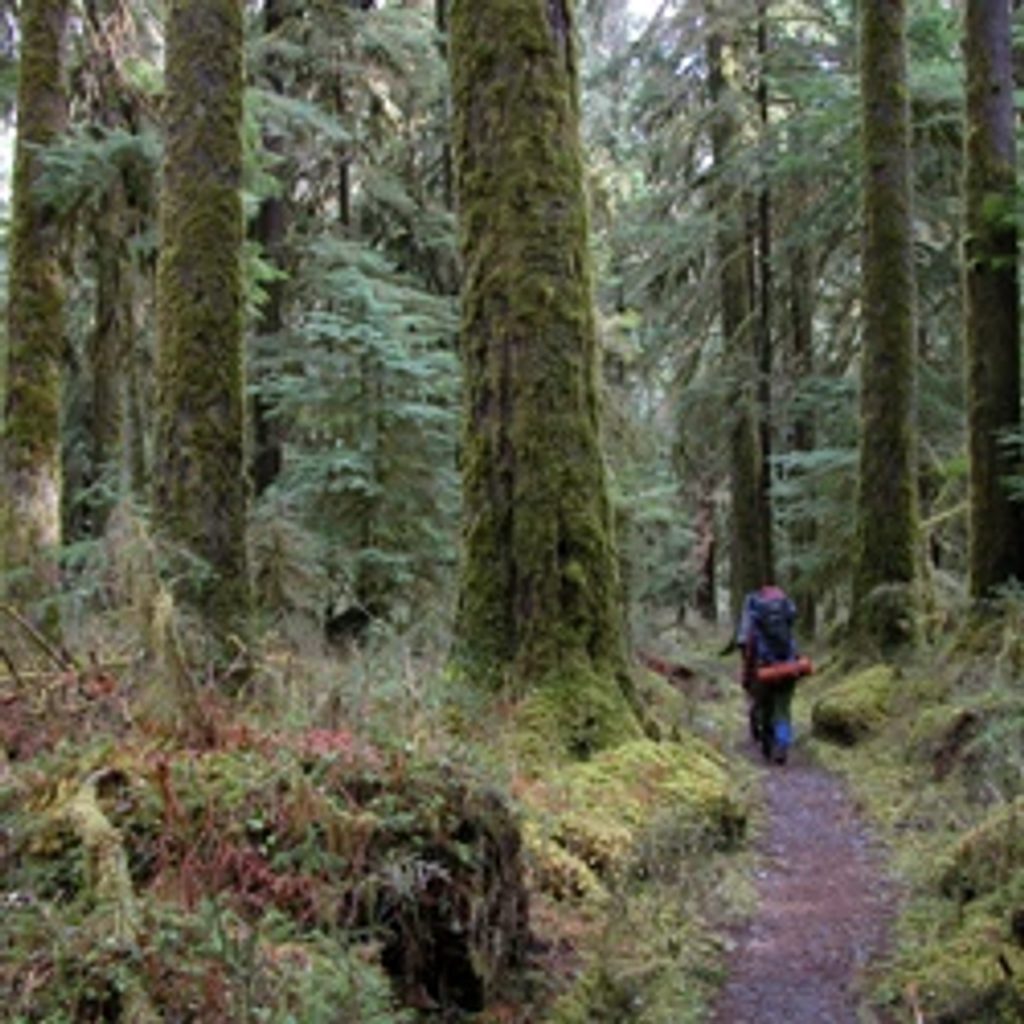
Easy · 12 mi away
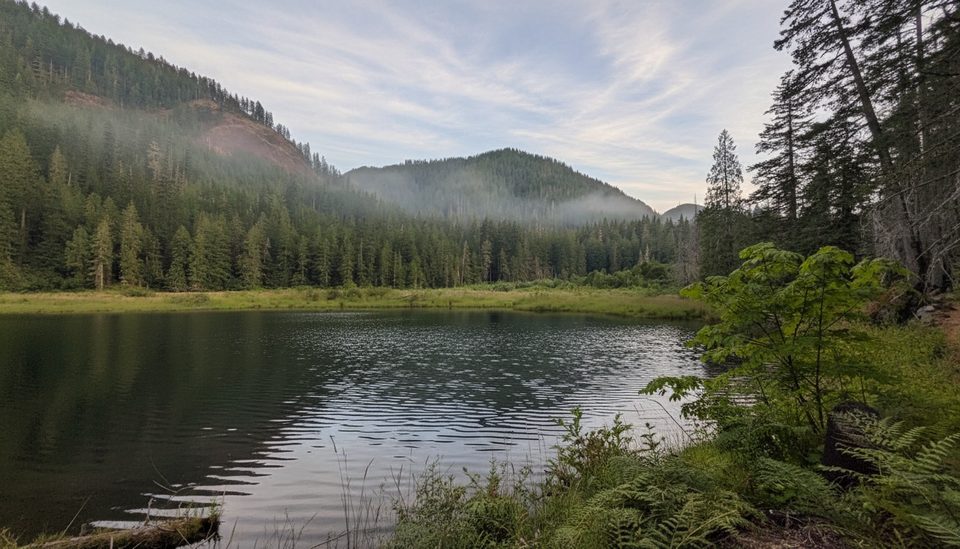
Challenging · 12 mi away
Easy · 12.1 mi away

Parkwolf Tour Guide
