
Place · 1.2 mi away
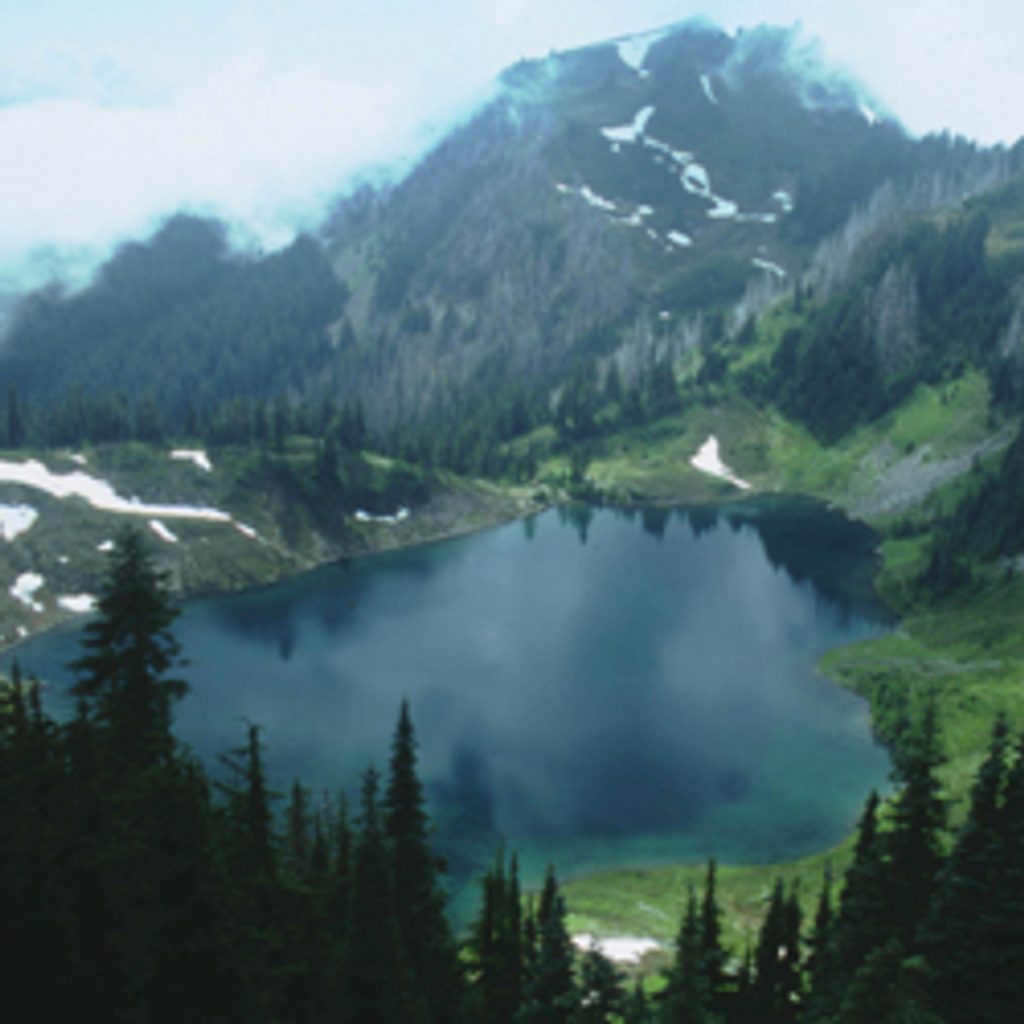
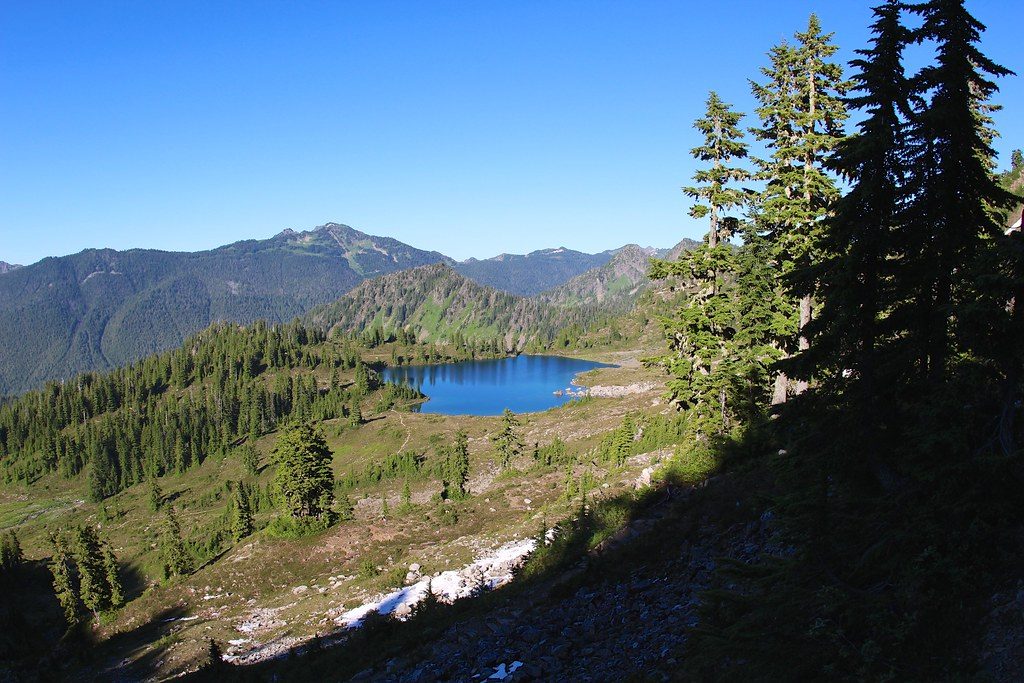
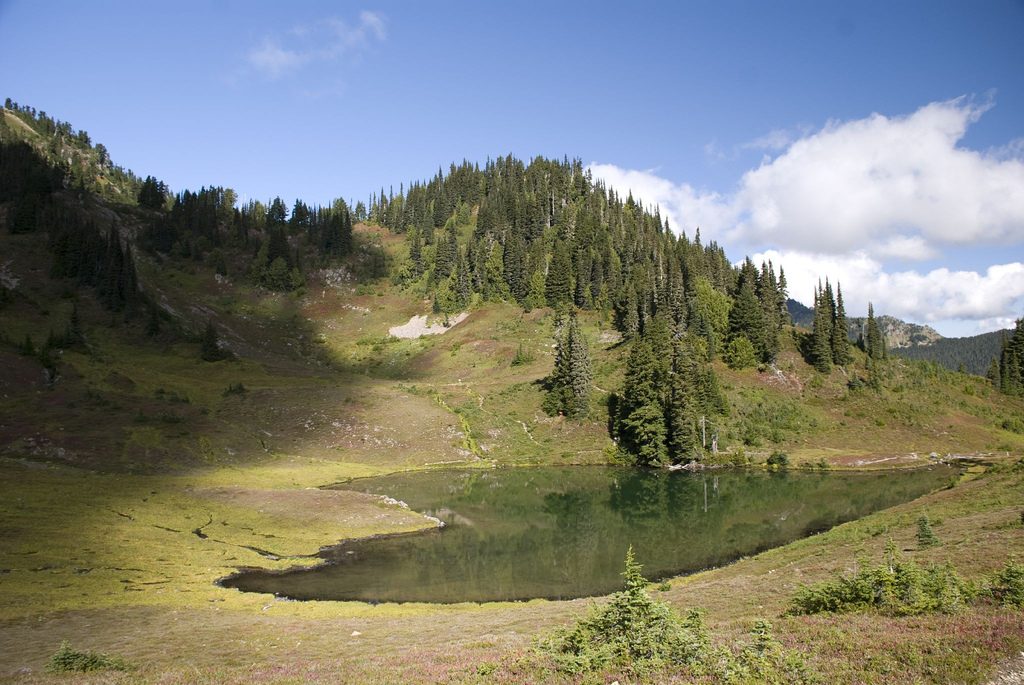
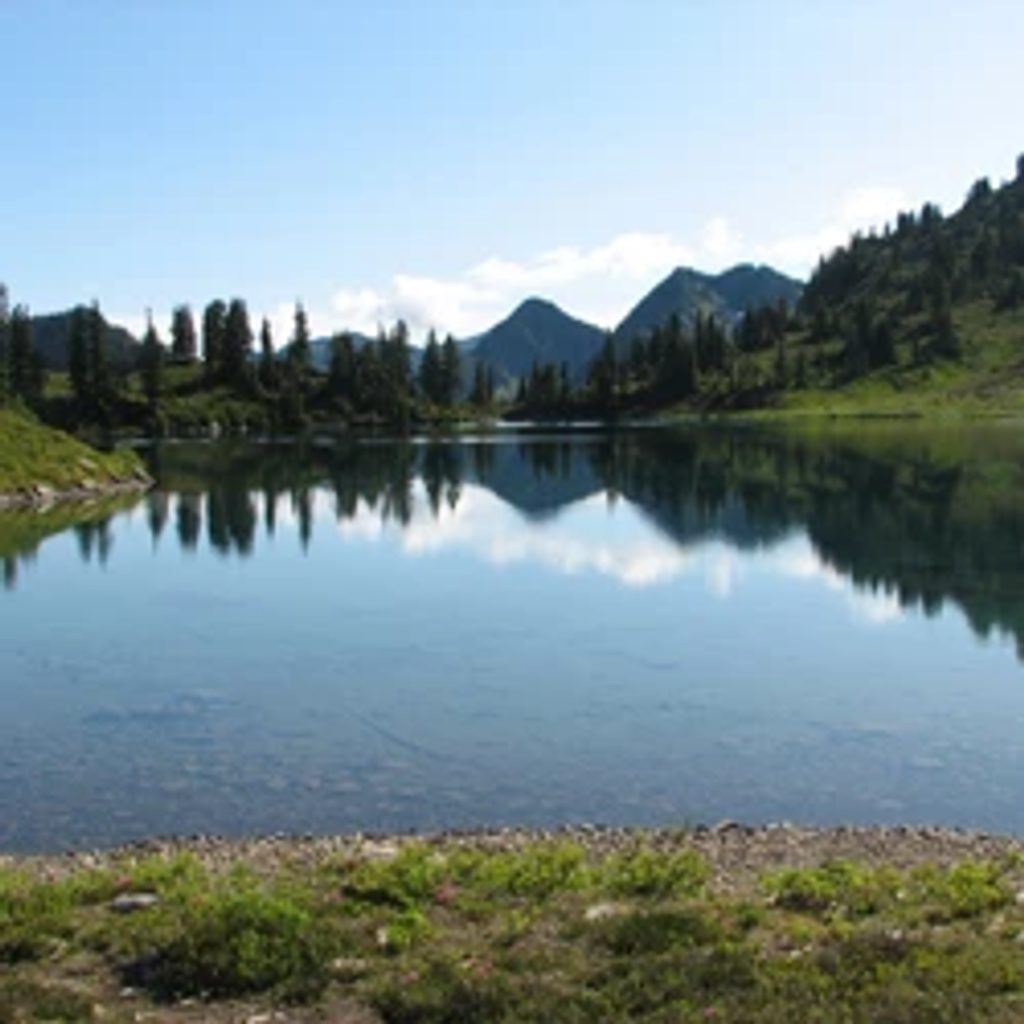
Hoh Lake is a remote, high-country gem perched above the Hoh River valley near Bogachiel Peak. It’s the payoff for a big climb out of the rainforest: a quiet alpine lake ringed by meadows, ridgelines, and wide-open views that feel a world away from the crowds below.
The hike here packs a dramatic ecosystem shift—dripping temperate rainforest gives way to wildflower meadows and clear, reflective water. On clear days, you’ll snag vistas toward the High Divide and Mount Olympus. The nearby CB Flats area adds aquamarine ponds and broad subalpine scenery.
Expect subalpine meadows, ridgeline viewpoints, and a photogenic lake that often mirrors the surrounding peaks. Summer brings wildflowers; avalanche lilies can be the early show. Mid‑summer huckleberries attract black bears, and you might also encounter marmots, deer, mountain goats, and raptors. Lower on the approach, the rainforest hosts banana slugs and salamanders.
Reach it via the Hoh River Trail, then grind up the steep Hoh Lake spur—it’s sustained and strenuous, with a big elevation gain (think thousands of feet and a long series of switchbacks). Many backpackers link Hoh Lake with the High Divide corridor toward Heart Lake.
There are designated backcountry camps at the lake, plus a composting toilet—luxury by high-country standards. Treat all water from the lake. Wilderness permits are required for overnight trips, and bear canisters are the standard for food storage. Stock is day‑use only here.
Best window is late July through September after the snow melts. Early season can mean lingering snowfields, tricky route-finding, and occasional need for snow travel know‑how. Summer mosquitoes can be pesky; mid‑July berries bring both beauty and bear activity.
Aim for midweek if you want maximum solitude at camp. Start the climb early for cooler temps and softer light, and plan sunset or calm morning shots for the best lake reflections. Always check current NPS trail and wilderness notices before you go.
Go low and wide for lake‑and‑peak reflections, and bring a polarizer to tame glare on the water. Wildflower season adds color to foregrounds; wildlife viewing is best at dawn and dusk—observe from a distance.
Place · 1.2 mi away
Place · 1.3 mi away
Place · 1.9 mi away
Place · 2.6 mi away
Challenging · 4.5 mi away
Challenging · 4.5 mi away
Challenging · 4.5 mi away
Challenging · 4.5 mi away

Parkwolf Tour Guide
