
Place · 0.9 mi away
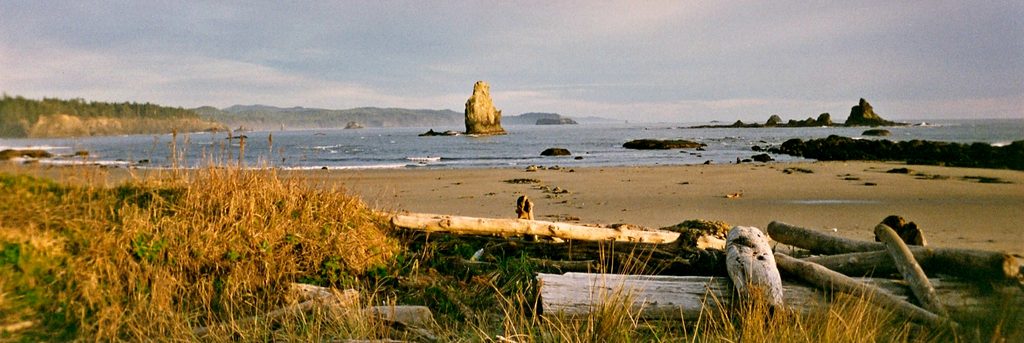
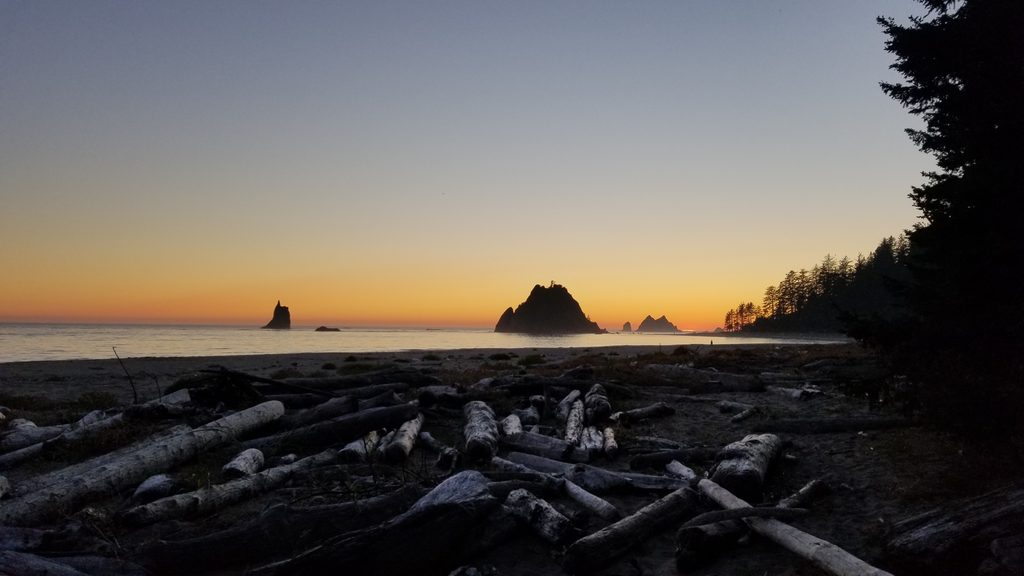
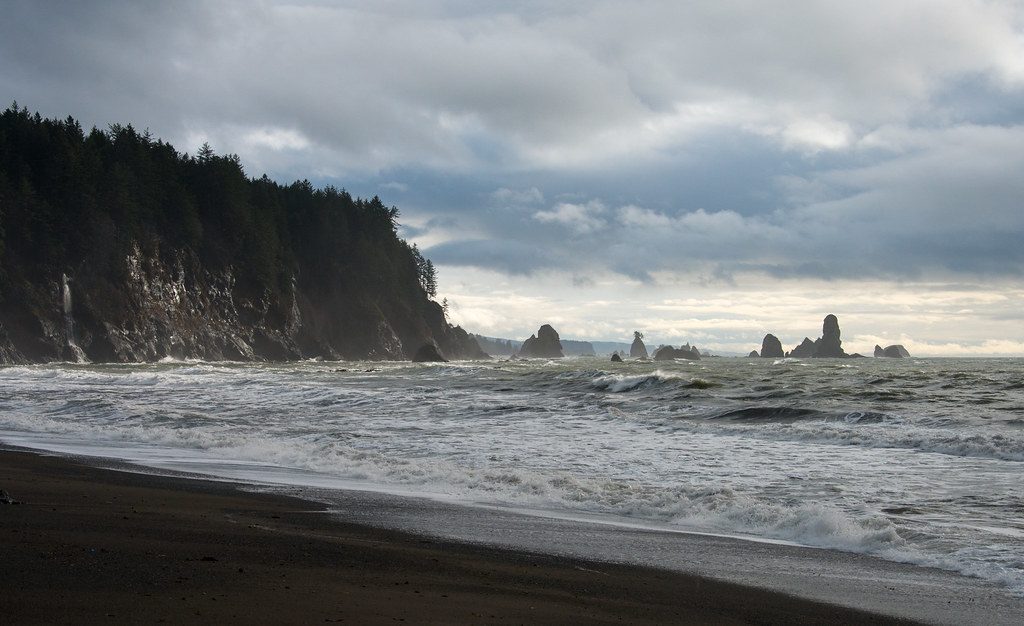
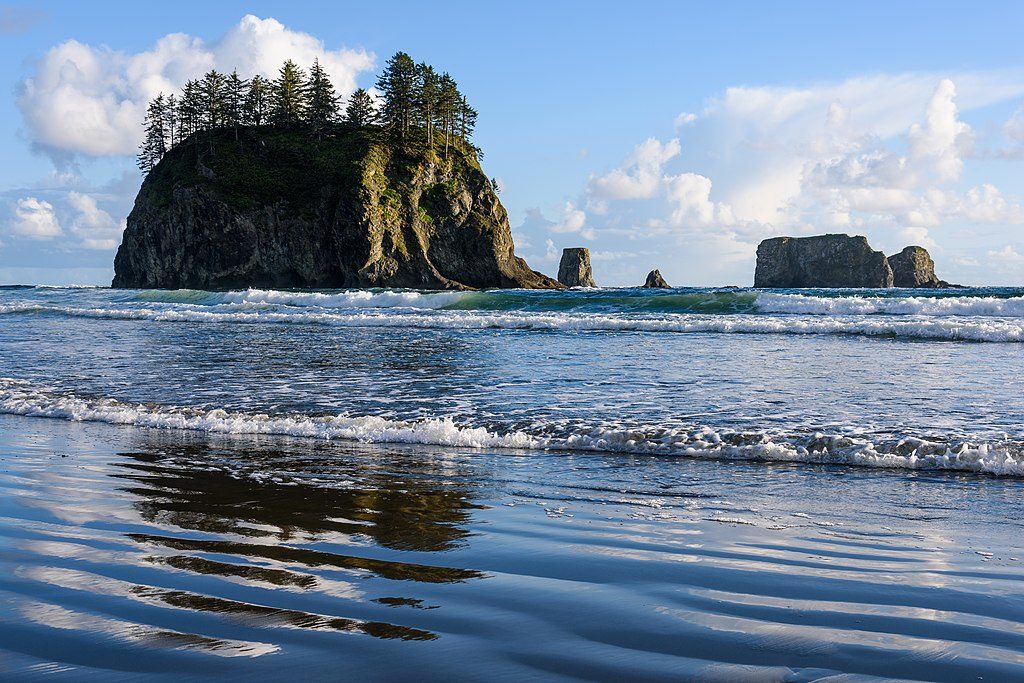
A classic stretch of the park’s wilderness coast, Toleak Point delivers an overnight-on-the-ocean feel: sea stacks crowd the horizon, tidepools dot the rocks, and camps are tucked in the fringe of rainforest just above the sand. It’s remote enough to feel wild, yet popular with backpackers who come for sunsets and the sound of surf.
Most people start at the Third Beach trailhead and hike roughly 6.5 miles one way to Toleak Point. The route mixes beach walking with steep headland crossings that use fixed ropes, ladders, and muddy scrambles. Several headlands are only passable at lower tides, so planning around a tide chart is non‑negotiable.
Campsites sit on both sides of the point, generally in the trees at the beach edge. A basic pit toilet is just north of the point, and a reliable creek about 0.2 miles south provides water (treat before drinking). There’s an old emergency shelter nearby that’s very run‑down—think last resort only.
Toleak’s cluster of offshore sea stacks creates a photogenic foreground for fiery sunsets and even night photography when skies cooperate. On foggy mornings, the stacks slowly emerge as the haze burns off—a distinctly coastal mood you won’t get inland.
Expect regular seal sightings just offshore and bald eagles cruising the beach; otters, raccoons, and deer are also reported. In March–April and again around October, watch for gray whales migrating past. Low tide reveals lively tidepools—go gently and leave creatures undisturbed.
Overnight camping requires a wilderness permit, and a bear canister is mandatory due to crafty raccoons and bears. Cell service is essentially nonexistent; bring a map or GPS and be fully self‑sufficient. Time your headland crossings for low tide and be prepared for rain, mud, and slippery logs.
If you’re up for a moderately challenging coastal backpack, yes—Toleak Point is one of the park’s most rewarding beach camps. If you want easy views from the car, skip it; if you want sea stacks, surf, and stars from your tent, put it high on the list.
Place · 0.9 mi away
Place · 3.7 mi away
Place · 5.1 mi away
Place · 6.4 mi away
Easy · 4.7 mi away
Challenging · 4.7 mi away
Moderate · 4.7 mi away
Easy · 5.8 mi away

Parkwolf Tour Guide
