Parking
Use the signed Second Beach trailhead lot off La Push Road, about 14 miles west of U.S. 101. Parking is on Quileute Tribal Lands and requires paid day-use parking; check current payment instructions before arrival.
#10 of 148 trails in Olympic
Olympic National Park, WA
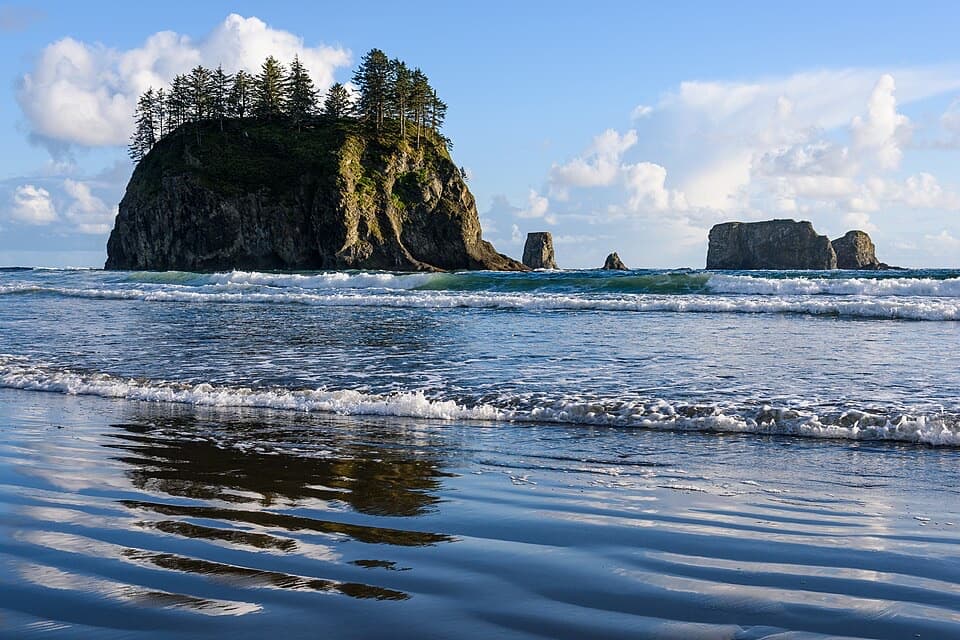
A rooty forest trail drops to tide pools beneath sea stacks.
Overview
Map & elevation
Plan your hike

The highest, rockiest slopes around here are a summer buffet for grizzly bears.
Olympic Tour Guide
Parkwolf is a GPS audio tour guide for Olympic National Park. As you drive, it chimes in with what’s ahead: hidden gems, upcoming stops, history, geology, and wildlife, right through your car’s speakers.
See the Olympic audio tourRecorded for this trailhead
Second Beach: Forest to Sea Stacks“Second Beach trailhead is coming up, where a forest walk leads to tree-topped sea stacks offshore.”
Plays as you drive up to this trailhead in the Parkwolf Olympic Tour Guide.
More stories near here in the app
“Fantastic app with many points of information… It’s great to just turn on while you’re driving and it gives you an audio tour of the national Park. We love it!!!!”


Trail guide
Second Beach Trail is a 1.4-mile out-and-back, with a 0.7-mile walk from the La Push Road trailhead down to the beach and the same route back. The beach access is the hike; a longer wander along the sand adds distance well beyond the trail mileage. Allow about 1 to 1.5 hours for the access trail and a look around. It is a good fit if you want a quick change from tall coastal forest to an open beach backed by sea stacks. The walk is short, but the last stairs are steep enough that it is not an easy stroll for anyone unsteady on steps.
The trail begins in forest, drops across a creek, then rises briefly among large trees. Roots and stones interrupt the dirt tread, and damp ground can leave puddles along the way. About 0.3 mile in, the descent becomes more pronounced on a gravel-filled timber staircase. Near the beach, the path switchbacks down the bluff; hikers report that the lower steps can be muddy and slick. The return climb is concentrated here, so expect to work back up the same stairs before the forest levels out.
The trail ends on Second Beach, where the Quillayute Needles and other tree-topped sea stacks stand offshore. A natural sandstone arch is farther along the beach to the north. Low tide exposes tide pools and rocky outcrops; the access trail itself does not depend on the tide, but beach exploration does. Check the tide table before wandering, and keep clear of large drift logs, which can roll or shift. Do not try to round Teahwhit or Quateata Heads: the cliffs are impassable even at the lowest tide.
Just seaward of the trail exit is a large block of volcanic breccia, a rock made of angular fragments fused together, with thin white calcite veins. At the north end, the arch formed where a fracture opened through massive sandstone. These are good reminders that the headlands and beach do not all expose the same rock: much of the bluff and shore rests on a jumbled mix, while the headlands expose sedimentary rocks. In 1943, Coast Guardsmen rescued 51 crewmen from the wrecked freighter Lamut atop Teahwhit Head. It is part of the coast’s history, not a reason to attempt the headland crossing.
Bald eagles and seals are among the wildlife visitors may see, and birds commonly use the sea stacks. Whale migration passes in March and April, then October. The trailhead is about 14 miles west of US 101 on La Push Road, on Quileute Tribal Lands; parking requires paid day-use parking, so check current payment instructions before you go. A pit toilet is located at the beach end. Pets are prohibited on the coastal trail and beach. Overnight camping requires a wilderness permit and bear canister. Respect Quileute signs, residential privacy and sacred places, and leave shells, driftwood, sand and rocks where they are.
Wildlife
 710 sightingsOlympic MarmotMost seen around 11 AMSighting map
 30 sightingsHumpback WhaleMost seen around 6 PMSighting map
 42 sightingsGrey WhaleMost seen around noonSighting map
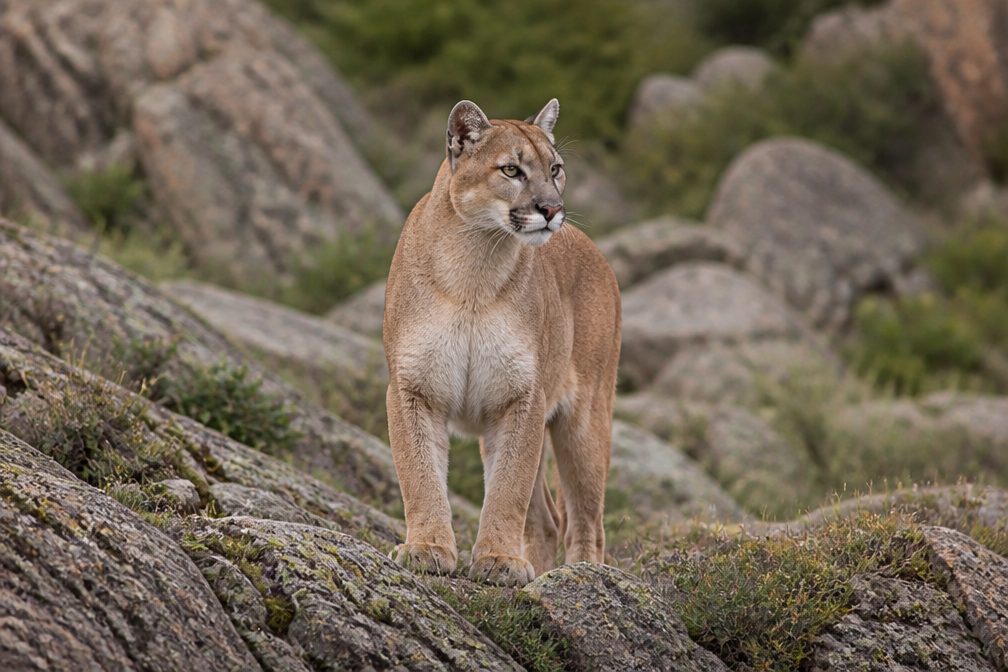 23 sightingsMountain LionMost seen around 8 PMSighting map
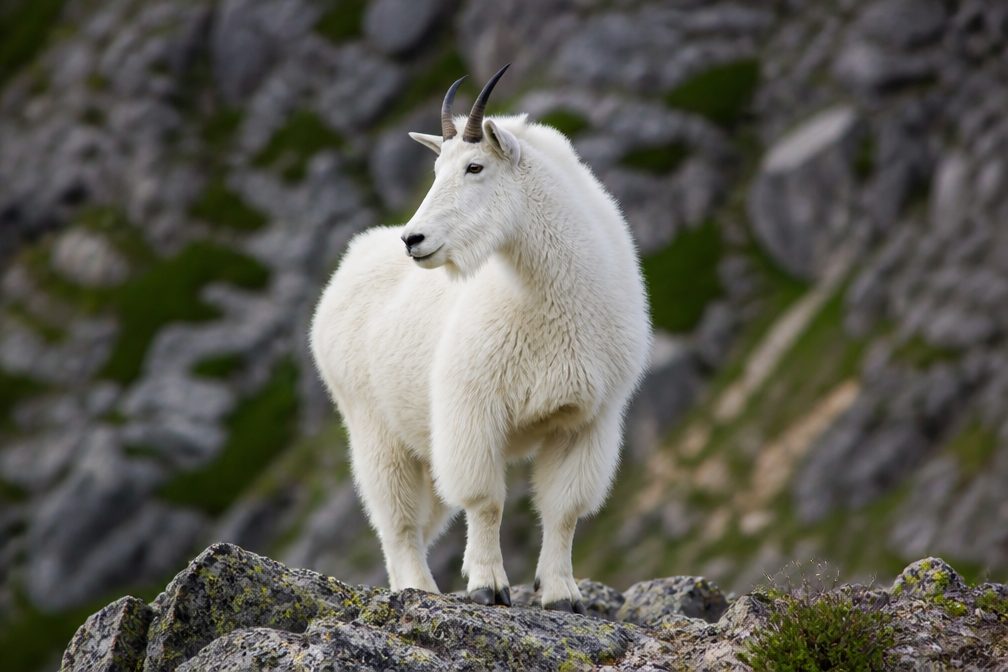 71 sightingsMountain GoatMost seen around 7 AMSighting map
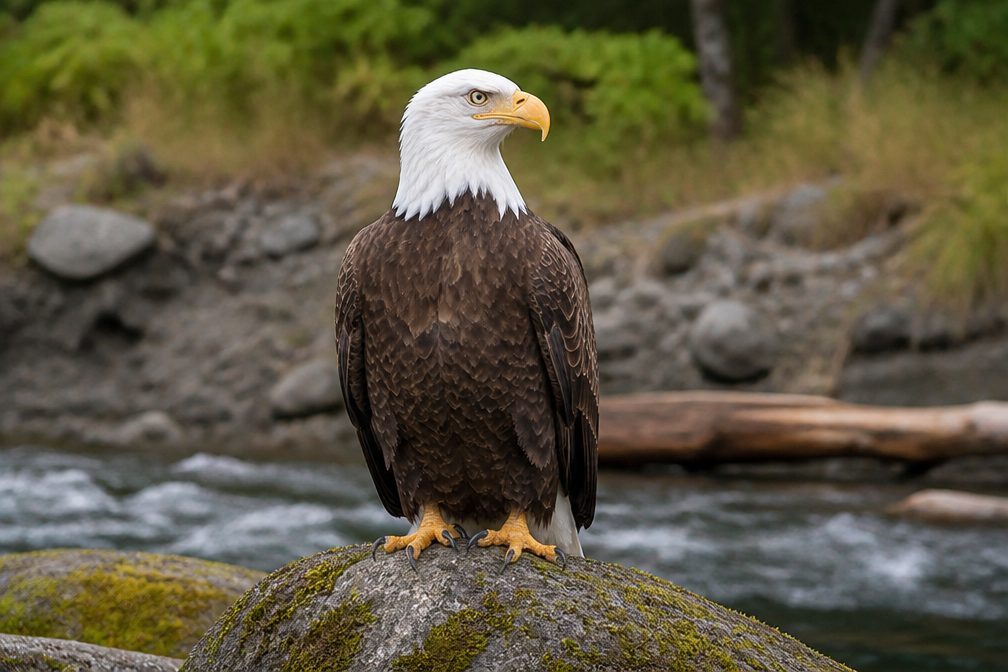 306 sightingsBald EagleMost seen around 11 AMSighting map
Sighting maps show where each species has been reported across Olympic. Wildlife moves, so no sighting is guaranteed.
Keep exploring
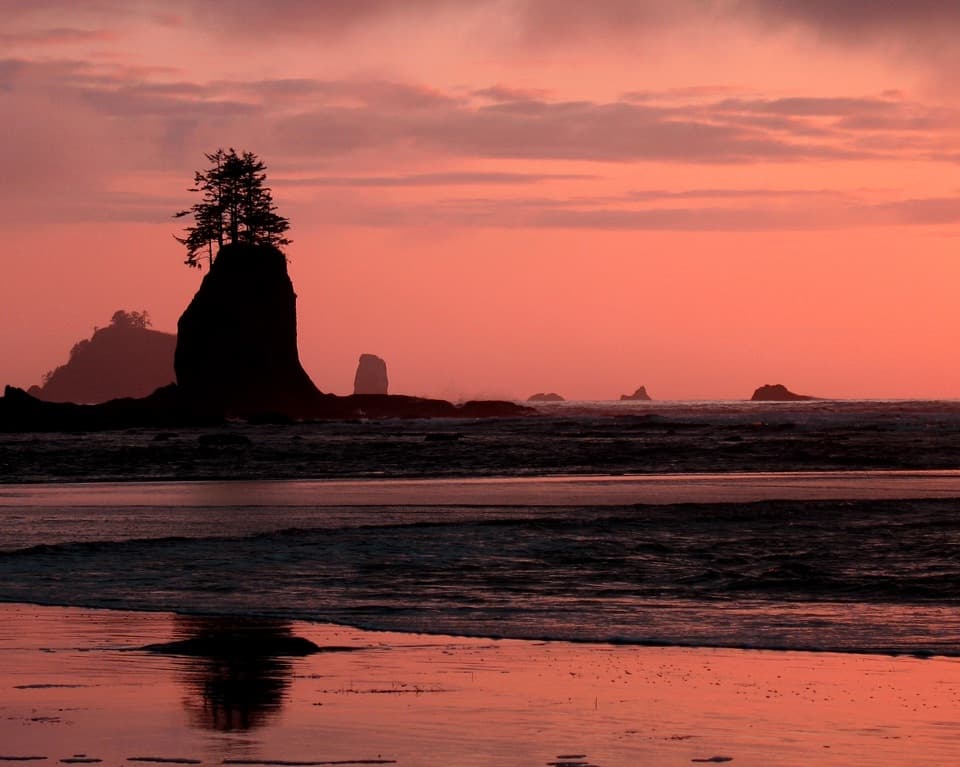 ChallengingSouth Coast Route17 mi · 16 hr · 1.3 mi awayA 17-mile tide-timed traverse past sea stacks, ladders and remote coves.EasyThird Beach Trail2.8 mi · 2 hr · 1.3 mi awayA forest path drops to a driftwood beach and sea stacks.
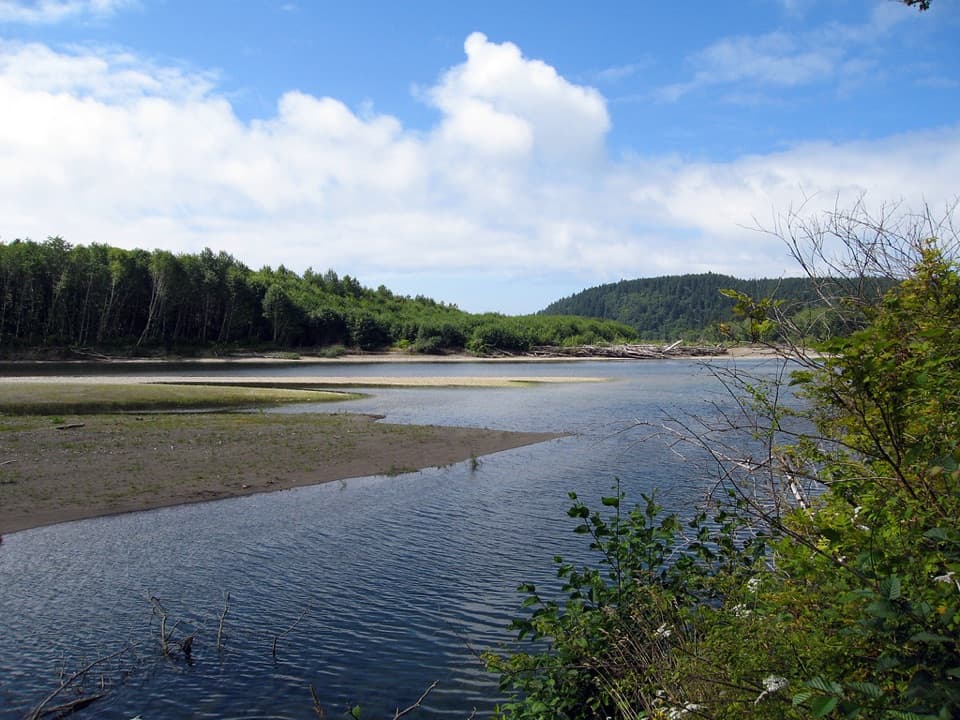
 EasyQuillayute River Slough Trail1.4 mi · 1 hr · 1.7 mi awayA mossy forest walk opens to a quiet river view
 EasyJames Pond Trail0.4 mi · 15 min · 1.7 mi awayA flat forest loop where the pond can be hard to spot
 ModerateRialto Beach to Hole-in-the-Wall Trail3.3 mi · 3 hr · 1.7 mi awayA low-tide walk to tidepools, sea stacks and a rock arch
 ChallengingAllens Bay Route2.2 mi · 3 hr · 11.5 mi awayA rough lake-to-coast route to a remote shipwreck memorial.
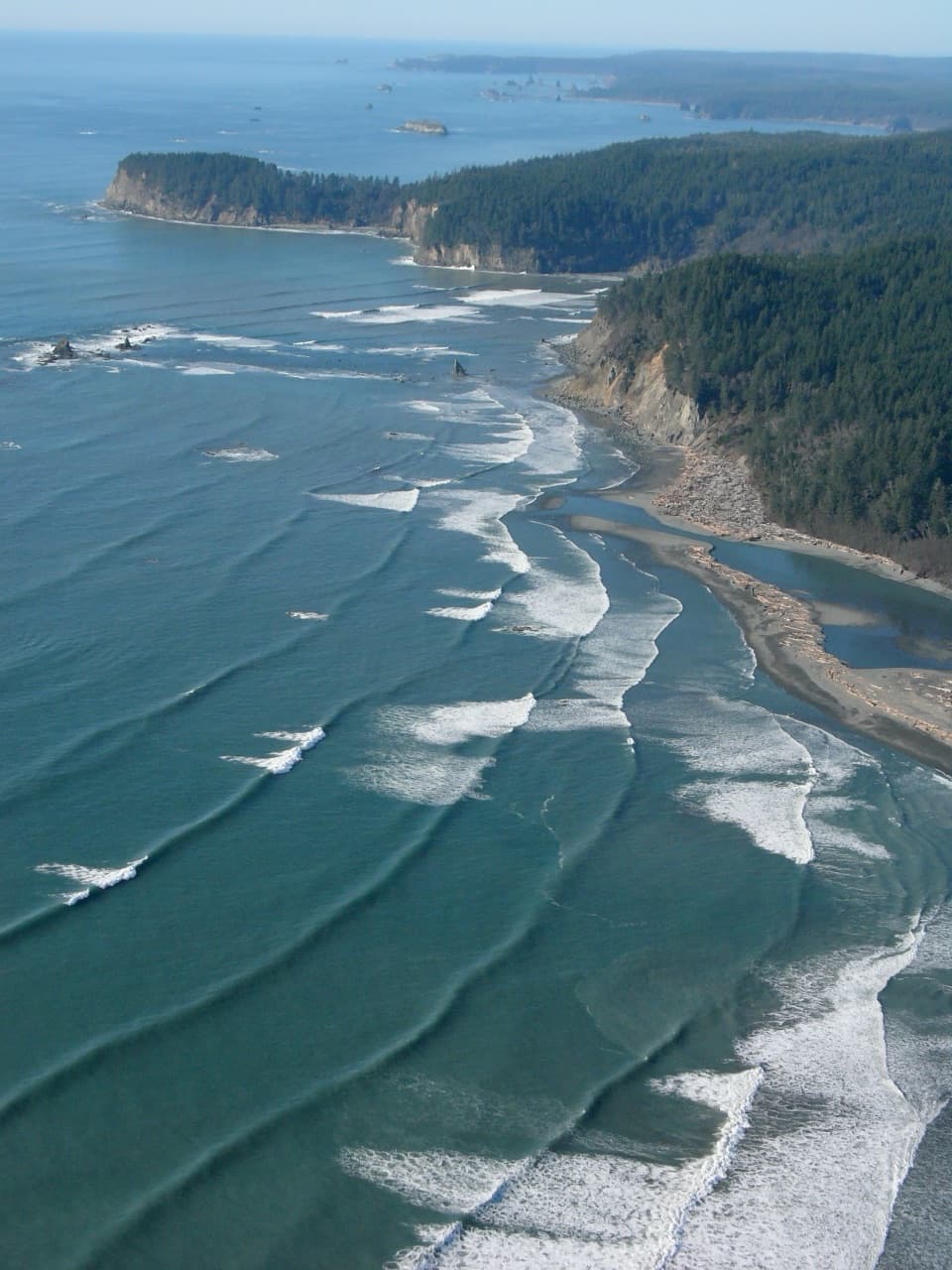 EasyOil City Trail1.2 mi · 1.5 hr · 14 mi awayA flat forest walk to the Hoh's driftwood-framed mouth.
 Beach · 0.6 mi awayFirst Beach, La PushAn easy shore walk, with driftwood and sea stacks on Quileute land.
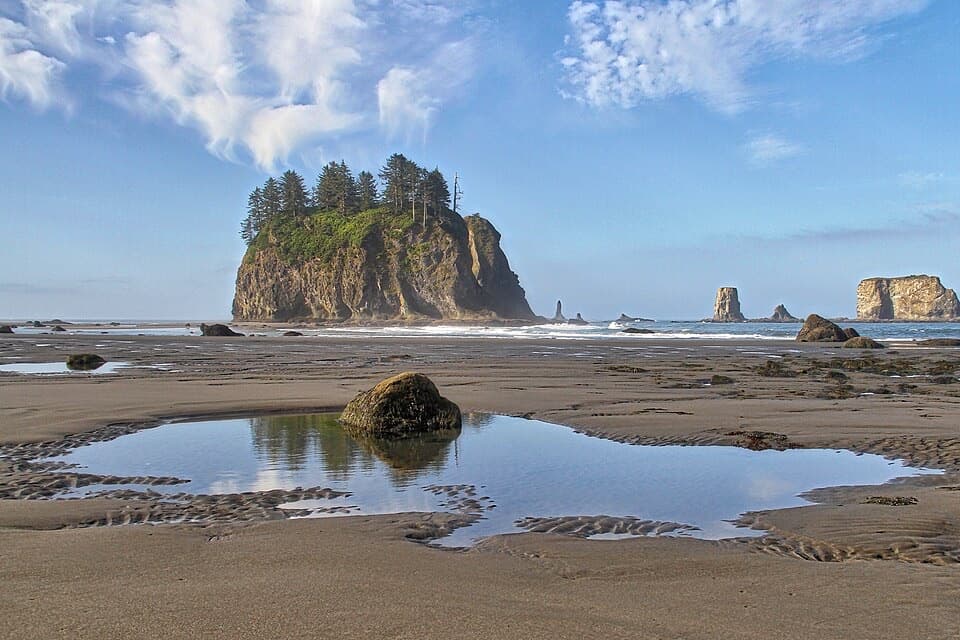 Beach · 1 mi awaySecond BeachSea stacks, tide pools, and a wind-whistling arch reward the stair climb.
 Campground · 1.6 mi awayMora CampgroundA wooded base camp two miles from Rialto Beach.
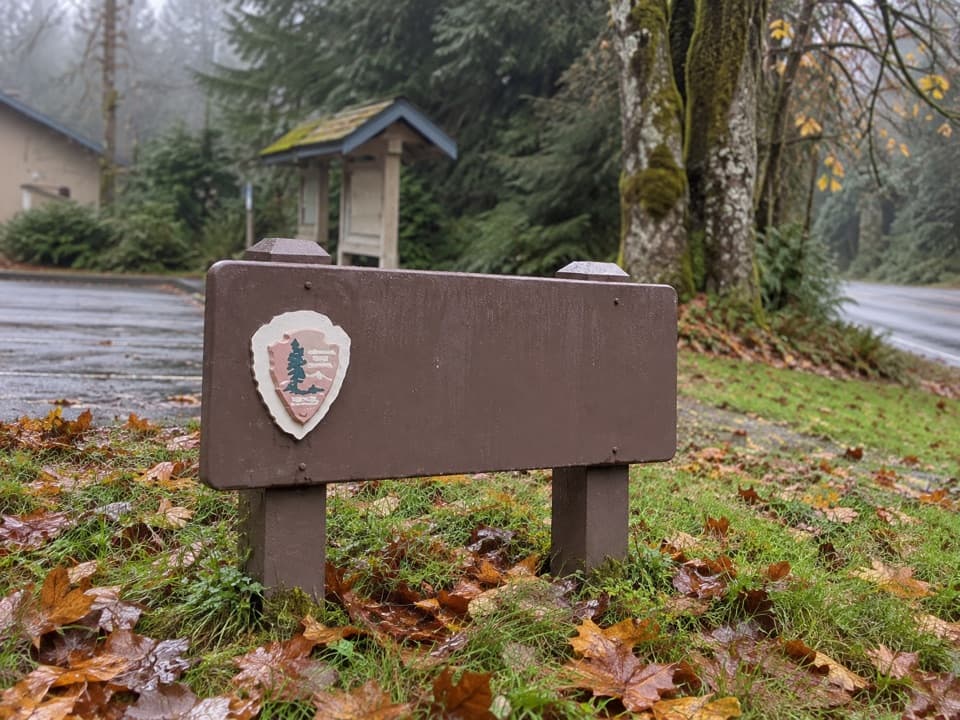 Ranger station · 1.7 mi awayMora Ranger StationA useful coastal stop for permits, water and local guidance.
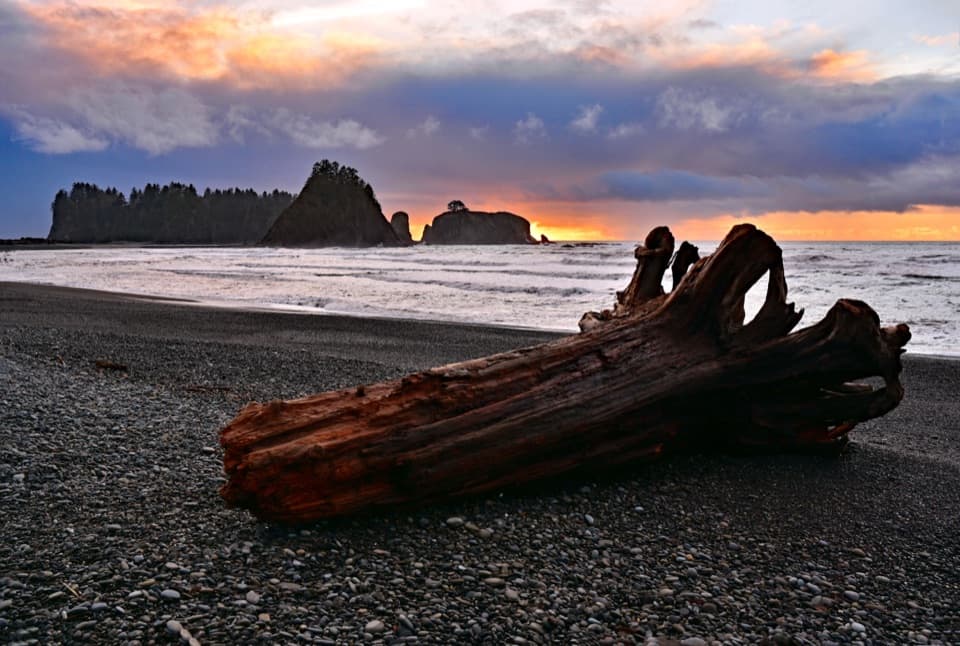 Beach · 1.7 mi awayRialto BeachSea stacks, surf and giant driftwood crowd this rugged shore.
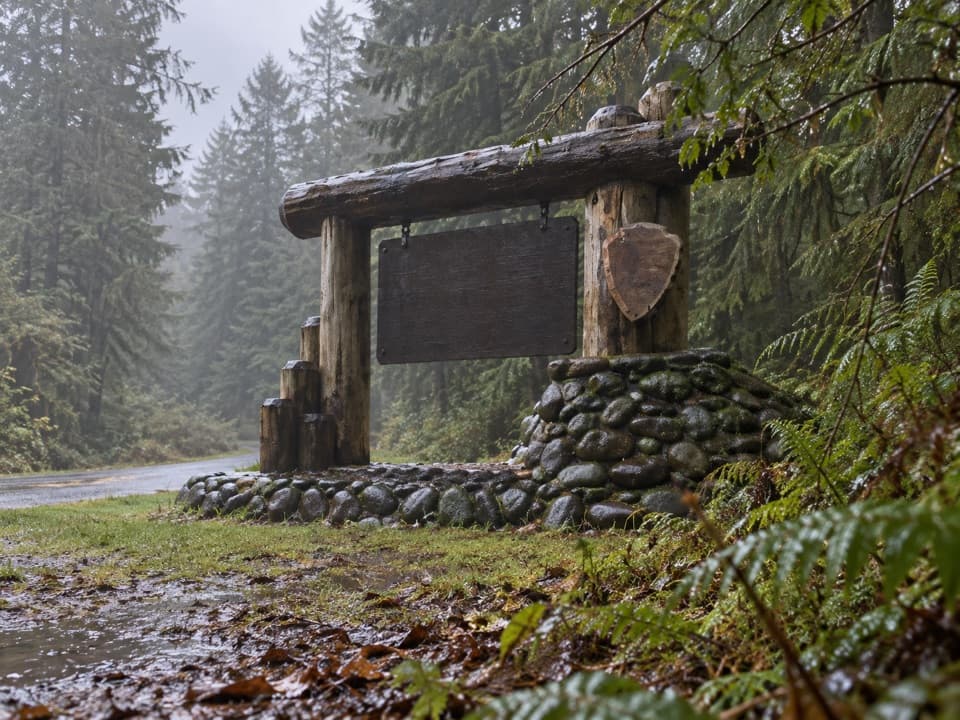 Sight · 2 mi awayMora Area Park Entrance SignA log-and-stone sign makes a memorable welcome photo at Mora.
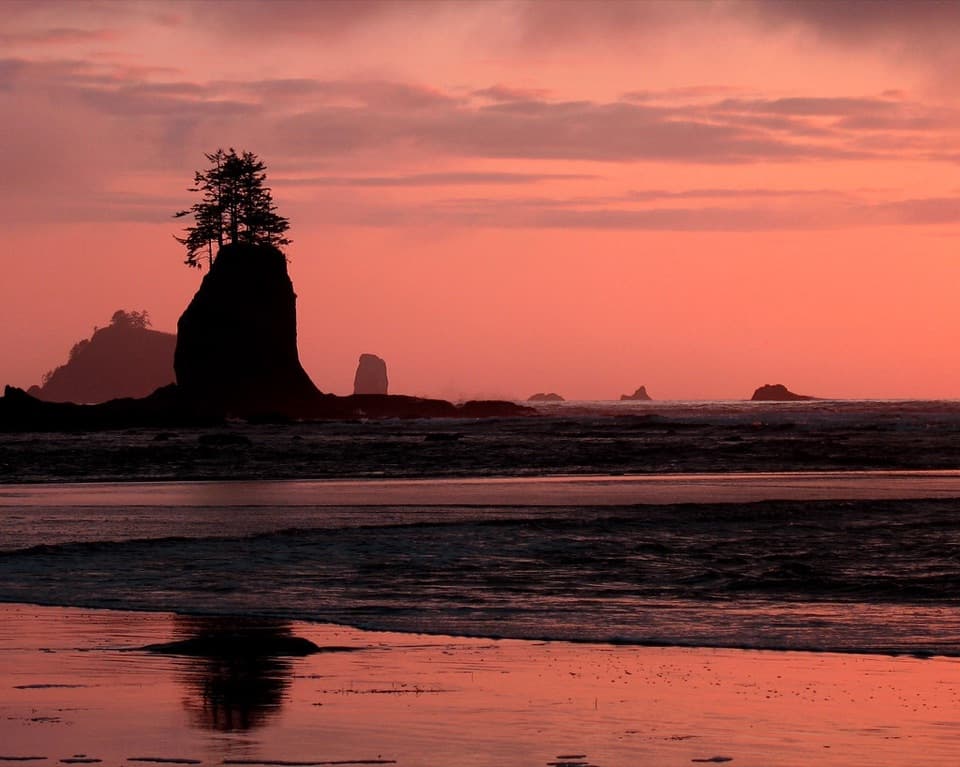 Beach · 2.2 mi awayThird BeachForest, driftwood and sea stacks reward the muddy walk in.
 Sight · 3.3 mi awayHole-in-the-WallA sea arch and tide pools reached on the tide’s schedule.
Parkwolf’s Olympic ranking

The audio tour guide for the drive, plus offline maps, trails, and wildlife heatmaps for when the signal drops.