Place · 1.7 mi away

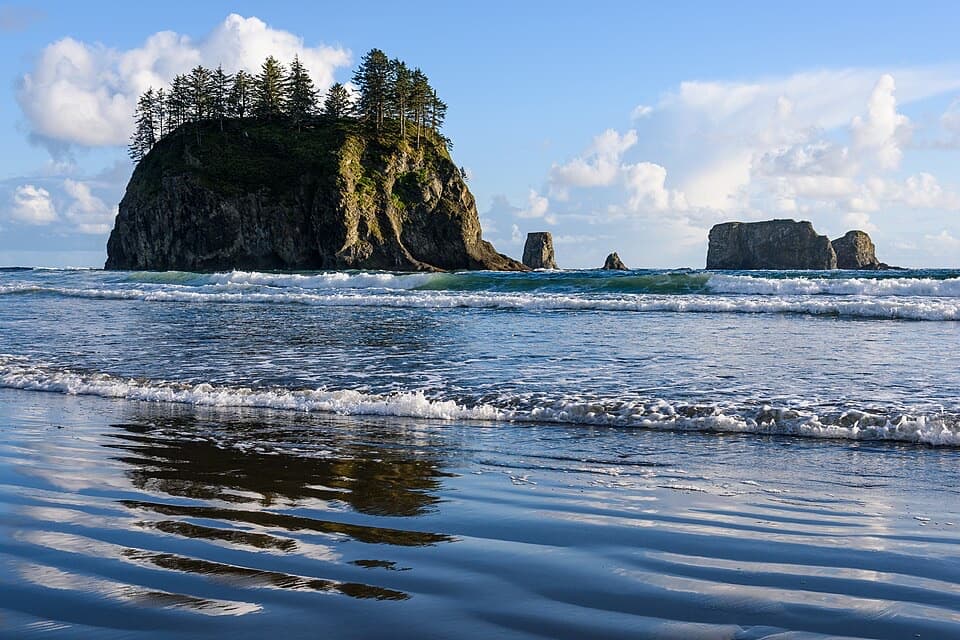
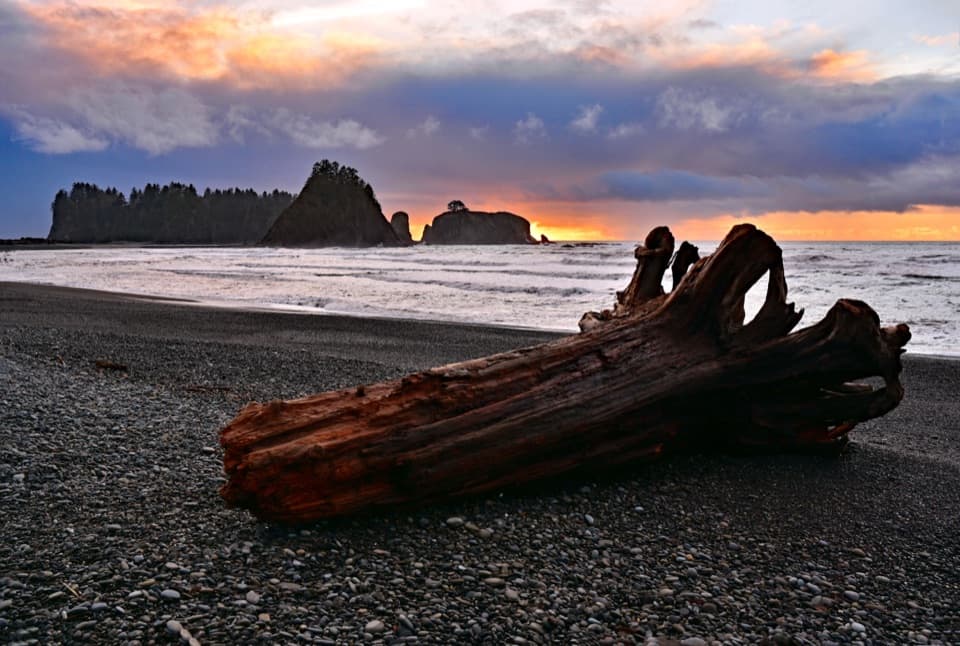
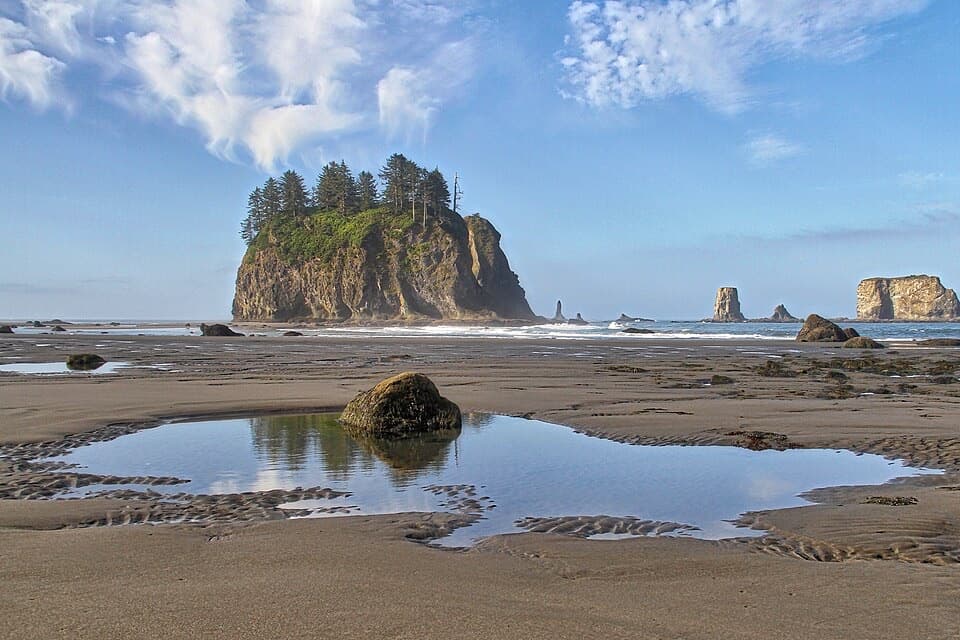
Second Beach delivers the classic Olympic coast look without a brutal approach: a short forest hike drops you onto a wide sandy cove littered with driftwood, backed by spruce and hemlock, and fronted by dramatic sea stacks and a natural arch. It’s wildly photogenic and one of the area’s most beloved stretches of sand.
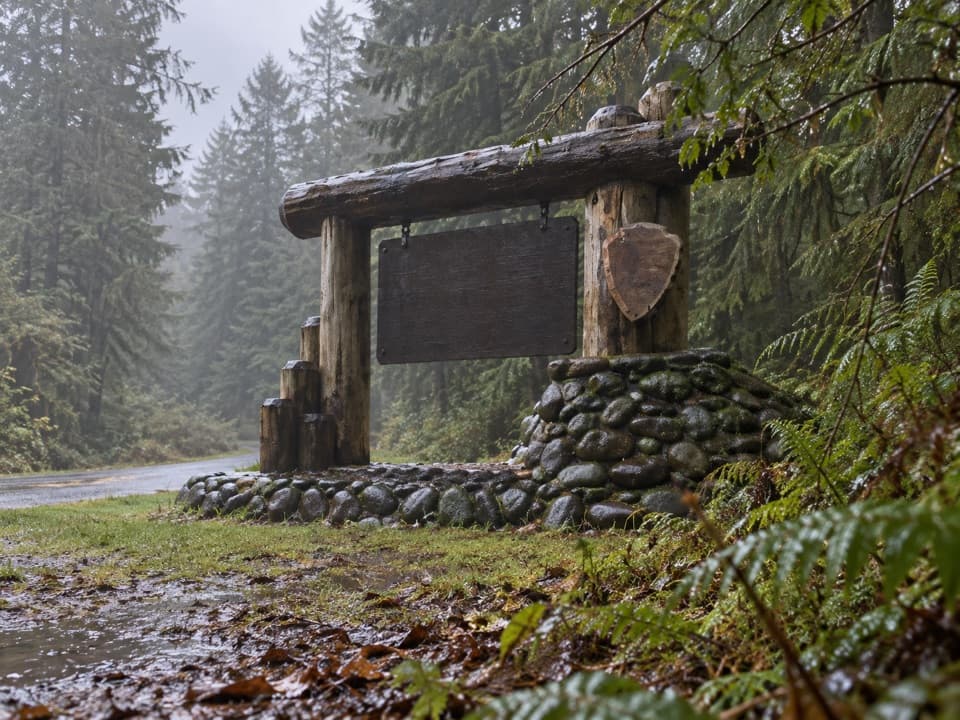
From the roadside trailhead south of La Push, it’s about 0.7–0.8 miles through cool, mossy forest to the beach, losing a few hundred feet of elevation on the way. Expect some mud and uneven, loggy steps near the end. The final hurdle is a jumble of driftwood you’ll need to clamber over to reach the sand.
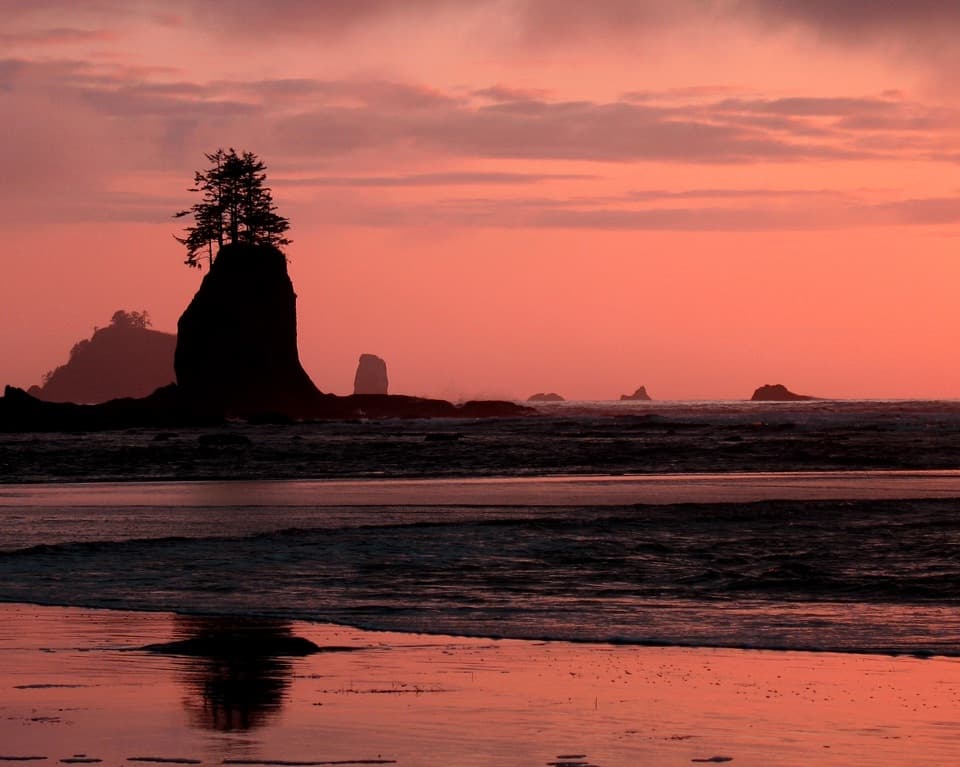
Once you pop out of the trees, you get the full show: offshore sea stacks, a coastal arch, and endless surf. The beach is broad and walkable, with headlands—Quateata to the north and Teahwhit to the south—framing the cove. Sunsets here are the kind you remember.
This is a tide-driven landscape. Time your visit for low tide if you want to explore tide pools and the base of nearby stacks. Do not attempt to round either headland—both are considered impassable and dangerous even at low tide. If you’re camping, pitch well above the high-tide line.
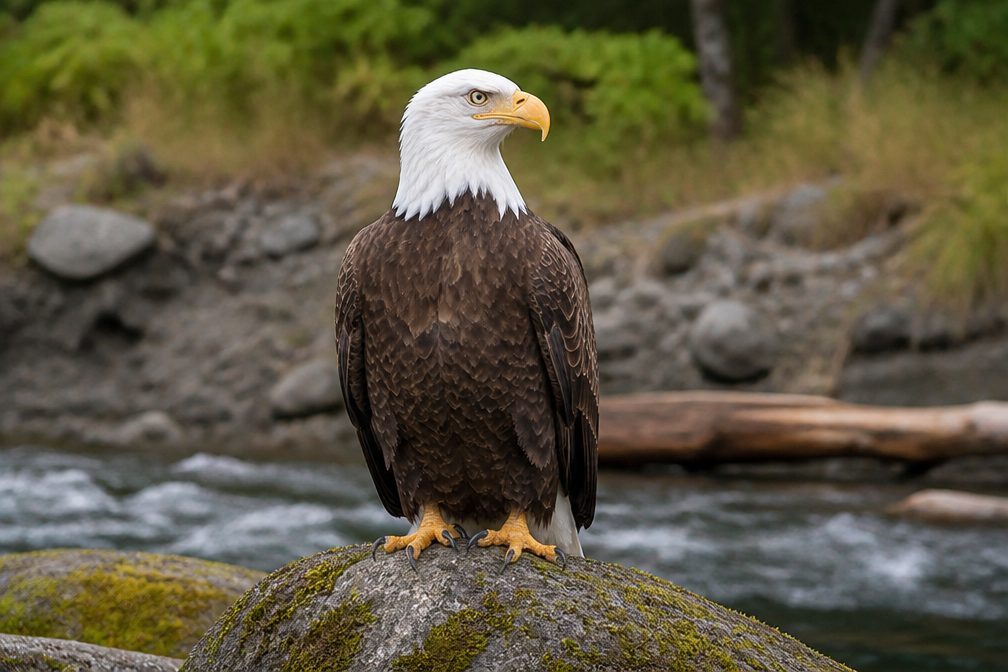
Low tide reveals lively pools packed with anemones, crabs, and sea stars. Offshore you may spot seals, eagles cruising the shoreline, and occasional whales in season. Bring curiosity and tread lightly—those pools are fragile.
Second Beach is a favorite for backpack-style beach camping. You’ll need an Olympic National Park wilderness permit, and bear canisters are required for all food and scented items. Fires are allowed on the beach using driftwood (keep them on the sand and mind the tide). Pack out everything—there’s no trash service. Pets aren’t allowed on the coastal wilderness beaches.
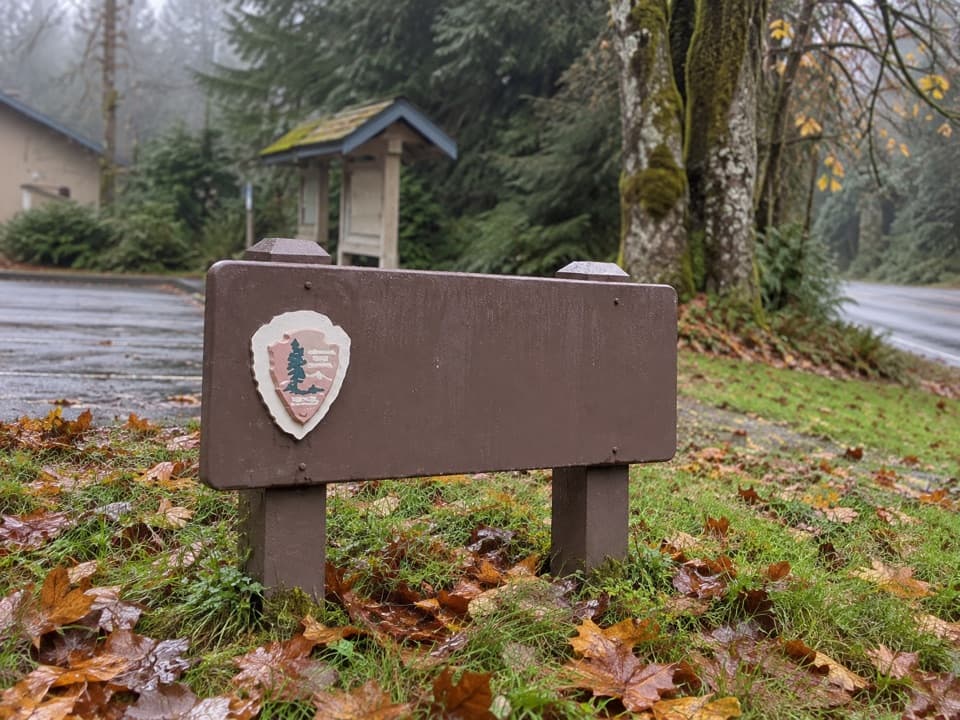
There’s a marked trailhead with parking; it can fill on busy days. Reports note portable toilets at the trailhead and a pit toilet near the beach access, but no running water or services—stock up in nearby towns before you go.
Aim for weekdays and arrive early or late: early mornings for quiet tide-pooling and soft light, or 1–2 hours before sunset for the best color. Low tide is the sweet spot for exploring; check tide charts before you commit.